Normal Our Planet and Environment Worksheets for Ages 6-8 - Page 3
66 filtered results
-
From - To
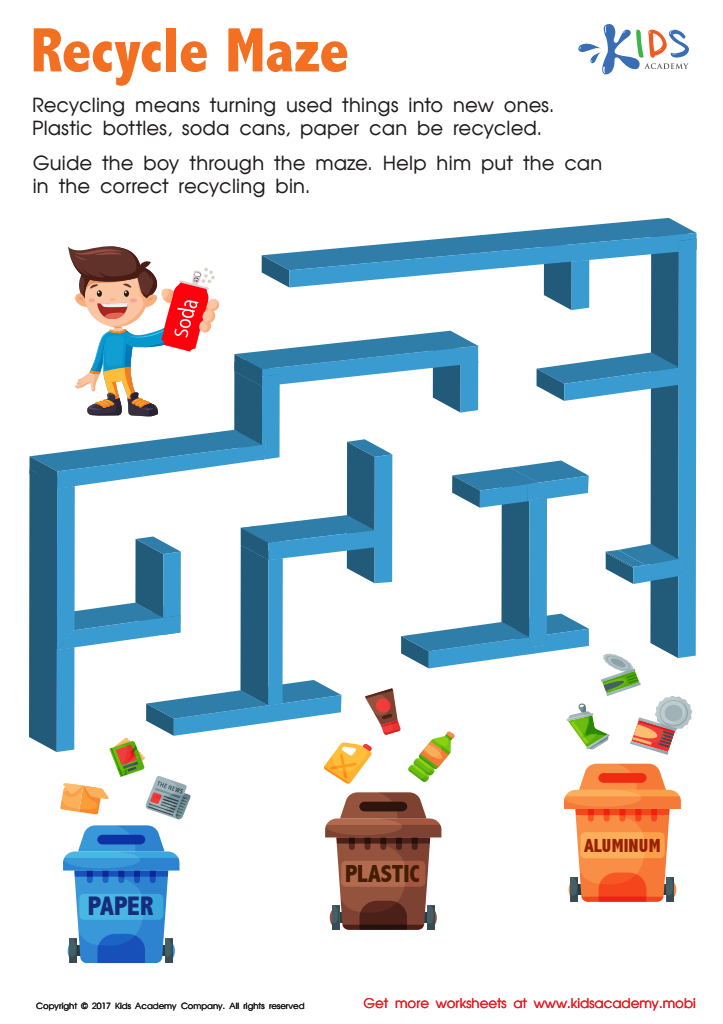
Recycle Maze Worksheet
 Assign to My Students
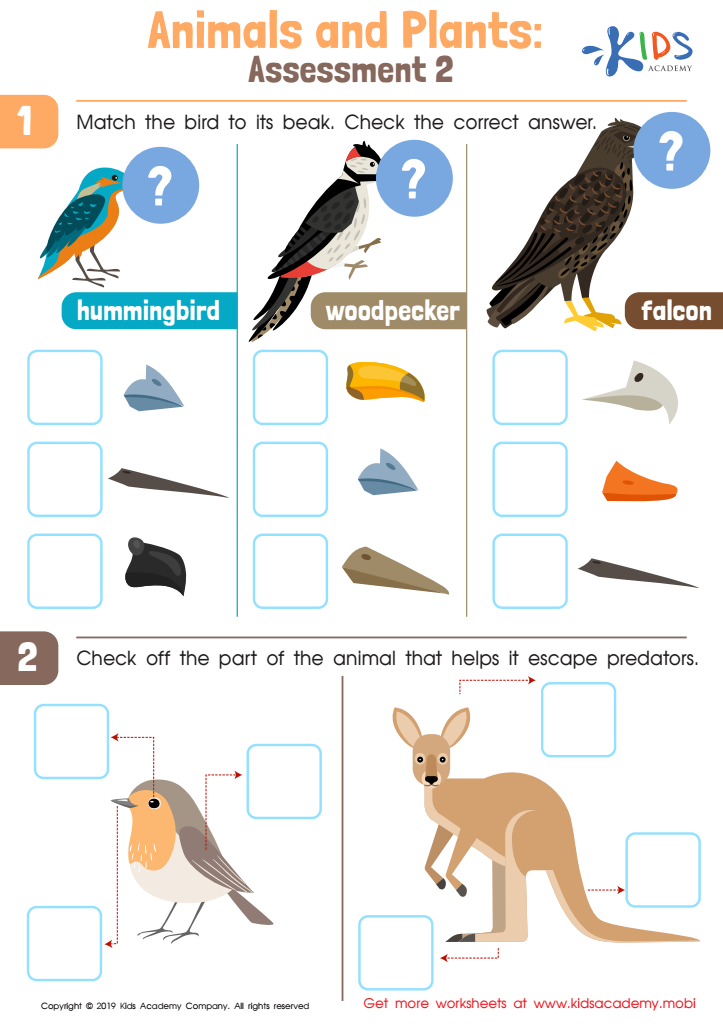
Animals and Plants: Assessment 2 Worksheet
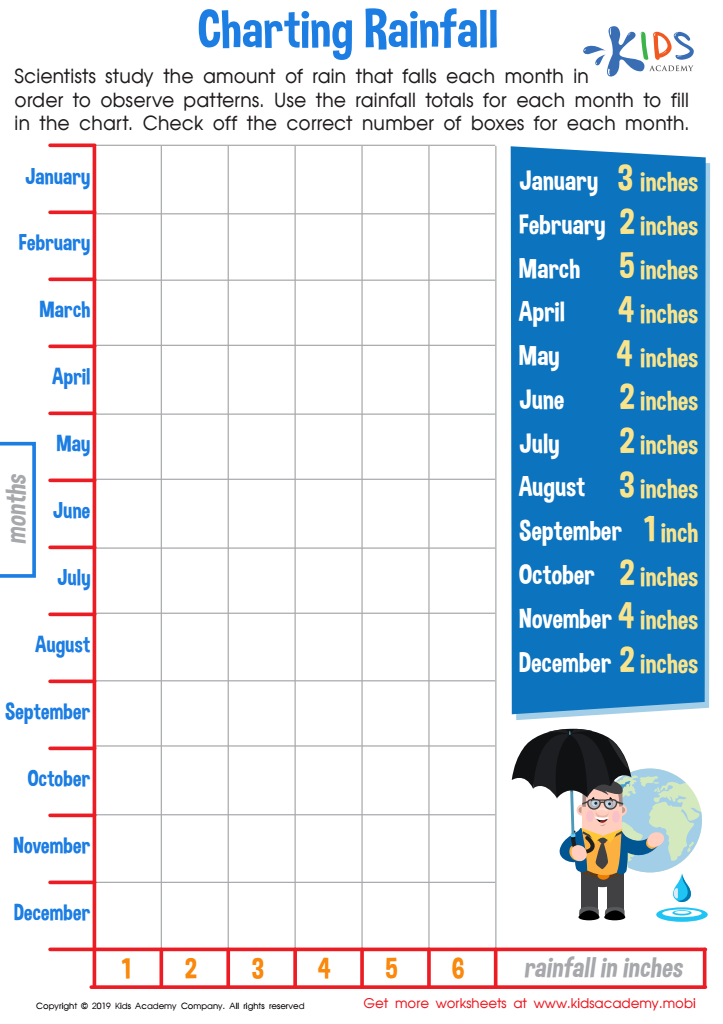
Charting Rainfall Worksheet
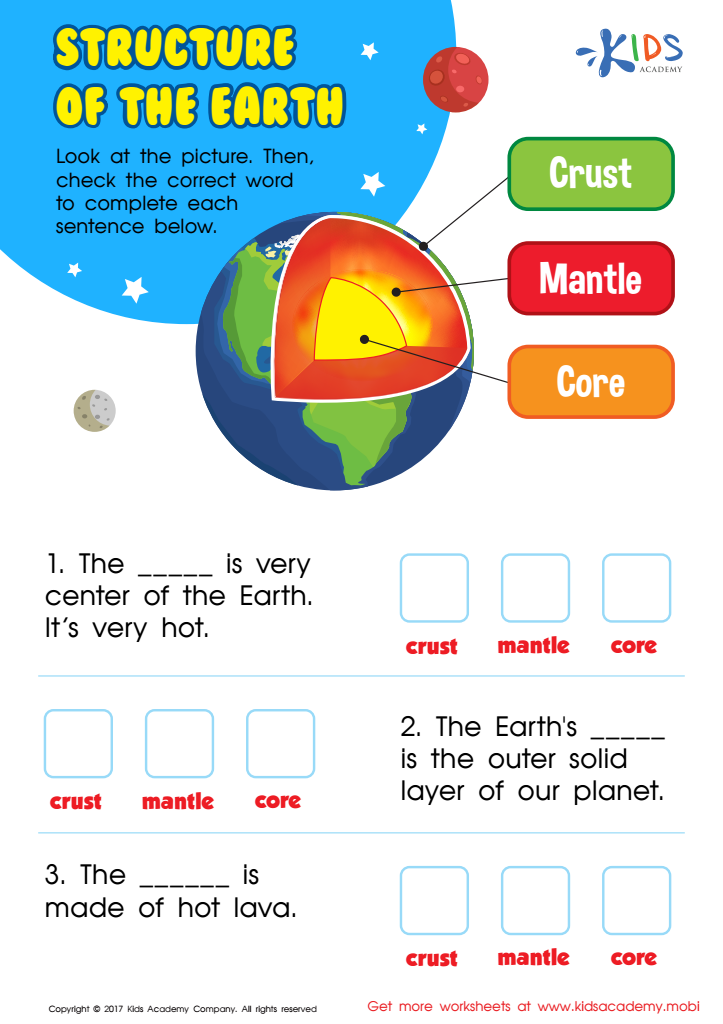
Structure of the Earth Worksheet
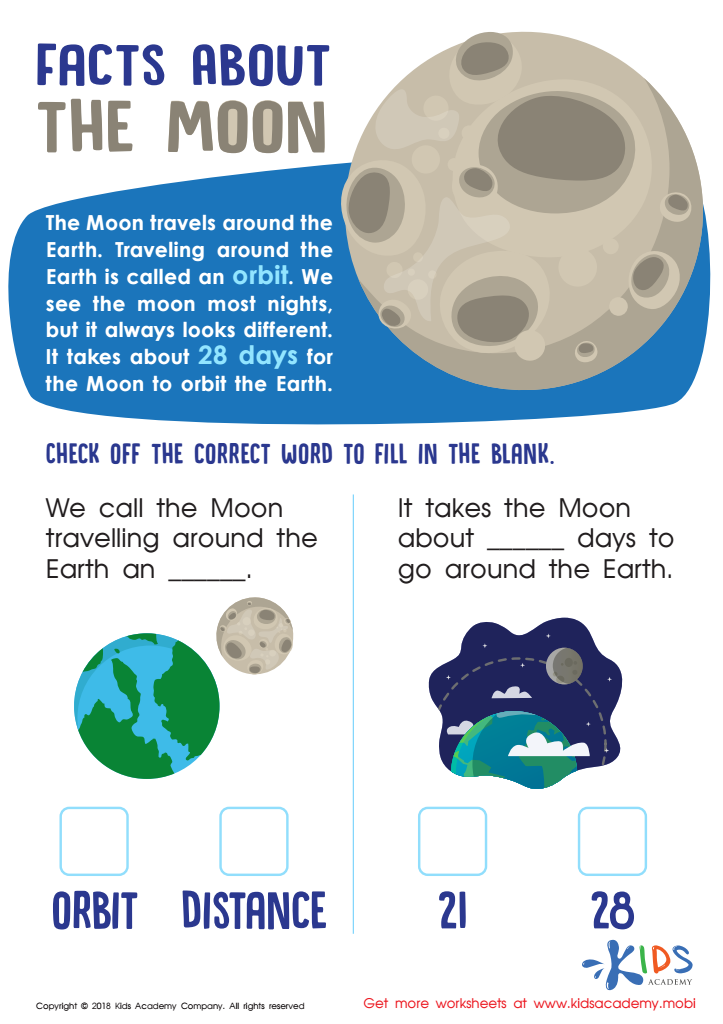
Facts About the Moon Worksheet
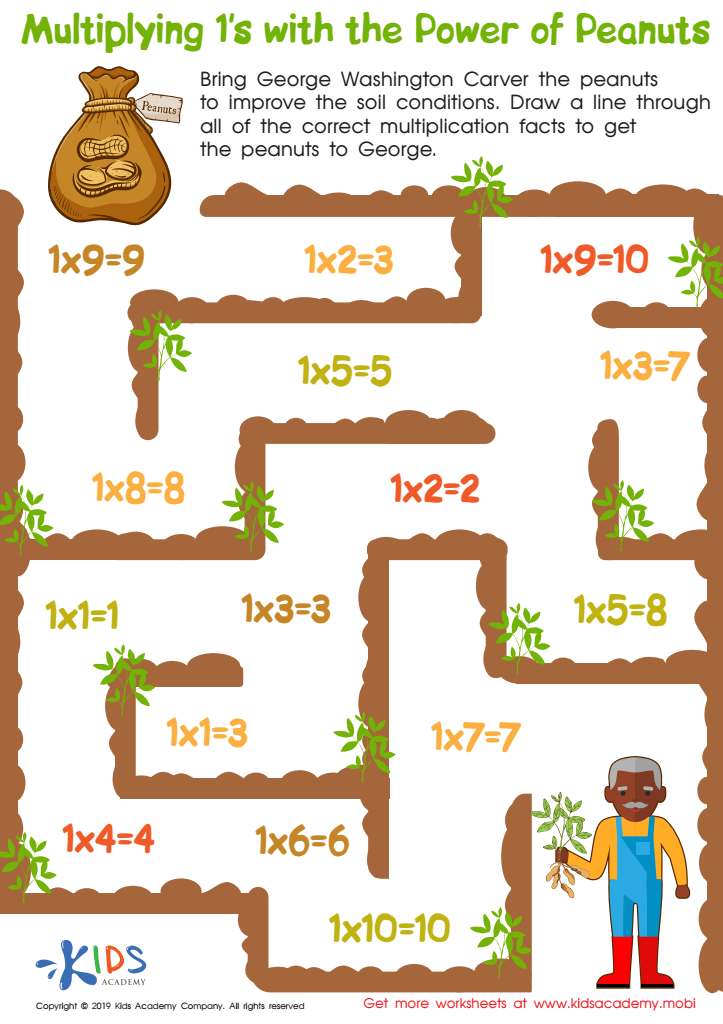
Multiplying 1’s With the Power of Peanuts Worksheet
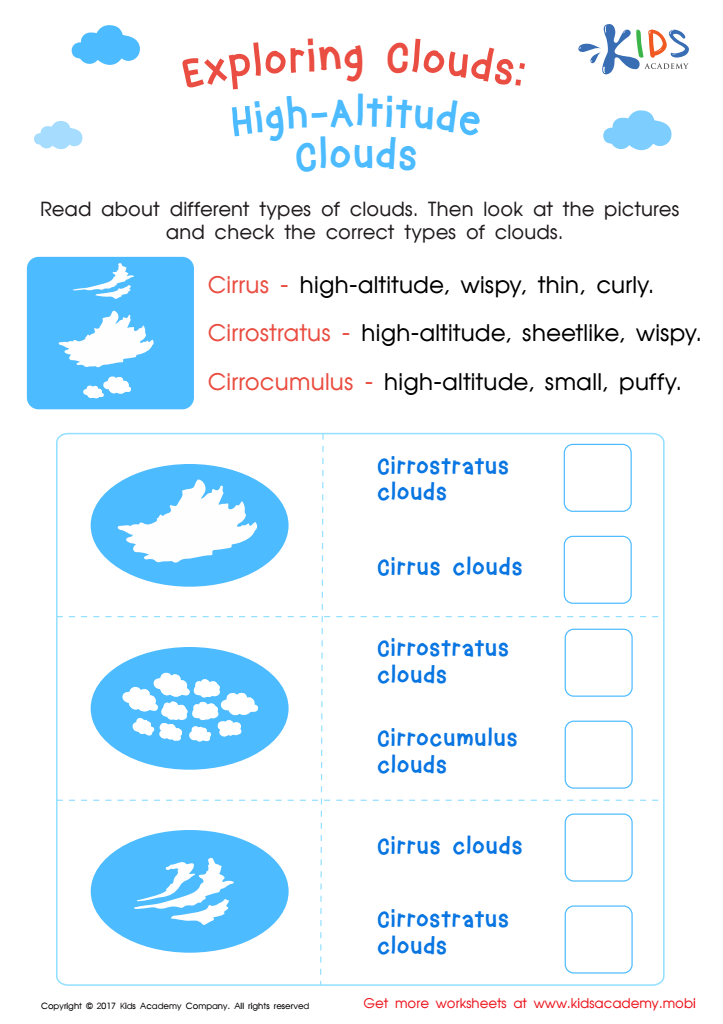
Exploring Clouds: High Altitude Clouds Worksheet
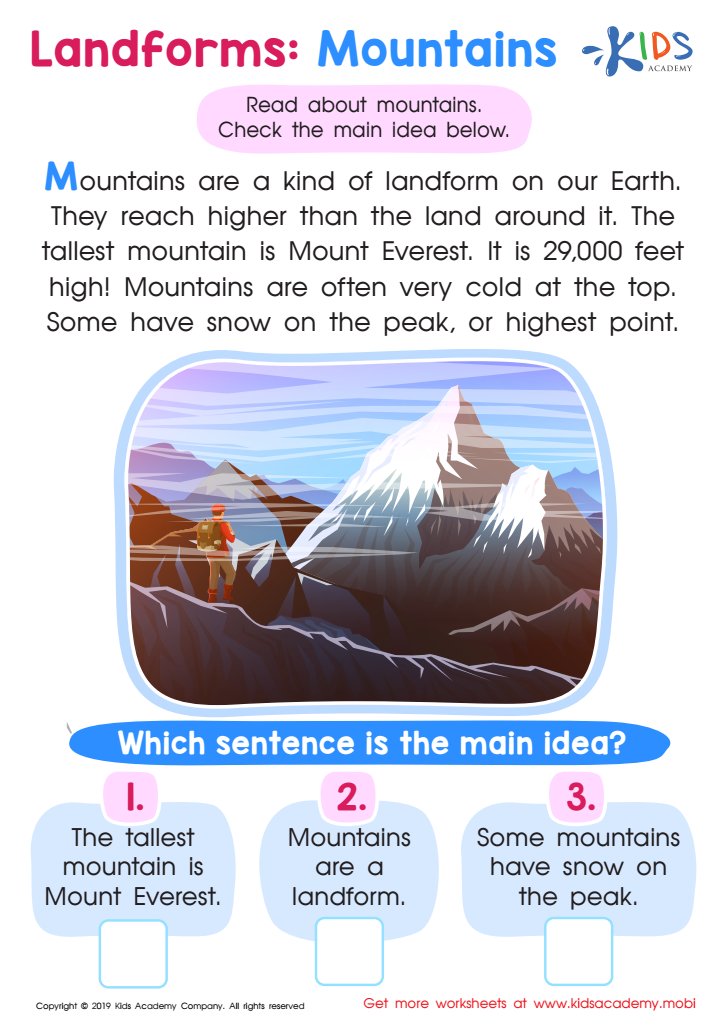
Landforms: Mountains Worksheet
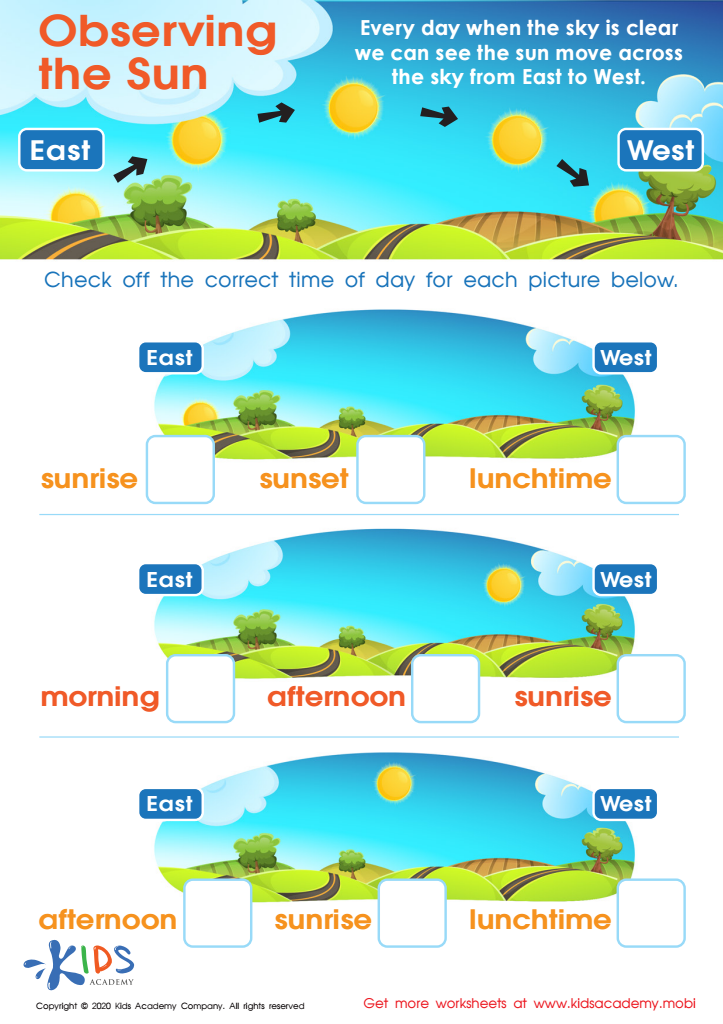
Observing the Sun Worksheet
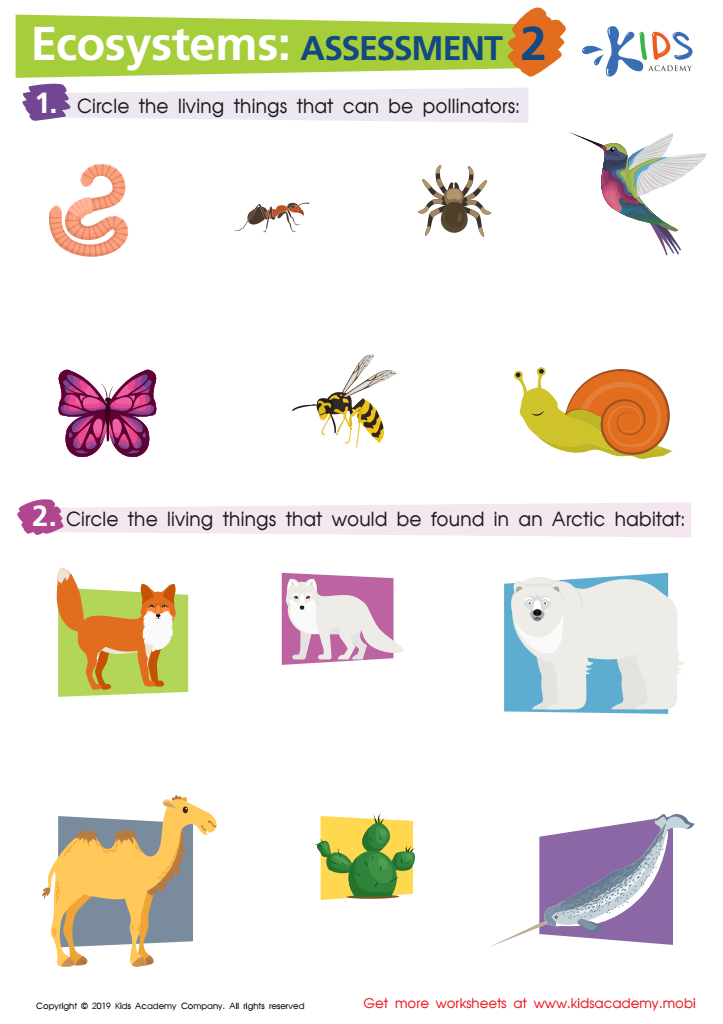
Ecosystems: Assessment 2 Worksheet
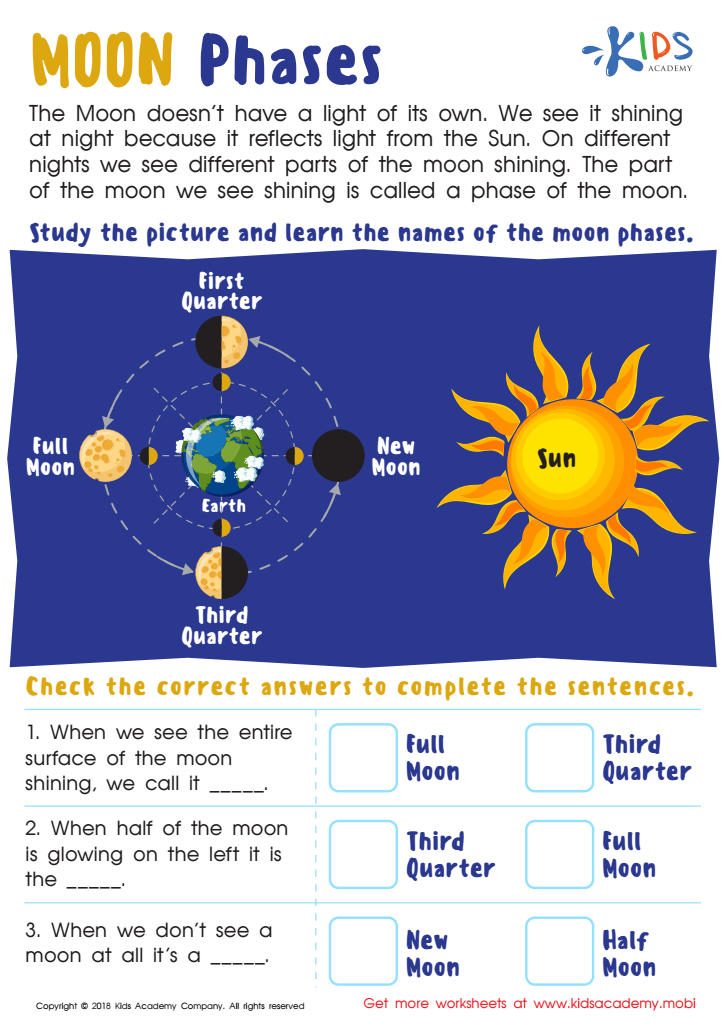
Moon Phases Worksheet
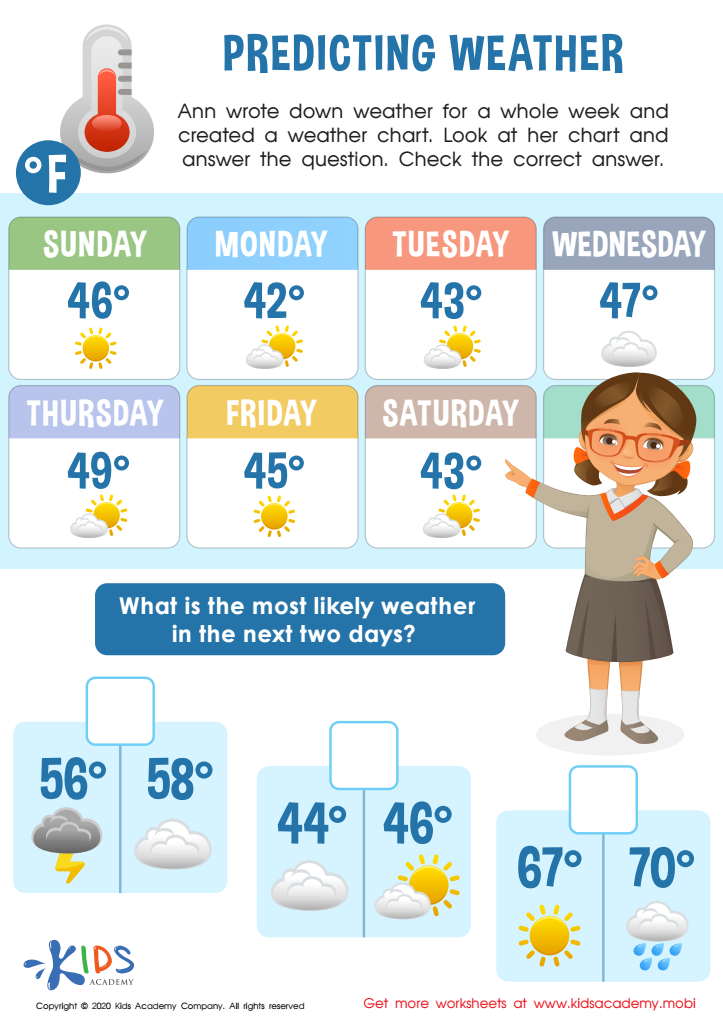
Predicting Weather Worksheet
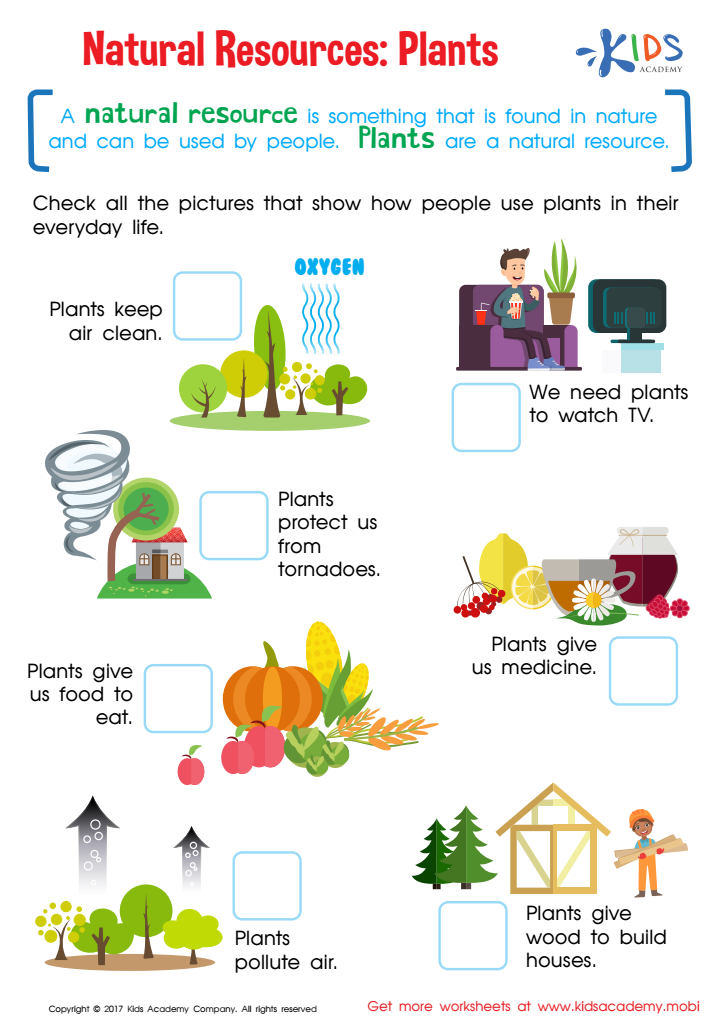
Natural Resources: Plants Worksheet
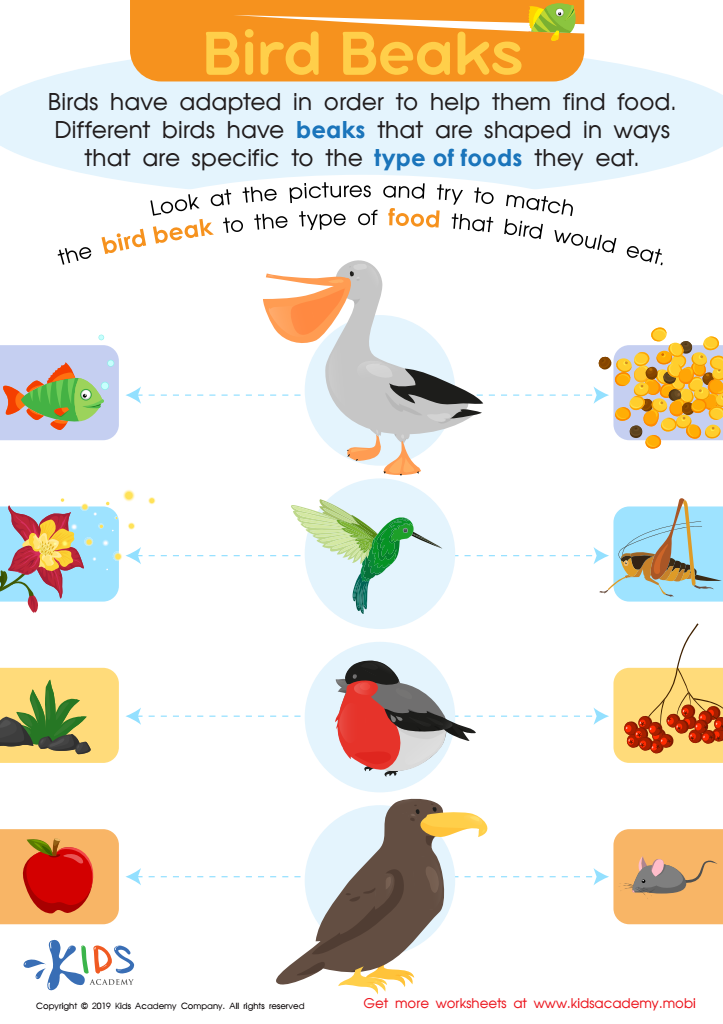
Bird Beaks Worksheet
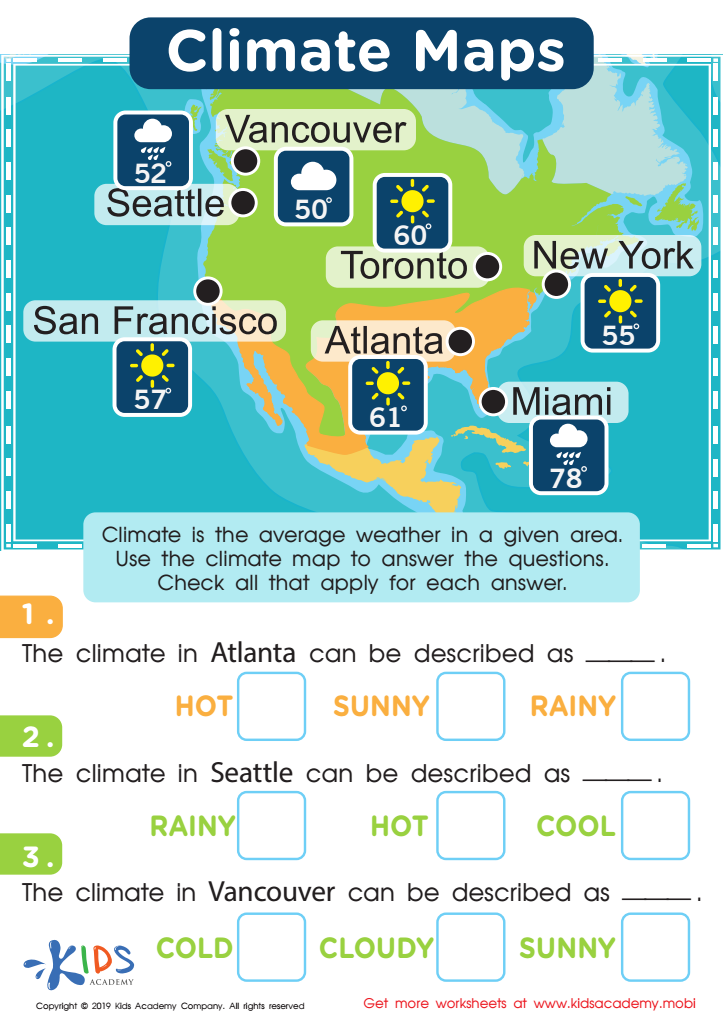
Climate Maps Worksheet
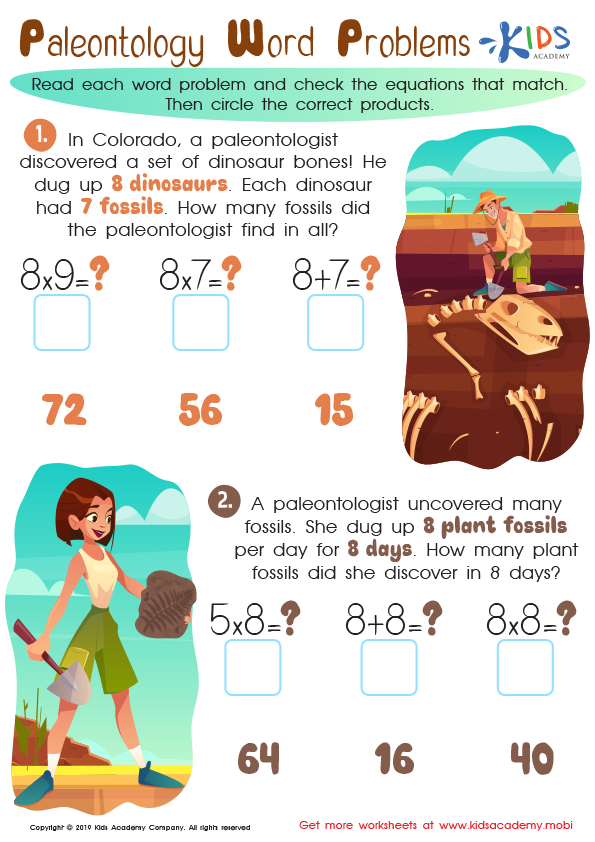
Archeology Word Problems Worksheet
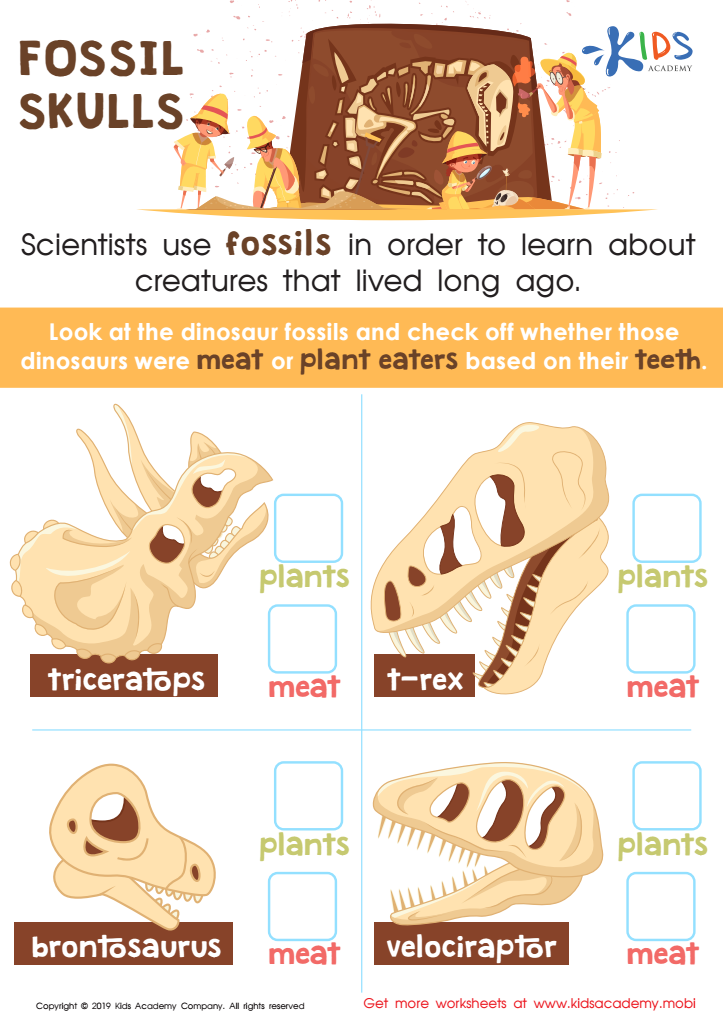
Fossil Skulls Worksheet
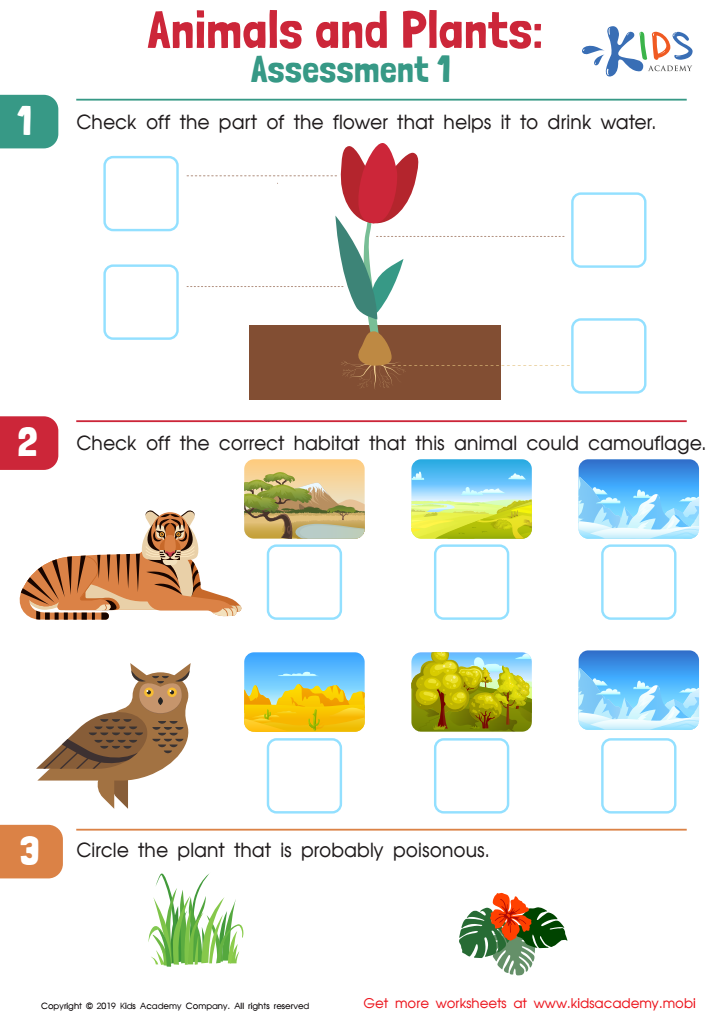
Animals and Plants: Assessment 1 Worksheet




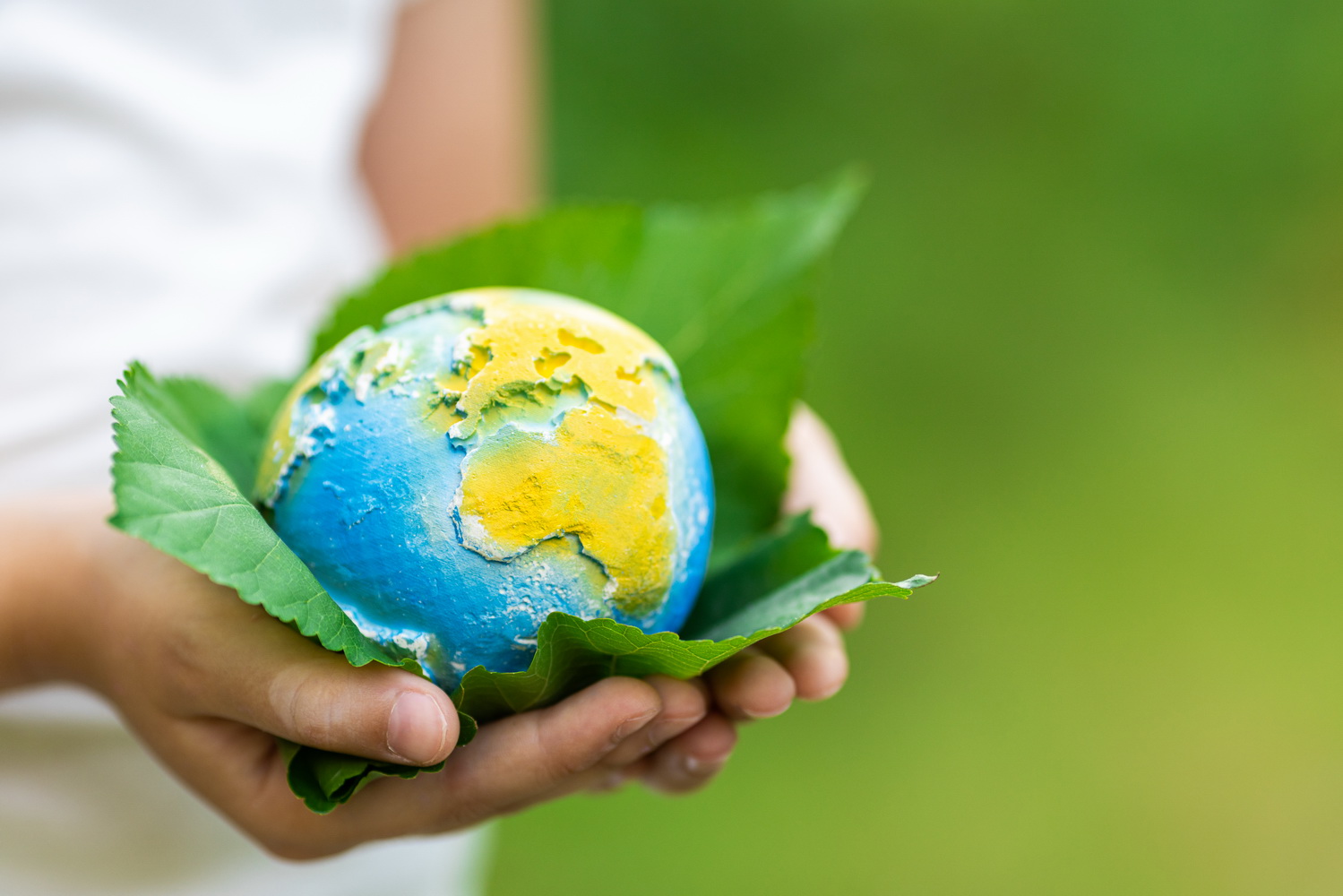

Parents and teachers play a crucial role in shaping the values and attitudes of young children, including their feelings about the planet and environment. At ages 6-8, children are naturally curious and beginning to understand the world around them, making it an ideal time to introduce concepts related to environmental stewardship. When kids learn about Normal Our Planet and how to care for it, they develop a sense of responsibility and connection to nature.
Teaching children about the environment can foster a love and respect for nature, which can translate into eco-friendly habits such as recycling, conserving water, and not littering. These habits, when cultivated early, can make a significant long-term impact on the planet’s health. Moreover, children who grow up understanding environmental issues are more likely to become informed citizens and advocates for positive change.
Exposure to nature and outdoor learning activities also supports physical and mental well-being. Activities like gardening, nature walks, and hands-on recycling projects can enhance a child's learning experience by making it engaged and practical. Furthermore, understanding cause and effect (e.g., how pollution affects animals) can improve critical thinking skills.
Ultimately, educating children about the environment ensures that they inherit a more sustainable and healthy world, carrying these important values into the future.







