Normal Plants and Animals Worksheets for Ages 6-8 - Page 5
99 filtered results
-
From - To
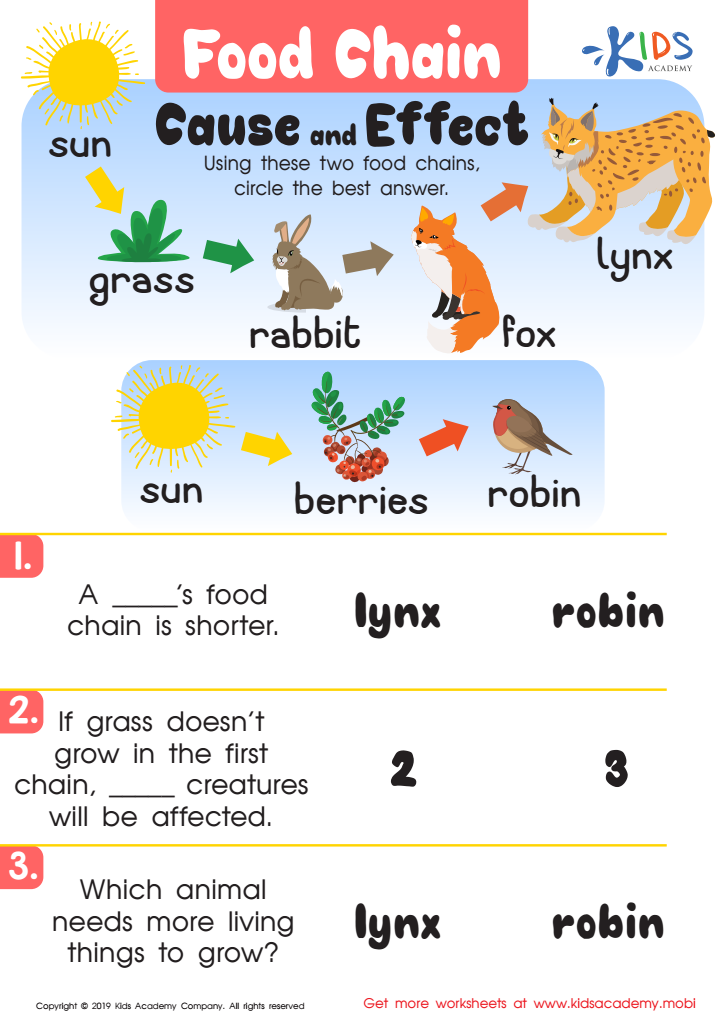
Food Chain Cause Worksheet
 Assign to My Students

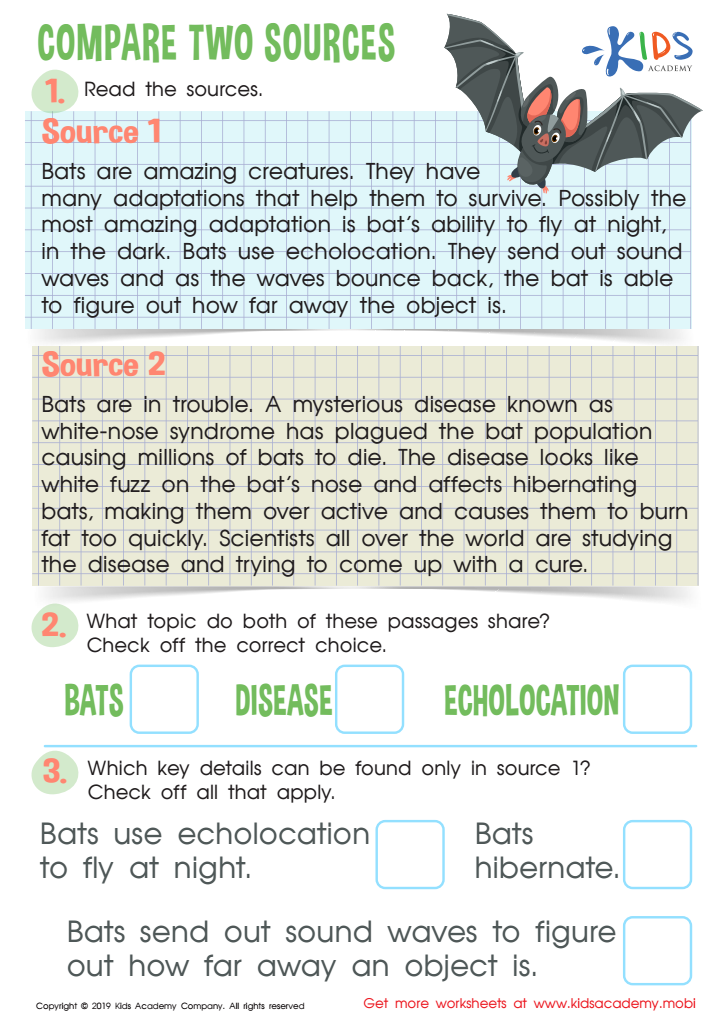
Compare Two Sources Worksheet
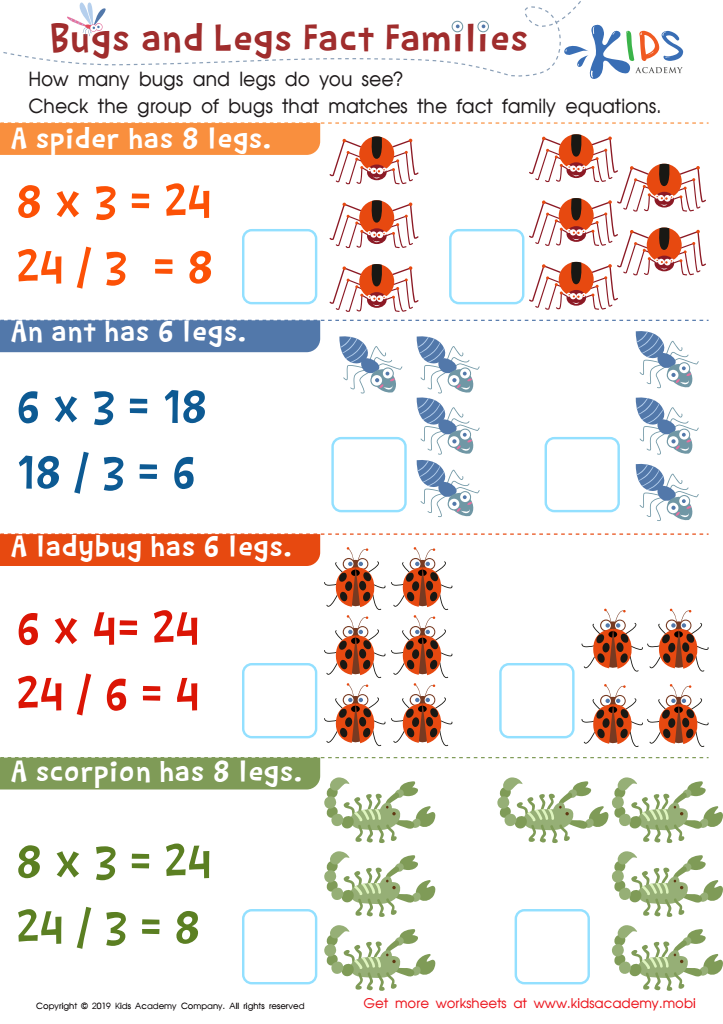
Bugs and Legs Fact Families Worksheet






Parents and teachers should care about teaching children aged 6-8 about normal plants and animals because it lays the foundation for ecological awareness and fosters a sense of responsibility toward the environment. At this age, children are naturally curious and open to learning about the world around them. Introducing them to the basics of biology helps them understand the importance of biodiversity and conservation.
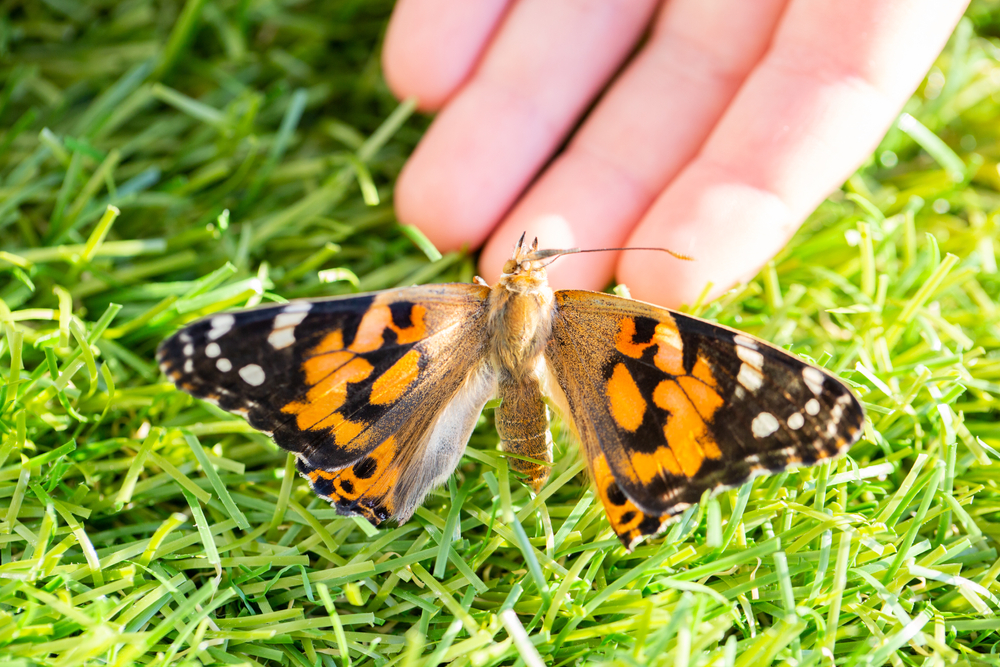
Learning about plants and animals in their local environment helps children develop observation skills and nurtures their connection to nature. For instance, knowing how plants grow from seeds or how animals find food sparks curiosity, leading to questions and further exploration. These activities not only make learning fun but also enhance cognitive and motor skills.
Additionally, teaching young children about plants and animals helps instill values such as compassion and respect for living things. Understanding the roles various species play in ecosystems — for example, how bees pollinate flowers — highlights the interdependence of life forms and the significance of maintaining balance in nature.
From a broader perspective, knowledge about plants and animals encourages sustainable practices. Children who recognize the importance of these organisms are more likely to grow into adults who are conscious of their environmental impact, thereby contributing to a healthier planet for future generations.