Normal Reading Comprehension Worksheets for Ages 6-9 - Page 4
188 filtered results
-
From - To
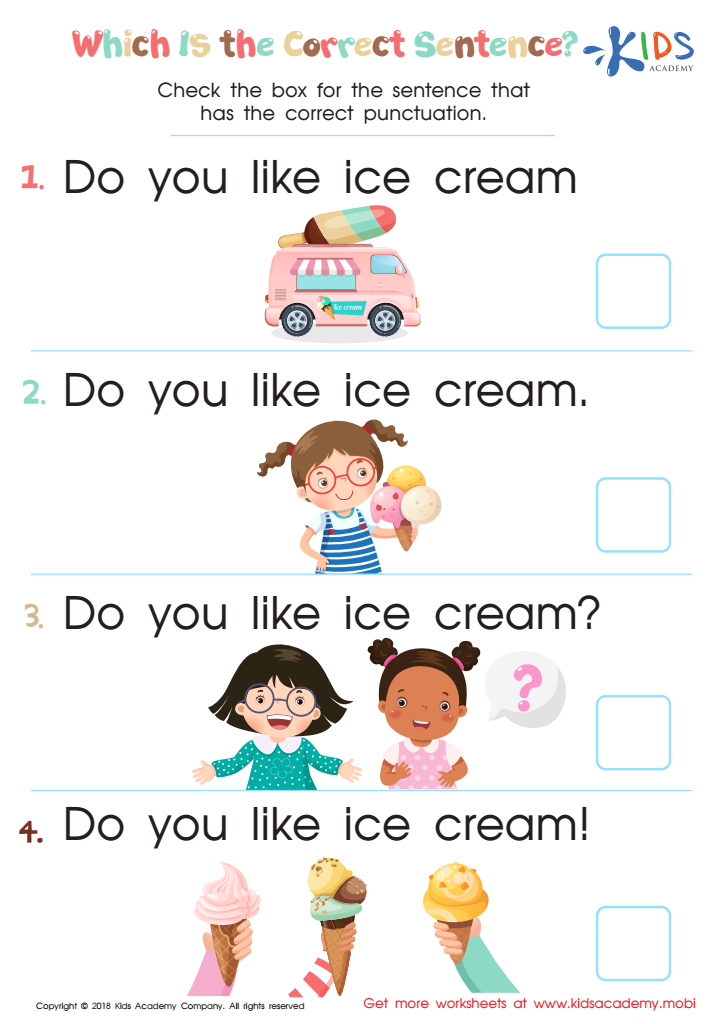
Which is the Correct Sentence? Worksheet
 Assign to My Students
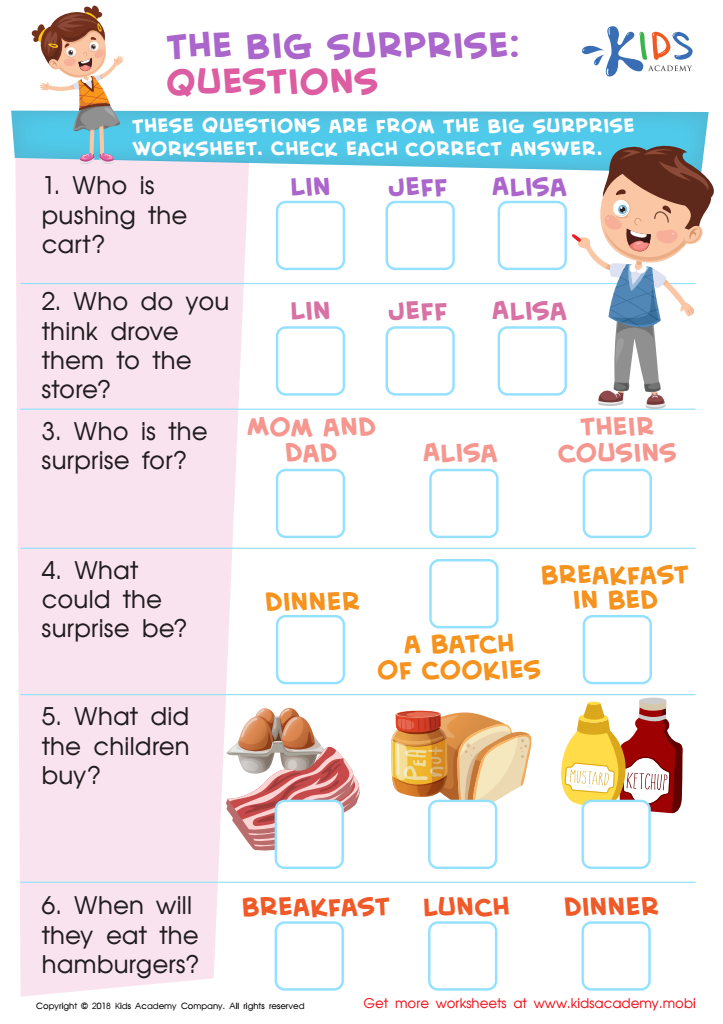
The Big Surprise: Questions Worksheet
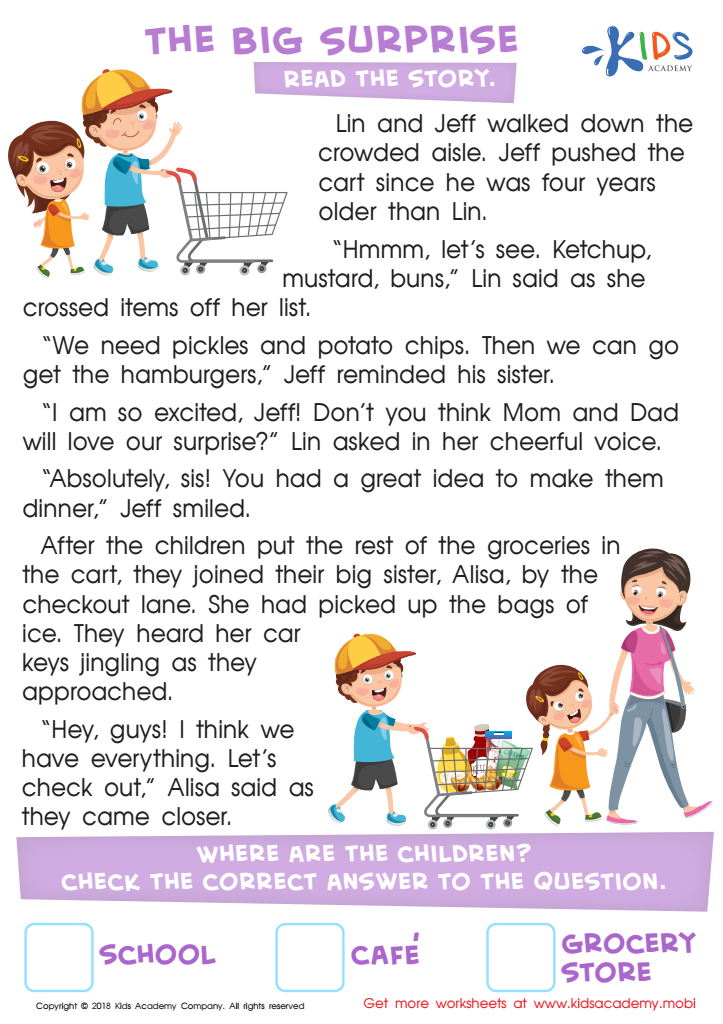
The Big Surprise Worksheet
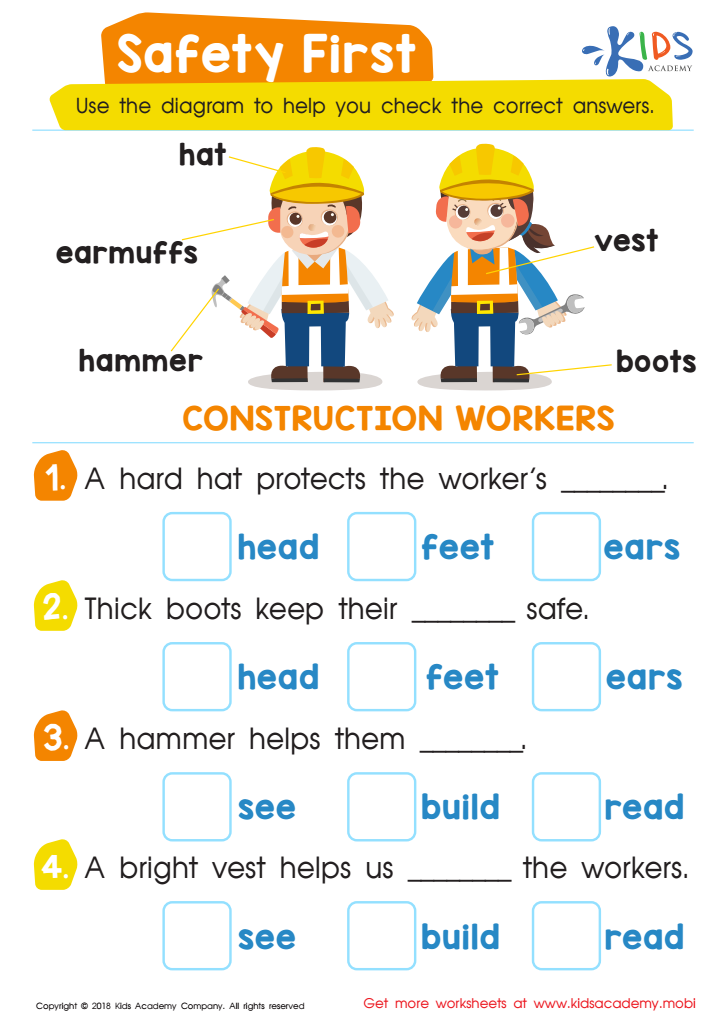
Safety First Worksheet
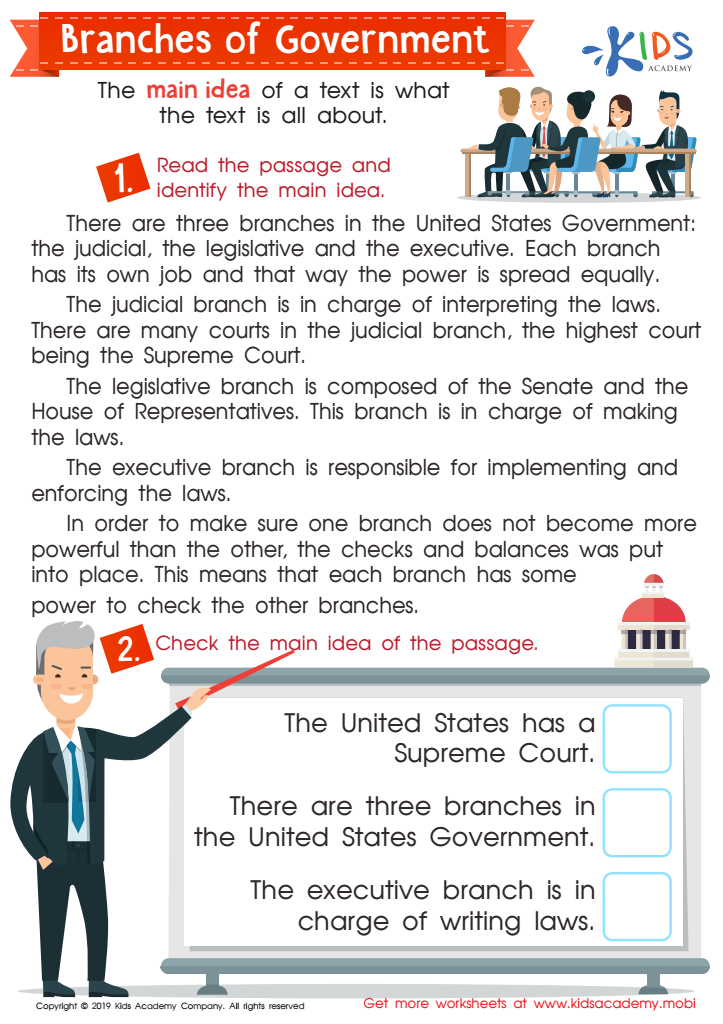
Branches of the Government Worksheet
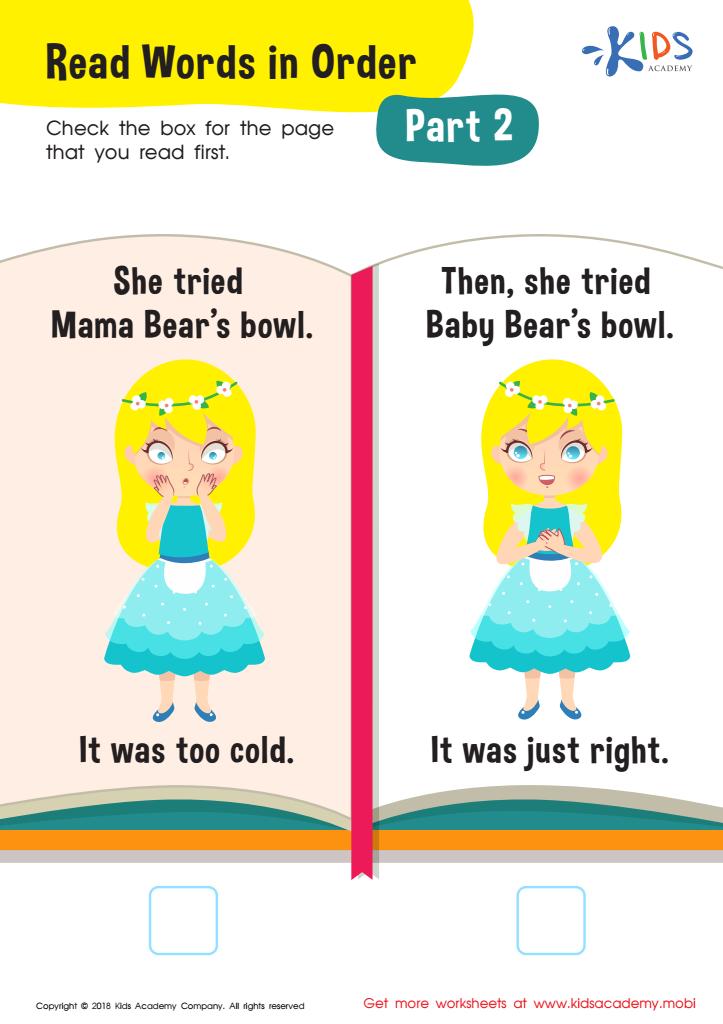
Read Words Order Part 2 Worksheet
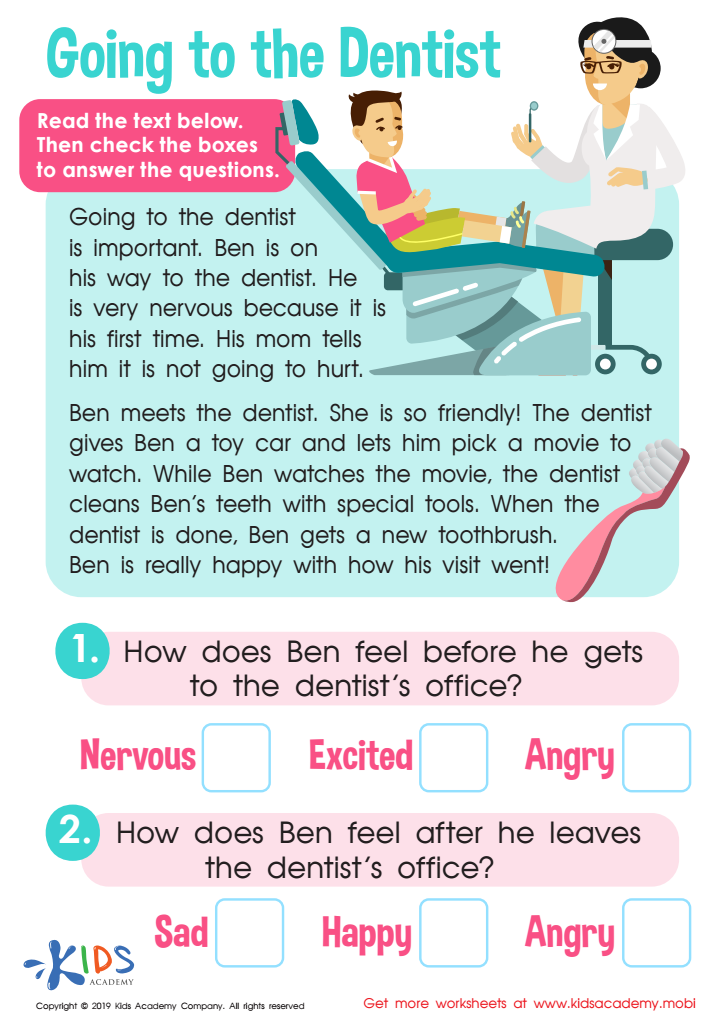
Going to the Dentist Worksheet
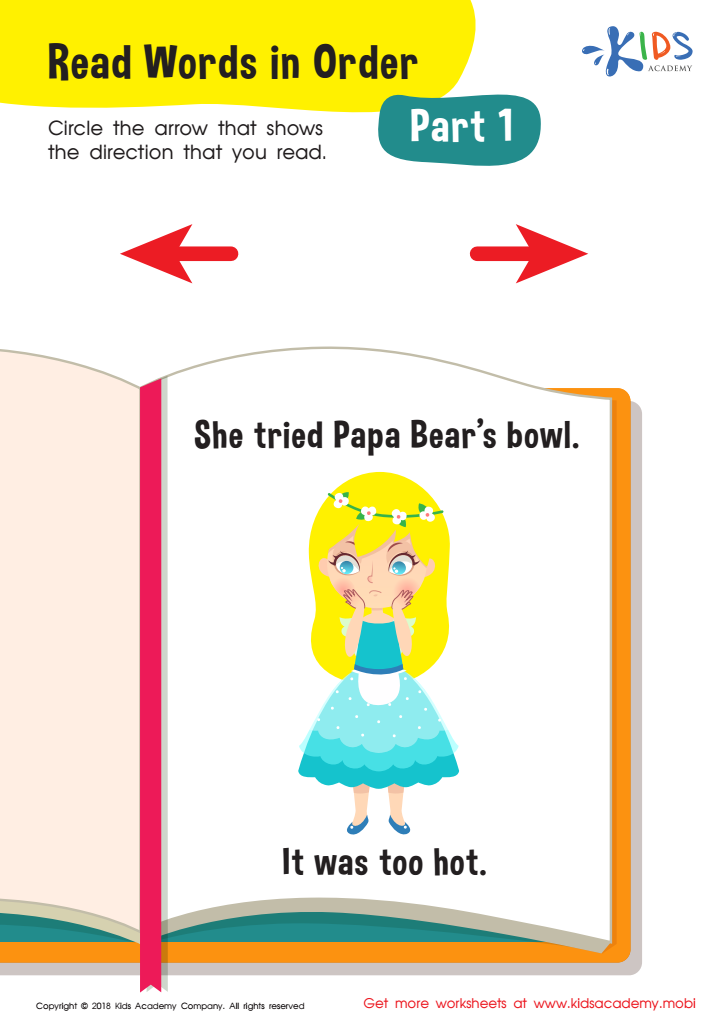
Read Words Order Part 1 Worksheet
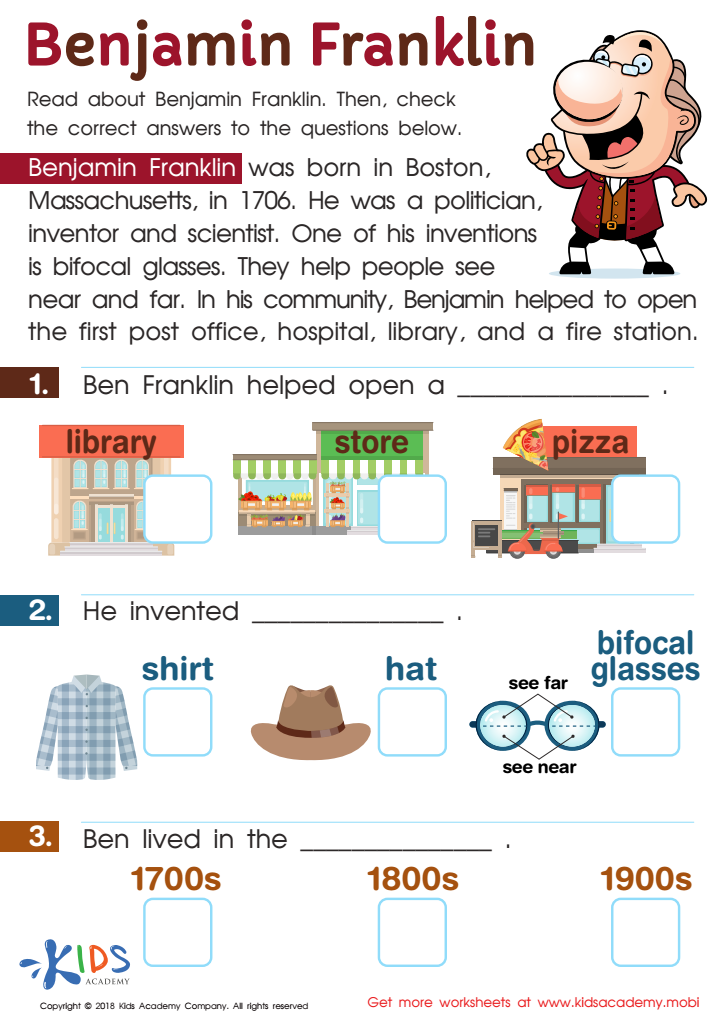
Benjamin Franklin Worksheet
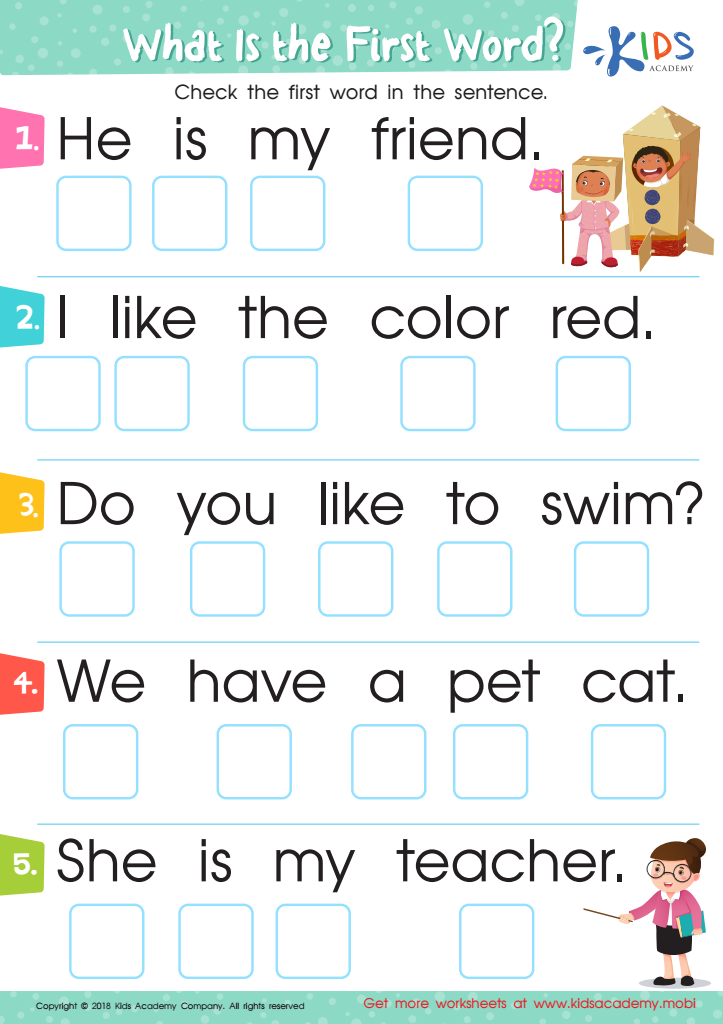
What is the First Word? Worksheet
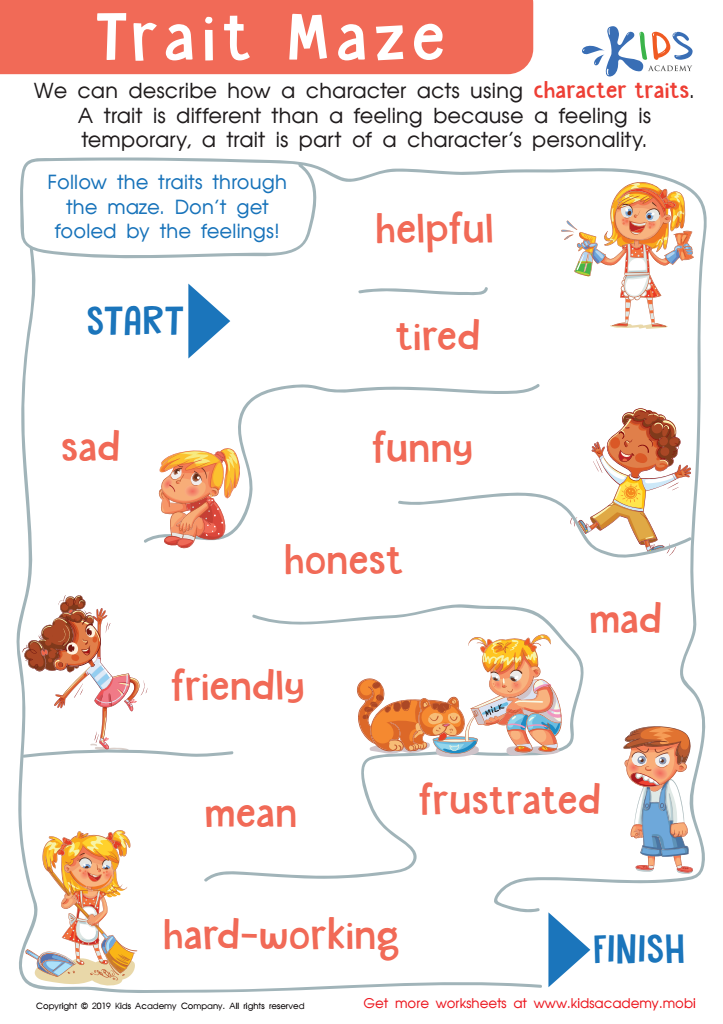
Trait Maze Worksheet
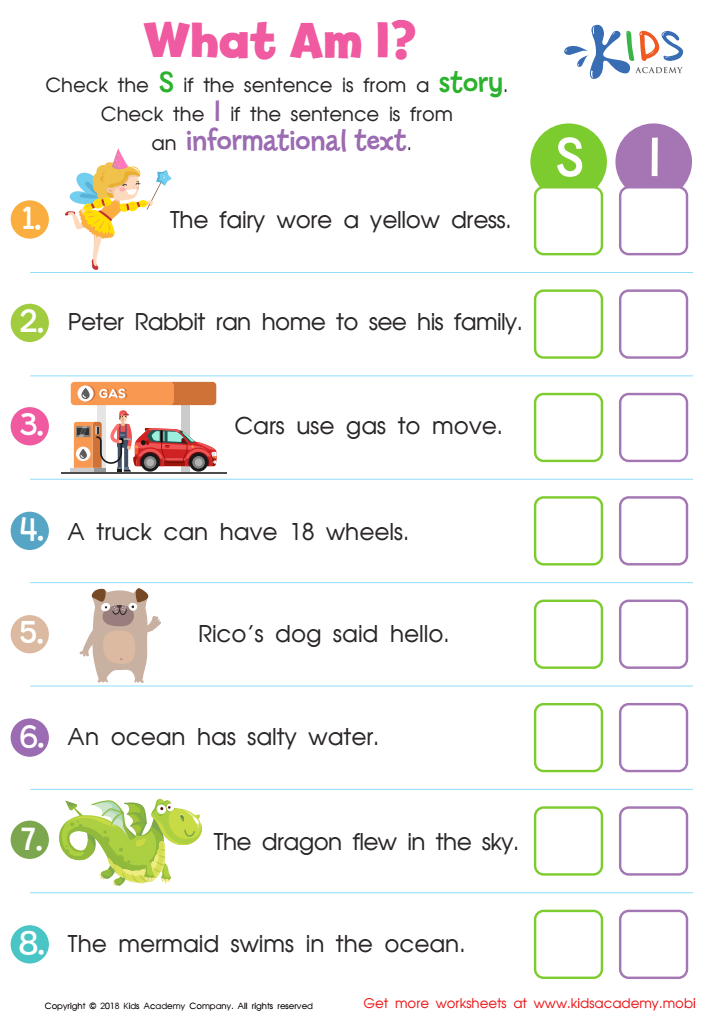
What Am I? Worksheet
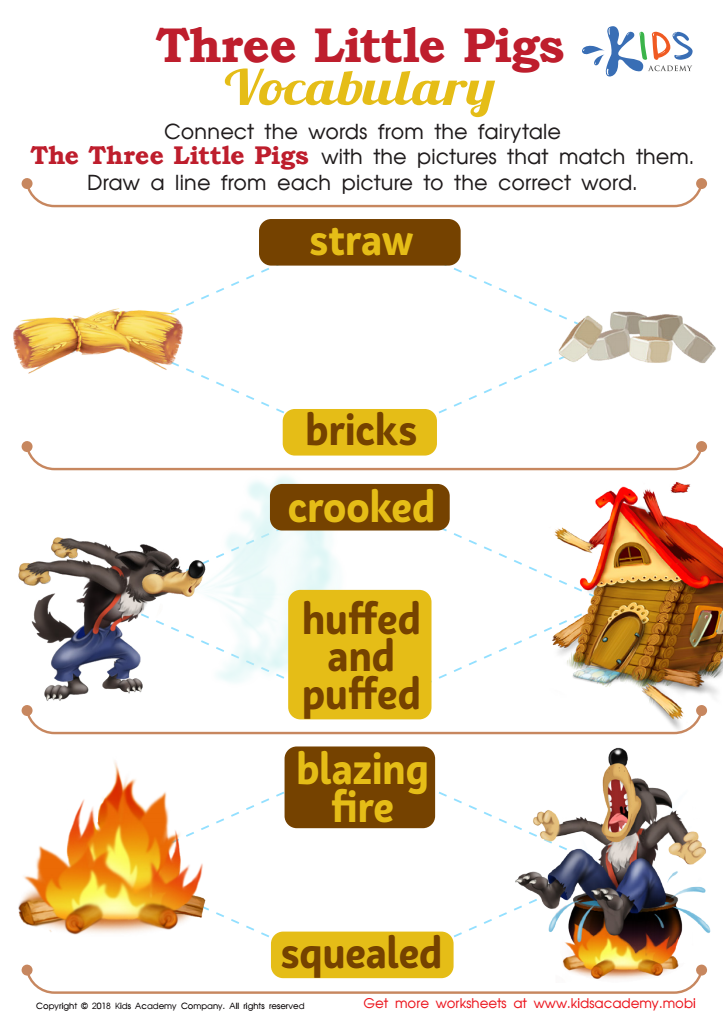
Three Little Pigs Vocabulary Worksheet
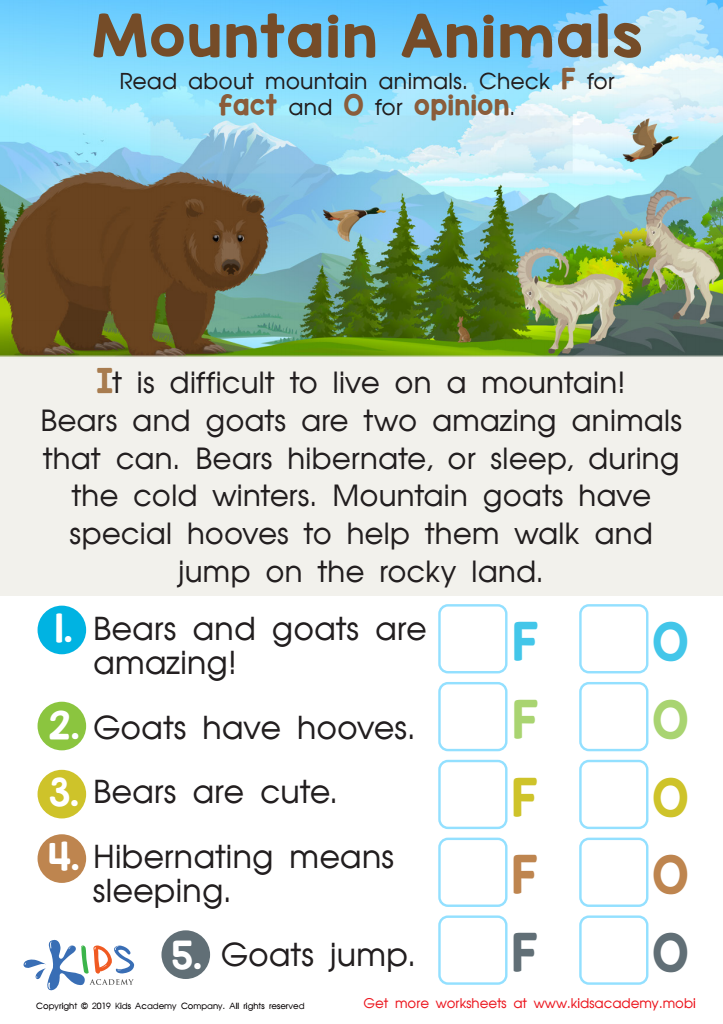
Mountain Animals Worksheet
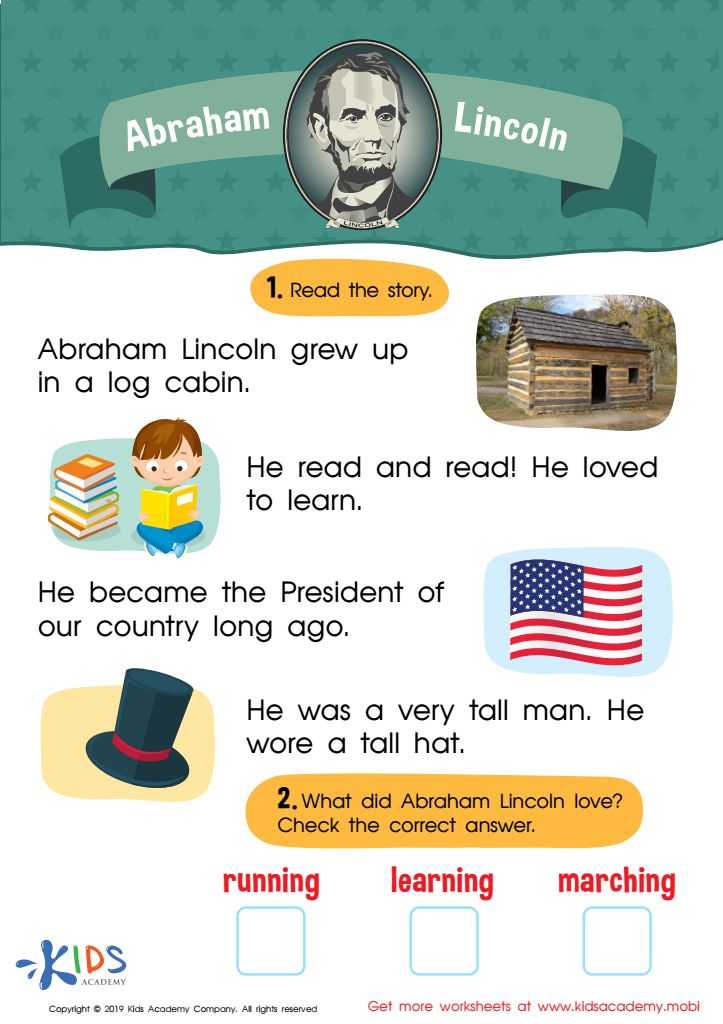
Abraham Lincoln Worksheet
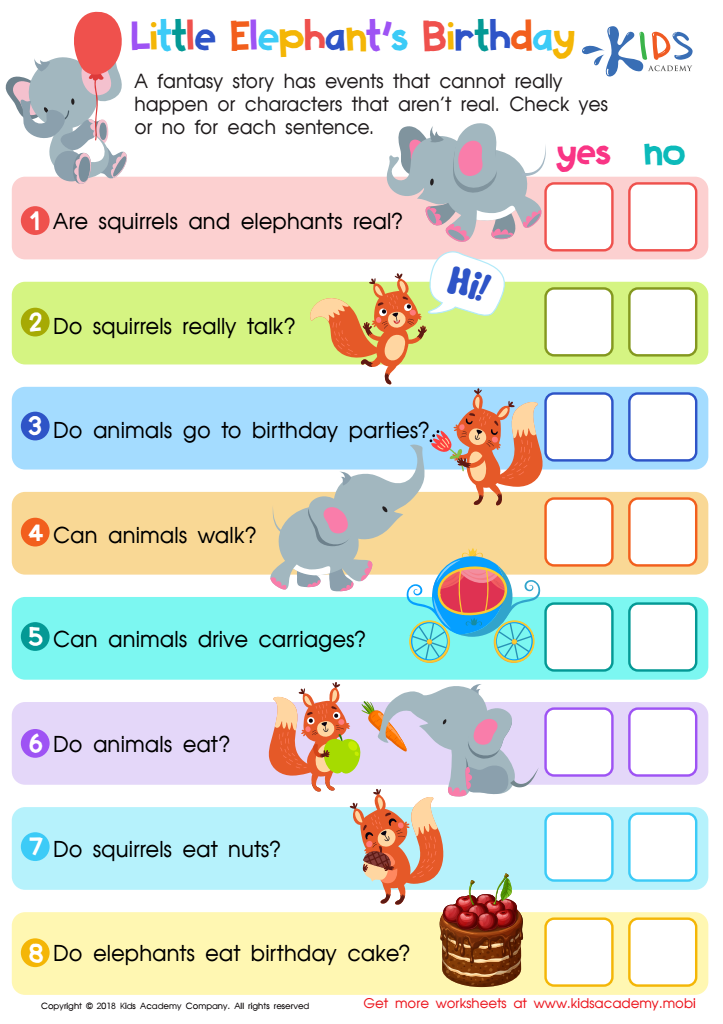
Little Elephant's Birthday Worksheet
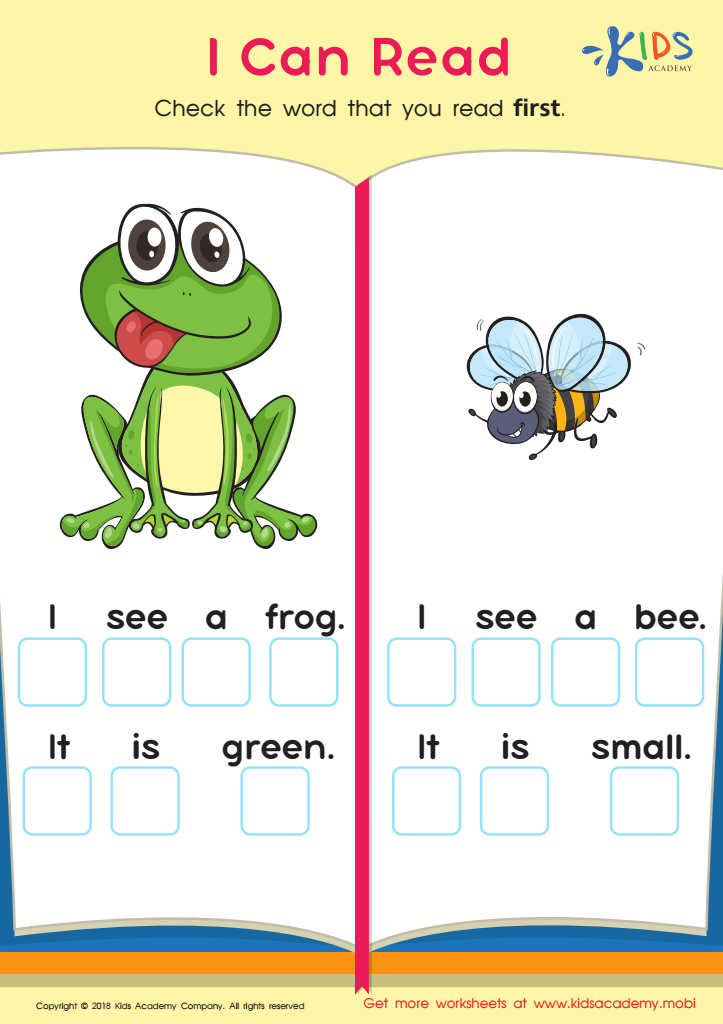
I Can Read Worksheet
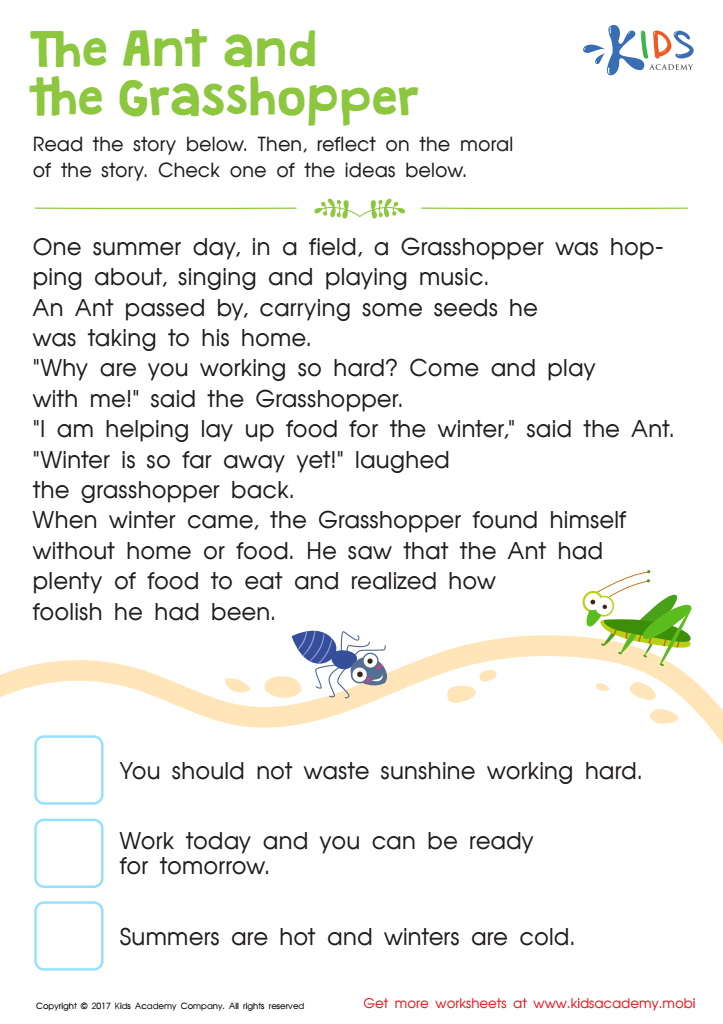
The Ant and The Grasshopper Printable
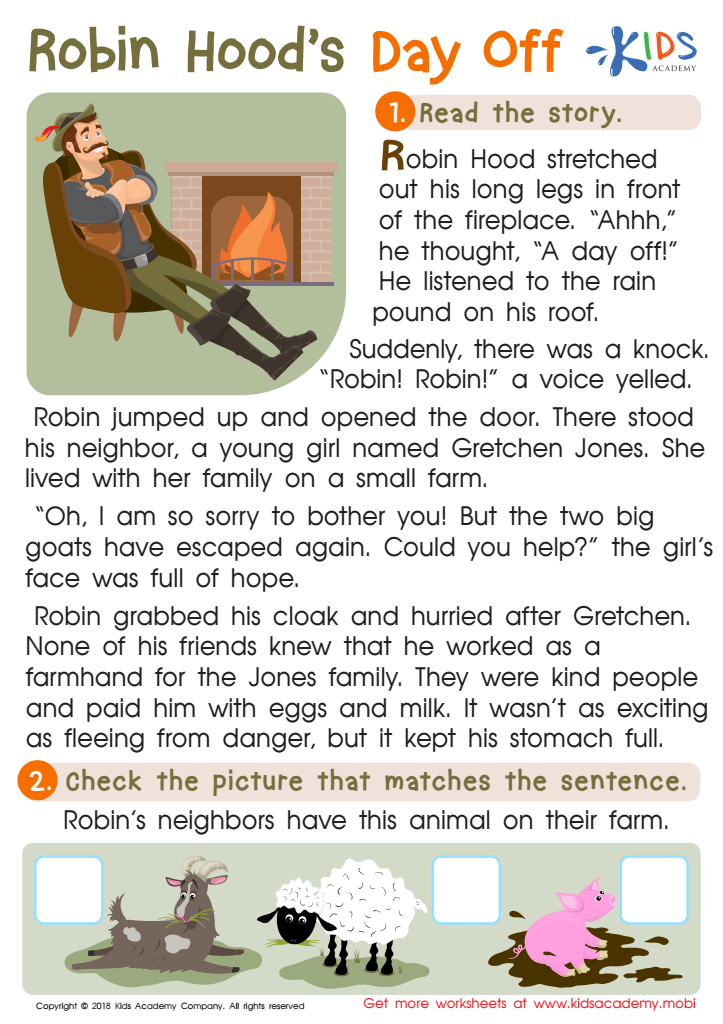
Robin Hood's Day Off Worksheet
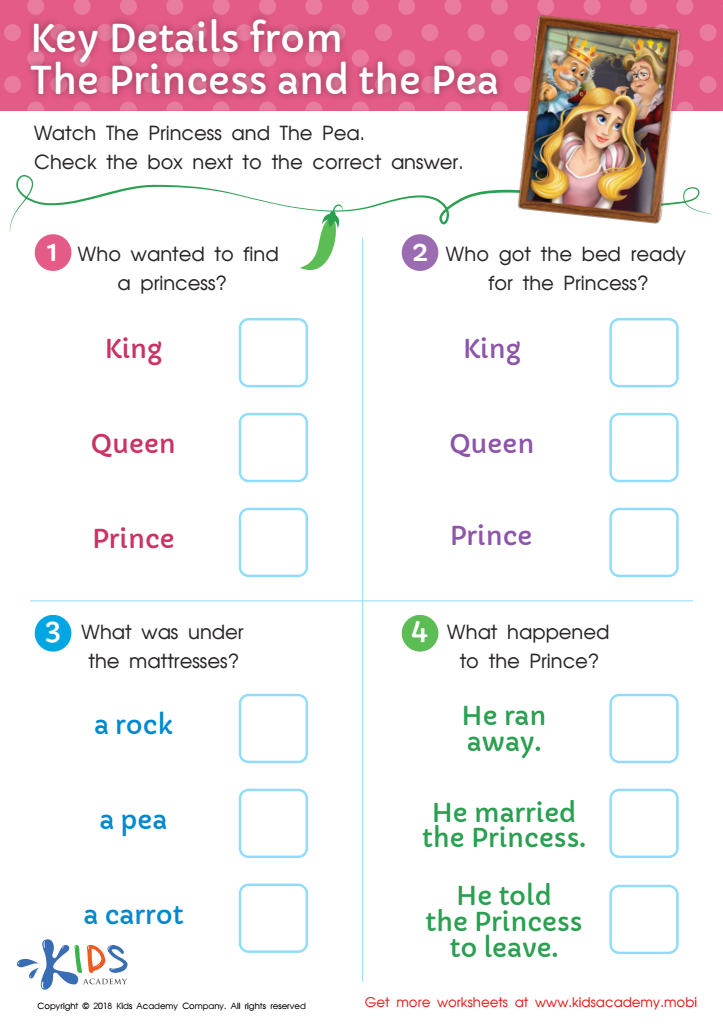
Key Details from the Princess and the Pea Worksheet
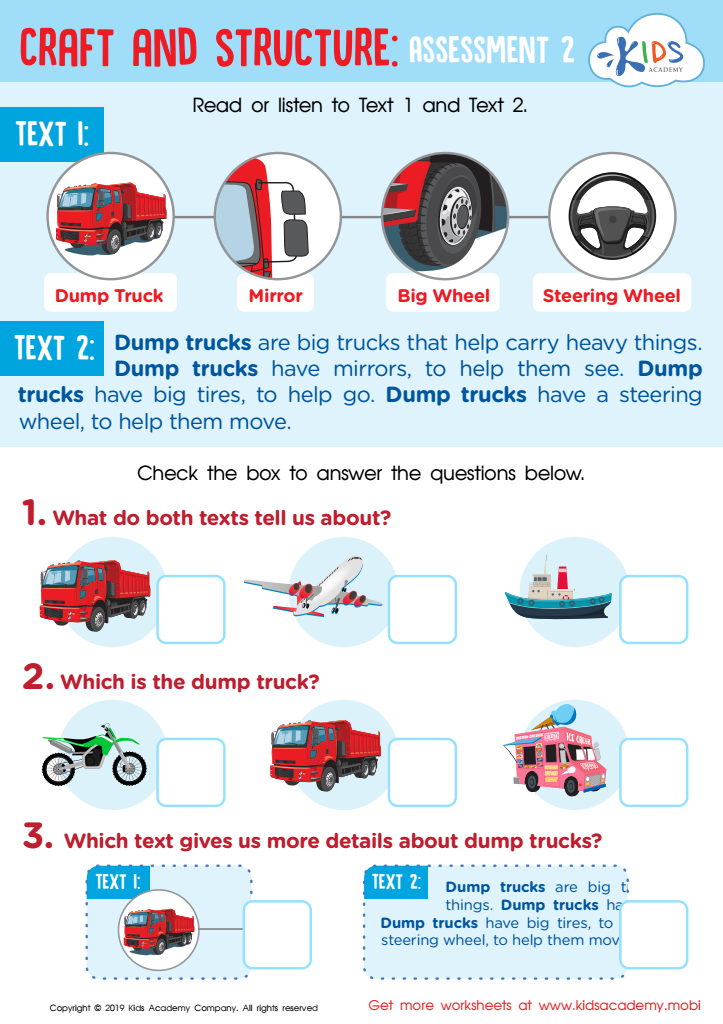
Craft and Structure: Assessment 2 Worksheet
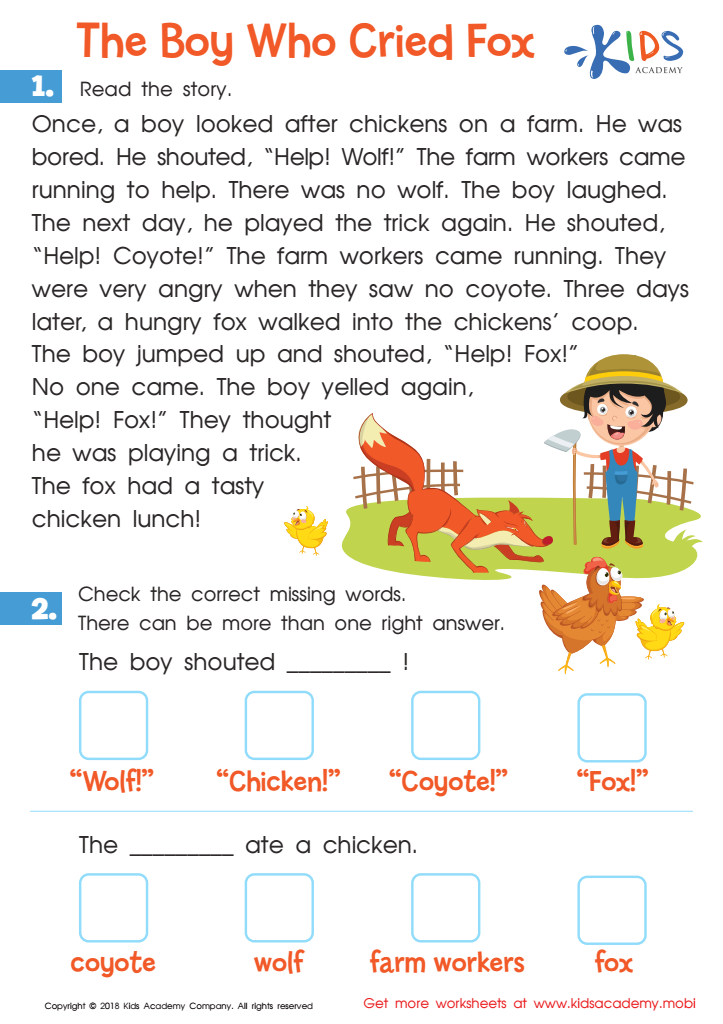
The Boy Who Cried Fox Worksheet
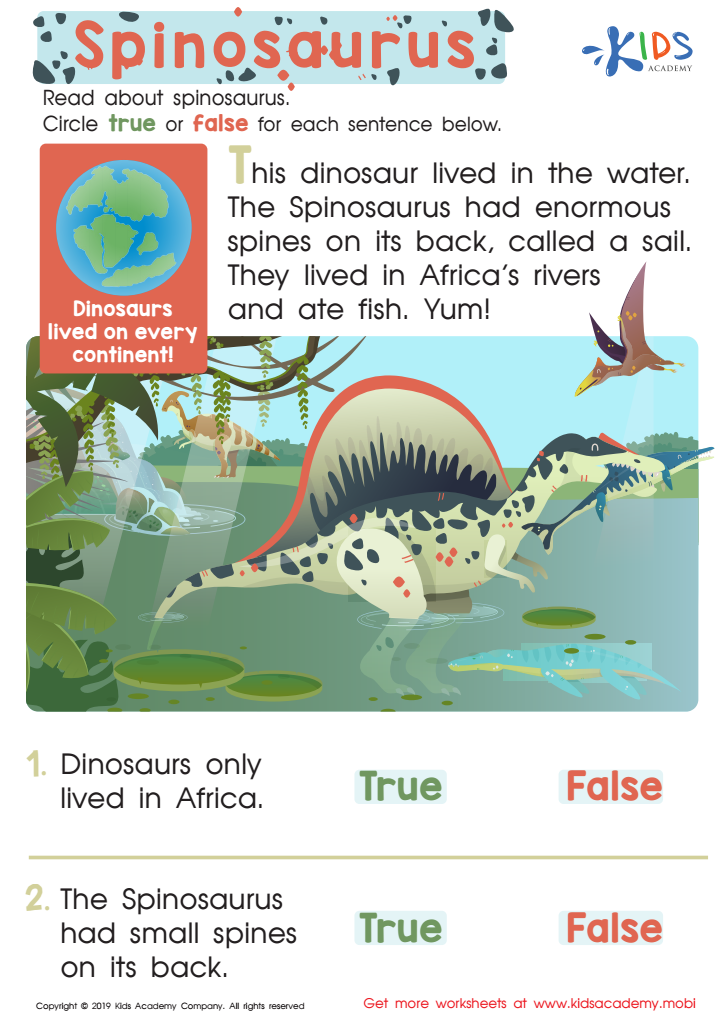
Spinosaurus Assessment Worksheet
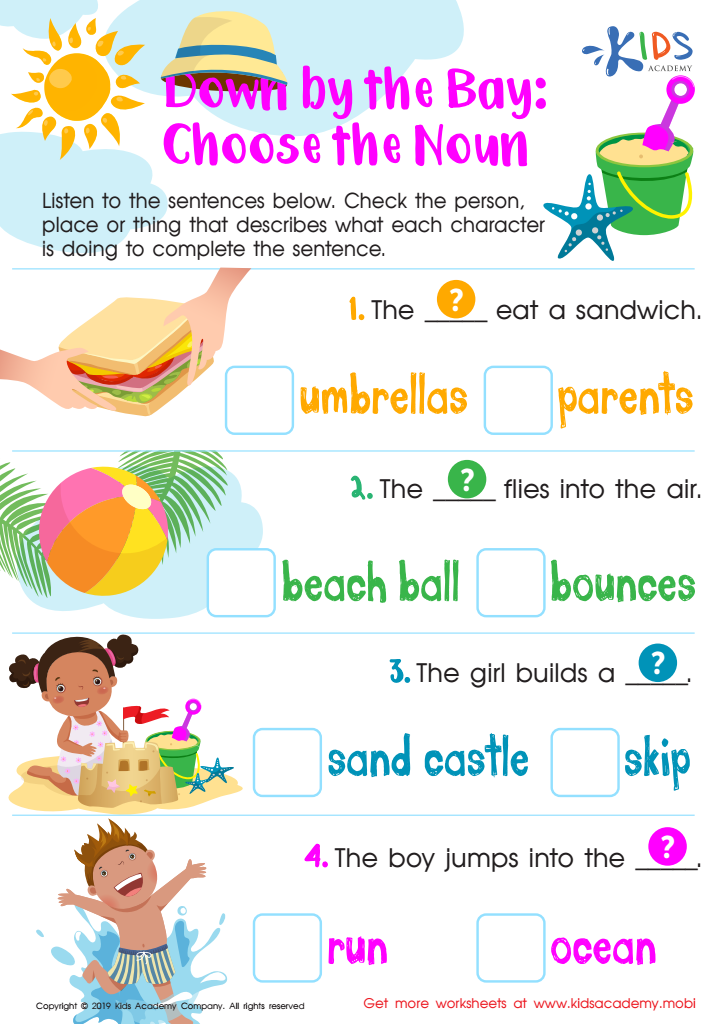
Down by the Bay: Choose the Noun Worksheet








Understanding normal reading comprehension development for ages 6-9 is crucial for parents and teachers as it lays the foundation for a child’s long-term academic success. At this age, children transition from learning to read to reading to learn. Comprehension skills not only help them grasp the meaning of texts but also enhance their ability to think critically and analytically.
Parents and teachers must recognize that milestones vary, and each child develops at their own pace. By monitoring comprehension abilities, adults can identify when a child may need additional support or interventions, preventing future struggles in more complex subjects like math and science that heavily rely on comprehension skills.
Promoting reading comprehension fosters vocabulary expansion, which is vital for effective communication and literacy. Moreover, discussions about stories improve children's ability to articulate their thoughts, build empathy, and enjoy literature.
Encouraging a love for reading through engaging books and discussions can strengthen comprehension skills while nurturing a lifelong passion for learning. Ultimately, staying informed on these benchmarks aids in setting realistic expectations and providing tailored support, ensuring each child reaches their full potential in reading and overall education.








