Normal Physical Science Worksheets for Ages 6-9 - Page 3
71 filtered results
-
From - To
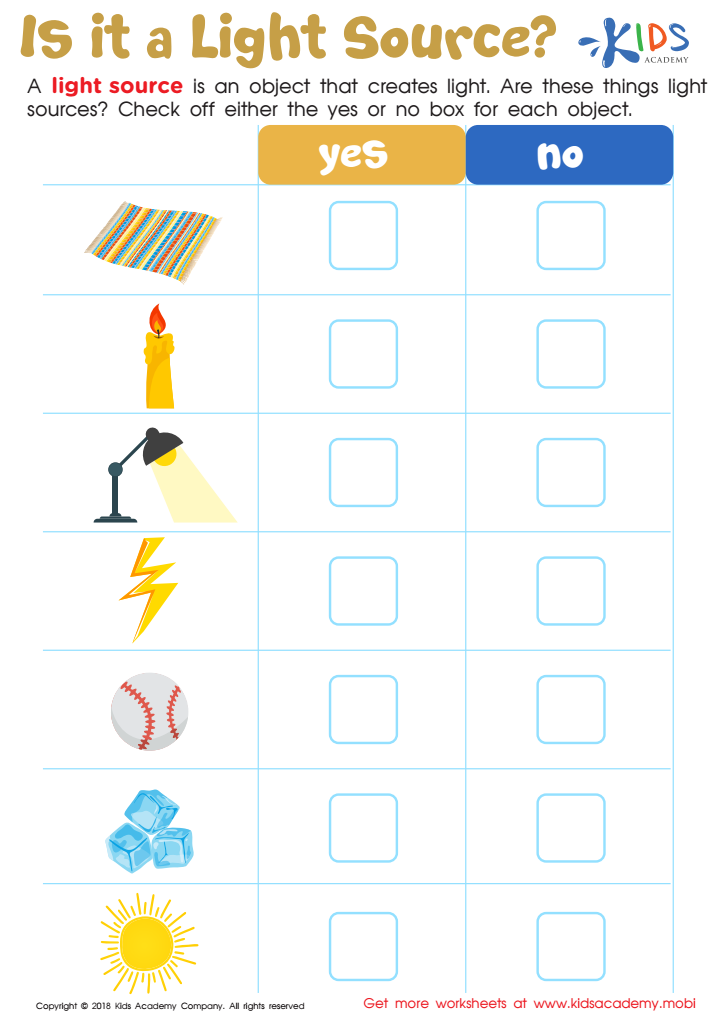
Is It a Light Source? Worksheet
 Assign to My Students
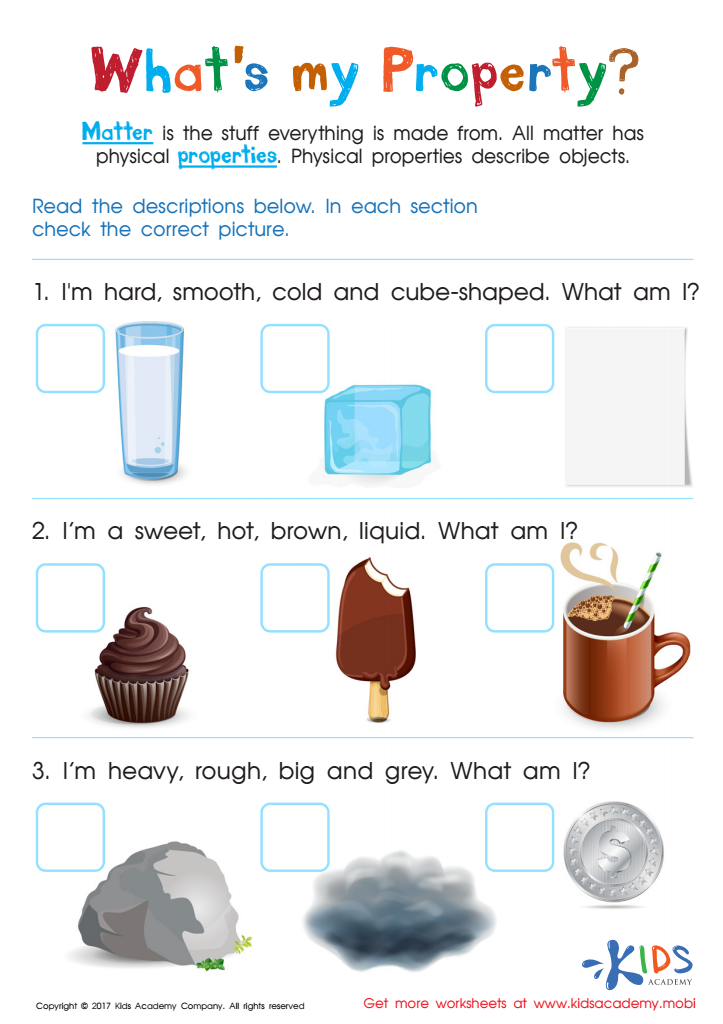
Physical Properties Of Matter Worksheet
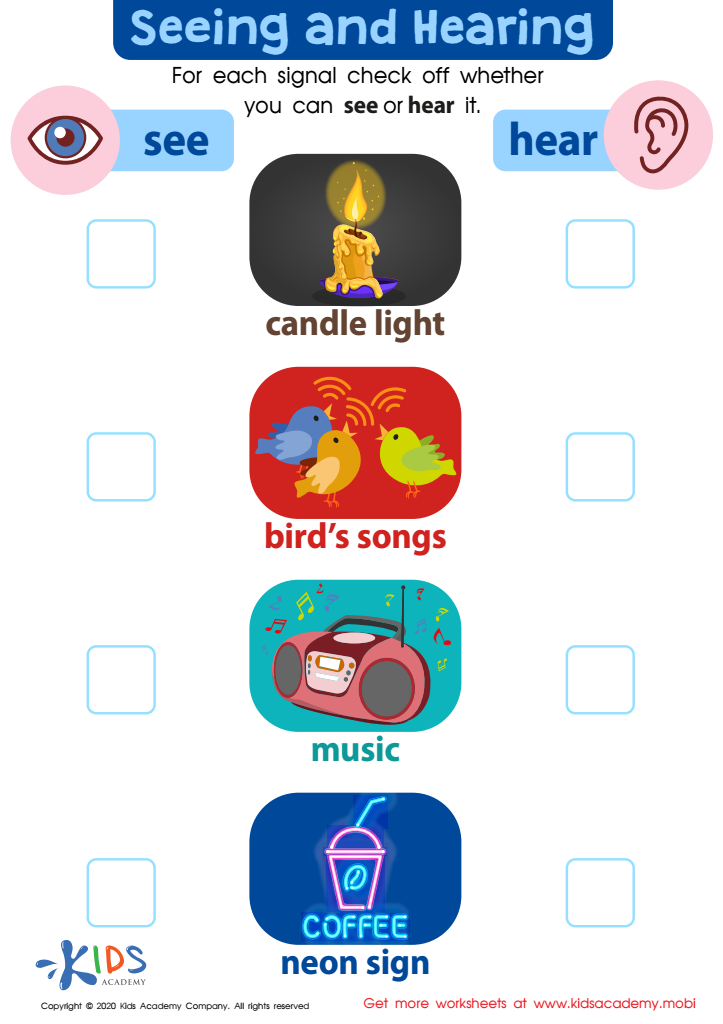
Seeing and Hearing Worksheet
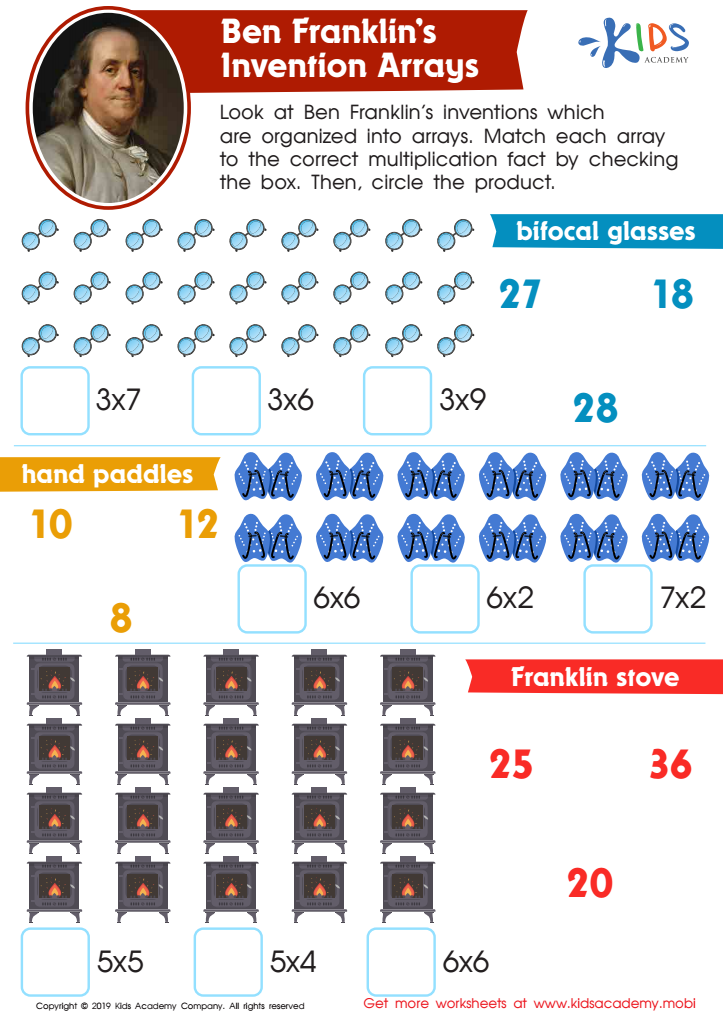
Ben Franklin’s Invention Arrays Worksheet
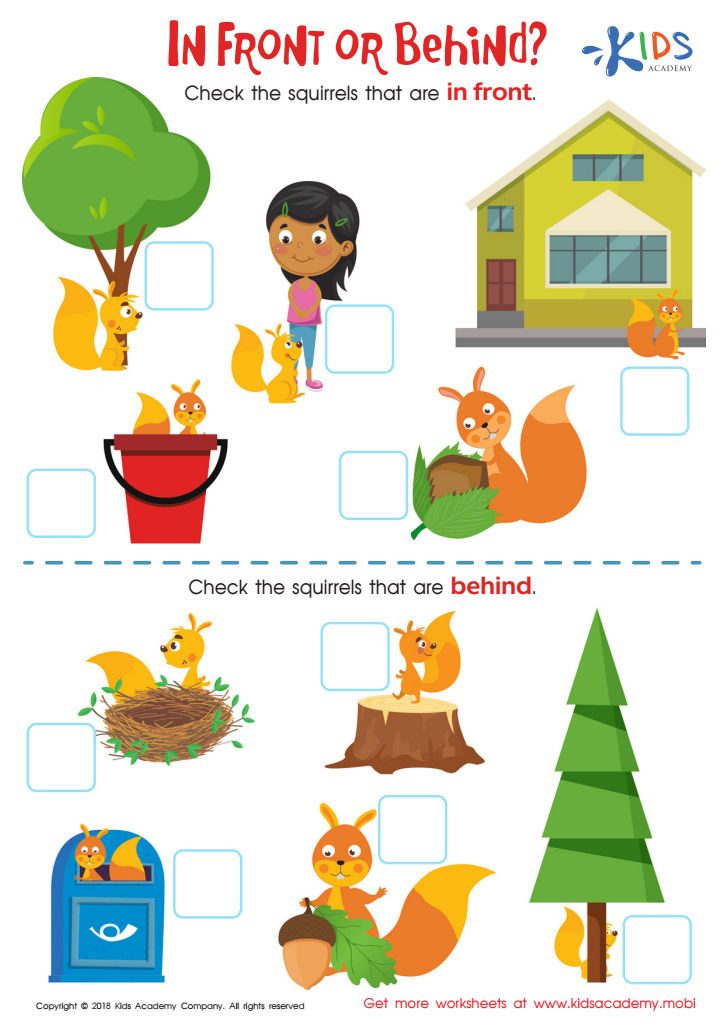
In Front or Behind: Part 2 Worksheet
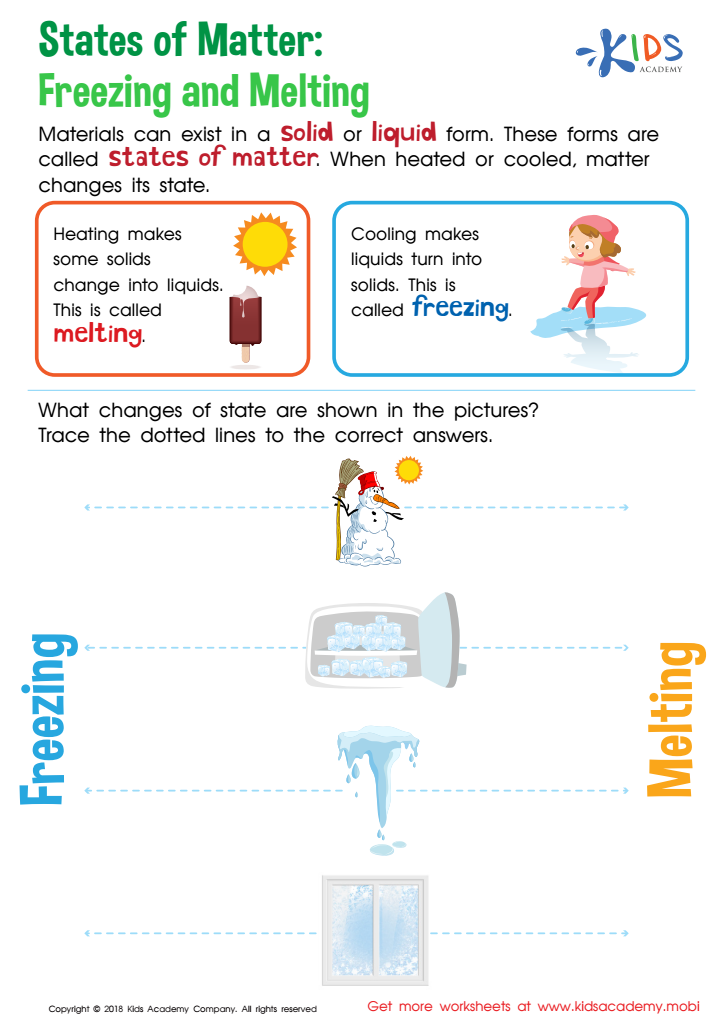
States of Matter: Freezing and Melting Worksheet
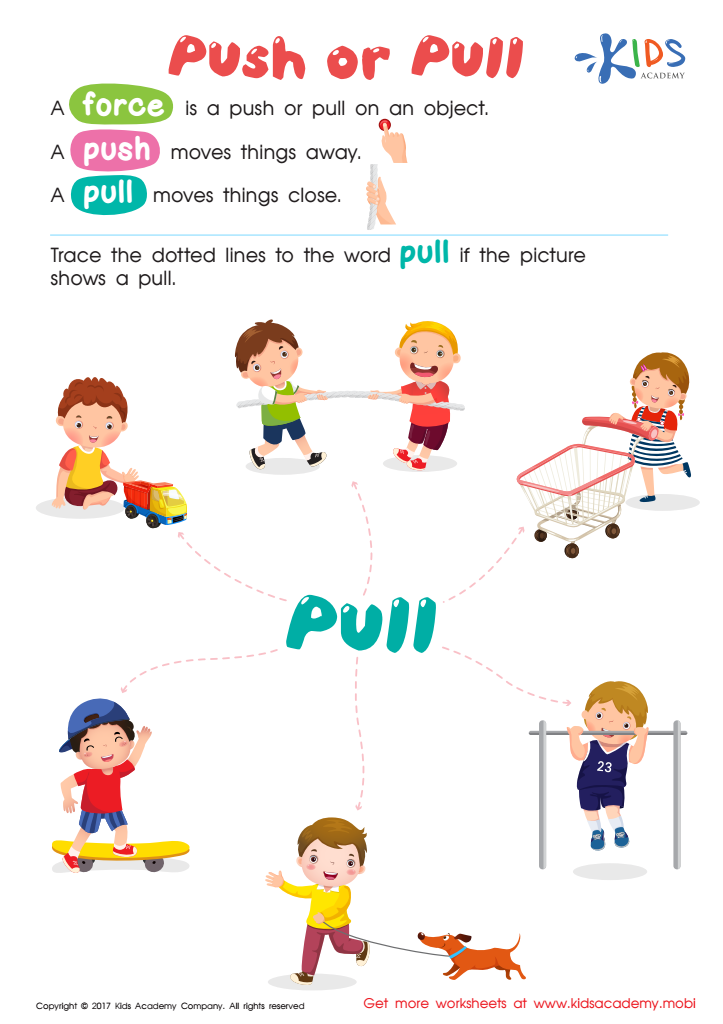
Pull or Push Worksheet
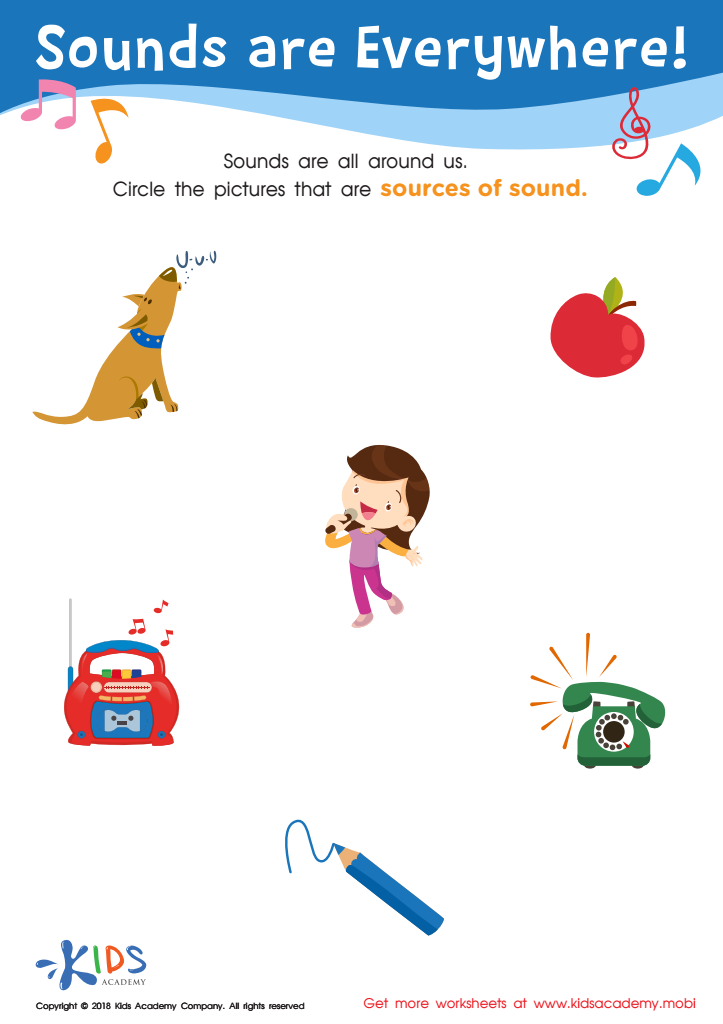
Sounds Are Everywhere! Worksheet
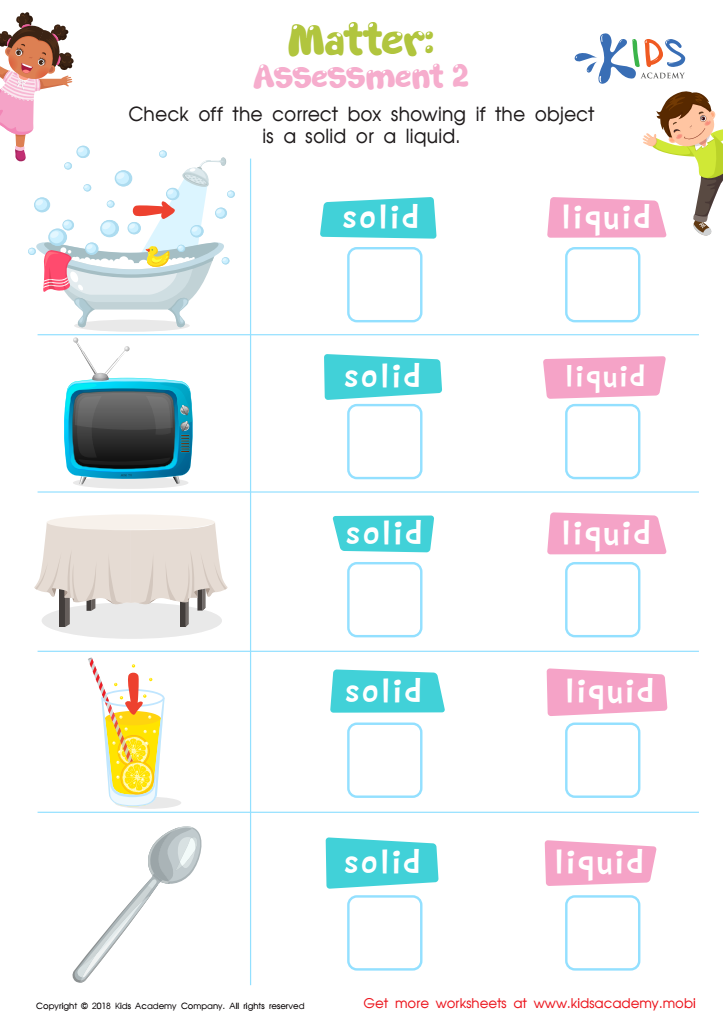
Matter: Assessment 2 Worksheet
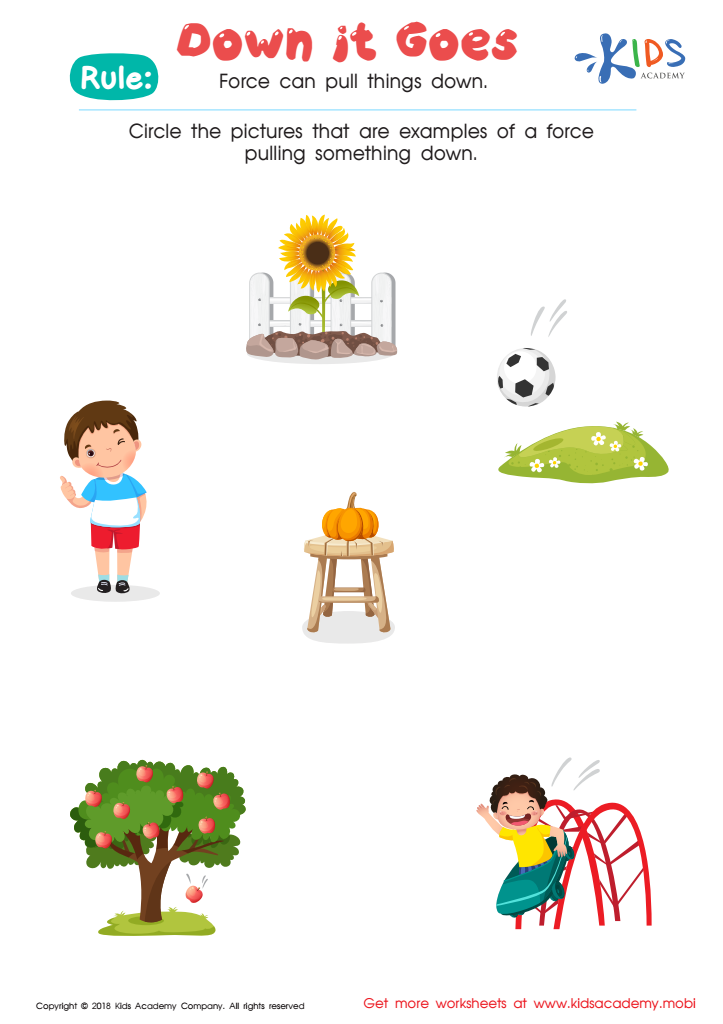
Down it Goes Worksheet
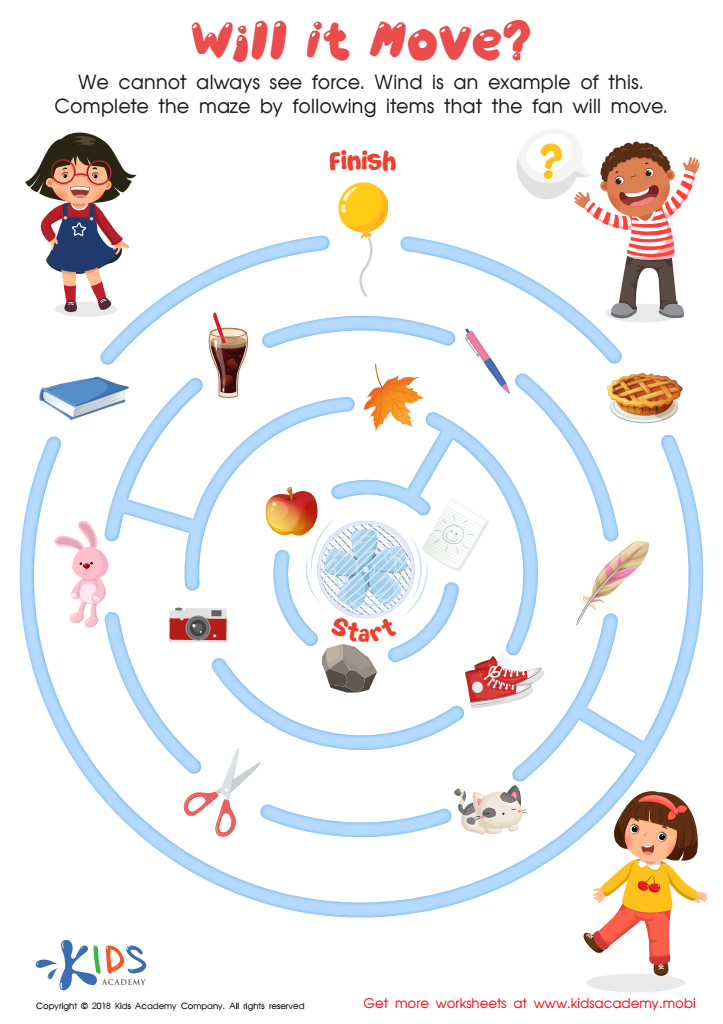
Will it Move? Worksheet
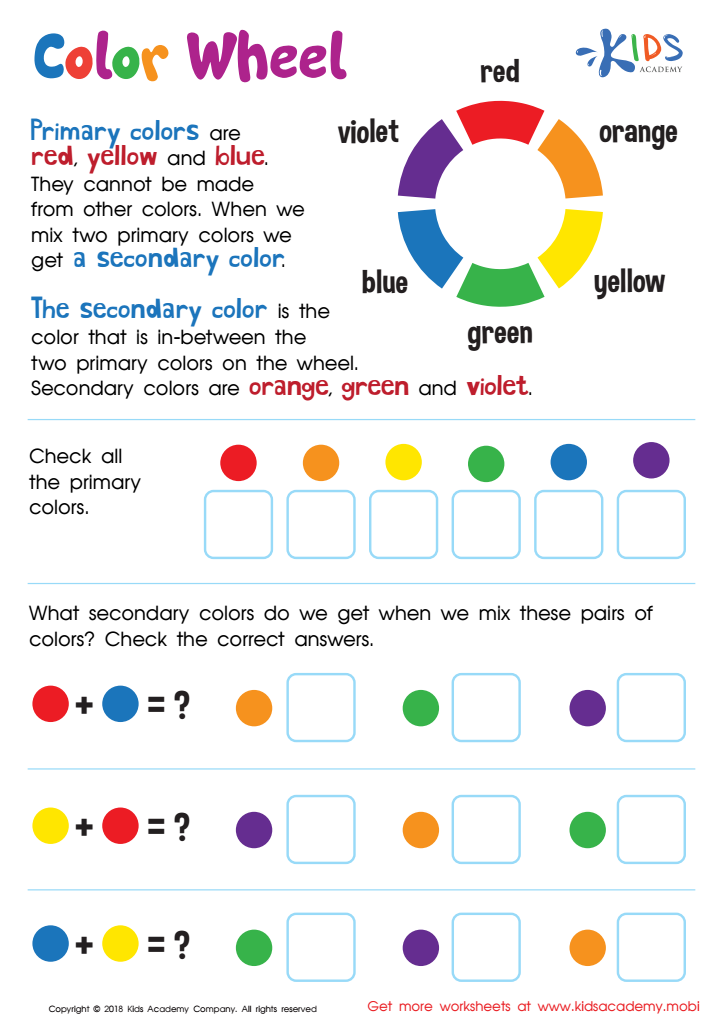
Primary and Secondary Colors Worksheet
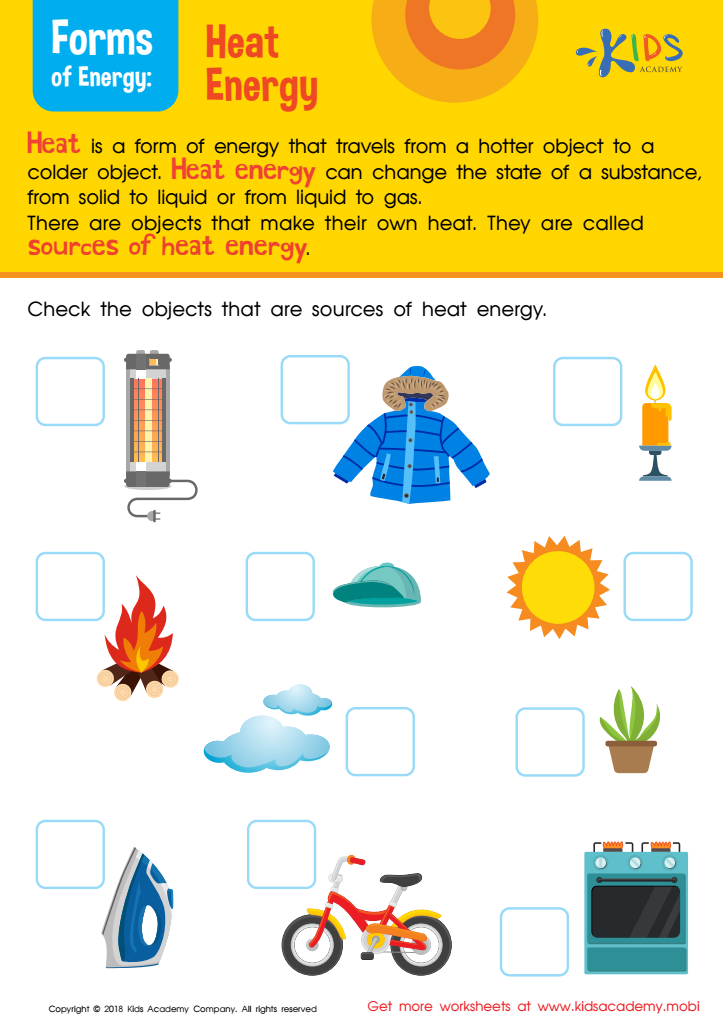
Sources of Heat Energy Worksheet
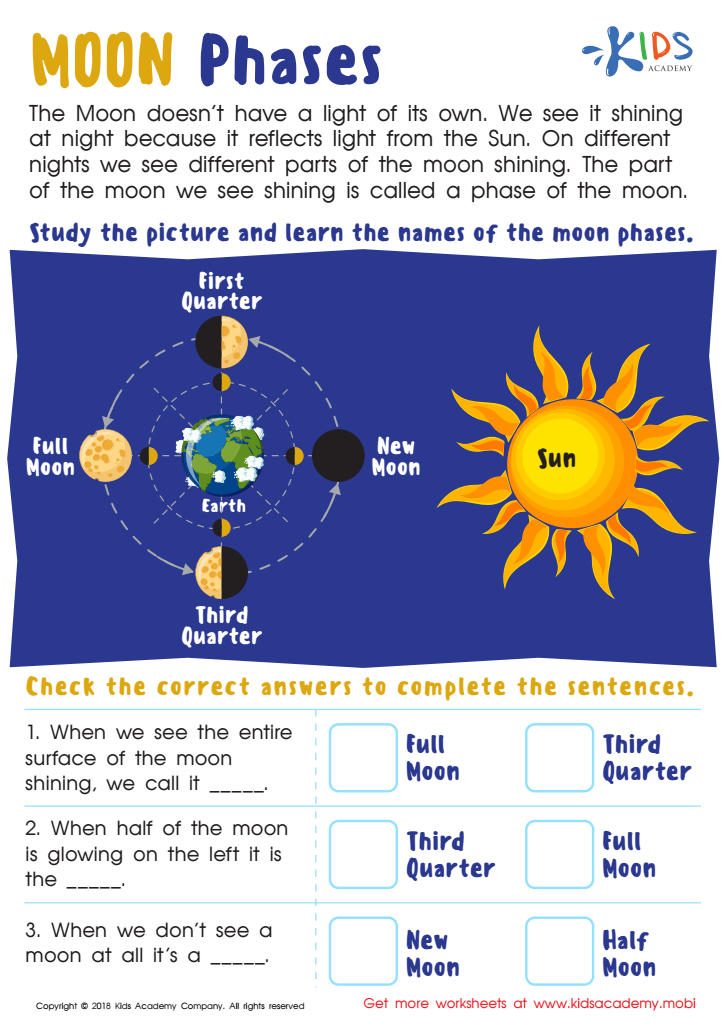
Moon Phases Worksheet
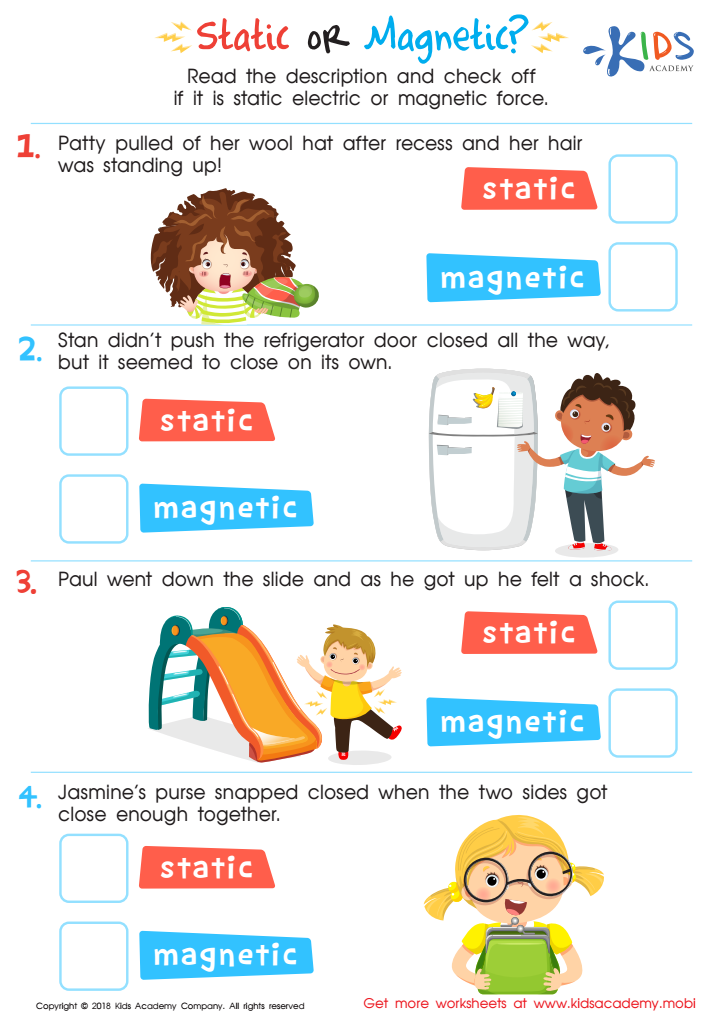
Static or Magnetic Printable Worksheet
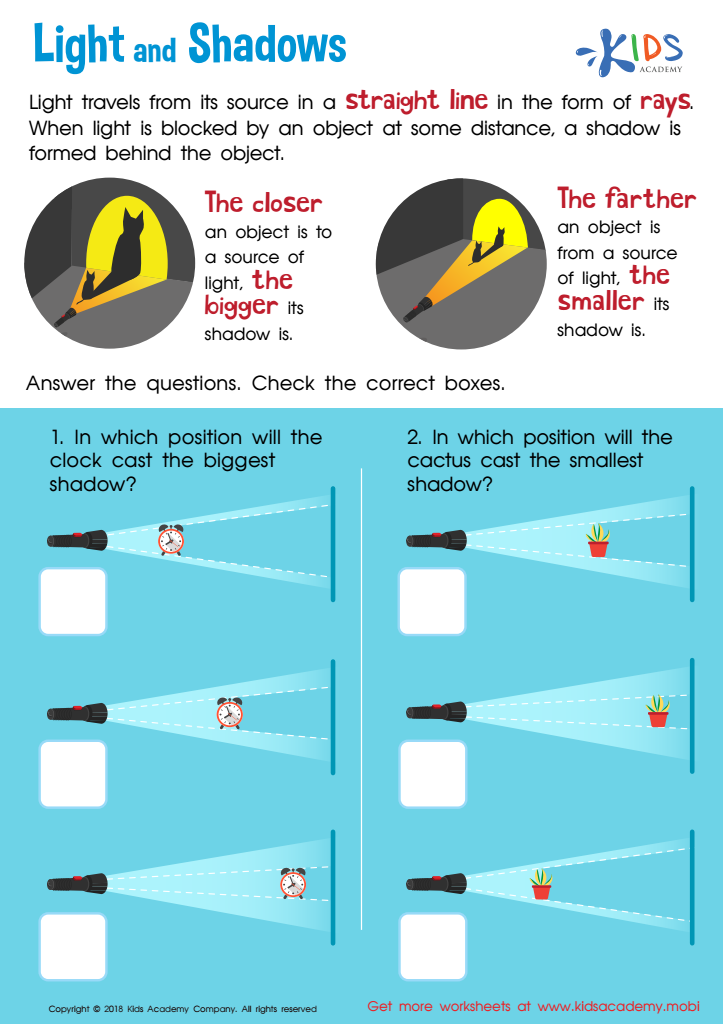
Light and Shadow Worksheet for Grade 3
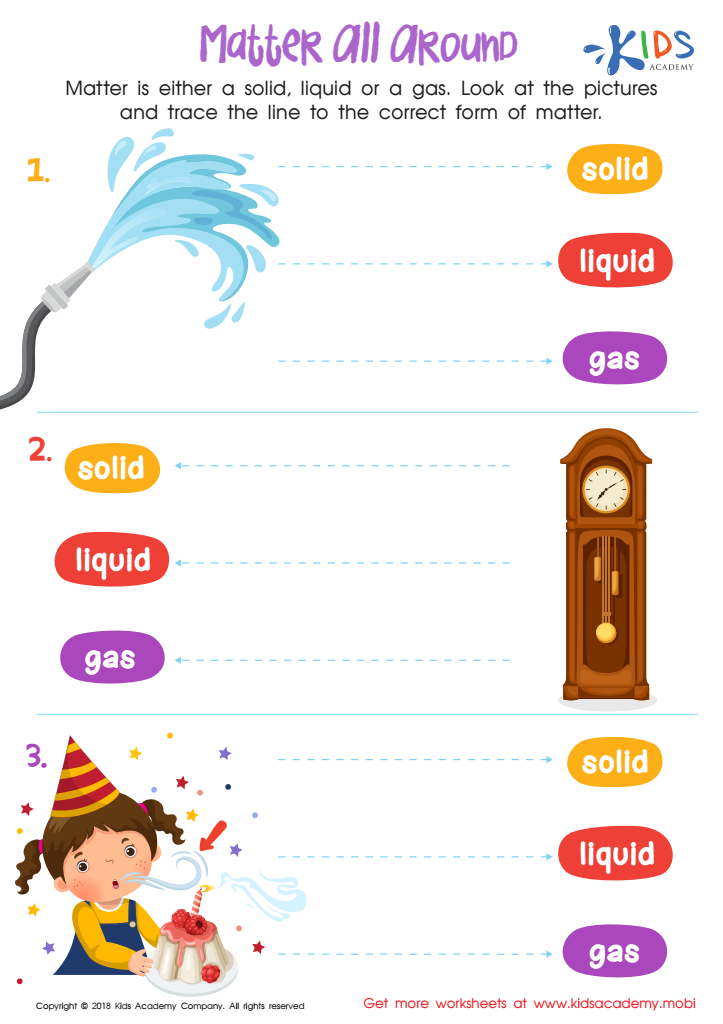
Matter all Around Worksheet
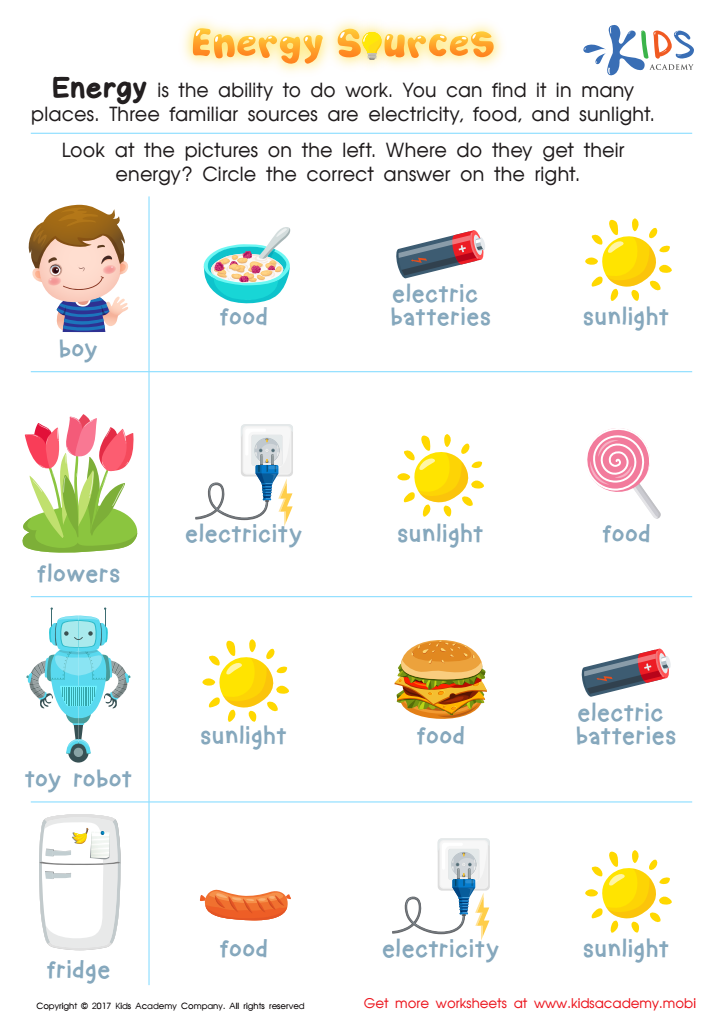
Energy Sources Printable
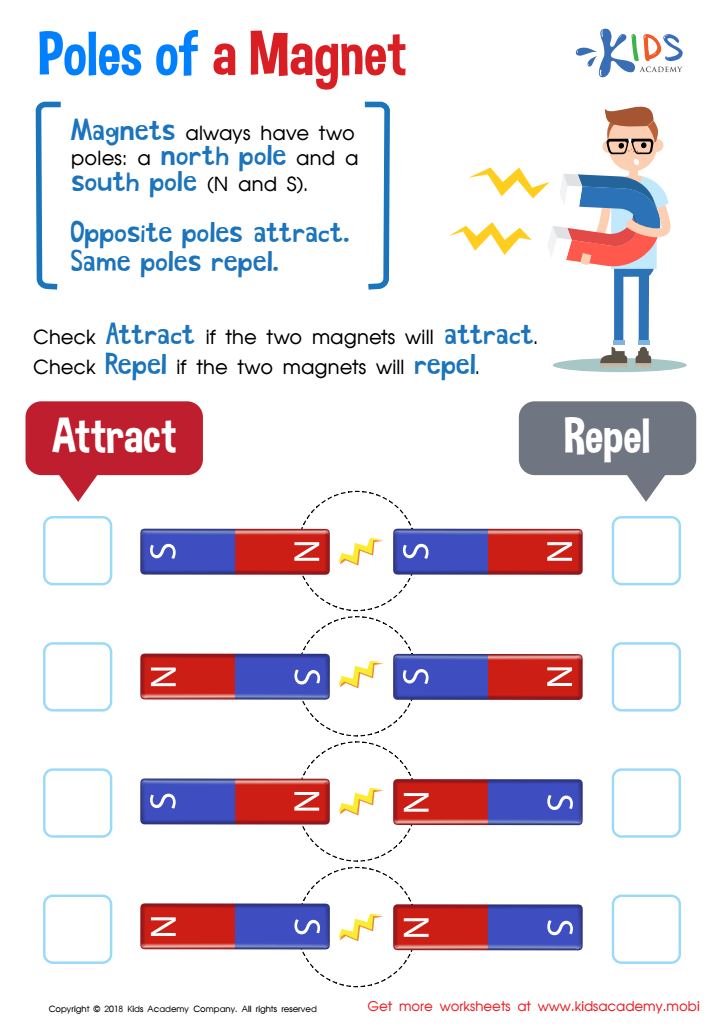
Magnet Poles Attract or Repel Worksheet
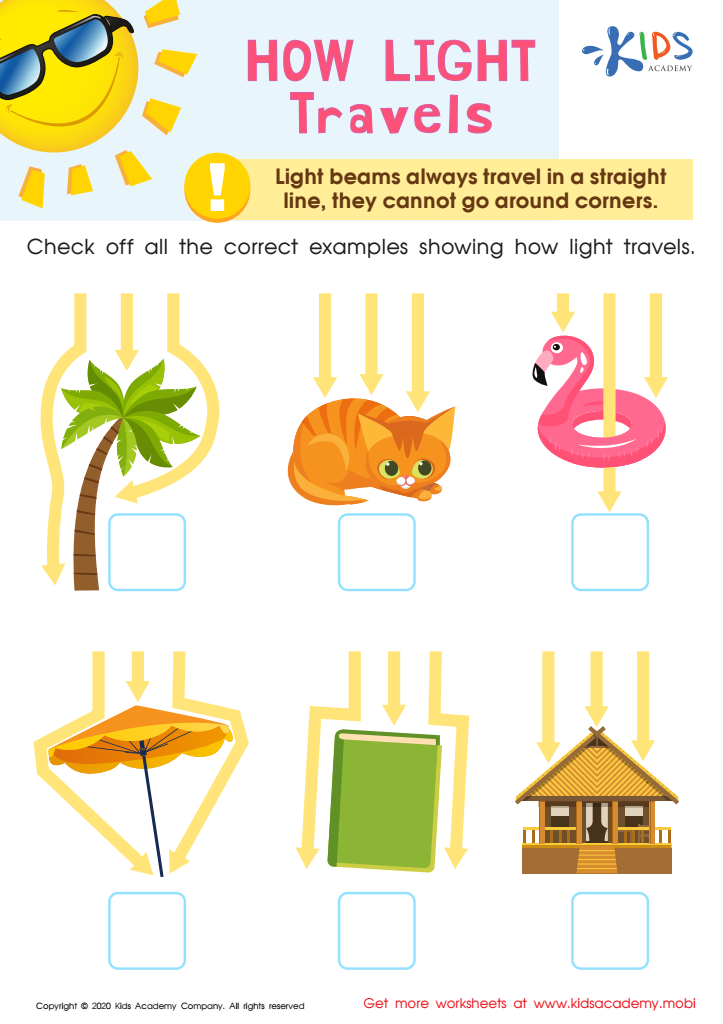
How Light Travels Worksheet
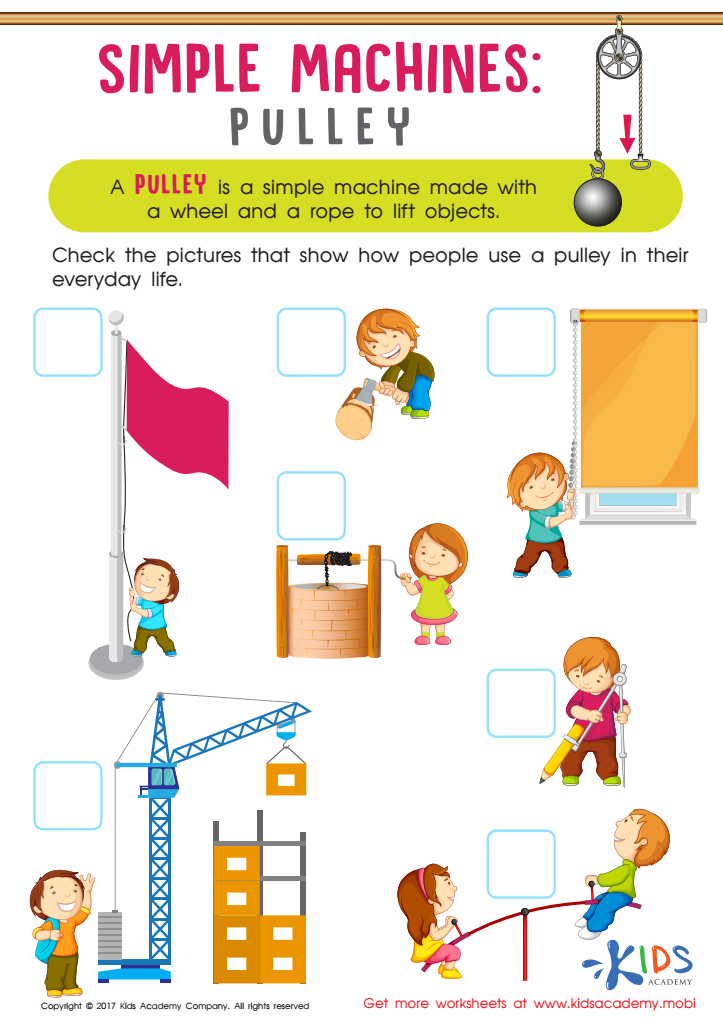
Simple Machines Pulley Worksheet
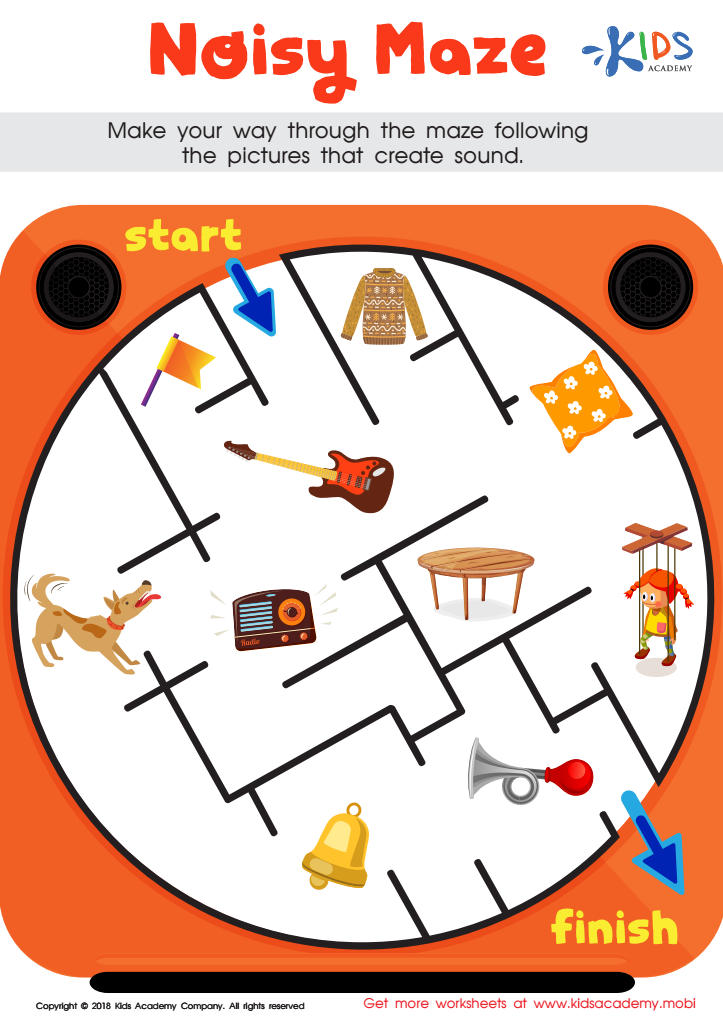
Noisy Maze Worksheet
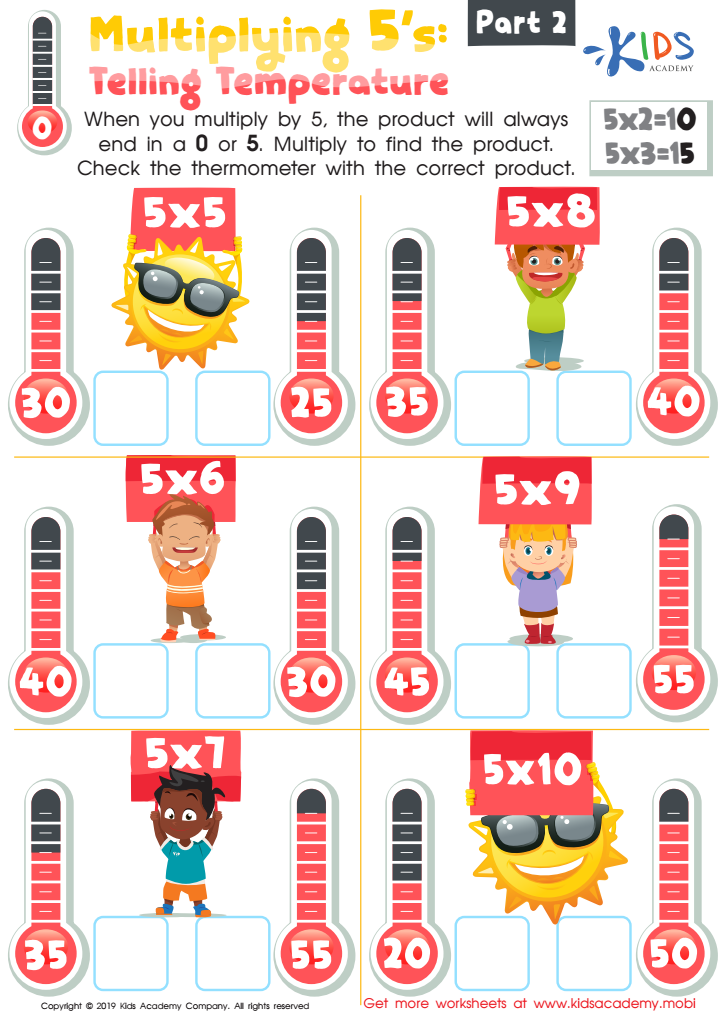
Multiplying 5’s: Telling Temperature Part 2 Worksheet






.jpg)

Normal Physical Science for Ages 6-9 is crucial for the development of foundational scientific understanding in young learners. At this early age, children possess natural curiosity and an innate desire to explore the world around them. Introducing them to physical science concepts can nurture this curiosity and help them make sense of everyday phenomena, from understanding why the sky is blue to how magnets work.
Engaging with physical science strengthens critical thinking and problem-solving skills. Children learn to ask questions, make observations, form hypotheses, and draw conclusions—key components of scientific inquiry. This process encourages a growth mindset, teaching them that learning comes from exploration, experimentation, and sometimes failure.
Moreover, early exposure to science fosters a lifelong appreciation for the subject, possibly sparking interest in future science, technology, engineering, and mathematics (STEM) careers. Additionally, integrating physical science into learning aligns with educational standards, preparing students for more advanced topics as they progress through school.
By embracing Normal Physical Science, parents and teachers not only enrich children’s educational experiences but also equip them with essential skills that will benefit them in all areas of life. Understanding the world through science empowers young minds and contributes to a more informed society.







