Color recognition Easy Worksheets for Ages 3-4 - Page 2
30 filtered results
-
From - To
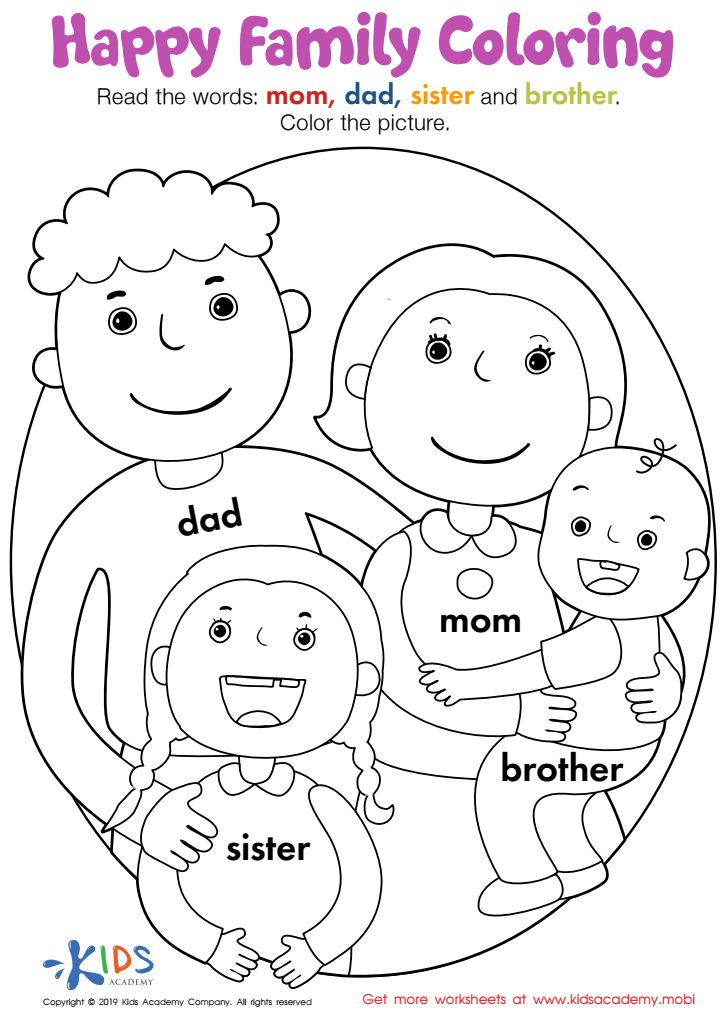
Happy Family Coloring Worksheet
 Assign to My Students
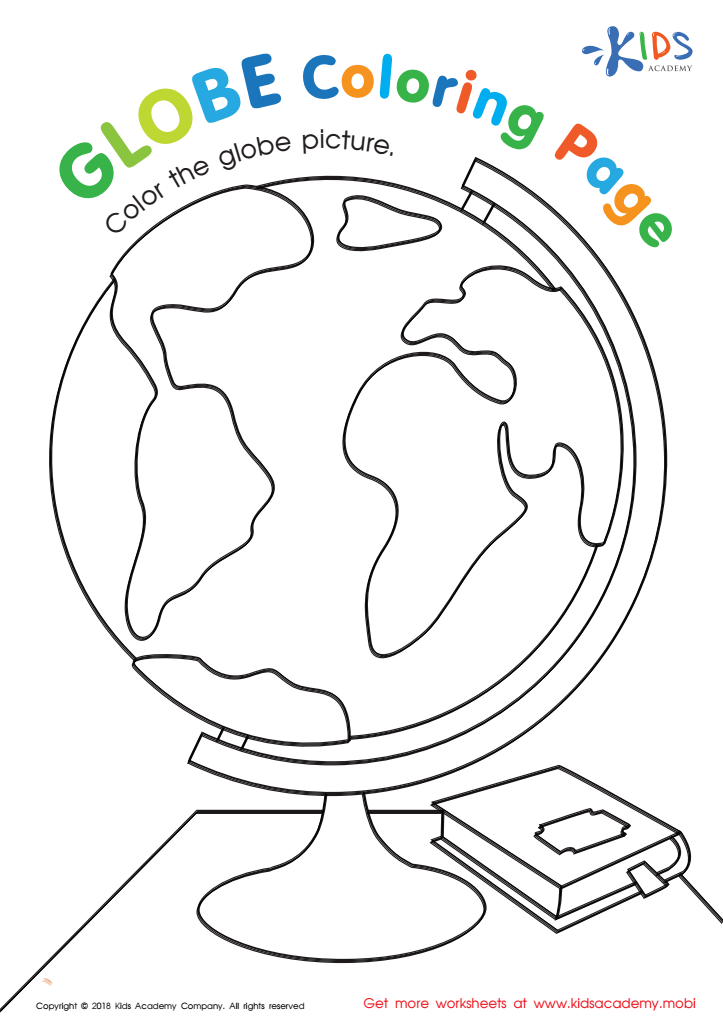
Globe Coloring Page Worksheet
Assign to My Students
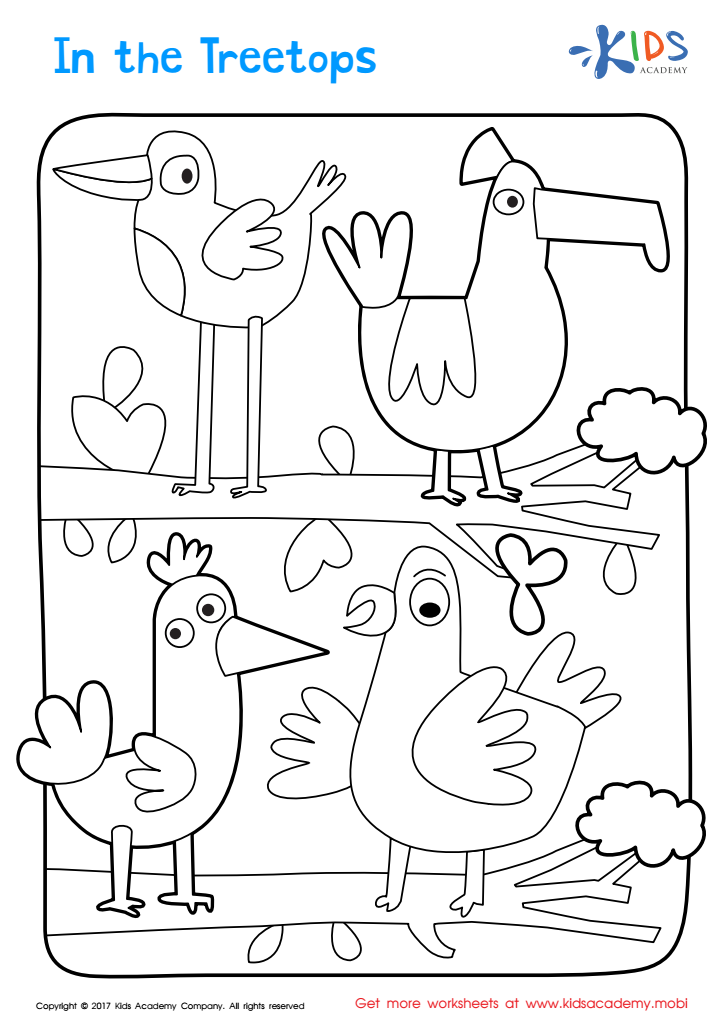
In the Treetops Coloring Page
Assign to My Students
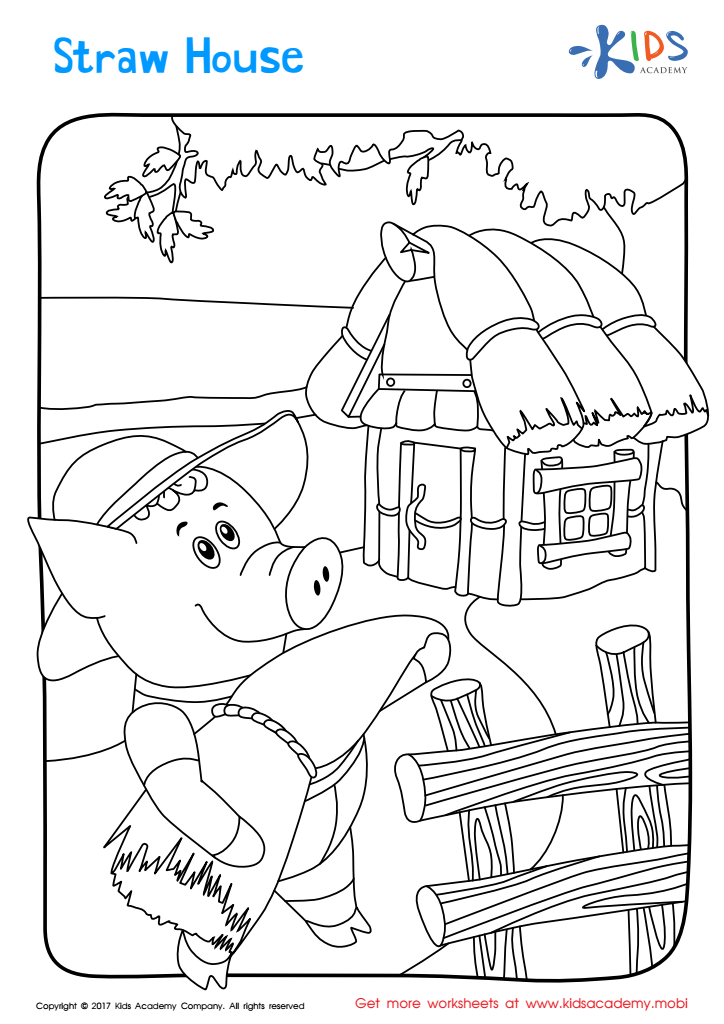
Straw House Printable Coloring Page
Assign to My Students
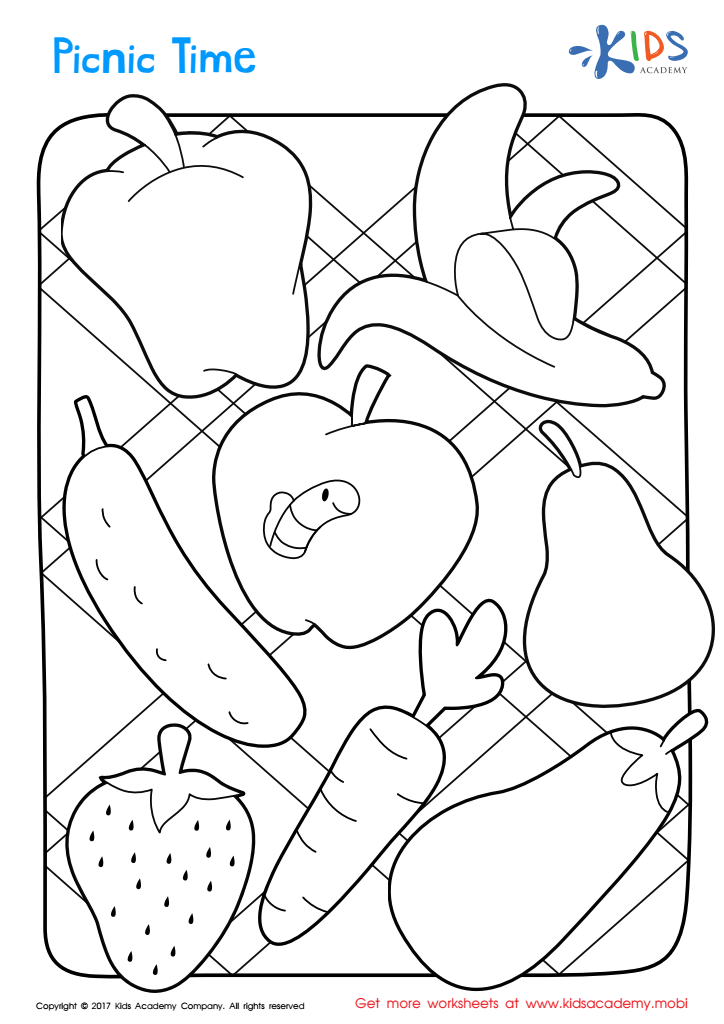
Picnic Time Coloring Page
Assign to My Students
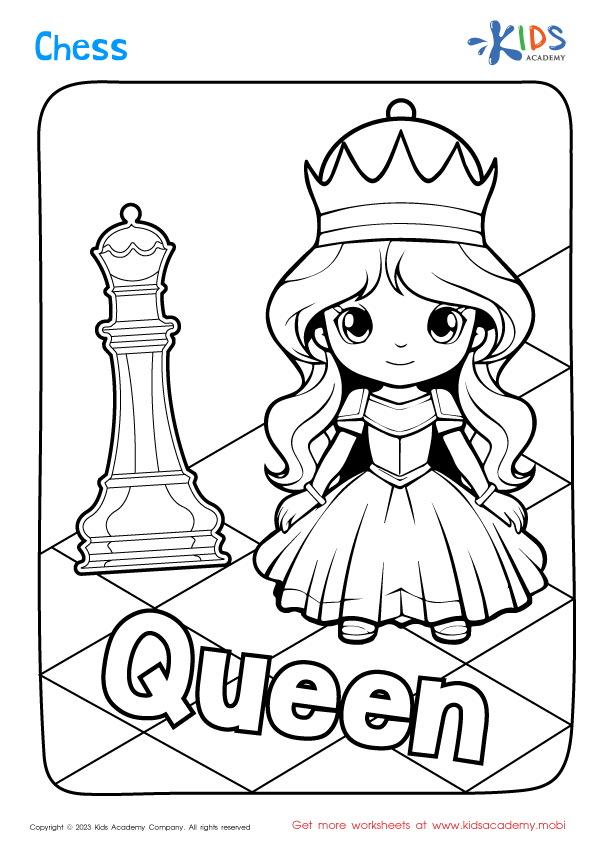





.jpg)


Color recognition is fundamental for children aged 3-4 as it serves as a cornerstone for their cognitive development and learning. For young kids, understanding and recognizing colors not only enhances their visual perception skills but also plays a pivotal role in their overall cognitive development. It boosts their ability to classify and categorize objects, a key step toward higher levels of logical and analytical thinking.
For parents and teachers, fostering color recognition is crucial as it is inherently linked to vocabulary expansion and language development. When children learn the names of different colors, they also practice speaking and improve their communication skills. Colors are often used in early literacy activities, and recognizing them can aid in the learning of numbers and letters by association.
Moreover, activities surrounding color recognition, like sorting or matching games, encourage fine motor skill development. These activities also promote creativity and self-expression, as kids use colors while drawing, painting, or building with blocks.
Overall, by supporting color recognition, parents and teachers provide children with a robust foundation for future educational success. They ensure that children are not only prepared for academic efforts, but also enriched with essential skills that fuel their curiosity and keen interest in the world around them.








