Counting skills Easy Worksheets for Ages 3-4 - Page 3
69 filtered results
-
From - To
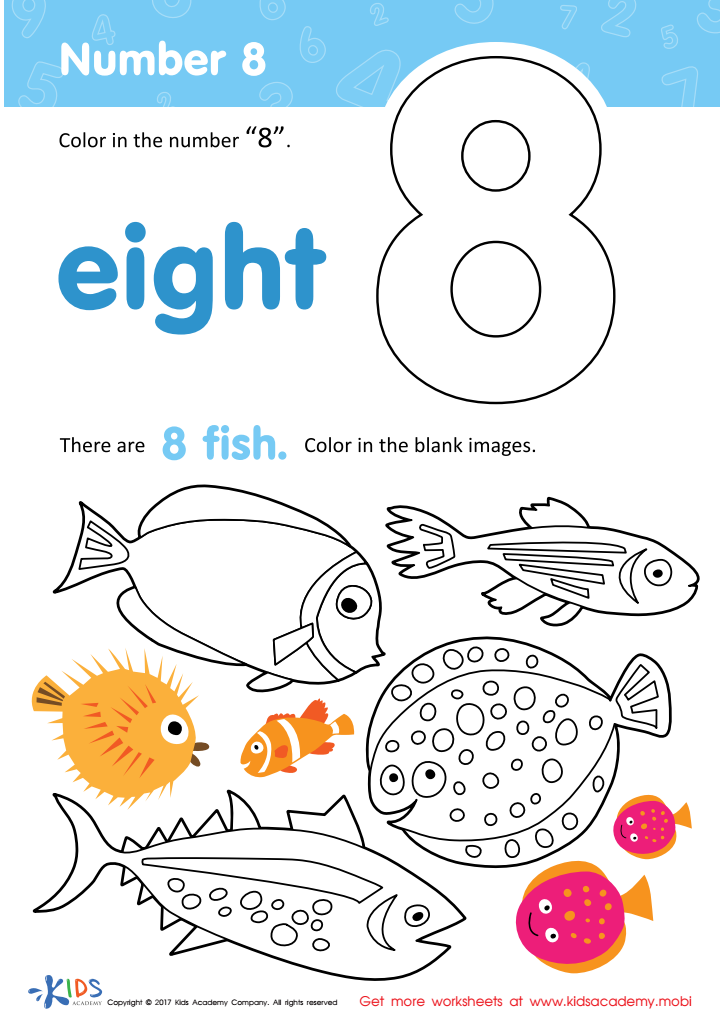
Number 8 Printable
 Assign to My Students
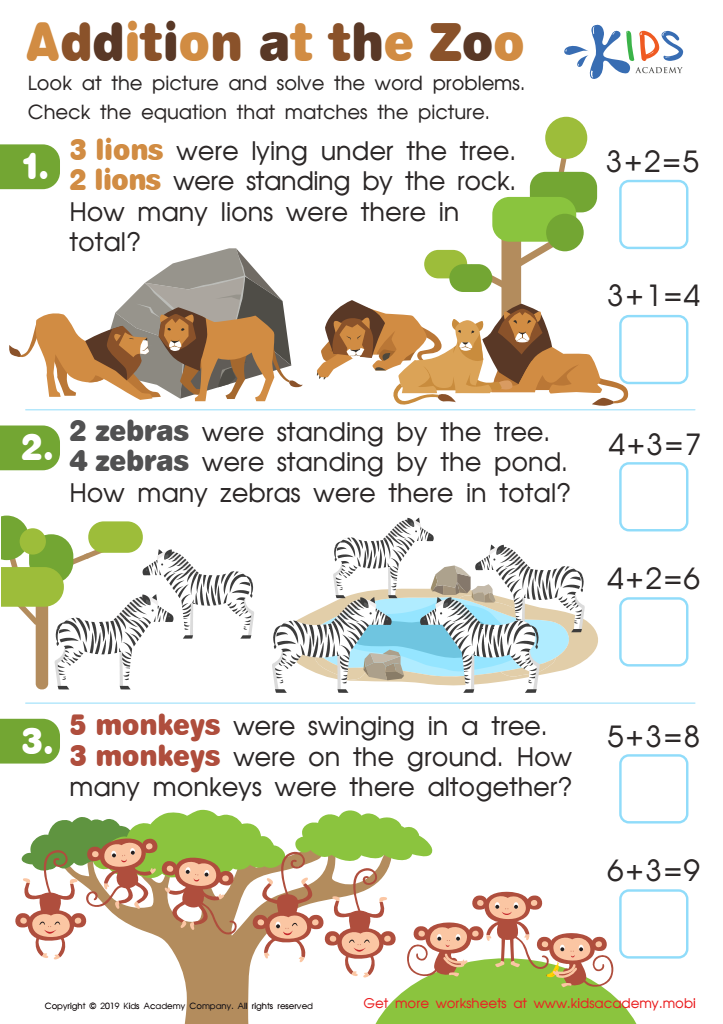
Addition at the Zoo Worksheet
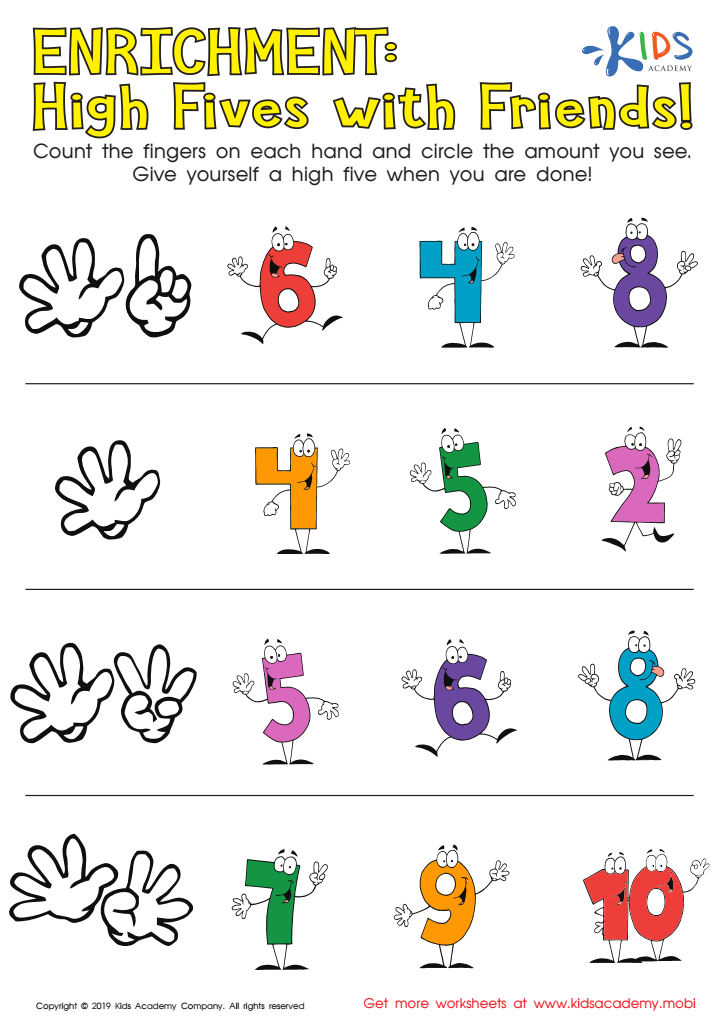
Enrichment: High Fives with Friends! Worksheet
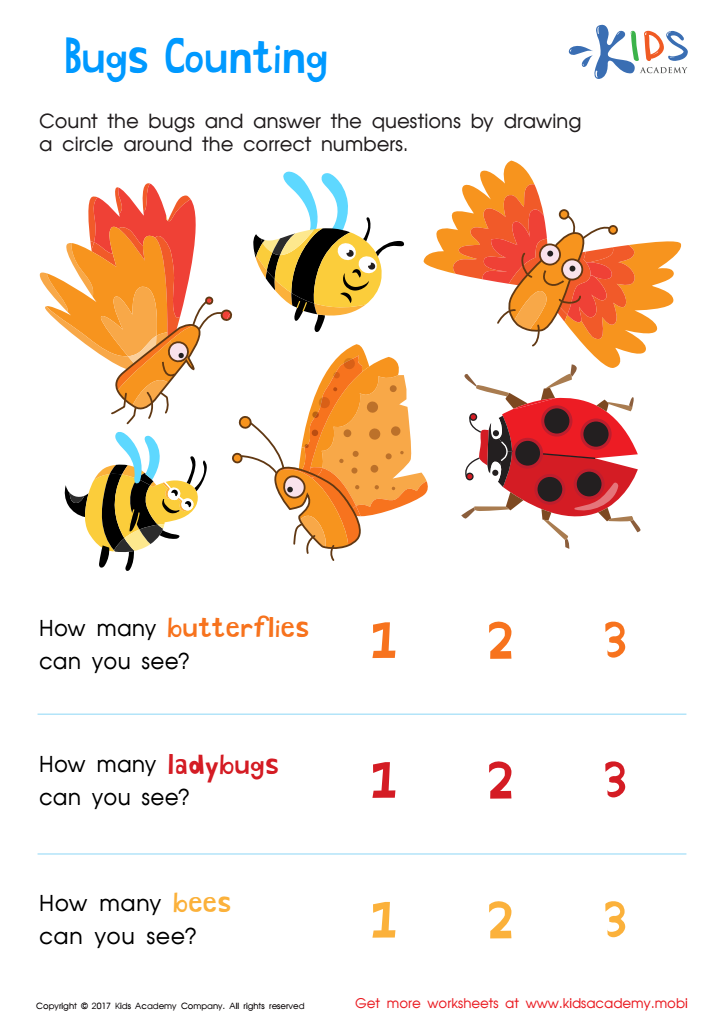
Bugs Counting Worksheet
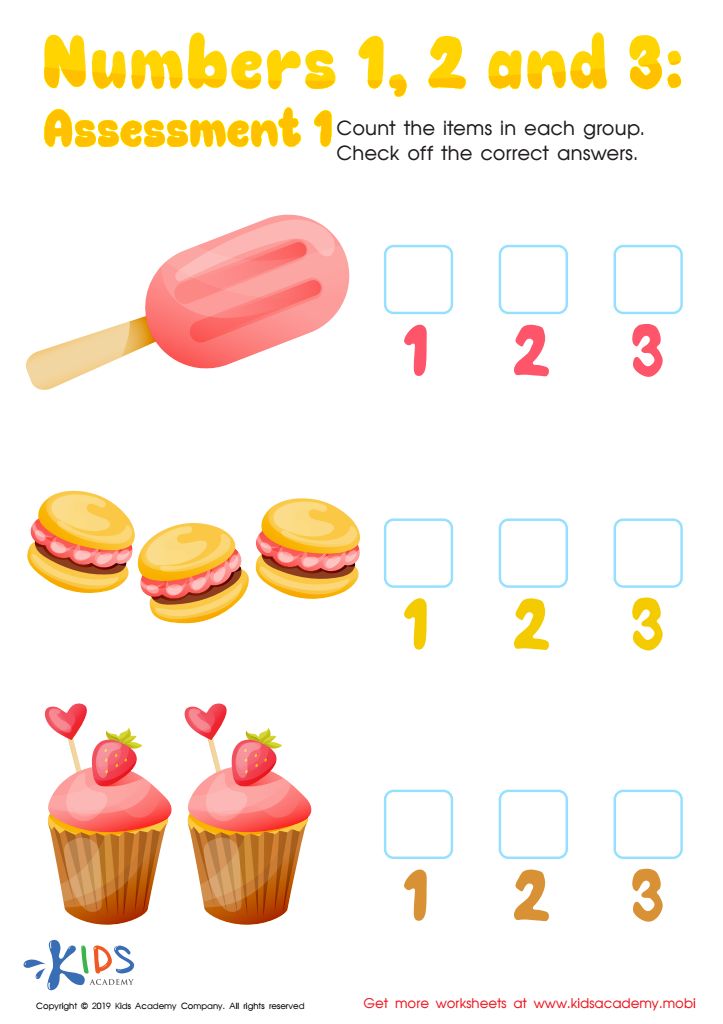
Numbers 1, 2 and 3: Assessment 1 Worksheet
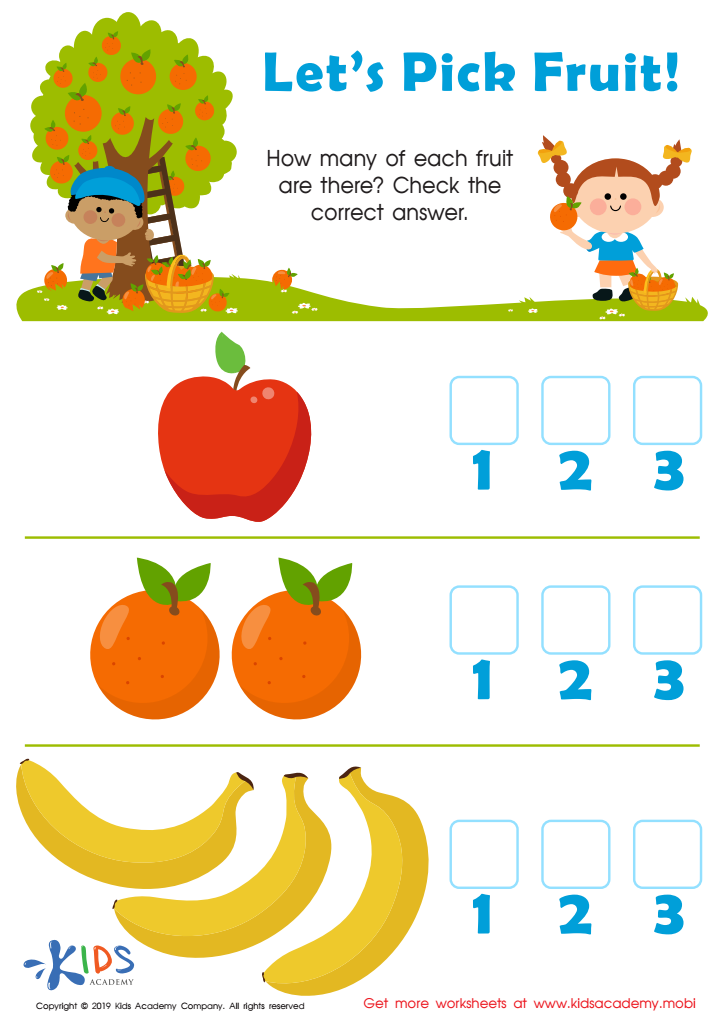
Let's Pick Fruit Worksheet
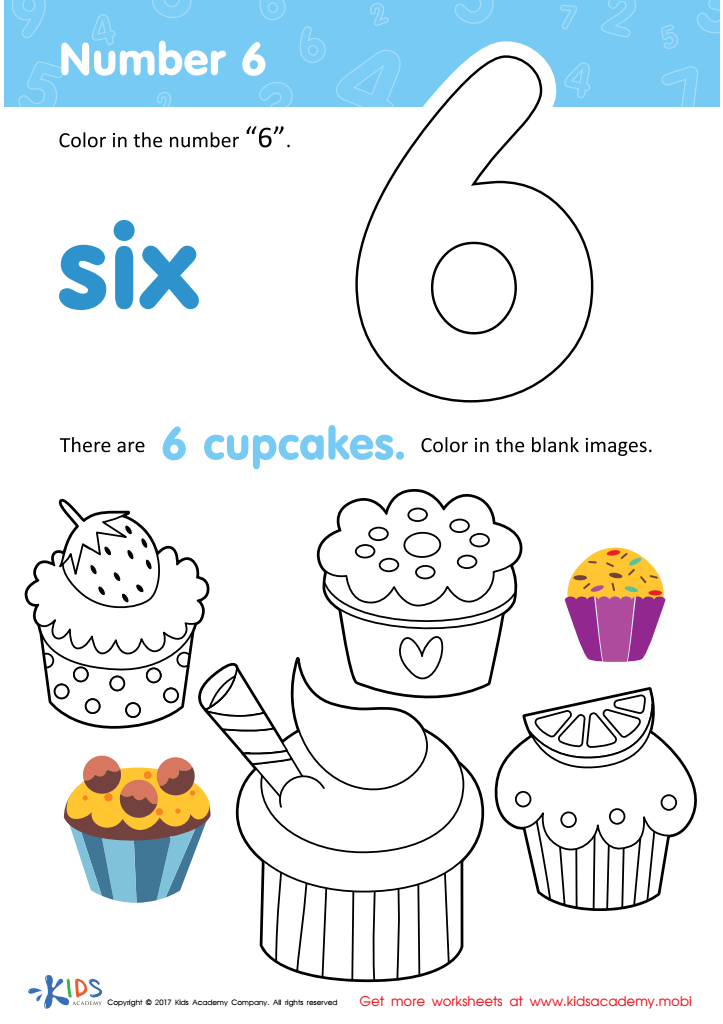
Number 6 Worksheet
Assign to My Students
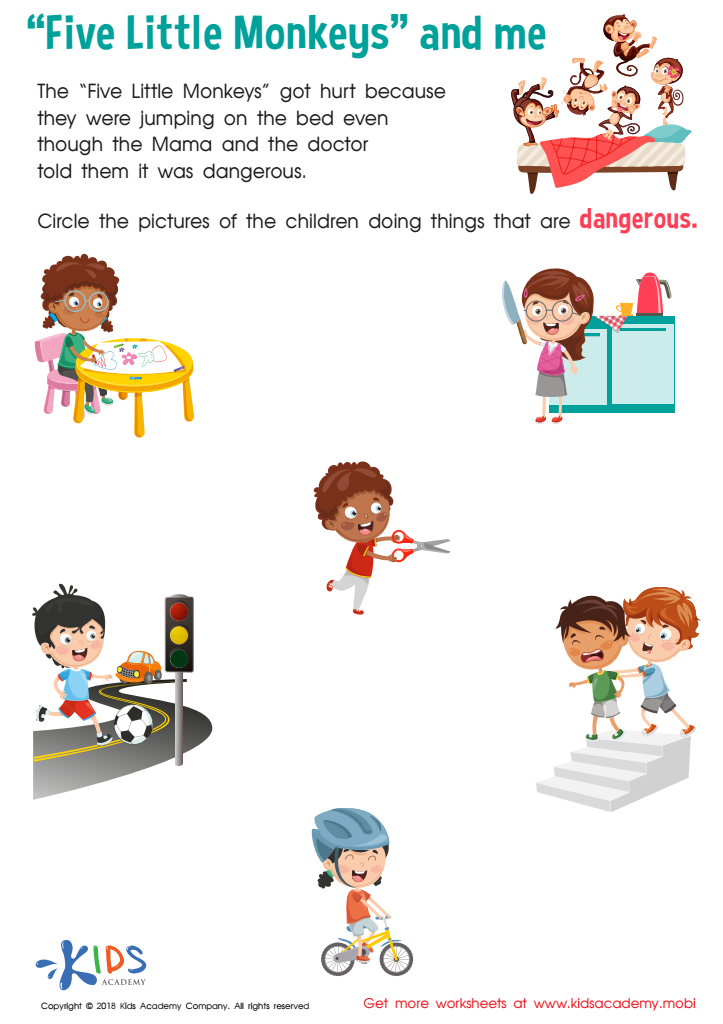
Five Little Monkeys and Me Worksheet
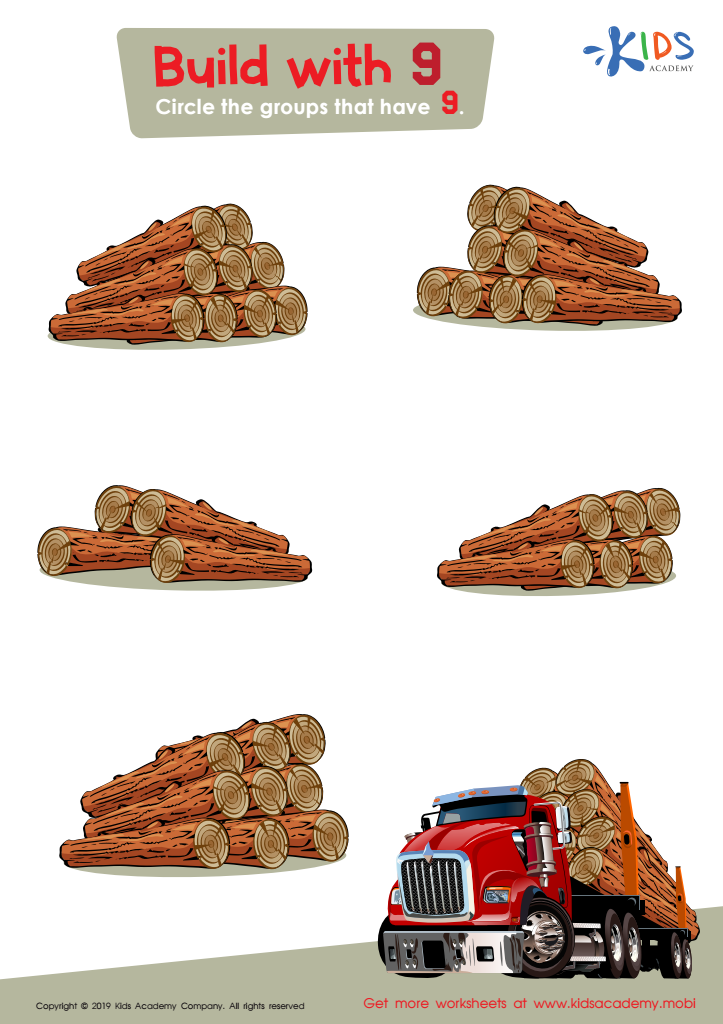
Build with 9 Worksheet
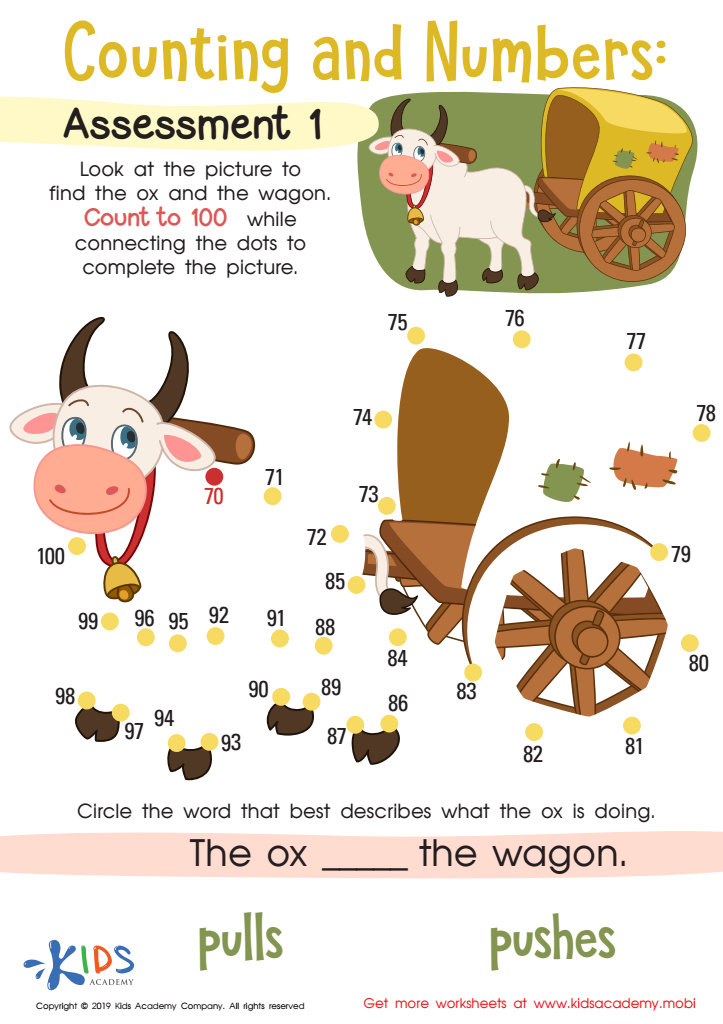
Counting and Numbers: Assessment 1 Worksheet
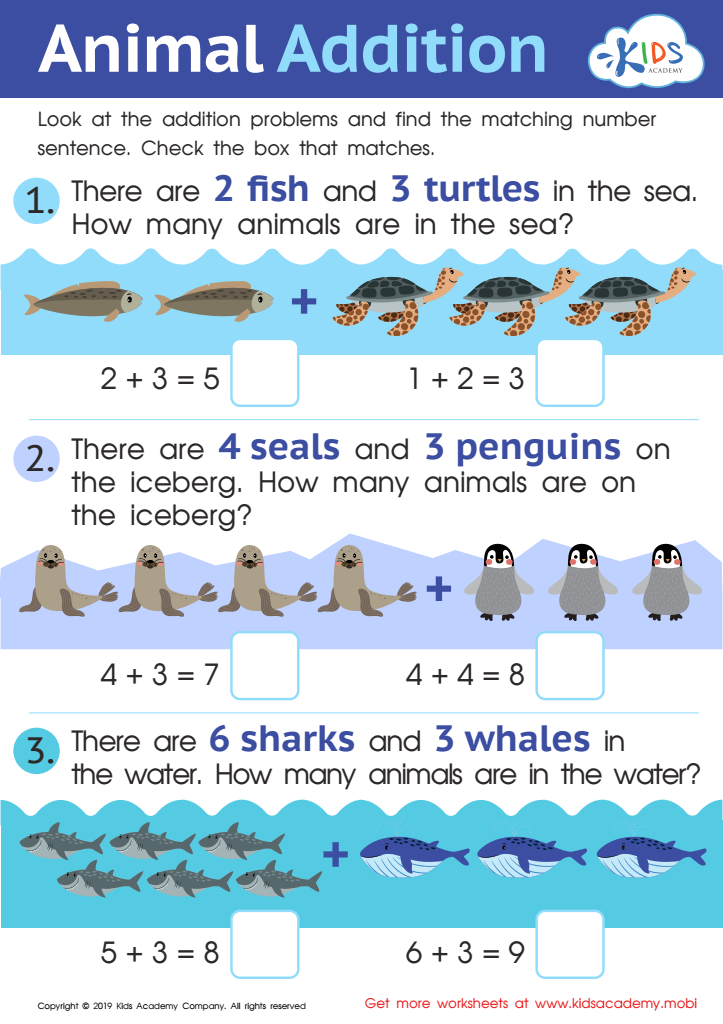
Animal Addition Worksheet
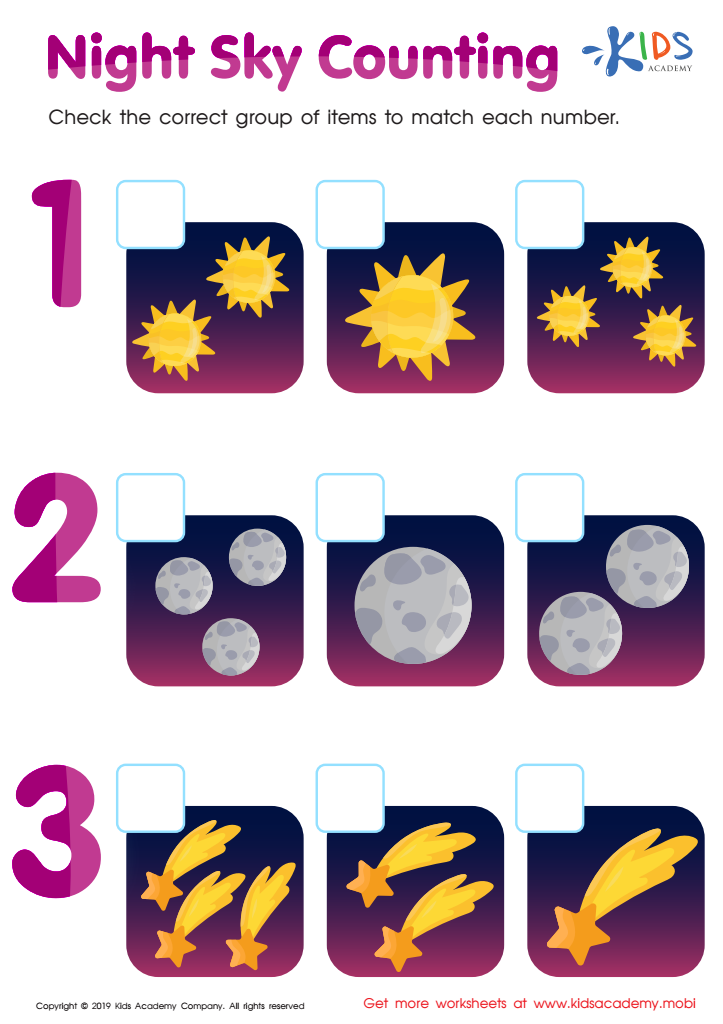
Night Sky Counting Worksheet
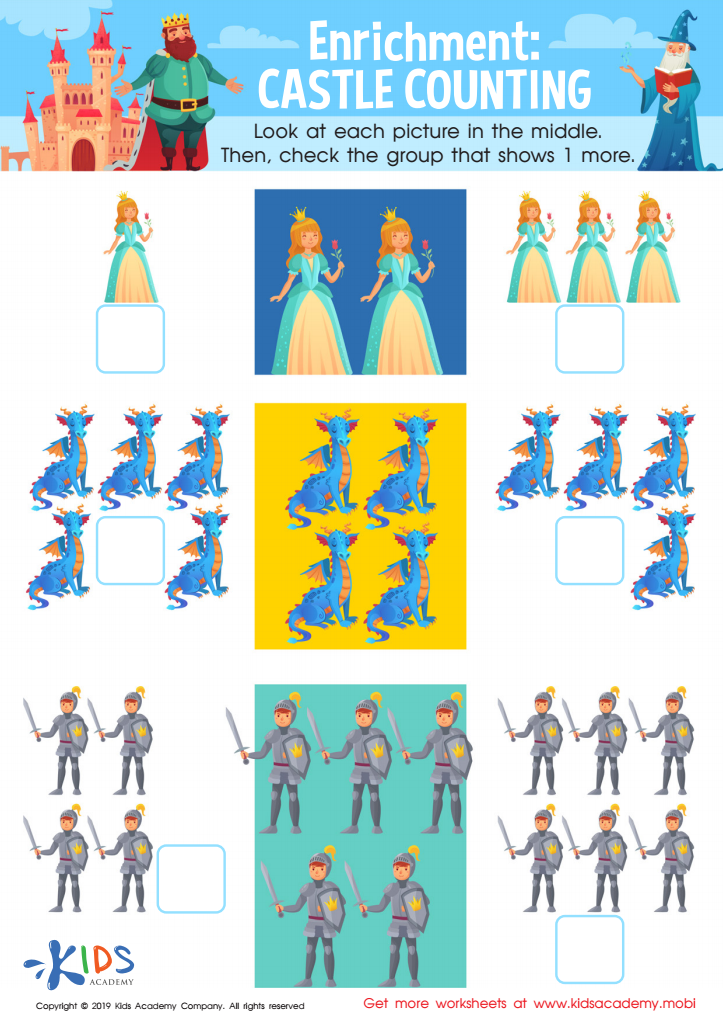
Enrichment: Castle Counting Worksheet
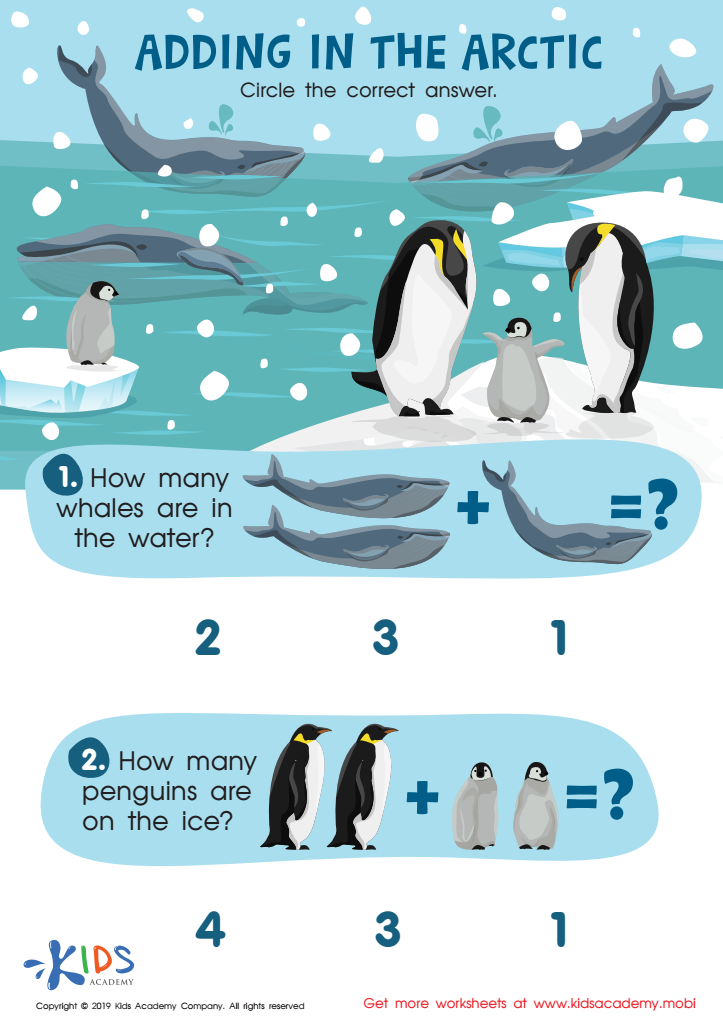
Adding in the Arctic Worksheet
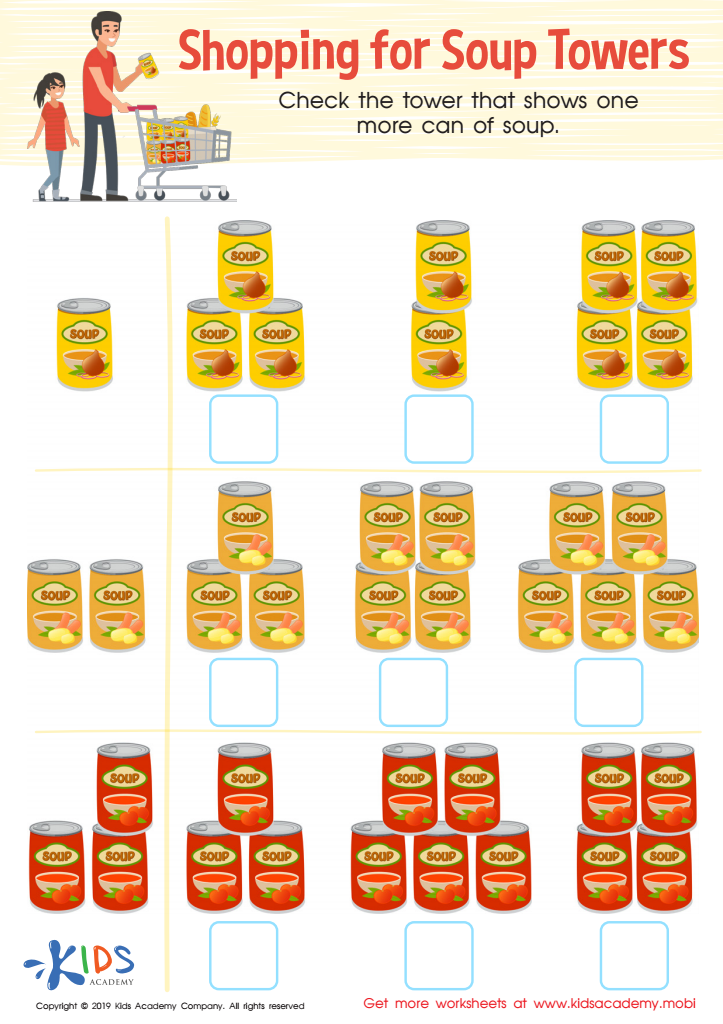
Soup Towers Worksheet
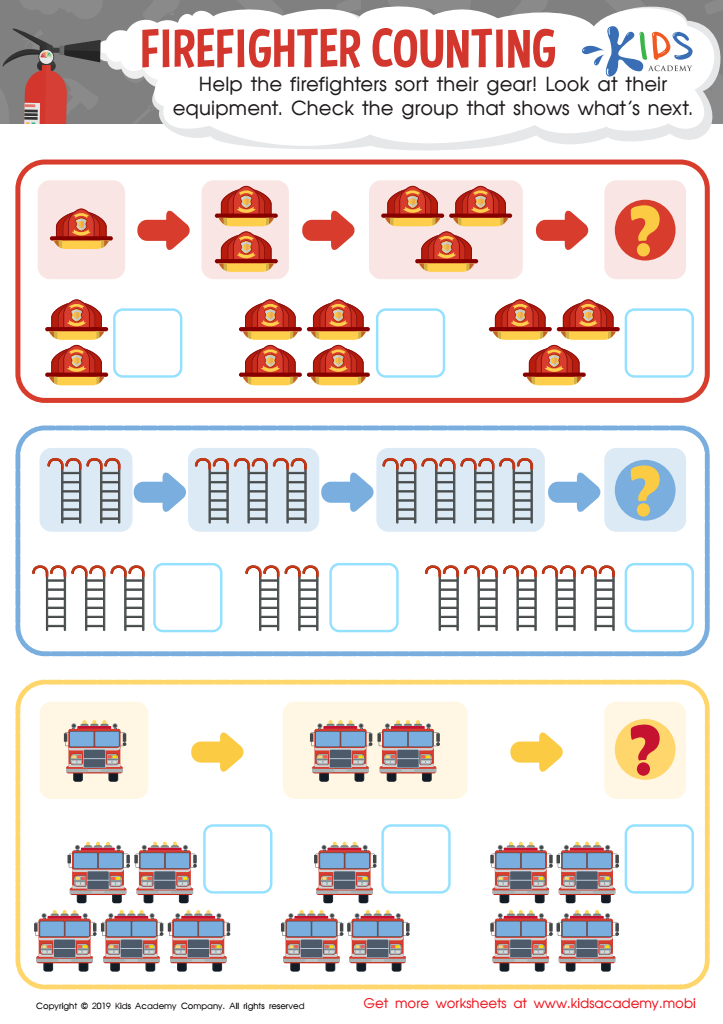
Firefighter Counting Worksheet
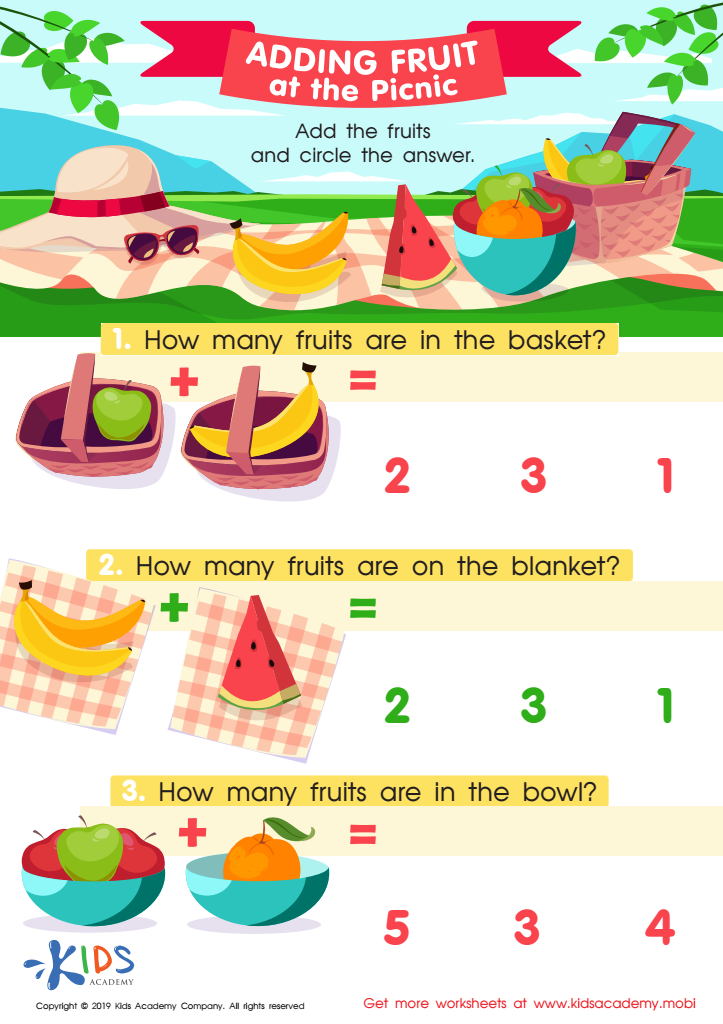
Adding Fruit at the Picnic Worksheet
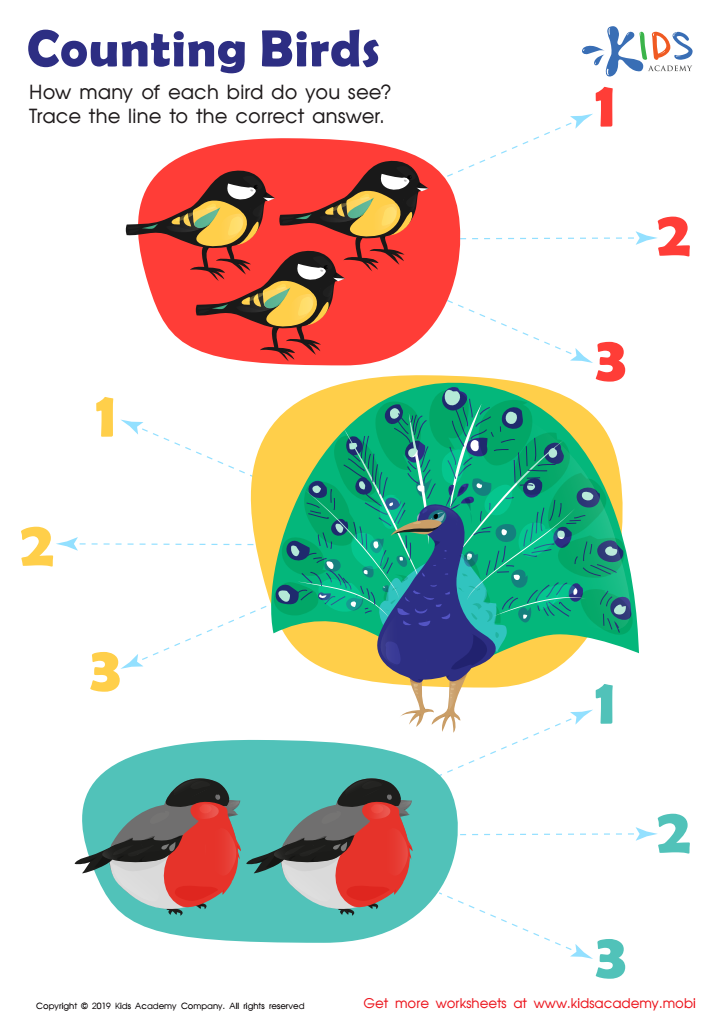
Counting Birds Worksheet
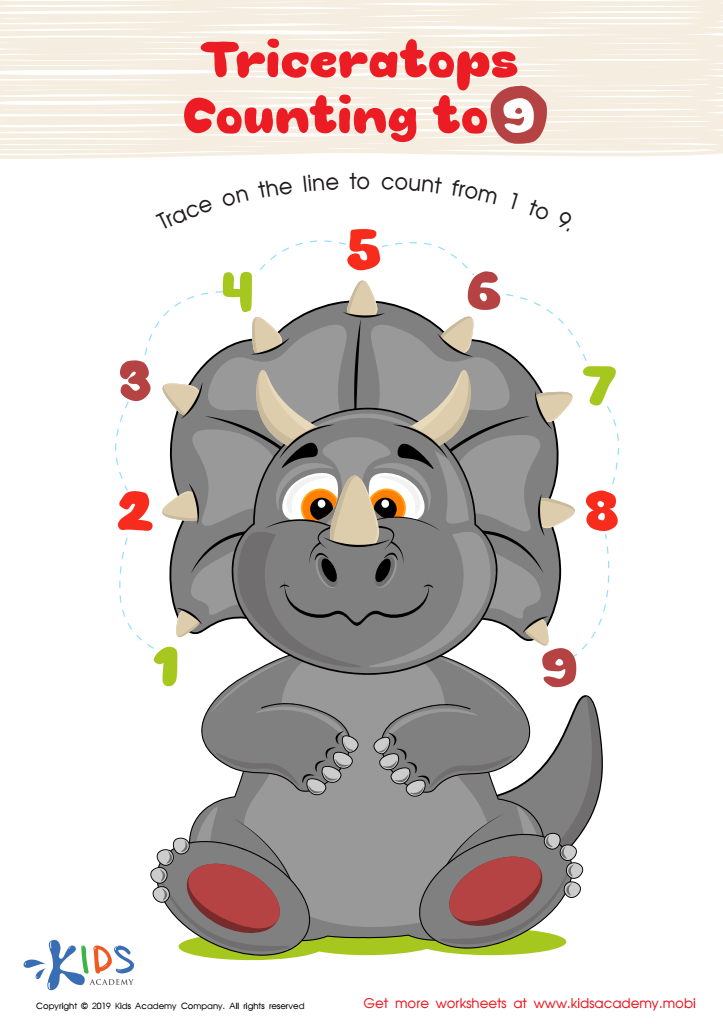
Triceratops Counting to 9 Worksheet
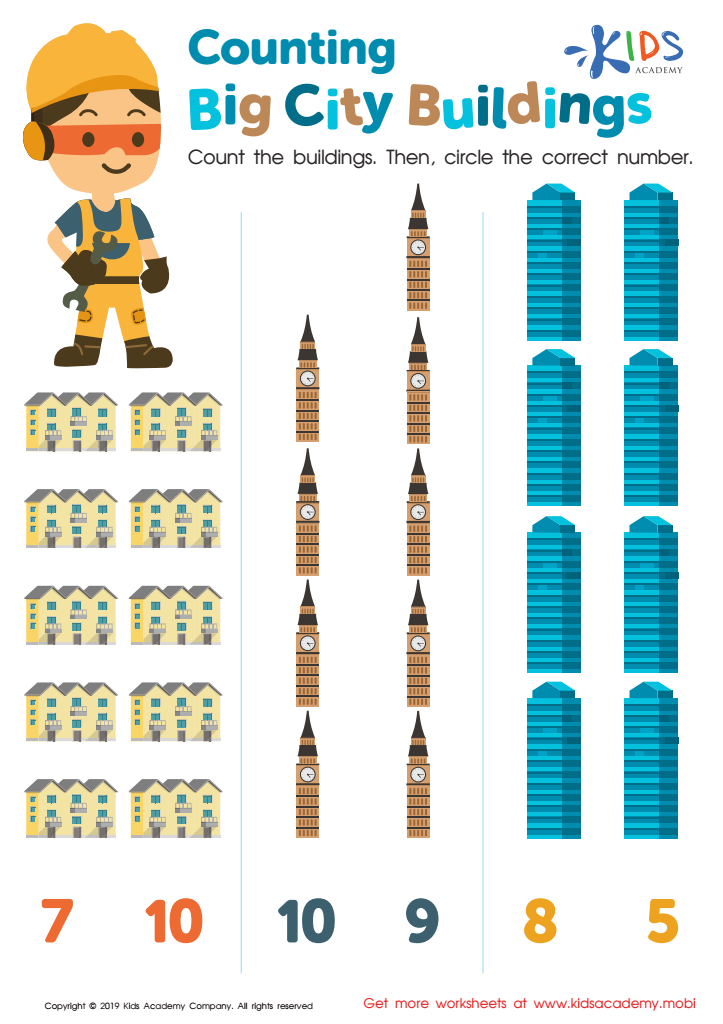
Counting Big City Buildings Worksheet

Night Sky Numbers Worksheet


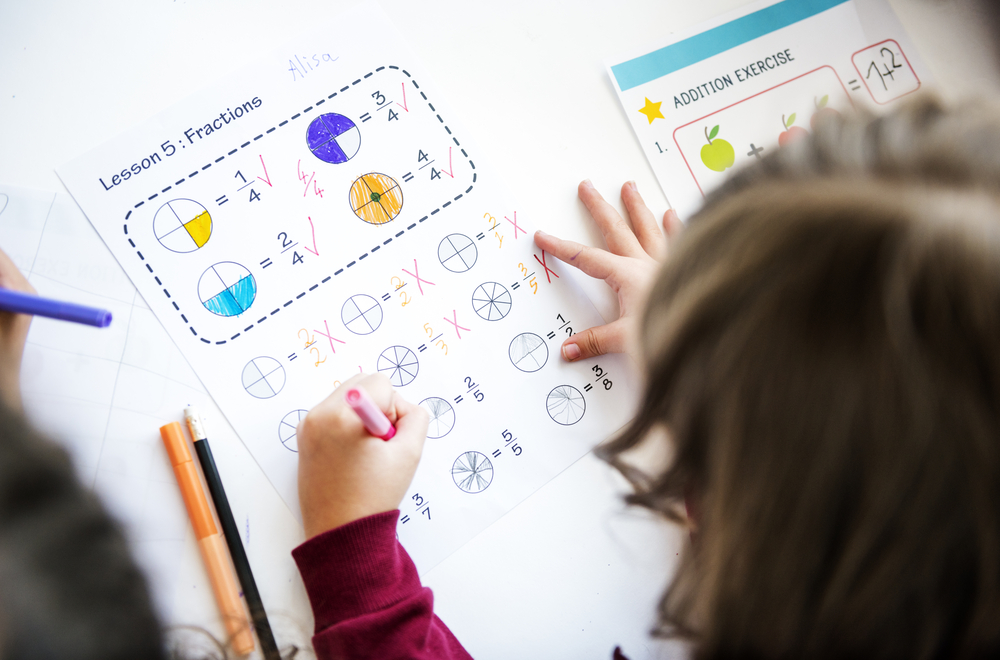





Counting skills are fundamental for young children, especially ages 3-4, as they lay the groundwork for future mathematical understanding. At this stage of development, children are naturally curious and eager to explore numerical concepts. By introducing counting in a fun and engaging way, parents and teachers can help children develop essential cognitive skills.
Counting activities encourage not just numeral recognition but also enhance memory, concentration, and problem-solving abilities. For instance, counting objects during play helps children understand one-to-one correspondence, enabling them to grasp the idea that each item corresponds to a number. This foundational skill is crucial for later success in mathematics, as it serves as a building block for addition and subtraction.
Moreover, counting fosters early literacy skills, as children learn to discriminate between different quantities and sequence numbers, which parallels reading progression. Providing hands-on experiences, like counting toys or snacks, enhances engagement and makes learning more relatable.
Additionally, the social aspect of counting – whether in groups or one-on-one – encourages communication and cooperation among peers, teaching children the value of teamwork and sharing. Overall, nurturing counting skills in early childhood sets the stage for a lifelong appreciation of mathematics and equips children with crucial life skills.








