Hand-eye Coordination Easy Worksheets for Ages 3-4 - Page 2
25 filtered results
-
From - To
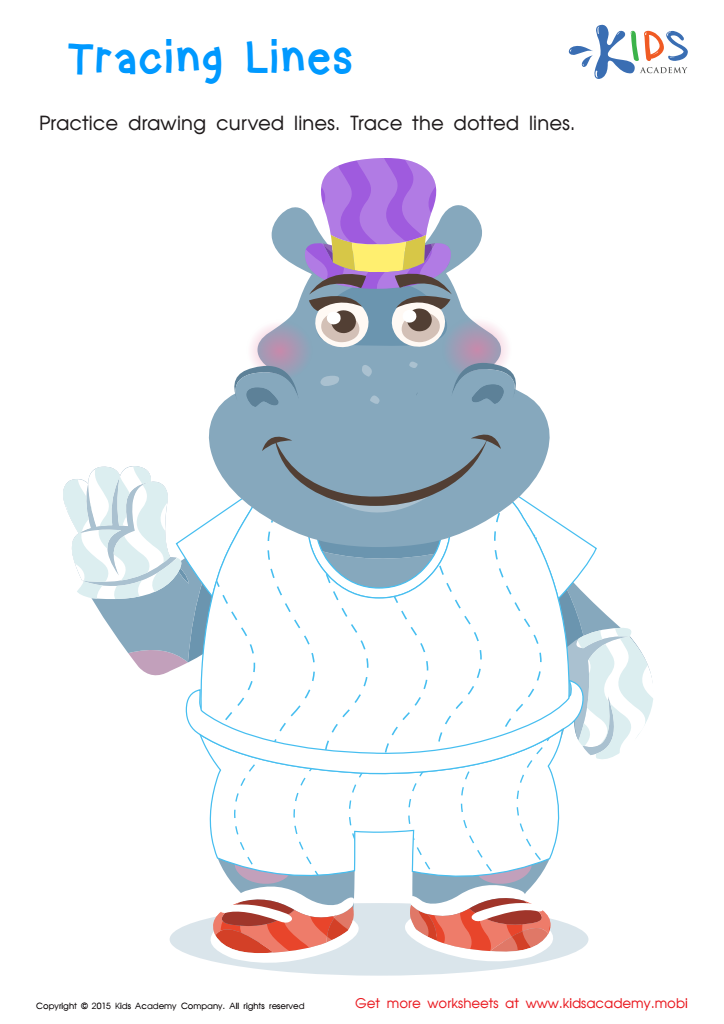
Tracing Lines Worksheet
 Assign to My Students





Hand-eye coordination is a crucial skill involving the simultaneous use of eyes and hands. For children aged 3-4, developing this ability is essential for several reasons. Firstly, good hand-eye coordination lays the foundation for fine motor skills. These skills are necessary for everyday tasks such as writing, buttoning clothes, and using utensils, all of which build a child's independence.
In addition, strong hand-eye coordination is vital for cognitive development. Activities that require coordination often engage multiple senses and mental processes, boosting concentration, problem-solving skills, and spatial awareness. This can positively impact a child's readiness for school and learning experiences.
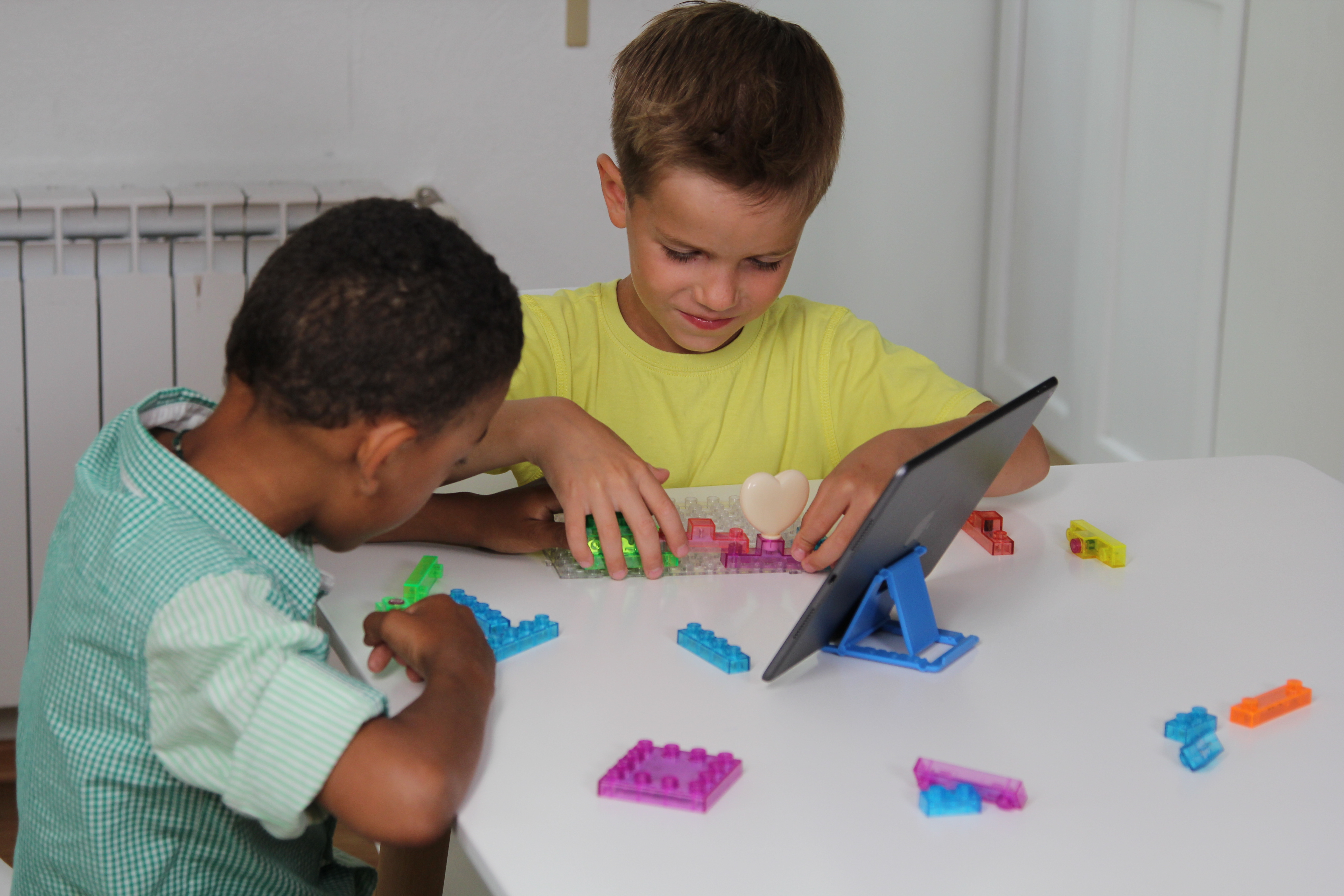
Moreover, investing in early hand-eye coordination activities promotes physical health. Activities like catching a ball, drawing, or playing with blocks not only refine motor skills but also encourage physical activity, supporting overall fitness and well-being.
Lastly, nurturing this skill improves social interactions. As children master tasks requiring coordination, they gain confidence and self-esteem, which are crucial for socialising and teamwork. Parents and teachers should focus on activities like puzzles, arts and crafts, and simple sports. These activities provide fun, engaging ways to develop this essential skill, ensuring well-rounded growth and future academic readiness.








