Easy Consonants Worksheets for Ages 3-5
3 filtered results
-
From - To
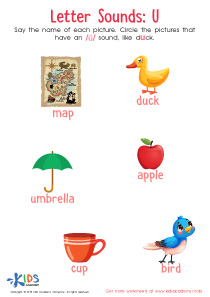
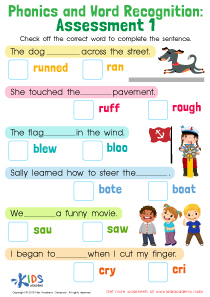
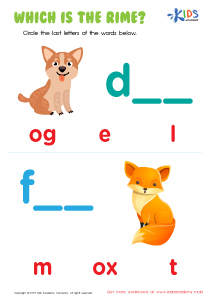
Welcome to our collection of Easy Consonants Worksheets for Ages 3-5, designed to nurture young learners in mastering consonant sounds! These engaging, printable worksheets offer a variety of fun activities that help preschool and kindergarten children recognize and practice consonants through tracing, coloring, and matching exercises. Perfect for early literacy development, each worksheet encourages creativity while reinforcing essential phonetic skills. Parents and educators will appreciate the ease of use and the structured approach that supports children in building a strong foundation for reading and writing. Download our worksheets today, and watch your little ones’ confidence and skills soar!
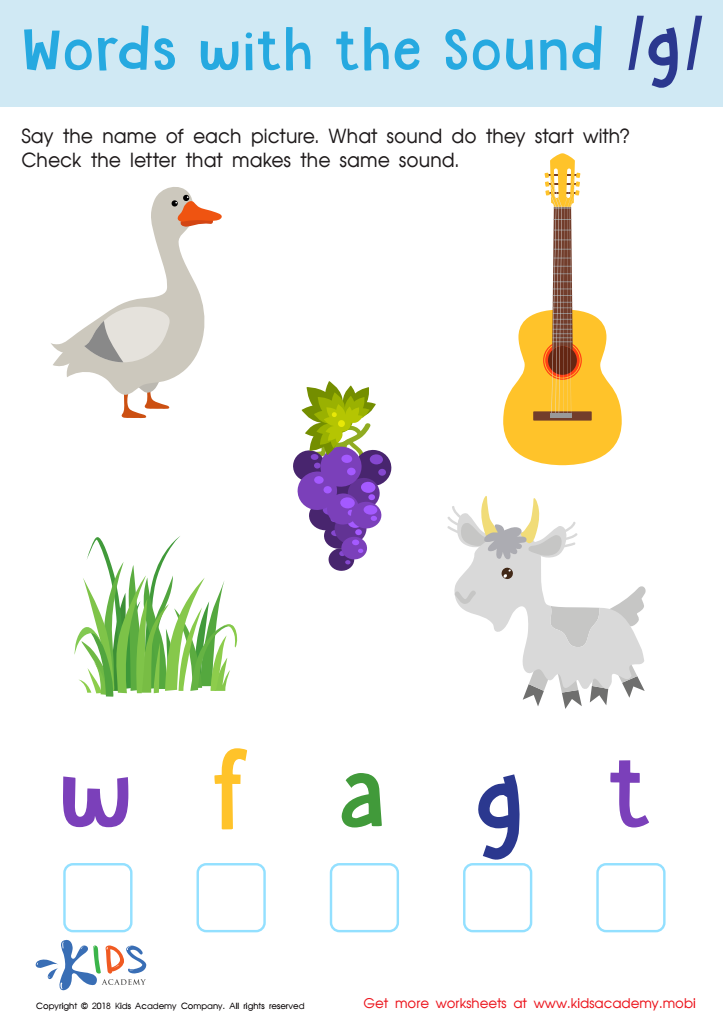
Words with sound g Reading Worksheet
 Assign to My Students
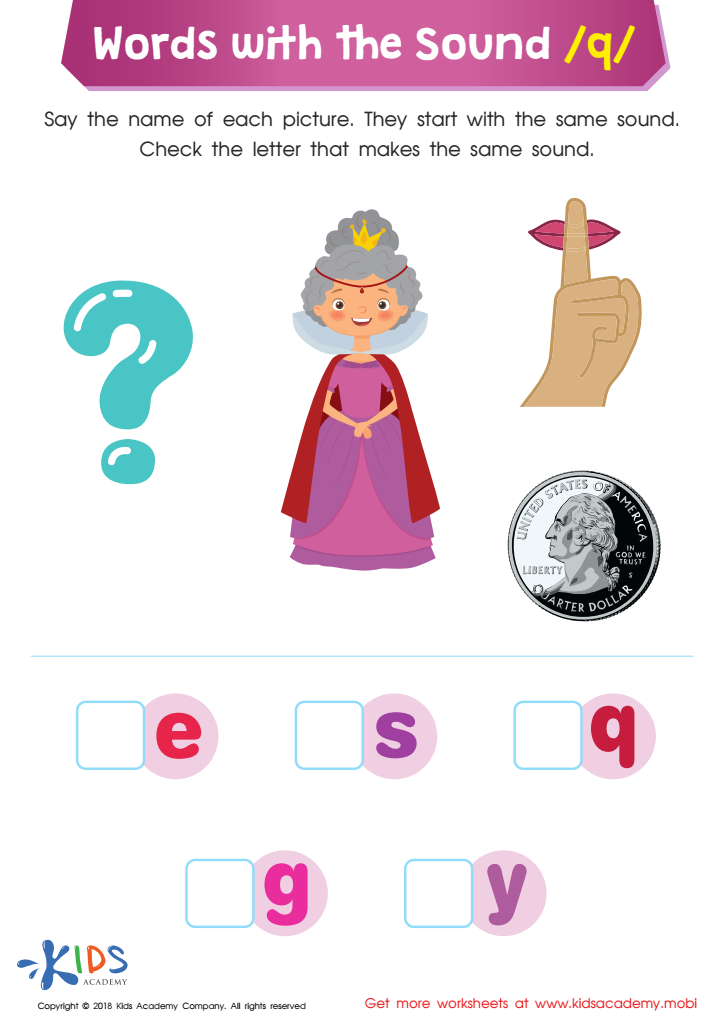
Words with Sound Q Reading Worksheet
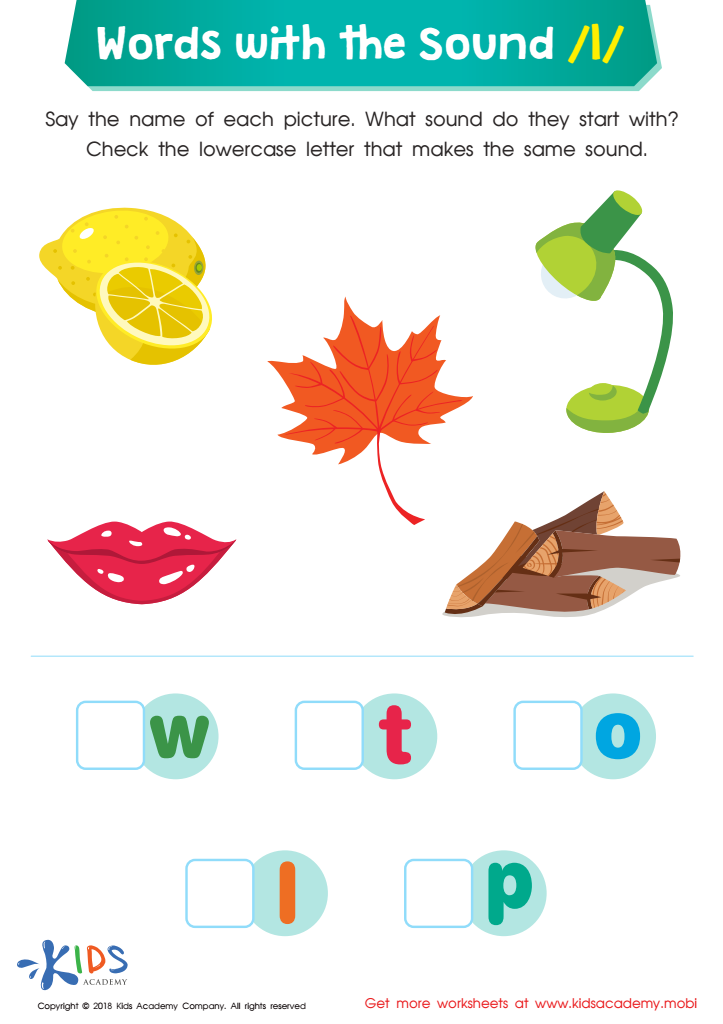
Words with Sound L Reading Worksheet



Easy Consonants for Ages 3-5 are crucial for young children's language development and literacy skills. At this early stage, exposure to consonant sounds lays the foundation for reading and phonics skills, helping children decode and understand words. When children learn to recognize and articulate simple consonant sounds, they become more confident in their ability to express themselves and communicate effectively.
Additionally, mastering easy consonants supports vocabulary building and enhances oral language skills. Parents and teachers can integrate playful activities, such as rhyming games and storytelling, that emphasize these sounds, making learning enjoyable and interactive. Engaging children in these activities fosters a positive learning environment where literacy can flourish.
Furthermore, strong phonemic awareness— the ability to hear, identify, and manipulate sounds in words—developed through practicing easy consonants is a critical predictor of later reading success. By prioritizing this aspect of language acquisition, parents and teachers can significantly influence children’s academic journeys.
In essence, focusing on Easy Consonants equips young learners with the tools they need for future reading, writing, and overall communication. It empowers them to explore, ask questions, and share their thoughts, ultimately enriching their educational experience and fostering lifelong learning.