Hand-eye Coordination Easy Alphabet Worksheets for Ages 3-5
3 filtered results
Difficulty Level
Grade
Age
-
From - To
Subject
Activity
Standards
Enhance your child's early learning experience with our "Hand-eye Coordination Easy Alphabet Worksheets" designed specifically for ages 3-5. These engaging worksheets promote fine motor skills and hand-eye coordination while introducing the alphabet in a fun and interactive way. Each activity encourages tracing, coloring, and matching, helping young learners develop their writing skills and boost confidence in letter recognition. Perfect for busy parents and educators, these easy-to-use printable resources make learning enjoyable and effective. Watch your little ones flourish as they explore letters and improve coordination, laying a strong foundation for lifelong learning. Start the learning adventure today!
Favorites
With answer key
Interactive
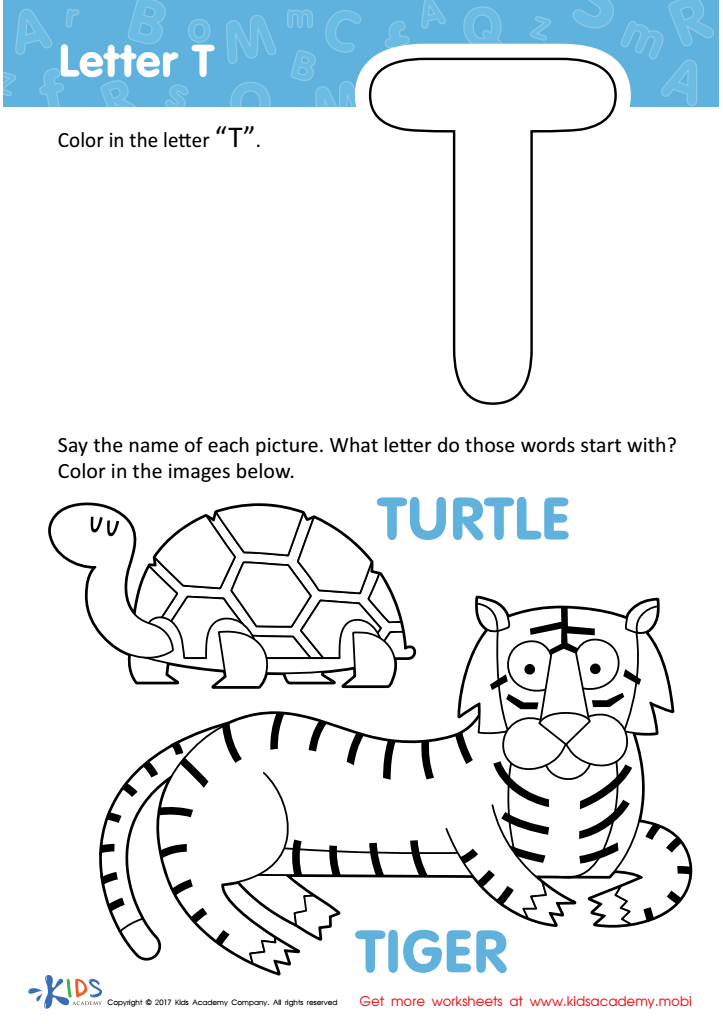
Letter T Coloring Sheet
Introduce your child to the letter "T" and its animals – turtles and tigers! With this coloring page, you can stimulate your child's imagination and creativity, while helping them recognize the letter "T". Have fun with your child and get coloring!
Download (PDF)
 Assign to My Students
Assign to My Students
Letter T Coloring Sheet
Worksheet
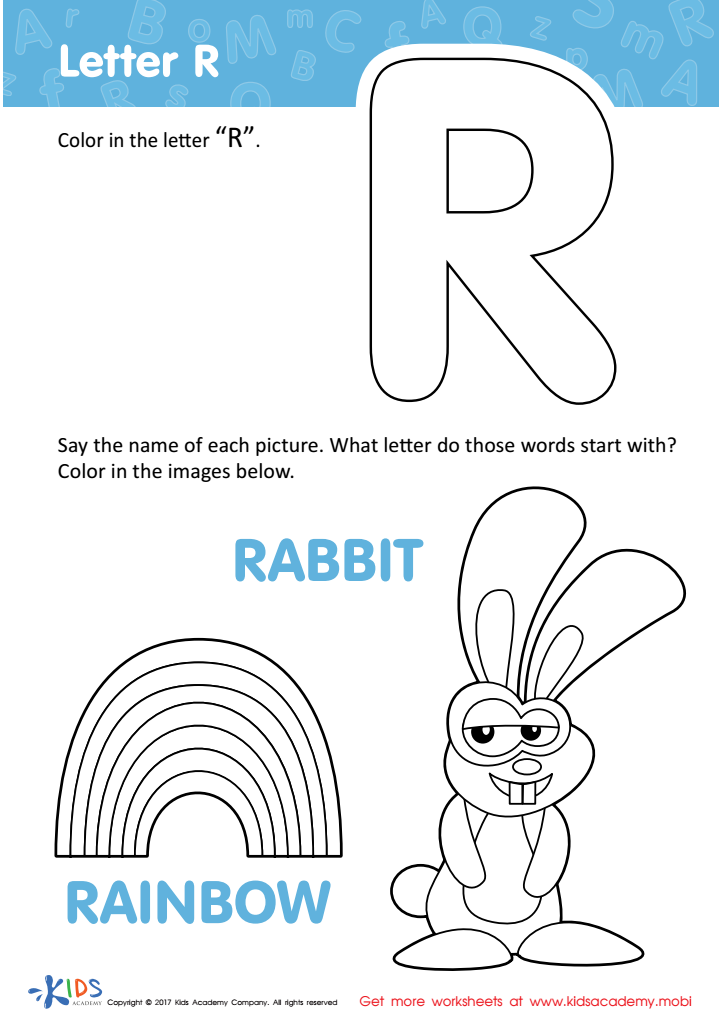
Letter R Coloring Sheet
Let your child explore the rainbow with this fun letter "R" coloring page! They can learn to recognize the letter and make connections to words, all while having fun! Make alphabet learning enjoyable with joyful coloring pages.
Download (PDF)
Assign to My Students
Assign to My Students
Letter R Coloring Sheet
Worksheet
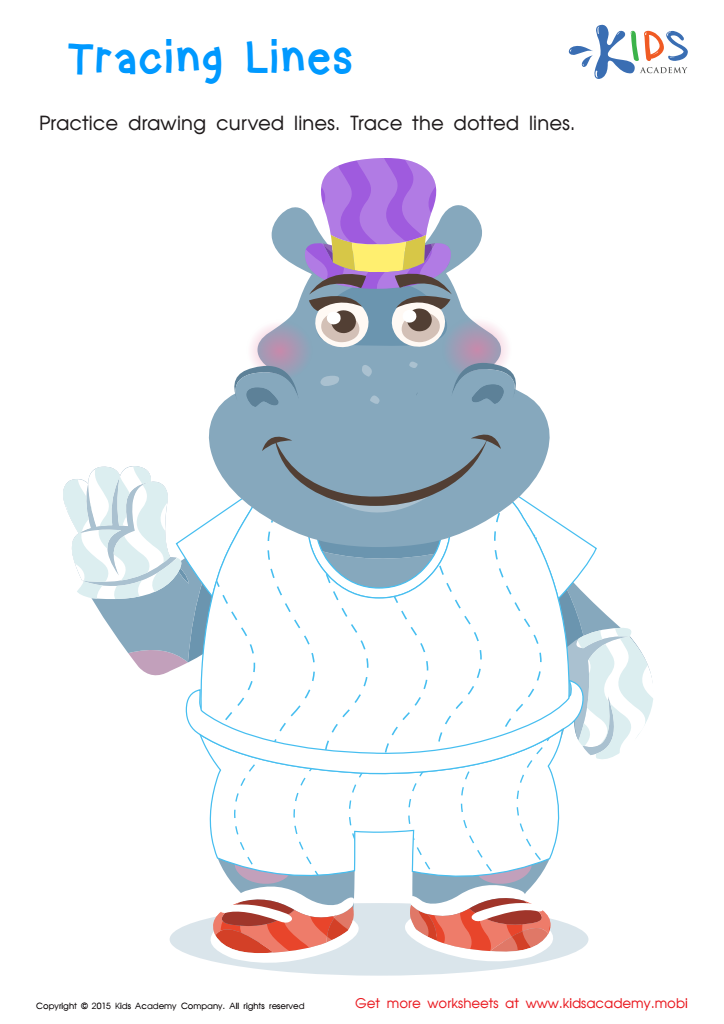
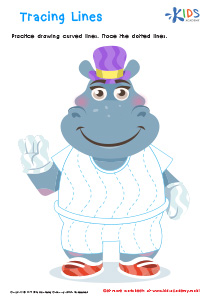
Tracing Lines Worksheet
Help your child nurture their writing and drawing skills with this cute tracing lines PDF worksheet. It improves pencil grip and hand-to-eye coordination, a key step in learning to write. Have fun and watch your child's confidence grow!
Tracing Lines Worksheet
Worksheet
Join Kids Academy for Free
Who is primarily going to use this learning content?





Hand-eye coordination is a crucial developmental skill for children aged 3 to 5, significantly impacting their learning and daily activities. Programs like "Easy Alphabet" promote this essential coordination through engaging activities that help young learners refine their motor skills. When children practice activities that enhance hand-eye coordination, such as tracing letters or coloring, they not only improve their fine motor skills but also support their readiness for writing.
Parents and teachers should care about fostering this skill because it lays the foundation for more complex tasks, such as reading and mathematics. As children learn to connect their hand movements with what their eyes see, they develop better focus and concentration, which are vital for success in early education. Furthermore, improved hand-eye coordination can boost a child's confidence in their capabilities, which encourages a positive attitude toward learning.
Additionally, engaging in such activities can promote bonding between parents and children, as they often involve a shared experience. Teachers can utilize these skills in the classroom to enable smooth transitions into academic work. Overall, focusing on hand-eye coordination through programs like "Easy Alphabet" ensures that children are well-prepared for future educational challenges.