Categorization skills Easy Worksheets for Ages 3-5
5 filtered results
-
From - To
Nurture your child's cognitive development with our Categorization Skills Easy Worksheets for ages 3-5. These engaging, preschool activities enhance critical thinking, helping young learners sort and classify objects by common attributes like shape, color, and size. Our expertly-designed, fun printable worksheets provide a foundational understanding of patterns and relationships, essential for early math and organizational skills. Perfect for at-home or classroom use, these resources promote independent learning while making education enjoyable. Lay a strong groundwork for your child's academic success with our thoughtfully crafted categorization activities from Kids Academy.
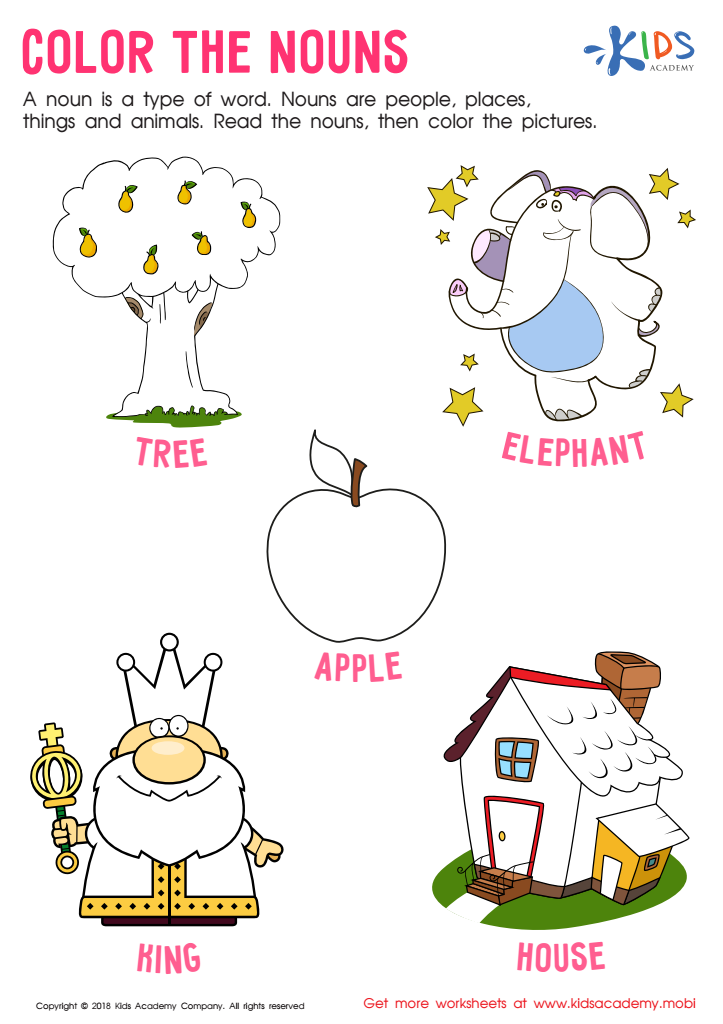
Color the Nouns Worksheet
 Assign to My Students
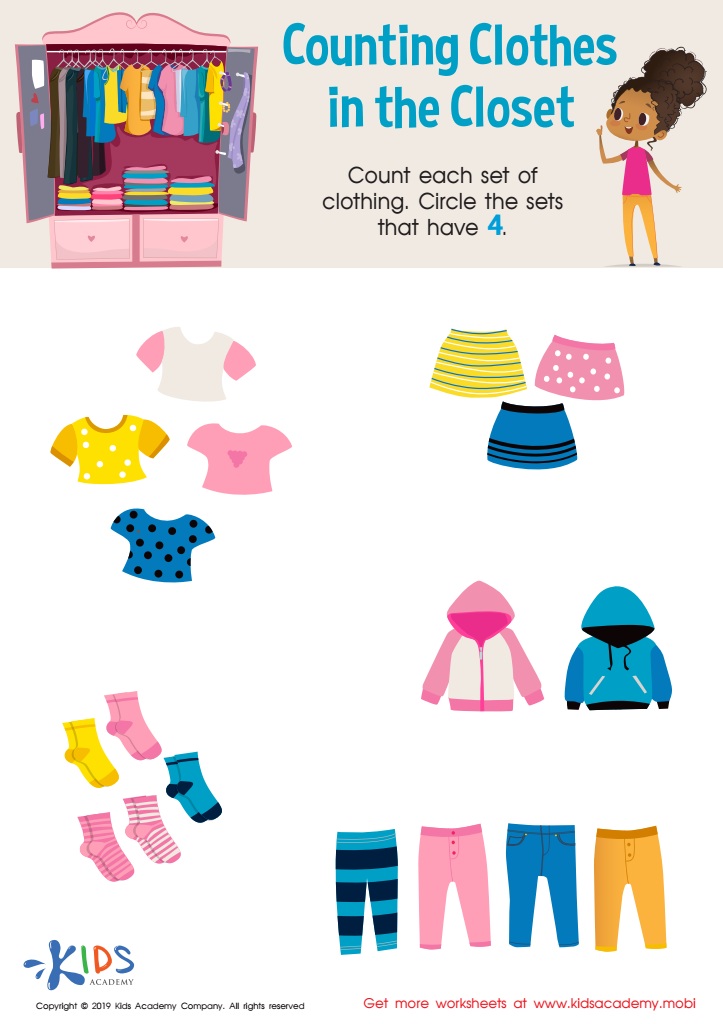
Counting Clothes Worksheet
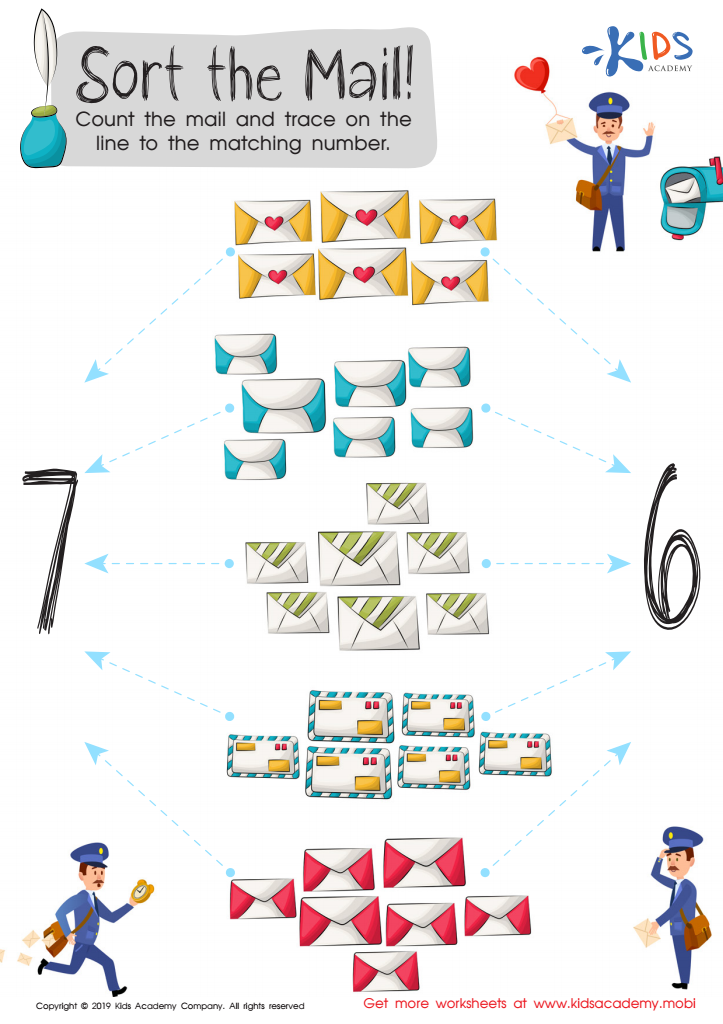
Sort the Mail Worksheet
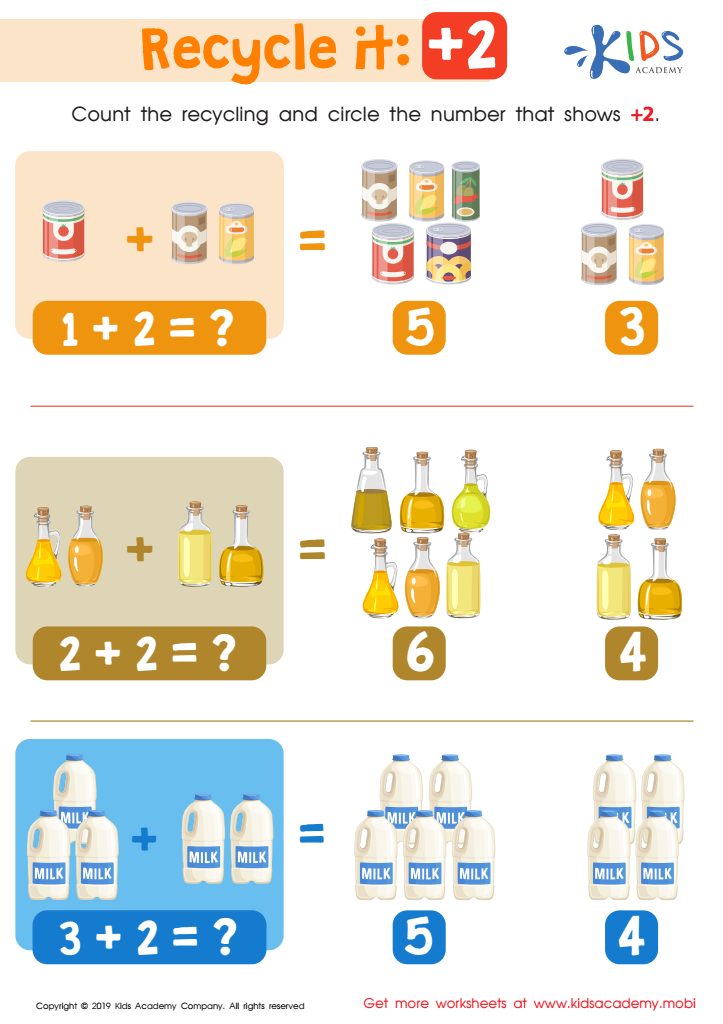
Recycle It: +2 Worksheet
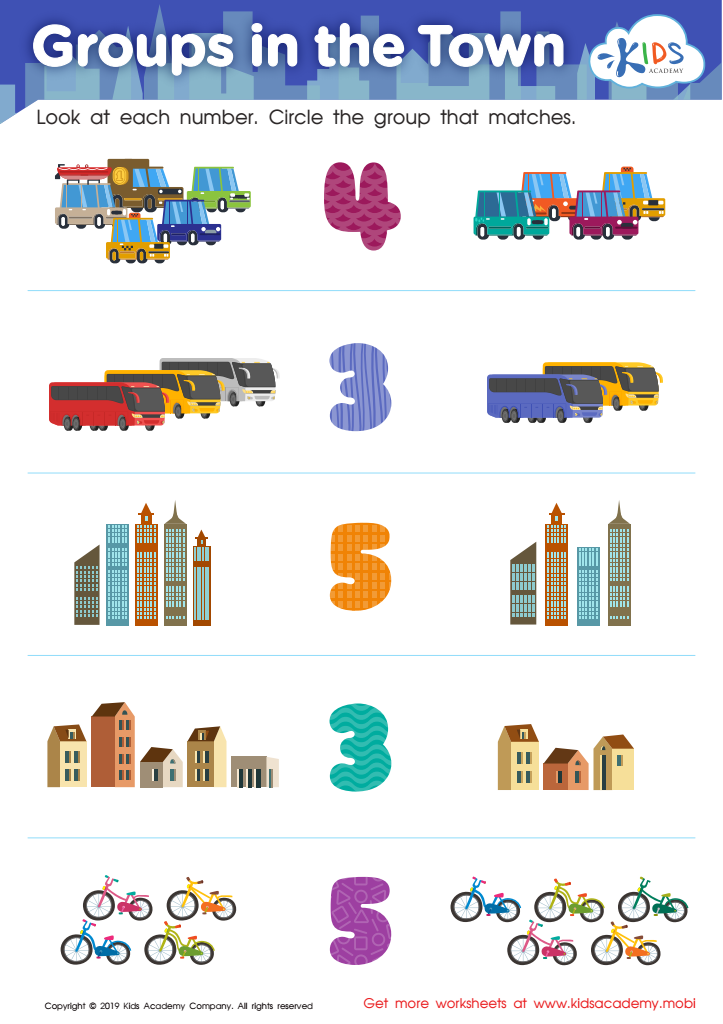
Groups in the Town Worksheet







Categorization skills are foundational cognitive abilities that help children ages 3-5 make sense of the world around them. At this stage, children's brains are rapidly developing, and their ability to sort, organize, and label items is crucial for several reasons.
Firstly, categorization aids in language development. When children group objects by similarities, they learn new words and concepts, enriching their vocabulary and comprehension. For example, knowing that an apple and a banana both fall under the category of "fruit" helps children understand and use these words more effectively.
Secondly, these skills enhance problem-solving abilities. By sorting objects, children learn to distinguish between different attributes (like size, color, and shape), which lays the groundwork for critical thinking and logical reasoning. For instance, recognizing that only red blocks fit into the "red" box fosters the application of rules-based thinking.
Thirdly, categorization is essential for social skills. When children share toys or activities, the ability to group items helps them communicate better and engage more successfully in shared play.
Lastly, these skills prepare children for academic success by creating a framework for understanding more complex concepts in subjects like math and science.
Therefore, both parents and teachers should nurture these abilities through playful, interactive activities like sorting games or storytelling, which make learning organic and fun.








