History knowledge Easy Worksheets for Ages 3-5
3 filtered results
-
From - To
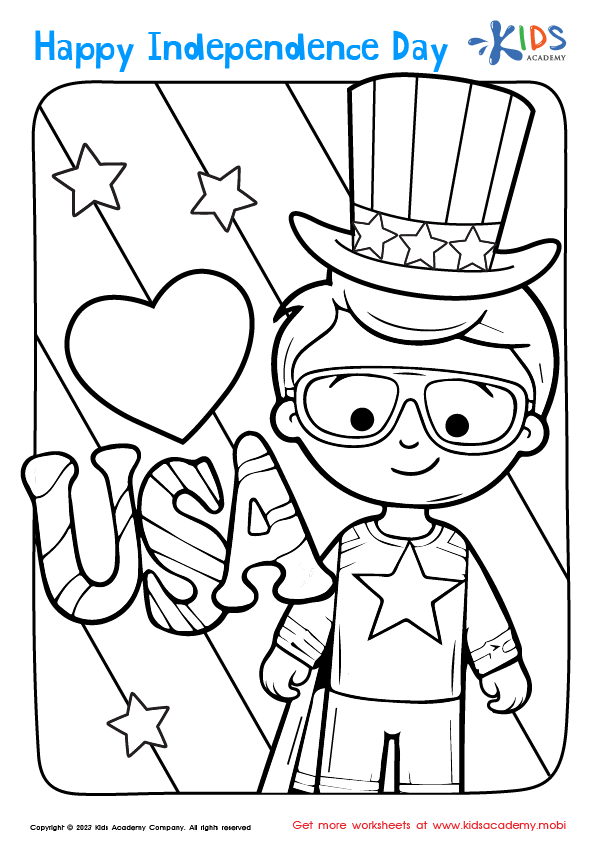
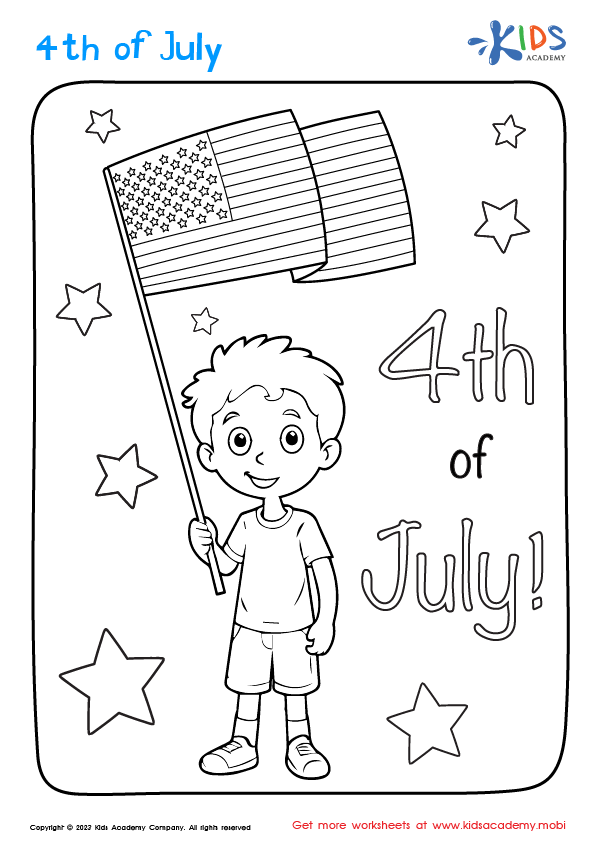
Introduce your little learners to the fascinating world of history with our easy-to-use worksheets designed specifically for ages 3-5. At Kids Academy, our History Knowledge worksheets aim to ignite curiosity and develop a foundational understanding of important past events and figures. Carefully crafted to be engaging and educational, each worksheet features simple activities like coloring, matching, and short stories, making learning about history fun and approachable for young minds. Enhance your child's cognitive and motor skills while laying the groundwork for future history lessons. Explore our collection today and inspire a lifelong love for learning and discovery!








Teaching young children about history might seem unnecessary, but it's actually very important for several reasons. At ages 3 to 5, kids are naturally curious and eager to learn about the world around them. Introducing history at this age helps build a foundation for understanding their culture, community, and the world they live in. Knowing about previous events helps them make sense of current happenings and understand how things have changed over time.
History education can also teach essential skills such as critical thinking and empathy. When children hear stories about people from the past, they begin to understand that everyone has their own experiences and challenges. This understanding can help them develop a stronger sense of empathy and compassion for others.
Additionally, learning about historical figures and events can inspire children. For example, stories of bravery, kindness, and innovation can motivate them to strive for their own goals and make positive contributions to society. Finally, a basic understanding of history at an early age prepares children for more advanced learning in the future, providing them with a sense of identity and continuity.
In brief, teaching history to young children helps shape their character, broadens their understanding, and plants the seeds for informed, empathetic adults.








