Logical Reasoning Easy Worksheets for Ages 3-5
6 filtered results
-
From - To
Welcome to our "Logical Reasoning Easy Worksheets for Ages 3-5"! Designed to spark young minds, our worksheets introduce foundational logical reasoning skills in a fun and engaging way. Tailored for preschoolers, these printable activities include shapes, patterns, sequences, and comparisons, fostering critical thinking and problem-solving abilities. Each worksheet is colorful and interactive, ensuring that learning remains enjoyable. Perfect for home or classroom use, these resources help children develop essential cognitive skills while encouraging creativity and exploration. Empower your little learners today with our thoughtfully crafted logical reasoning worksheets, paving the way for a bright academic future!
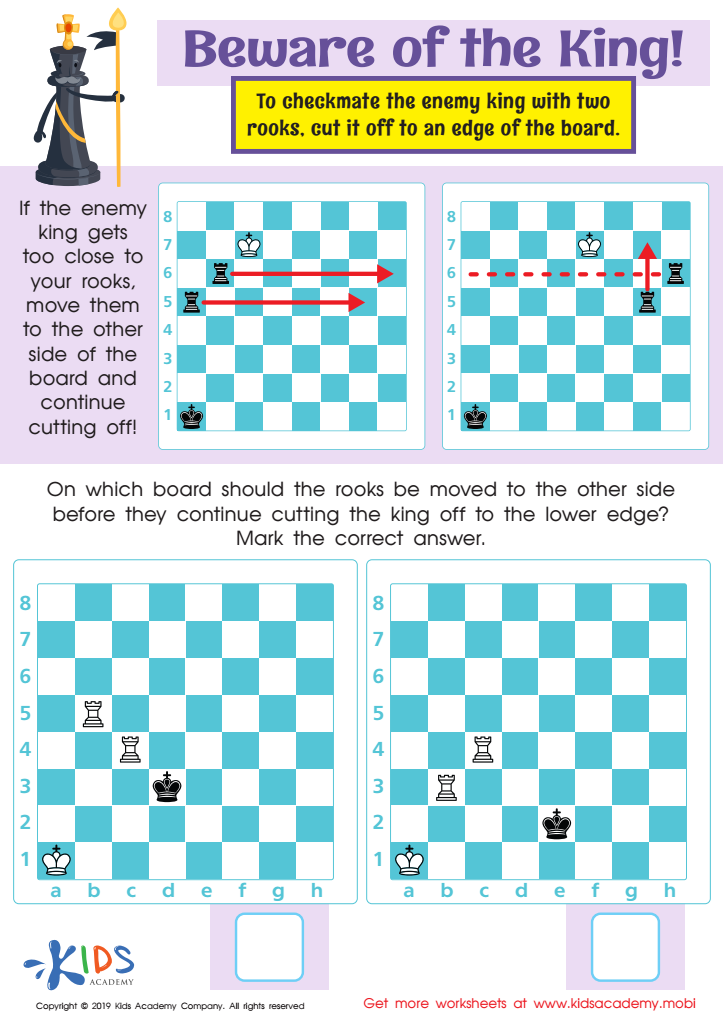
Beware of the King! Worksheet
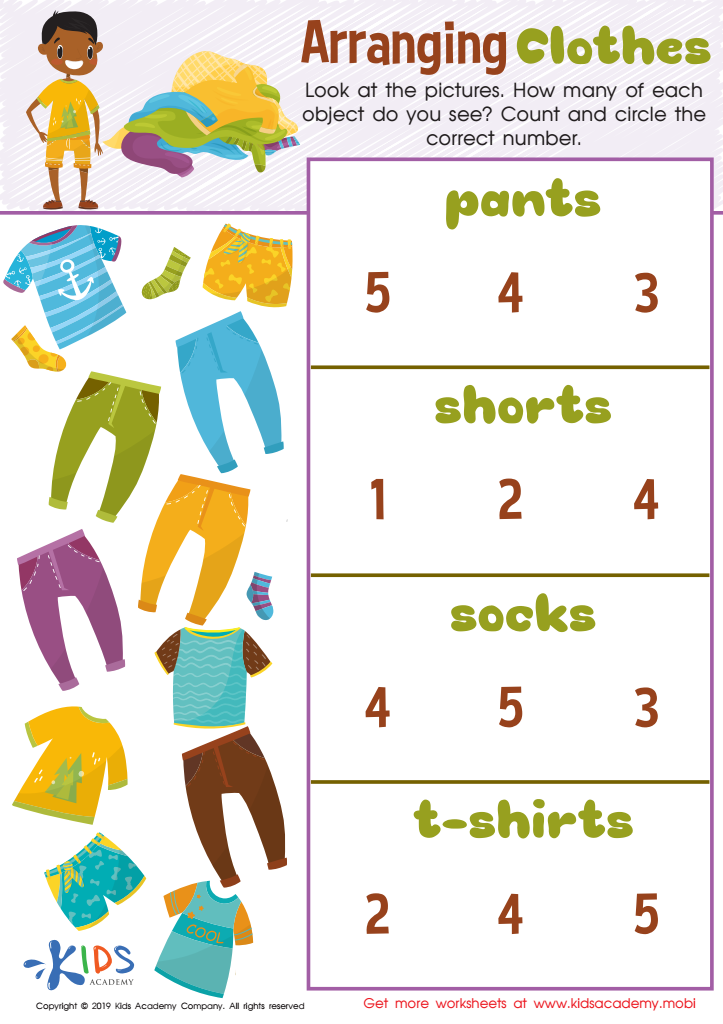
Arranging Clothes Worksheet
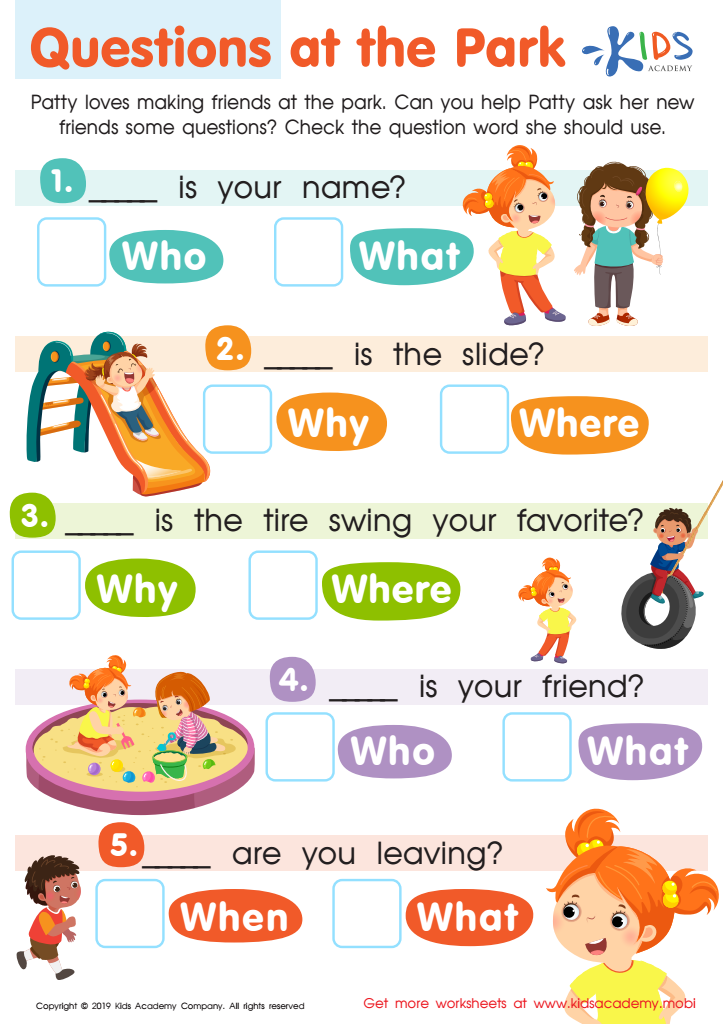
Questions at the Park Worksheet
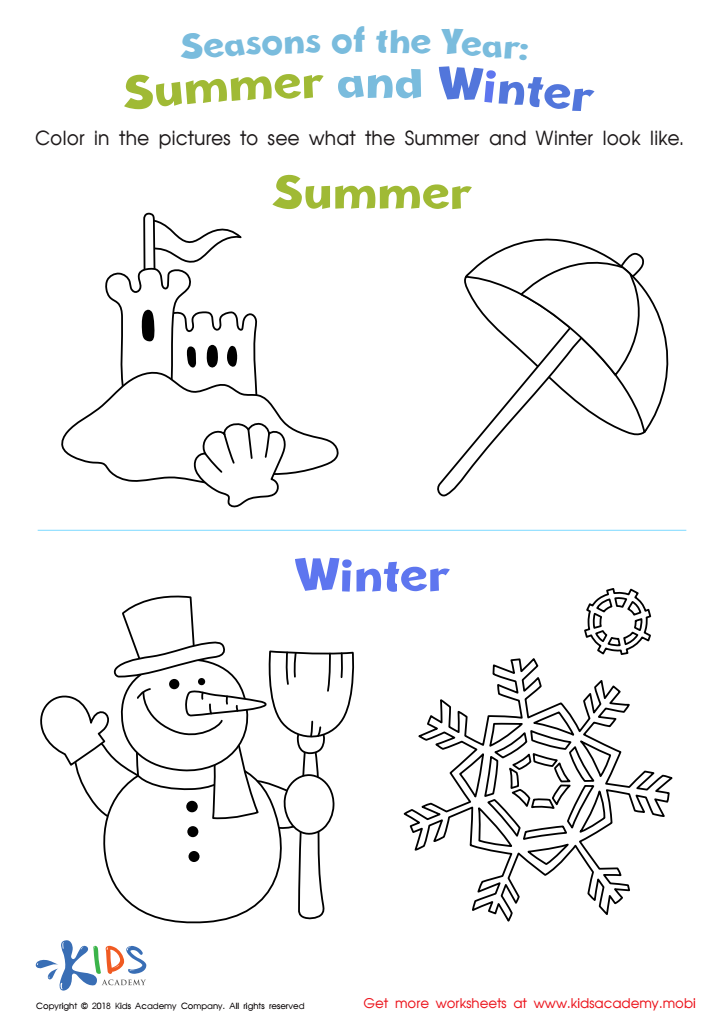
Summer and Winter Worksheet
 Assign to My Students
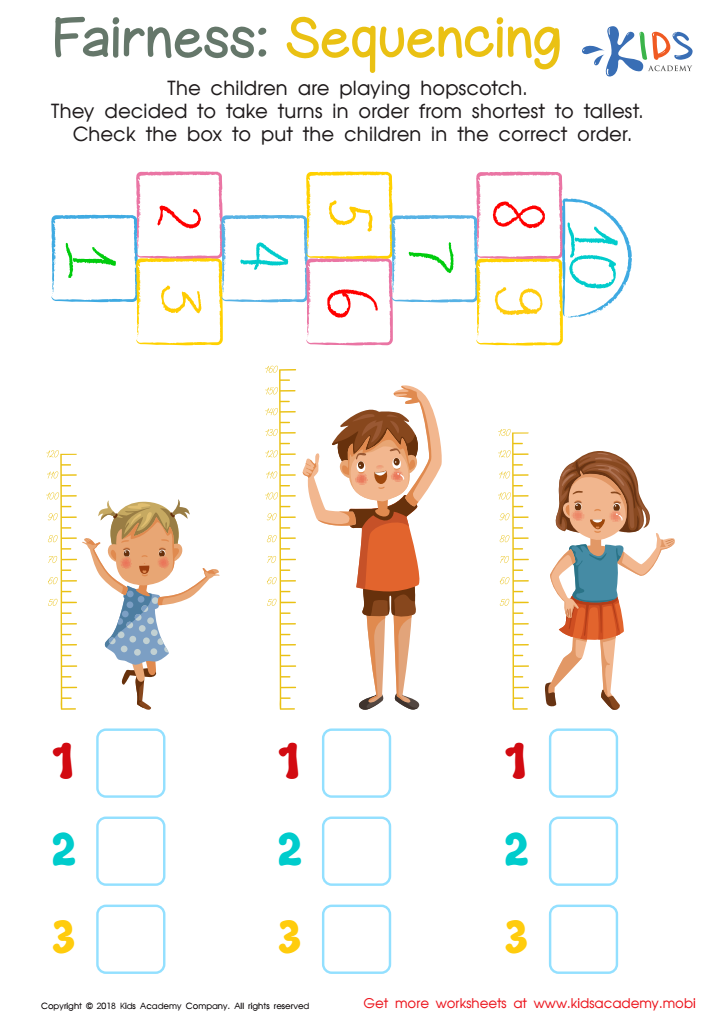
Fairness: Sequencing Worksheet
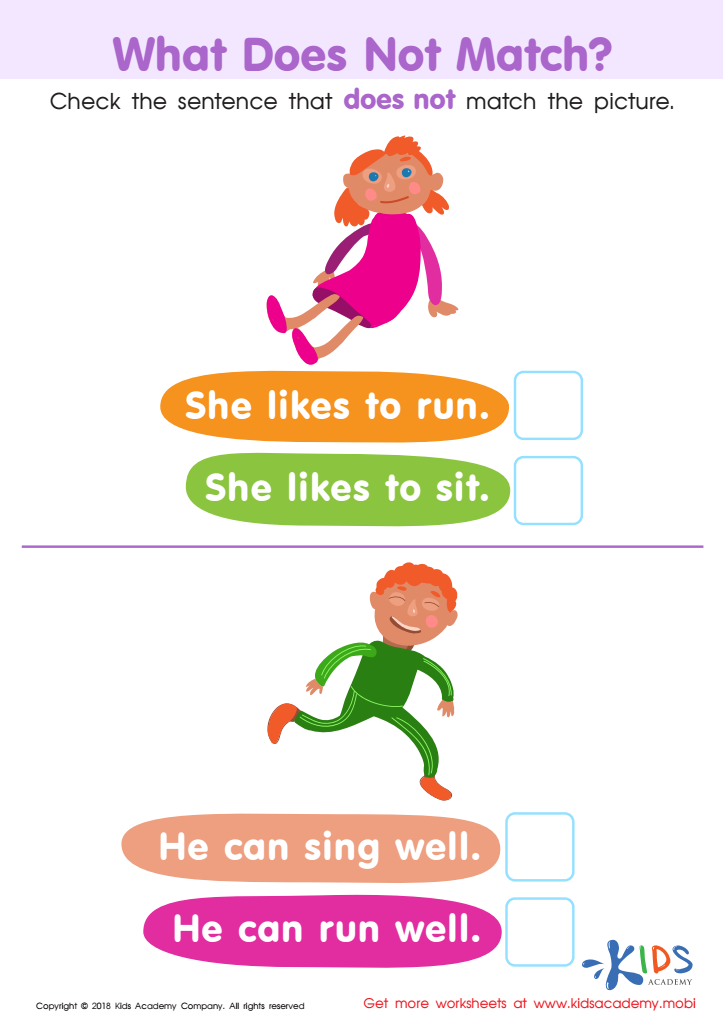
What Does Not Match? Worksheet







Logical reasoning is a foundational skill that plays a crucial role in a child’s cognitive development, especially for ages 3-5. During these formative years, children's brains are highly receptive, making it an ideal time for early exposure to logic-based activities that promote critical thinking and problem-solving skills. Engaging with logical reasoning exercises helps children learn to identify patterns, make decisions, and understand cause-and-effect relationships.
Parents and teachers should care about fostering logical reasoning in young children because it lays the groundwork for future academic success. Skills developed during this stage translate into improved math and literacy abilities later on. Additionally, logical reasoning contributes to emotional and social development by encouraging children to consider different perspectives, enhancing their empathy and communication skills.
Moreover, incorporating logical reasoning into play helps make learning fun and interactive, fostering a love for learning that can last a lifetime. By nurturing these skills early on, parents and teachers can equip children with the tools they need to navigate life's challenges, enhancing their overall resilience and adaptability. In essence, promoting logical reasoning during these critical years is key to holistic child development, ensuring that future learners are prepared to succeed academically and socially.








