Number Recognition Easy Worksheets for Ages 3-5 - Page 4
87 filtered results
-
From - To
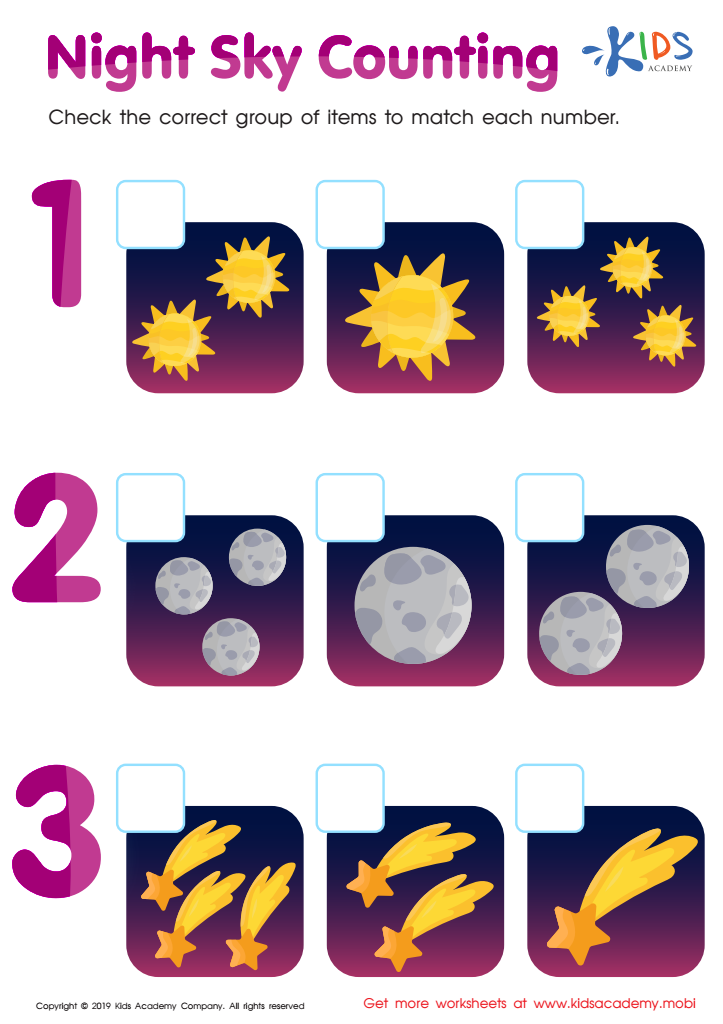
Night Sky Counting Worksheet
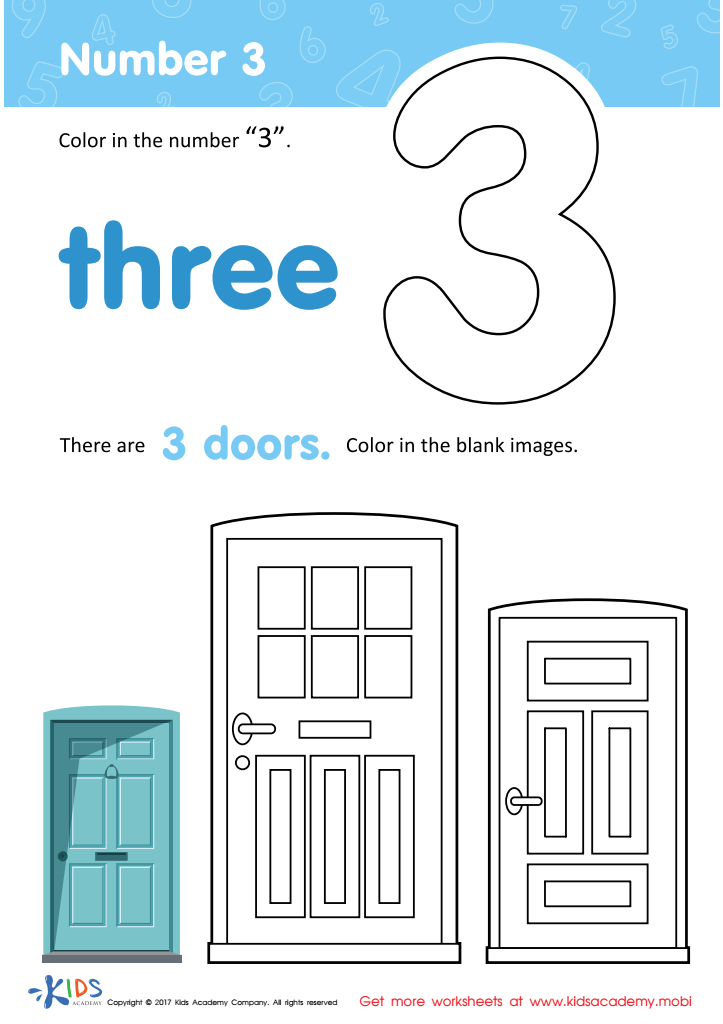
Number 3 Worksheet
 Assign to My Students
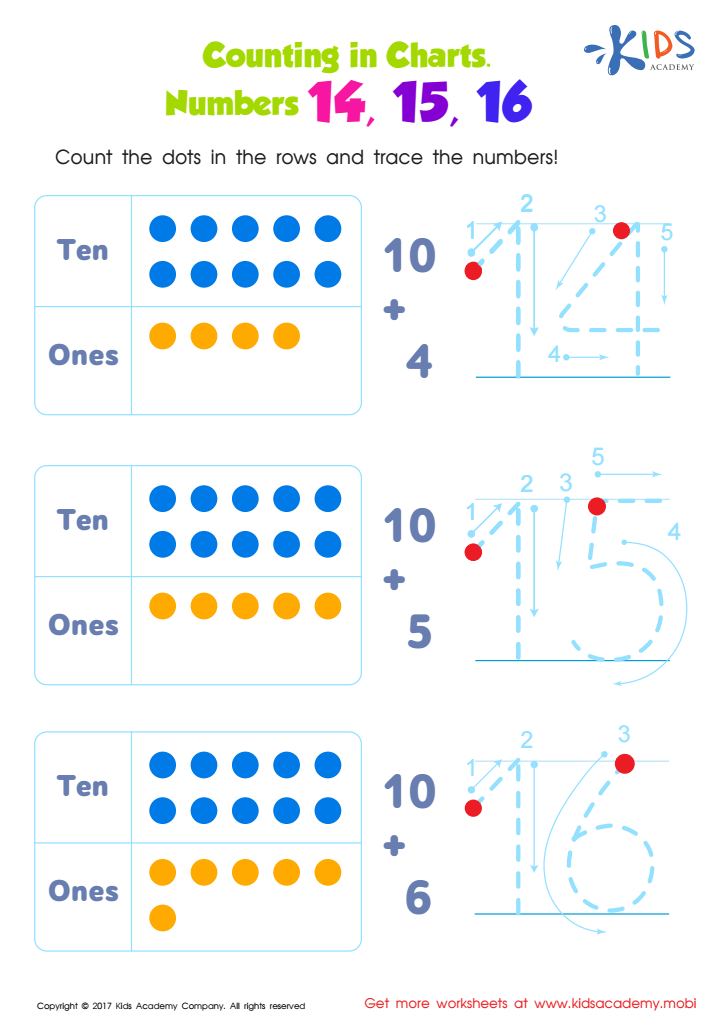
Number Tracing Worksheet
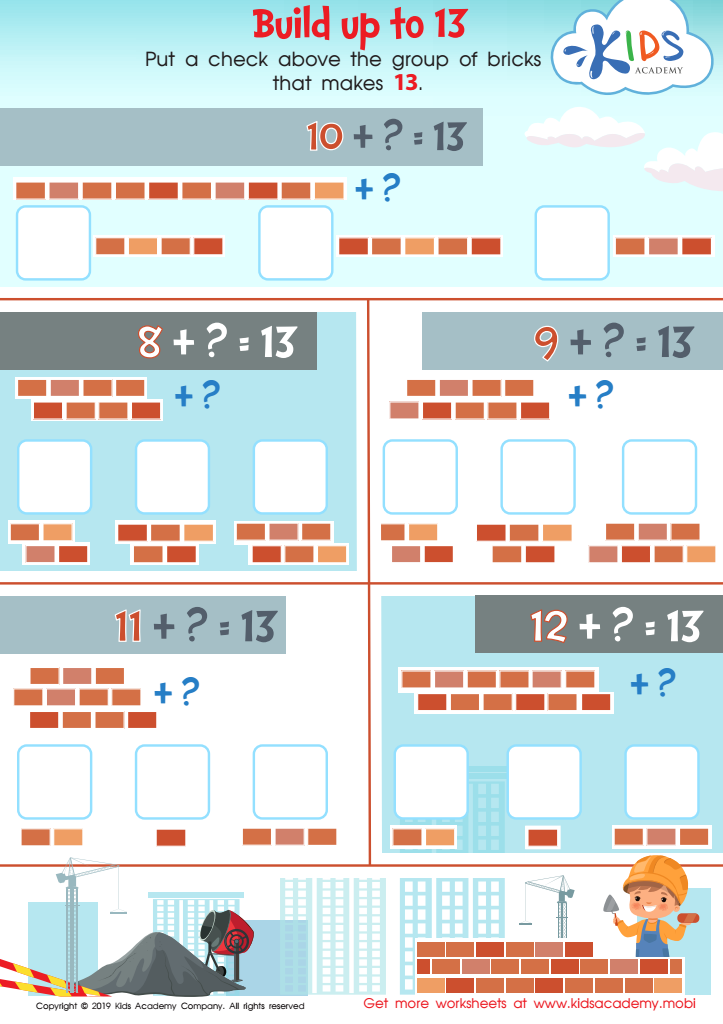
Build up to 13 Worksheet
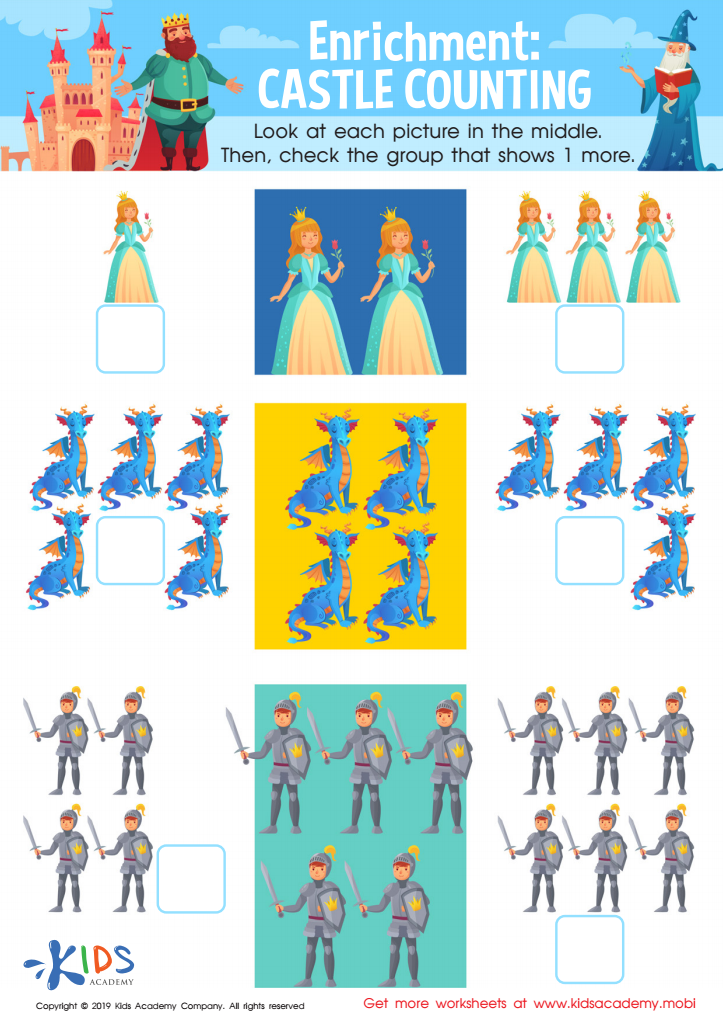
Enrichment: Castle Counting Worksheet
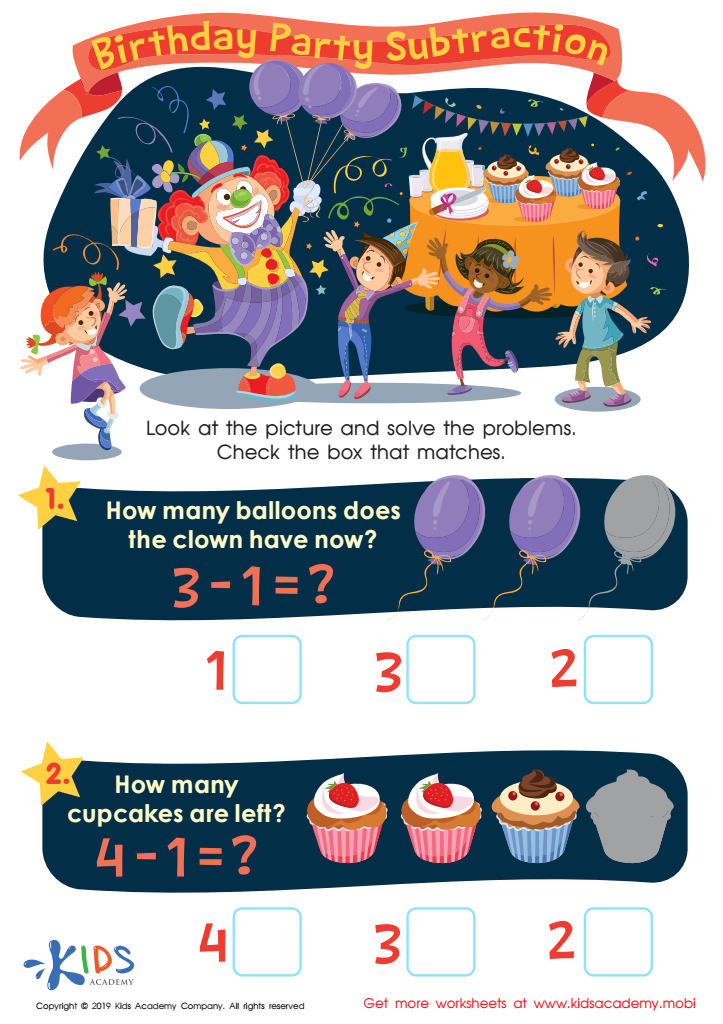
Birthday Party Subtraction Worksheet
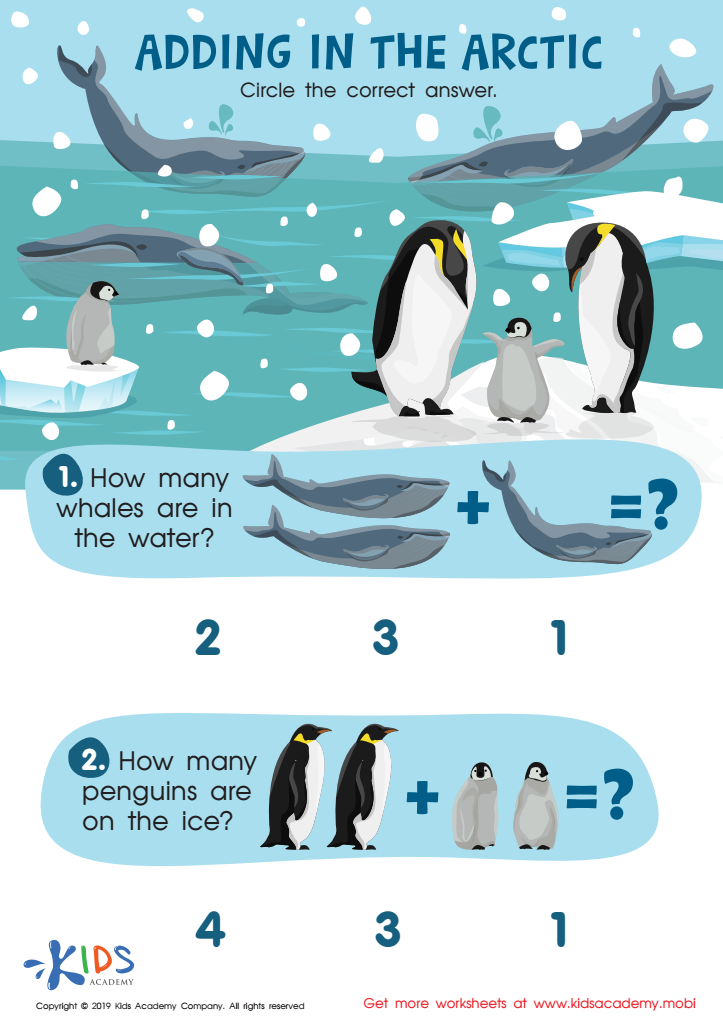
Adding in the Arctic Worksheet
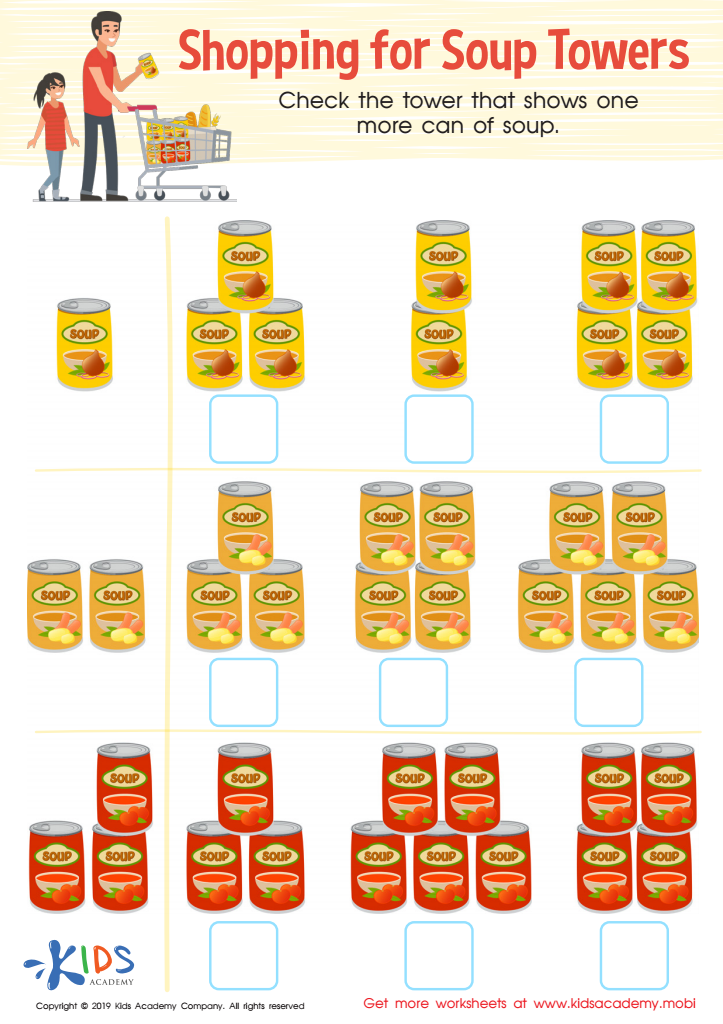
Soup Towers Worksheet
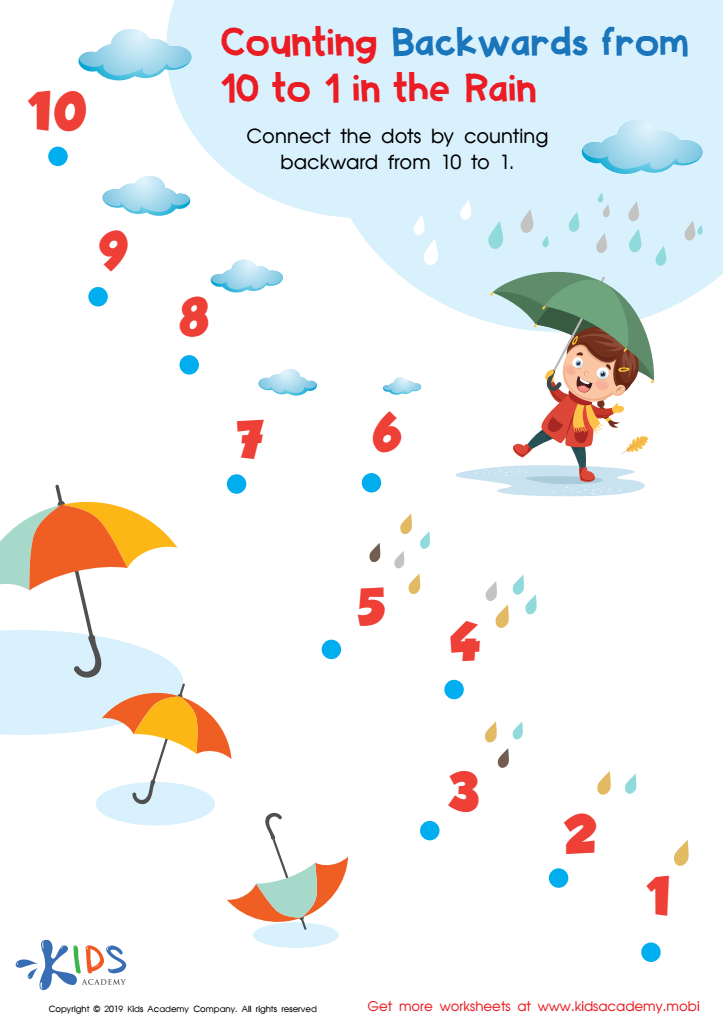
Counting Backwards from 10 to 1 in the Rain Worksheet
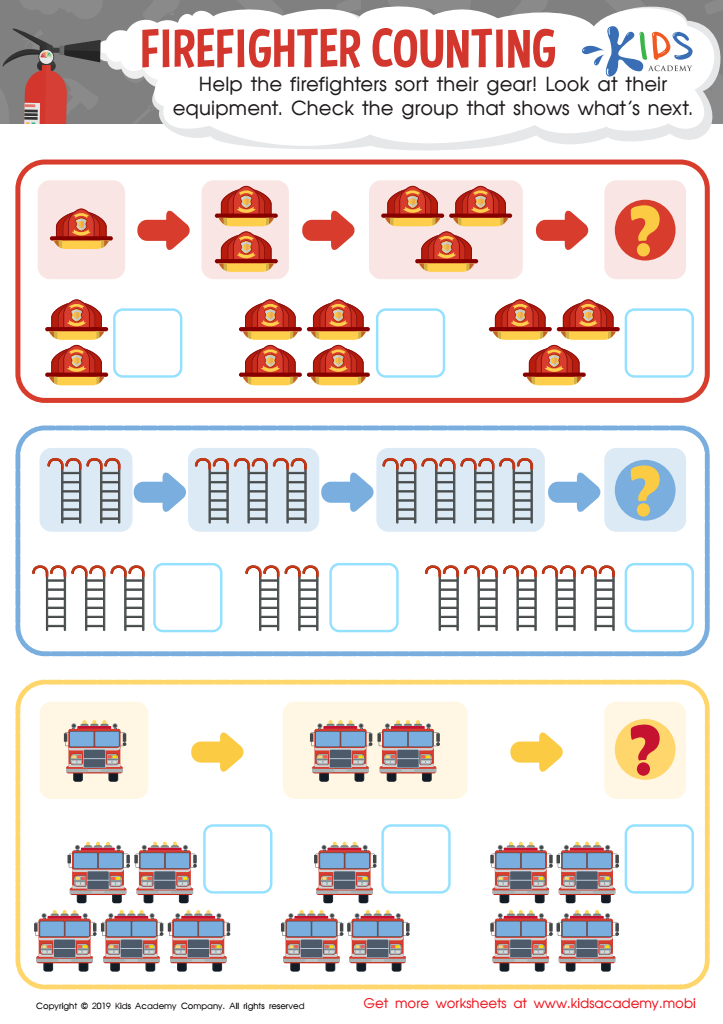
Firefighter Counting Worksheet
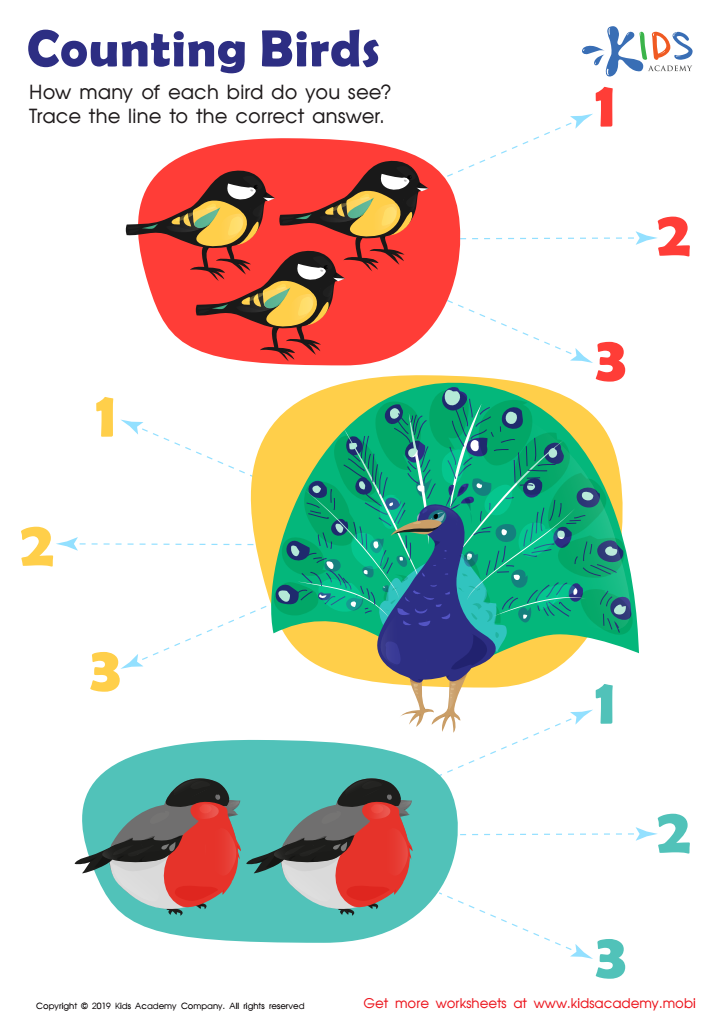
Counting Birds Worksheet
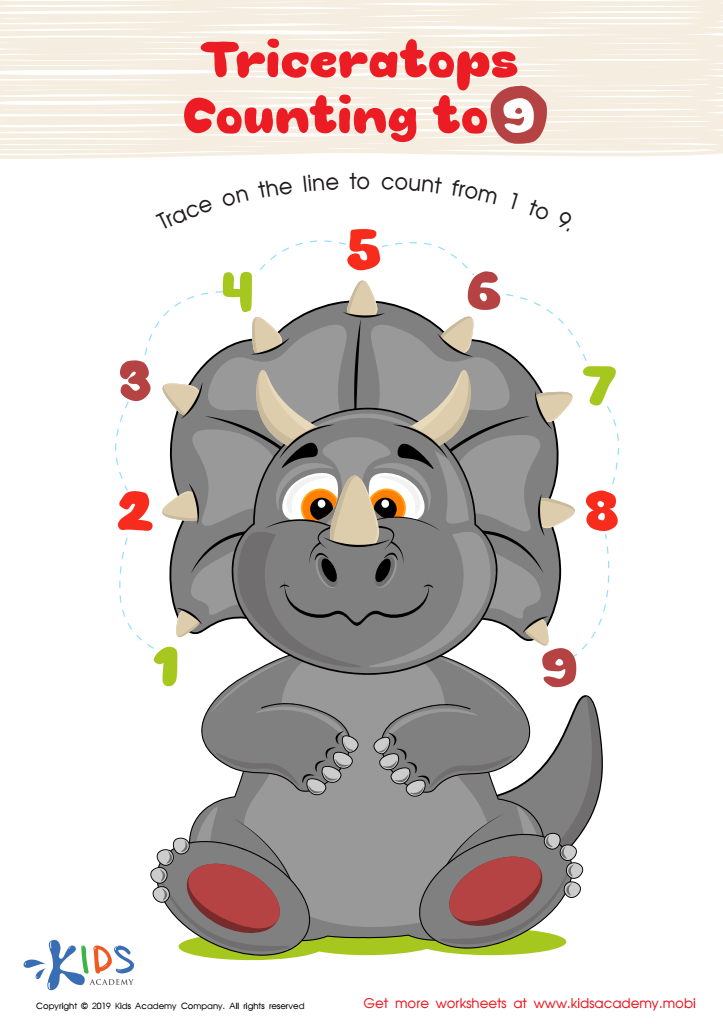
Triceratops Counting to 9 Worksheet

Counting on the City Skyline: Dot-to-Dot Worksheet
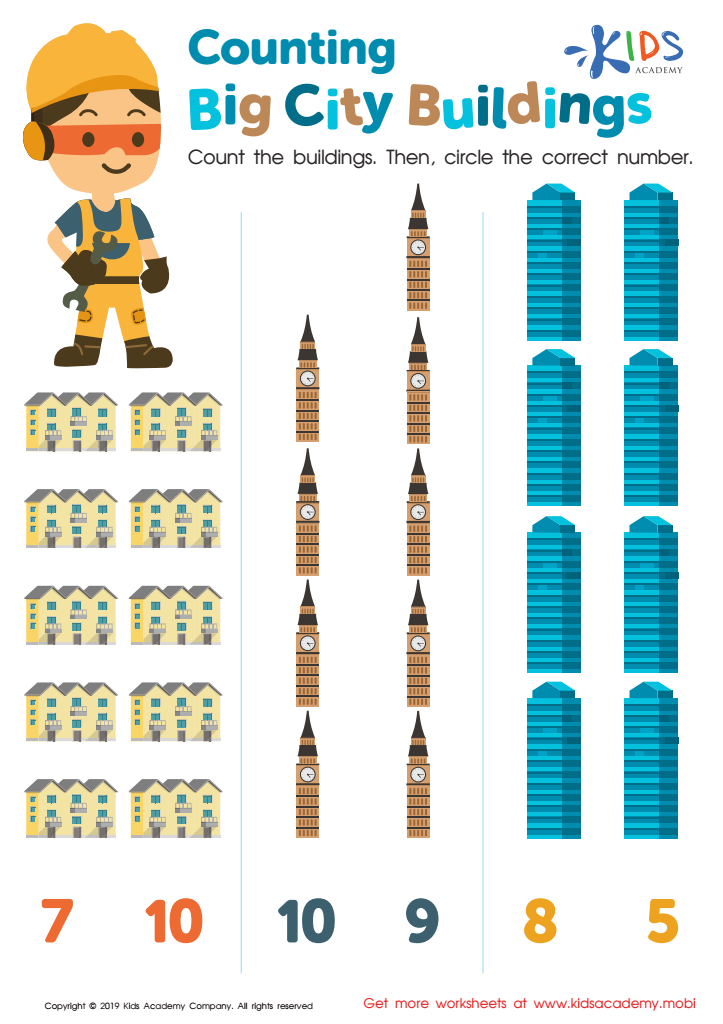
Counting Big City Buildings Worksheet

Night Sky Numbers Worksheet







Number recognition is a foundational skill critical for young learners, typically developed between ages 3-5. Parents and teachers should prioritize it because it serves as a building block for more complex mathematical concepts and everyday tasks. At this age, children's brains are highly receptive, and they can acquire these basics easily, laying a solid groundwork for future learning.
Understanding numbers goes beyond counting; young children begin to associate a numerical symbol with its respective quantity. This is crucial for developing number sense, which involves recognizing patterns, understanding relationships between numbers, and fostering everyday problem-solving skills. Without a strong grasp of numbers, children's future academic progress may be hindered, not only in mathematics but also in science, technology, and even literacy, as these subjects often incorporate quantitative aspects.
Moreover, early number recognition enhances a child's confidence and independence. Simple activities like counting steps, identifying prices at a store, or distinguishing time on a clock empower them to navigate real-world situations effectively. Engaging children in playful, age-appropriate number recognition exercises helps cultivate a positive attitude towards learning, encourages inquisitiveness, and supports cognitive development. Thus, caring about number recognition in early childhood investment in a child's overall educational trajectory and everyday competence.








