Understanding opposites Easy Worksheets for Ages 3-5
4 filtered results
-
From - To
Discover our engaging "Understanding Opposites Easy Worksheets" specially designed for children aged 3-5! These worksheets help young learners explore basic concepts of opposites, enhancing their vocabulary and critical thinking skills. Through fun activities like matching, coloring, and drawing, kids will grasp the idea of pairs such as hot/cold, big/small, and fast/slow in a playful manner. Our user-friendly worksheets not only cater to preschool learning but also encourage creativity and independence. Ideal for both home and classroom settings, these worksheets provide a solid foundational understanding of opposites, making learning enjoyable and effective for your little ones! Start exploring today!
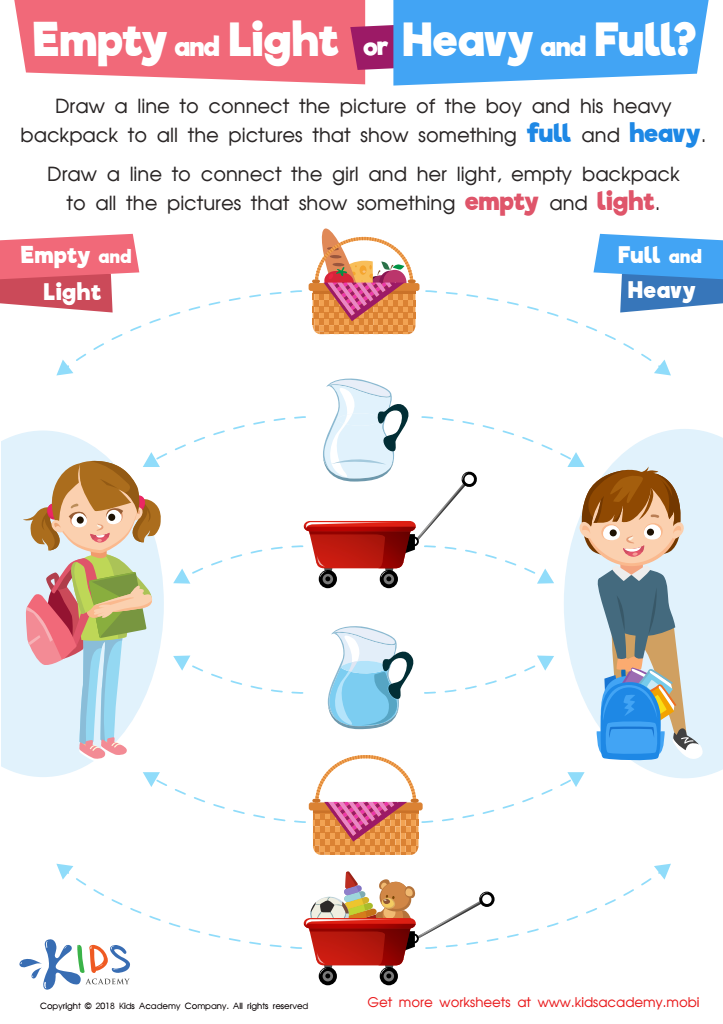
Empty and Light or Heavy and Full? Worksheet
 Assign to My Students
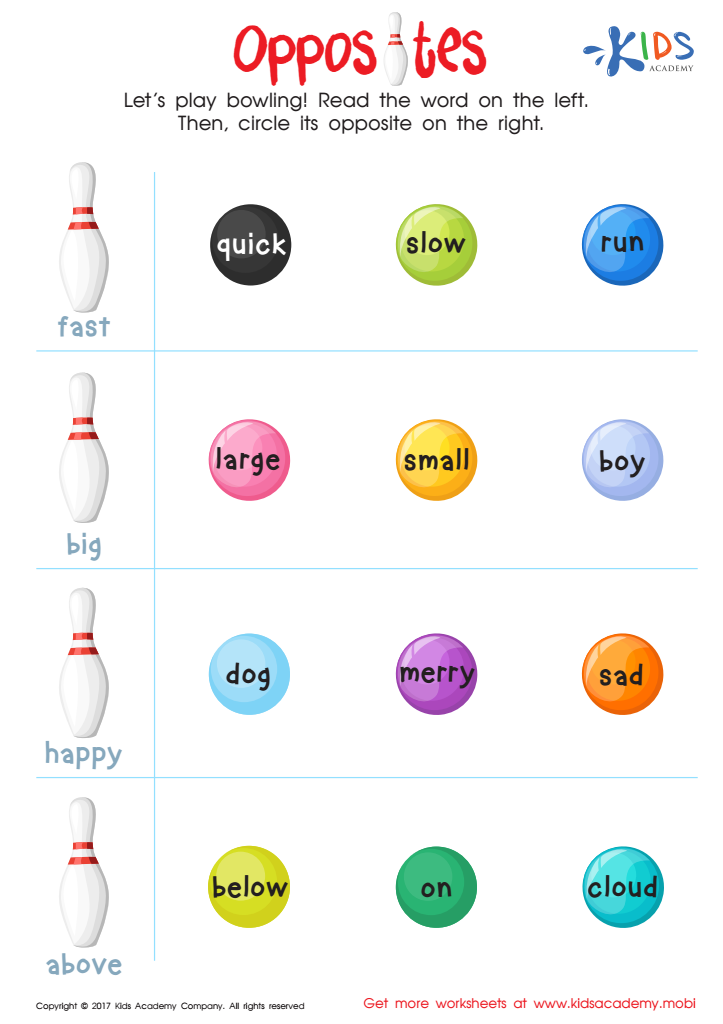
Opposites Worksheet
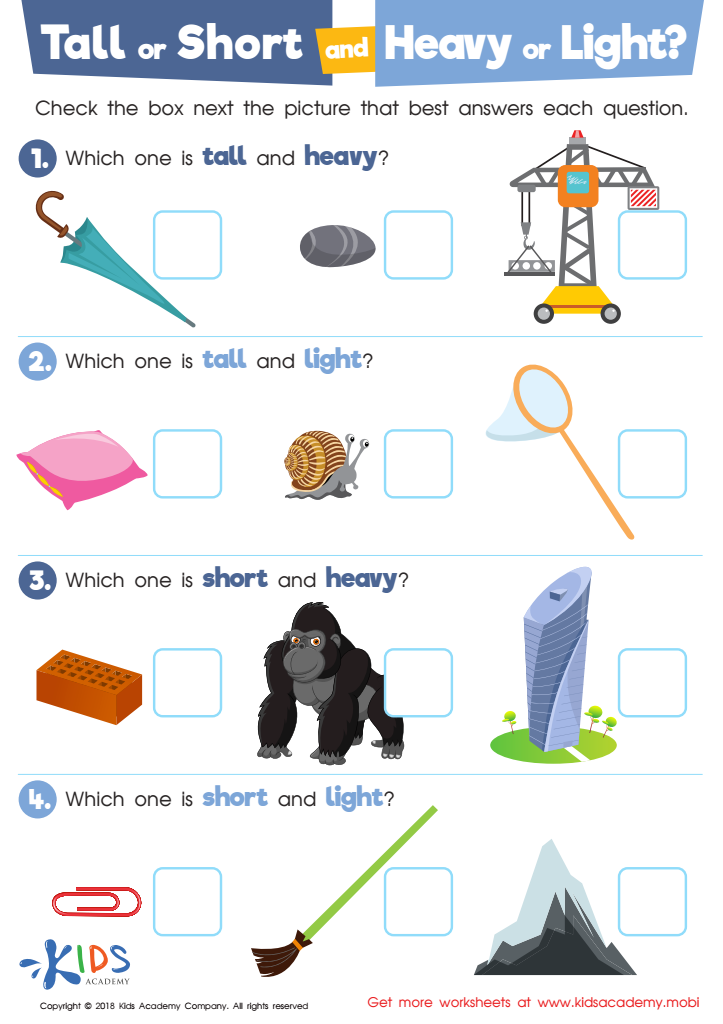
Tall or Short and Heavy or Light? Worksheet
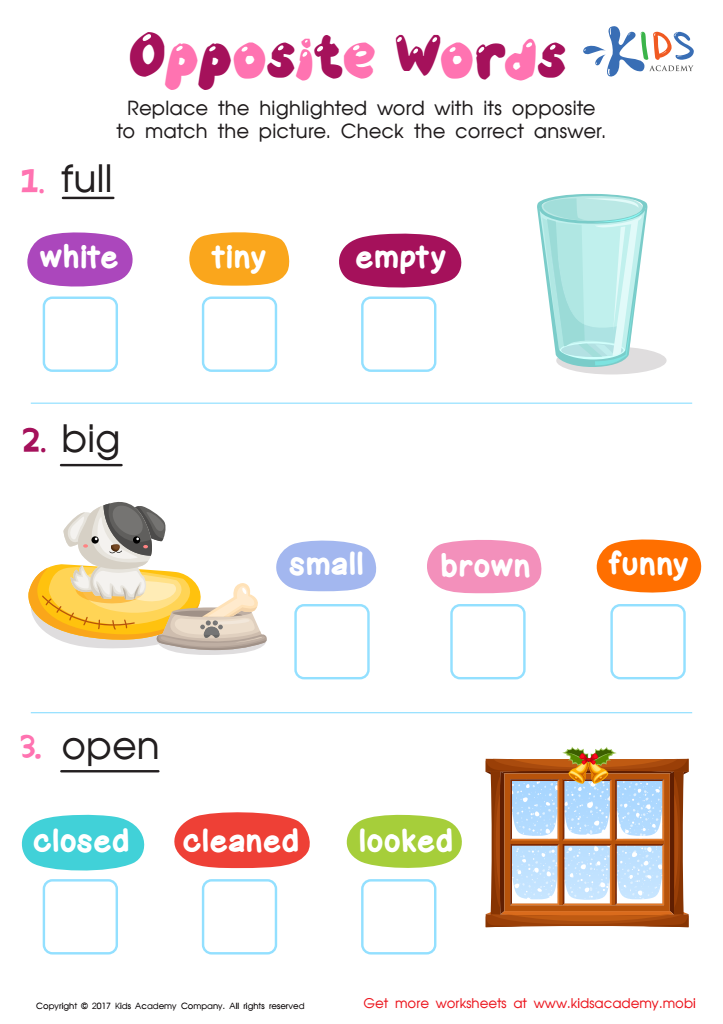
Opposite Words Worksheet




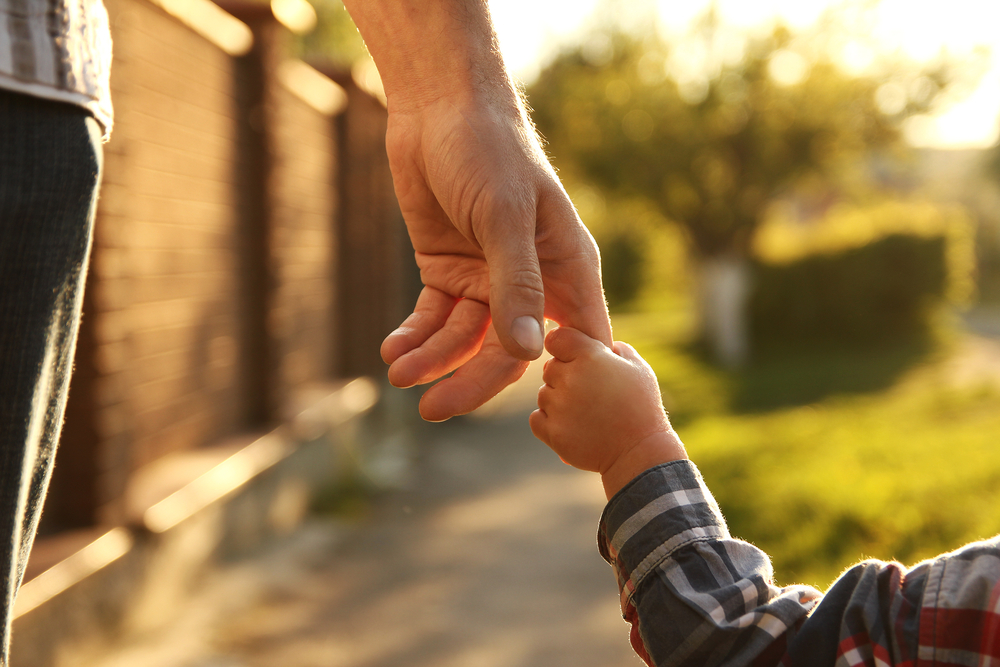


Understanding opposites is a foundational concept that plays a vital role in early childhood development. For children aged 3-5, learning about opposites helps enhance their cognitive skills and language development. Recognizing pairs of opposites, such as big/small, hot/cold, or happy/sad, encourages children to expand their vocabulary and improve their communication abilities. It also aids in the development of critical thinking skills, as children begin to categorize and compare different attributes in their environment.
Moreover, grasping the concept of opposites supports emotional understanding and social interactions. This knowledge helps children better articulate their feelings and recognize the feelings of others. For instance, when a child understands the concept of happy and sad, they can express their emotions more effectively and show empathy towards their peers.
Additionally, understanding opposites enhances problem-solving abilities. Children can apply this knowledge to everyday scenarios, like figuring out how to dress appropriately for different weather conditions. Overall, both parents and teachers play an essential role in guiding children through this learning process, as it not only enriches their understanding of the world but also builds a solid foundation for future educational progress. Understanding opposites promotes a variety of skills that are crucial for well-rounded early development.








