Number Recognition Easy Counting Worksheets for Ages 3-5
6 filtered results
-
From - To
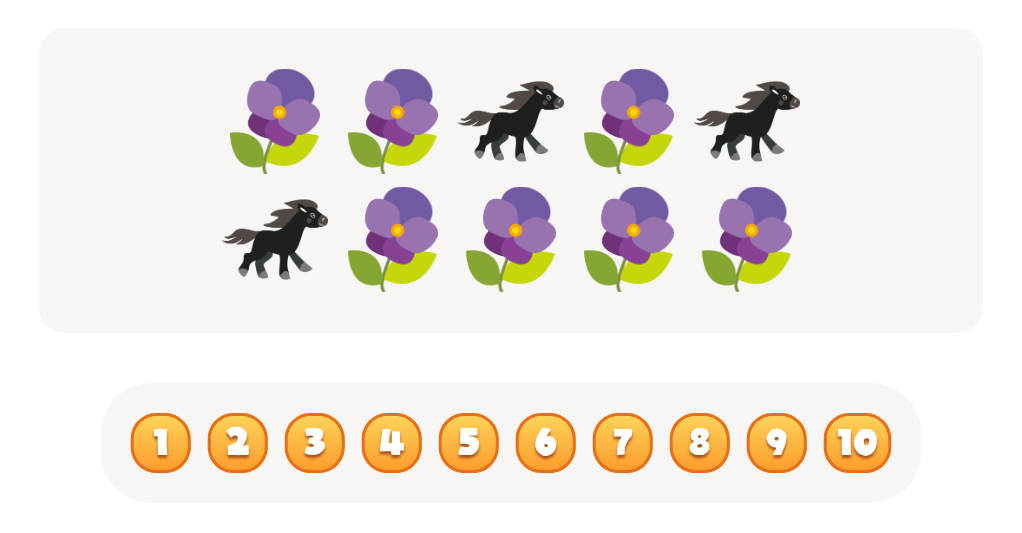
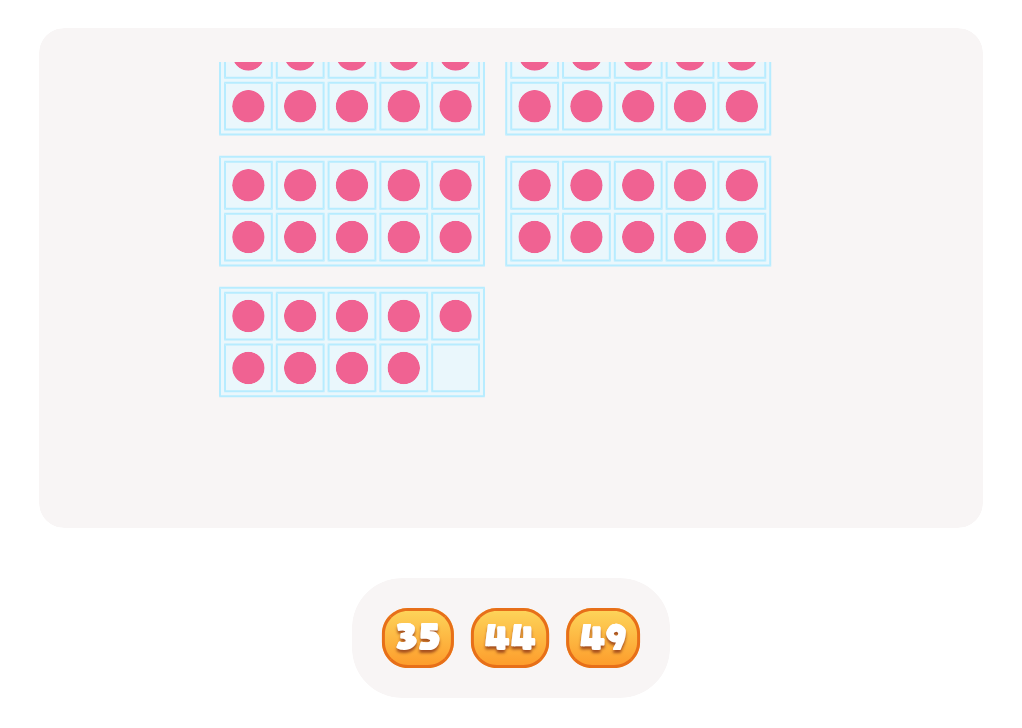
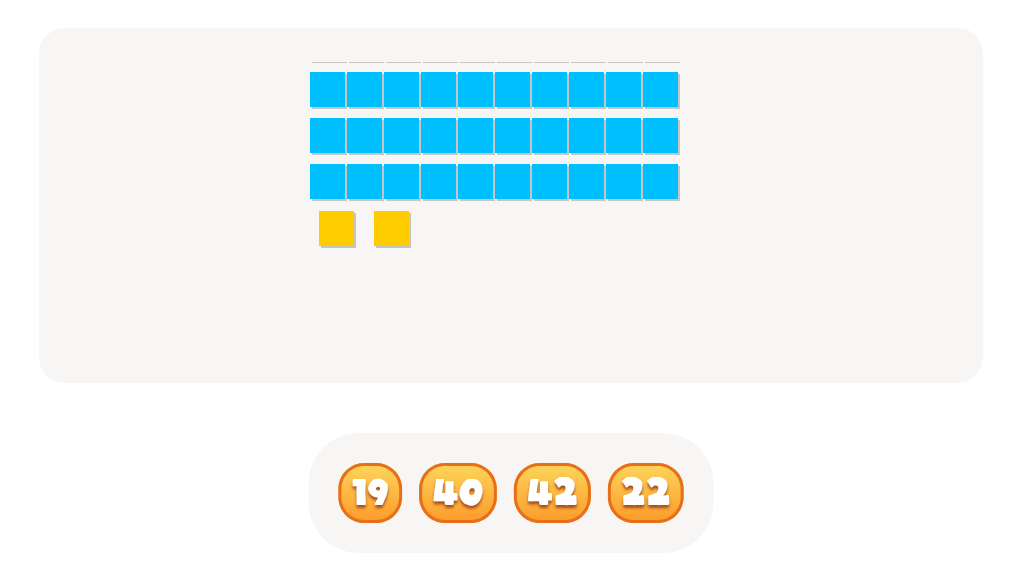
Enhance your child's early math skills with our "Number Recognition Easy Counting Worksheets" designed for ages 3-5. These engaging and visually appealing worksheets make learning fun, helping young learners easily recognize numbers and practice counting. Featuring a variety of activities, including tracing numbers, counting objects, and matching, these worksheets boost number recognition while fostering fine motor skills. Ideal for parents and educators, our resources support a child's foundational understanding of numbers in a playful way. Download and print these worksheets to create an interactive learning experience that prepares your little one for future math adventures. Start building their confidence in counting today!
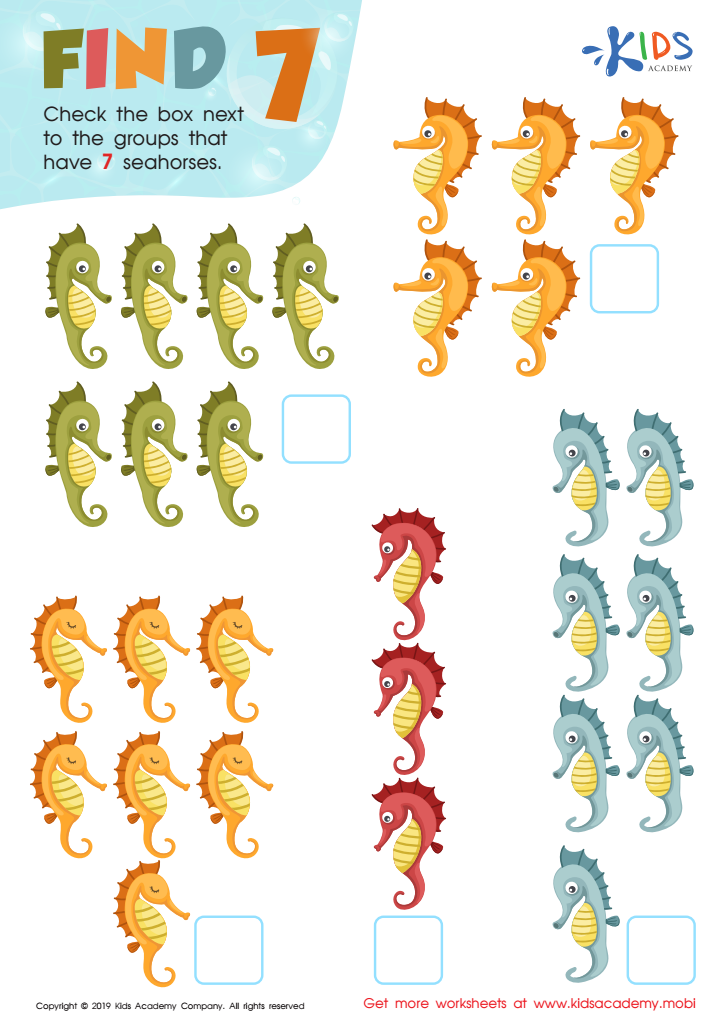
Find 7 Worksheet
 Assign to My Students



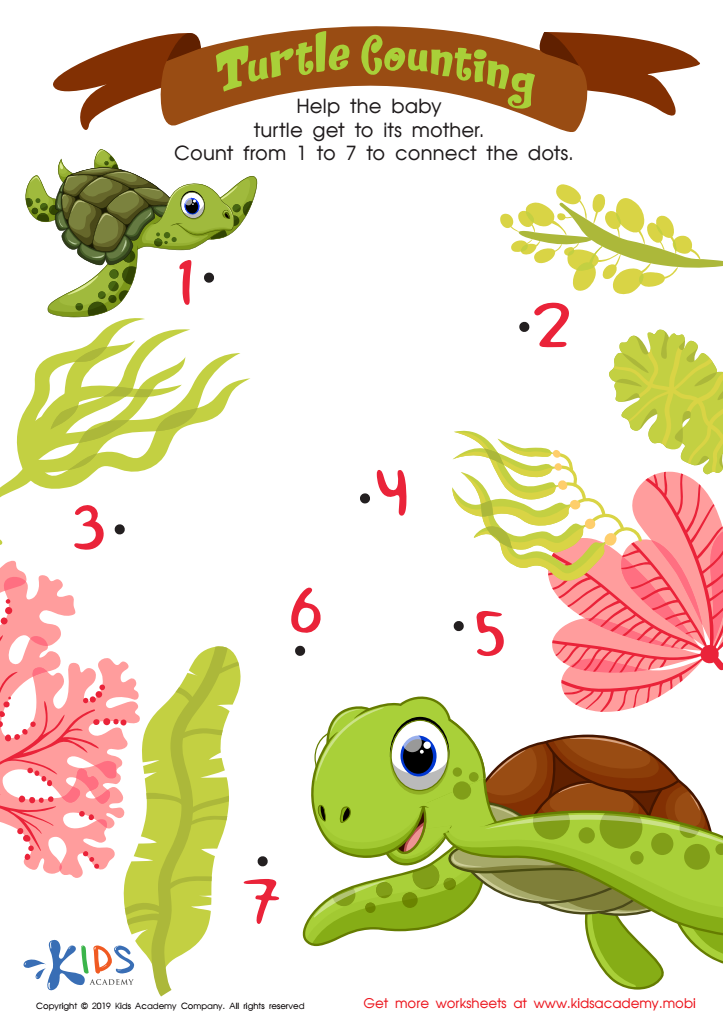
Turtle Counting Worksheet
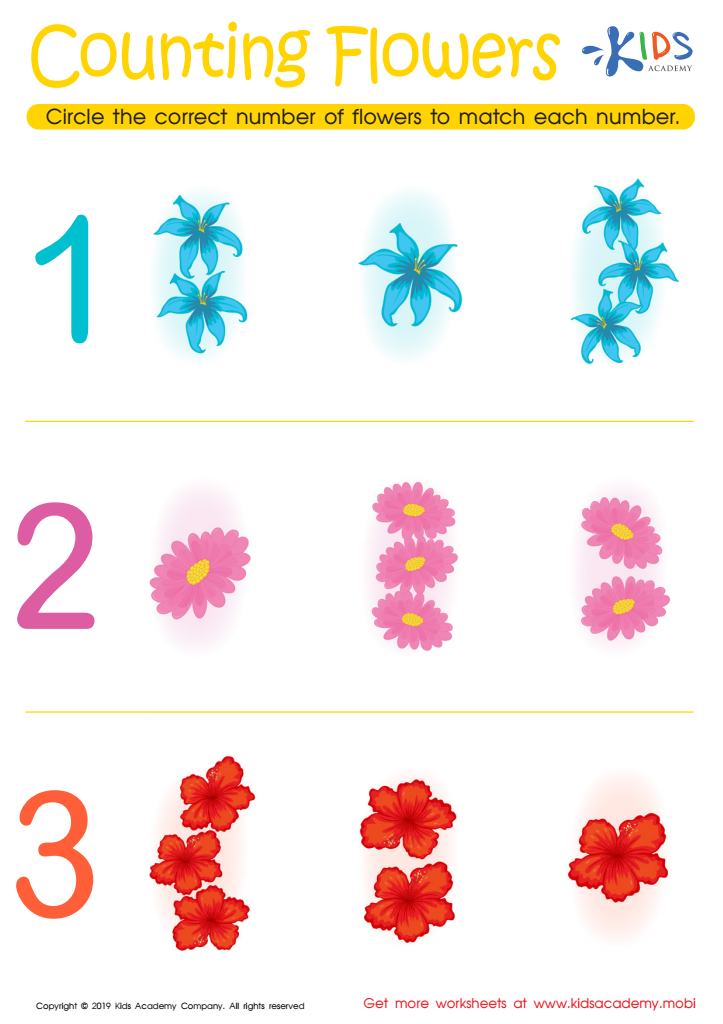
Counting Flowers Worksheet
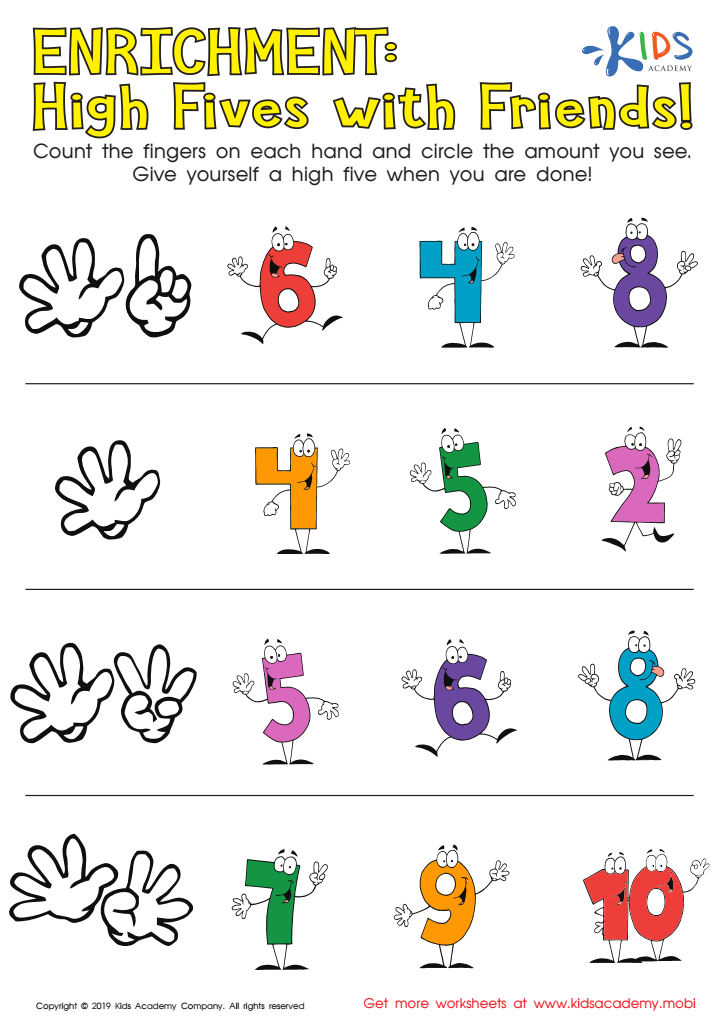
Enrichment: High Fives with Friends! Worksheet

Make 6 Worksheet
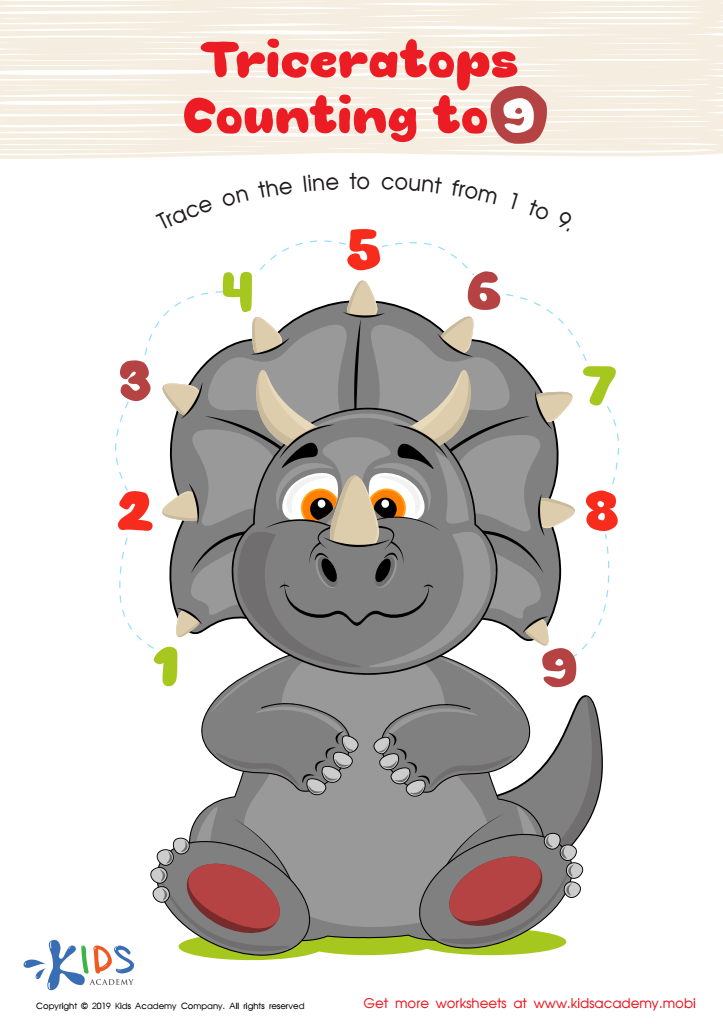
Triceratops Counting to 9 Worksheet



%20(1).jpg)


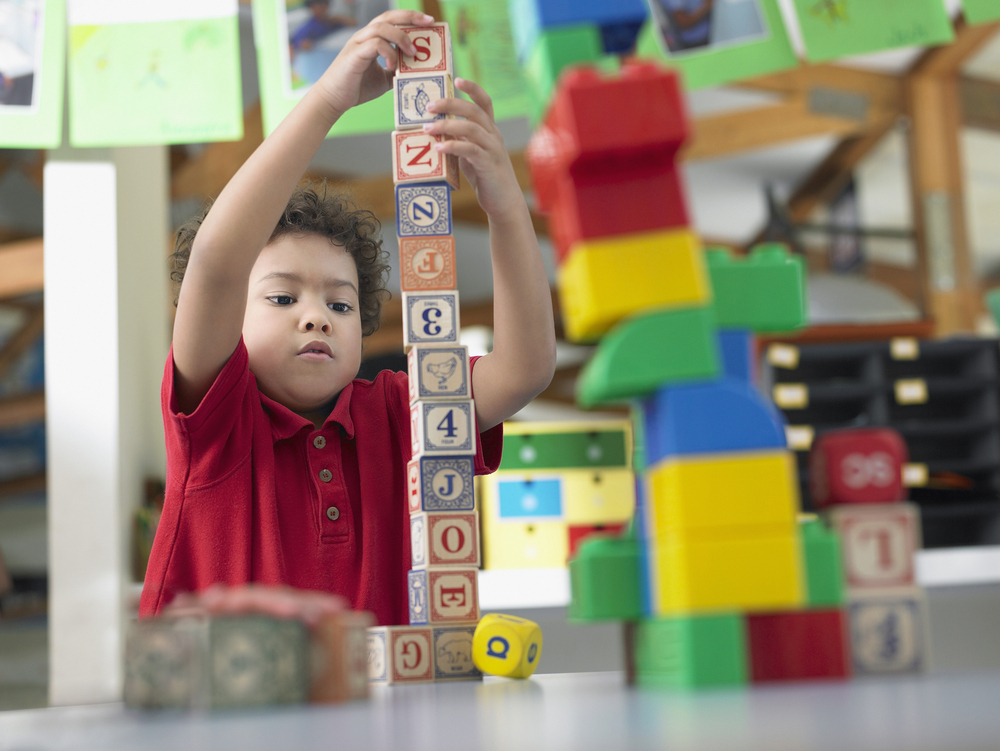

Number recognition and easy counting are foundational skills that greatly influence a child's future academic success. For ages 3-5, it’s crucial as it lays the groundwork for more complex mathematical concepts. By ensuring children can easily recognize numbers and understand basic counting, parents and teachers can help to develop logical thinking, problem-solving abilities, and quantitative reasoning.
Early exposure to number recognition enhances children's cognitive development and can lead to increased confidence in their mathematical skills. When children identify and engage with numbers in playful contexts—like counting toys or singing counting songs—they are more likely to develop a positive attitude towards math.
Furthermore, these skills support language development as children learn to articulate numerical concepts and connect them to their environment. This age group is highly impressionable, and successful early experiences with numbers can motivate ongoing interest and curiosity in learning.
Encouraging number recognition and counting not only prepares children for future academic endeavors but also life skills, as mathematical competence is essential in everyday activities. As partners in their education, both parents and teachers play a key role in nurturing these skills, fostering intellectual growth, and ensuring children thrive as they embark on their educational journeys.








