Counting skills Easy Math Worksheets for Ages 3-5 - Page 3
66 filtered results
-
From - To
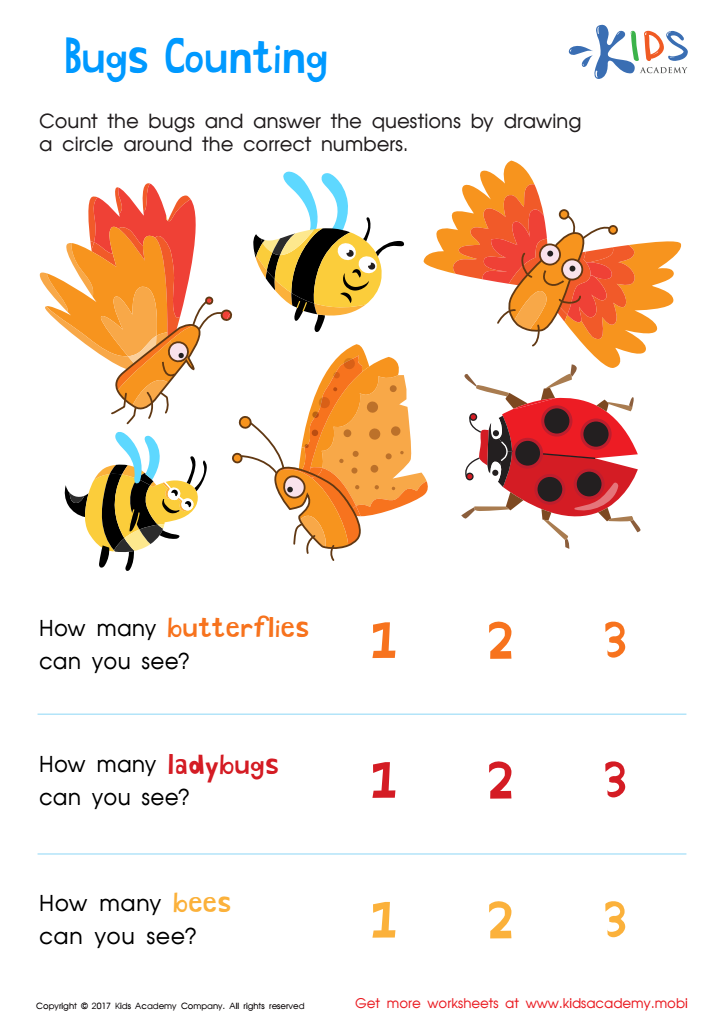
Bugs Counting Worksheet
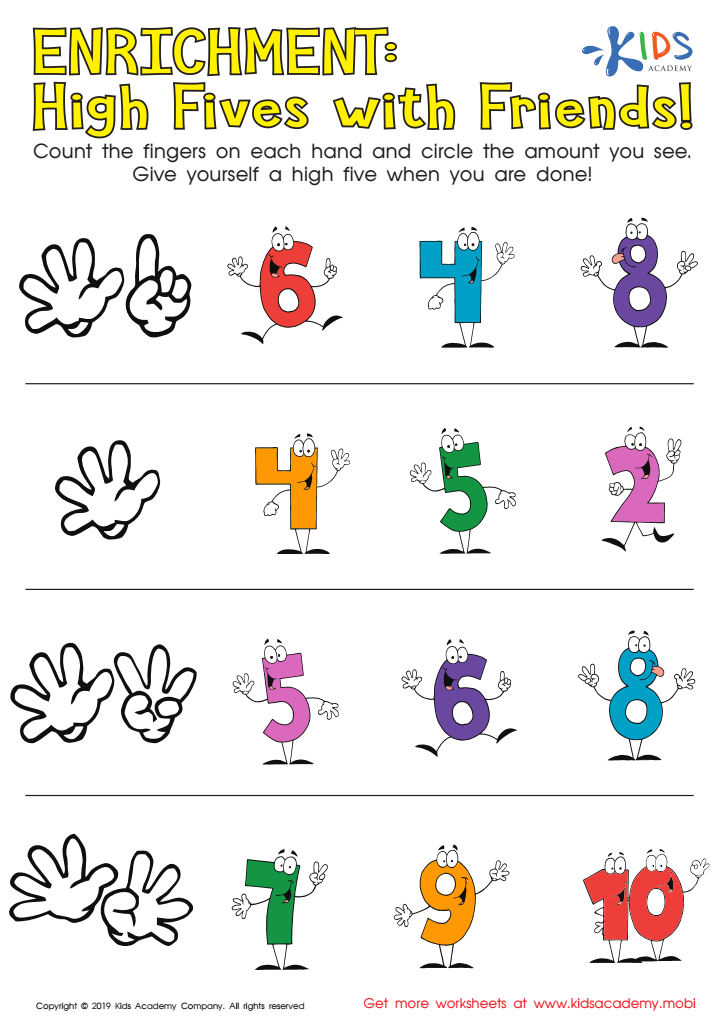
Enrichment: High Fives with Friends! Worksheet
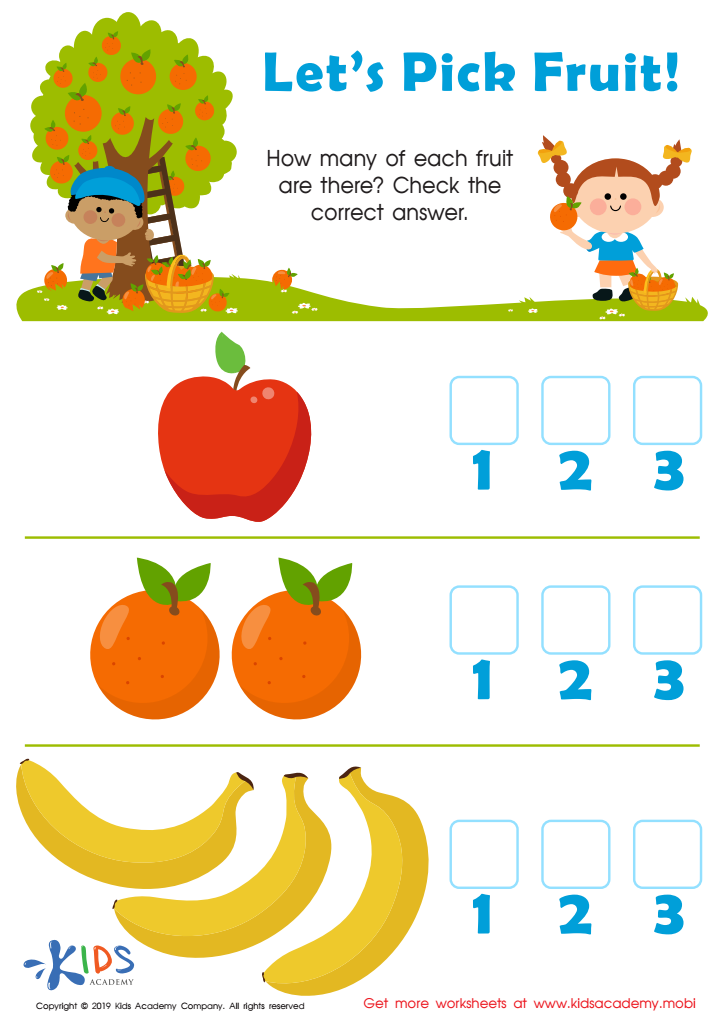
Let's Pick Fruit Worksheet
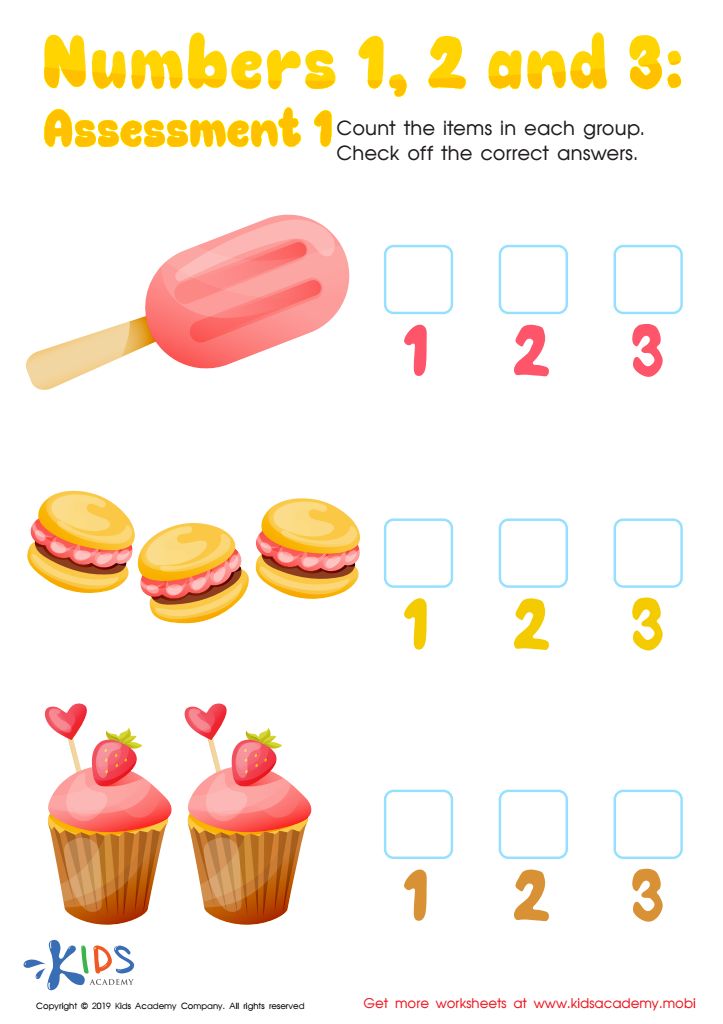
Numbers 1, 2 and 3: Assessment 1 Worksheet
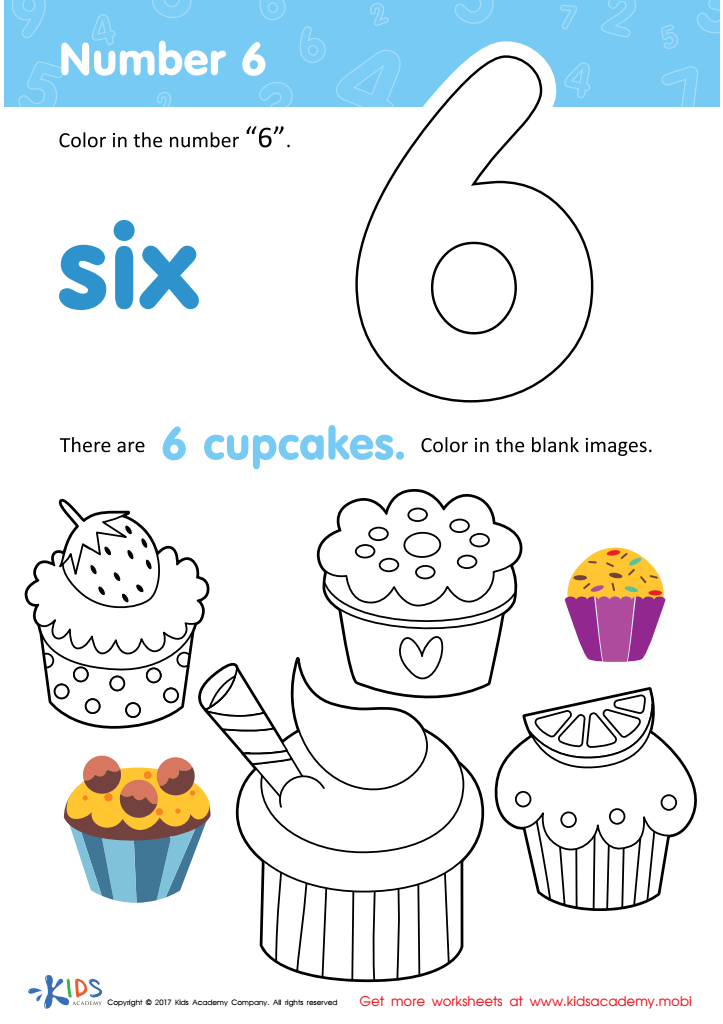
Number 6 Worksheet
 Assign to My Students
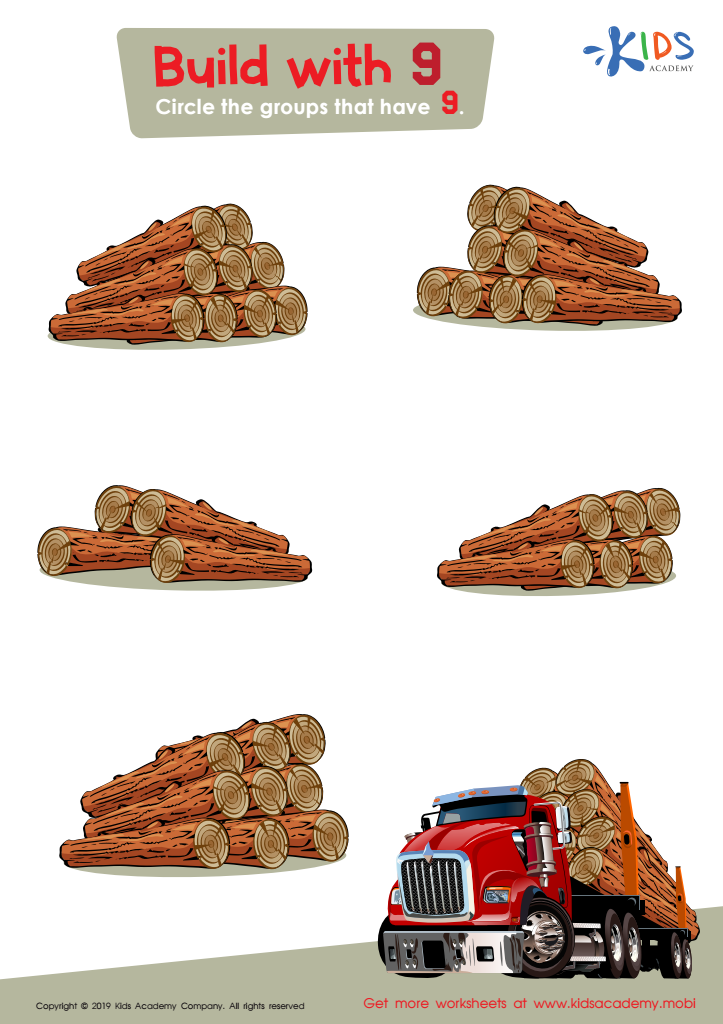
Build with 9 Worksheet
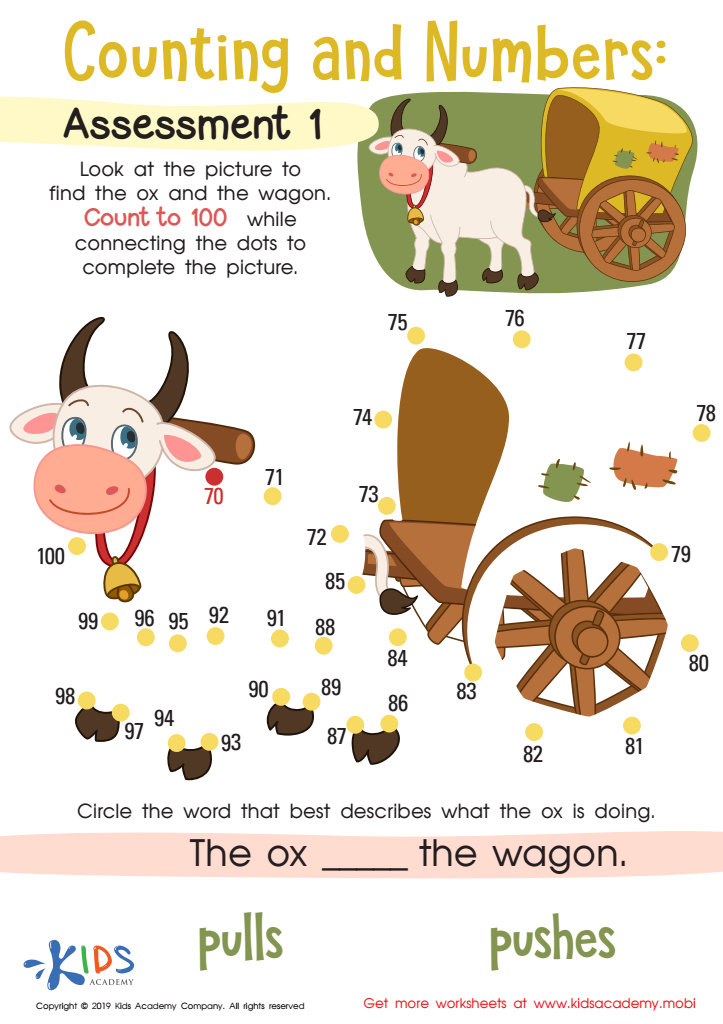
Counting and Numbers: Assessment 1 Worksheet
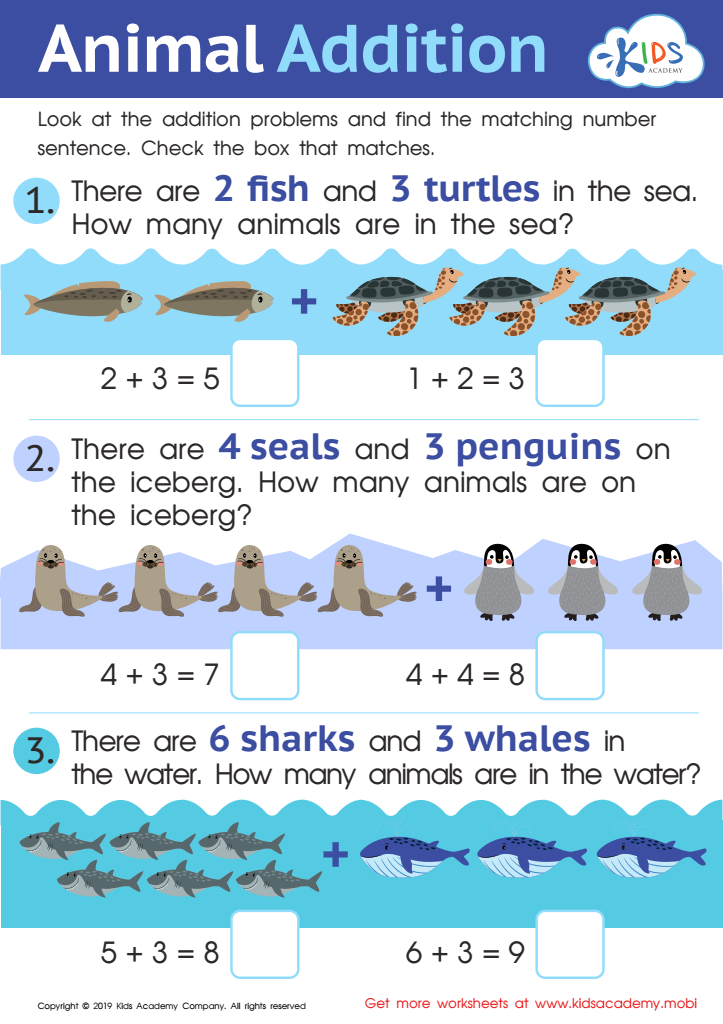
Animal Addition Worksheet
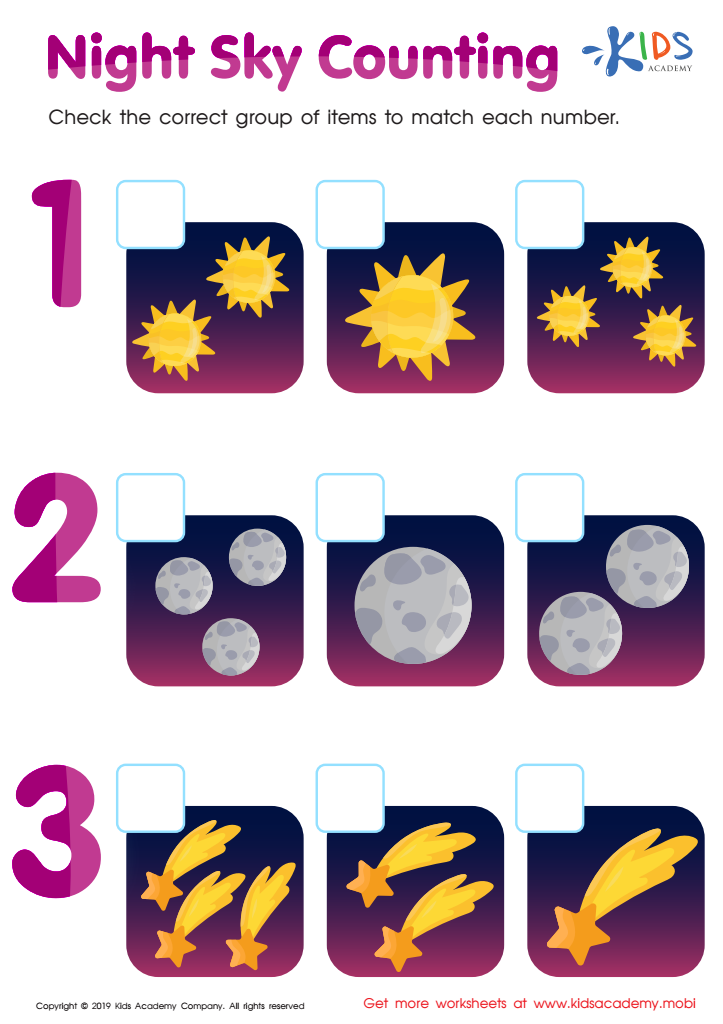
Night Sky Counting Worksheet
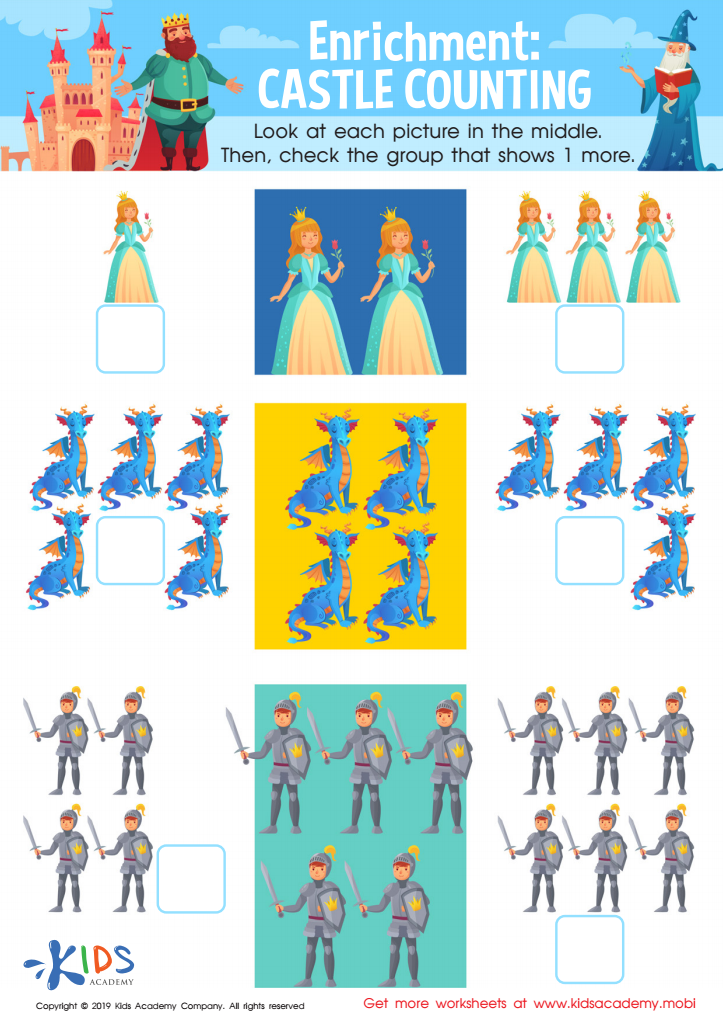
Enrichment: Castle Counting Worksheet
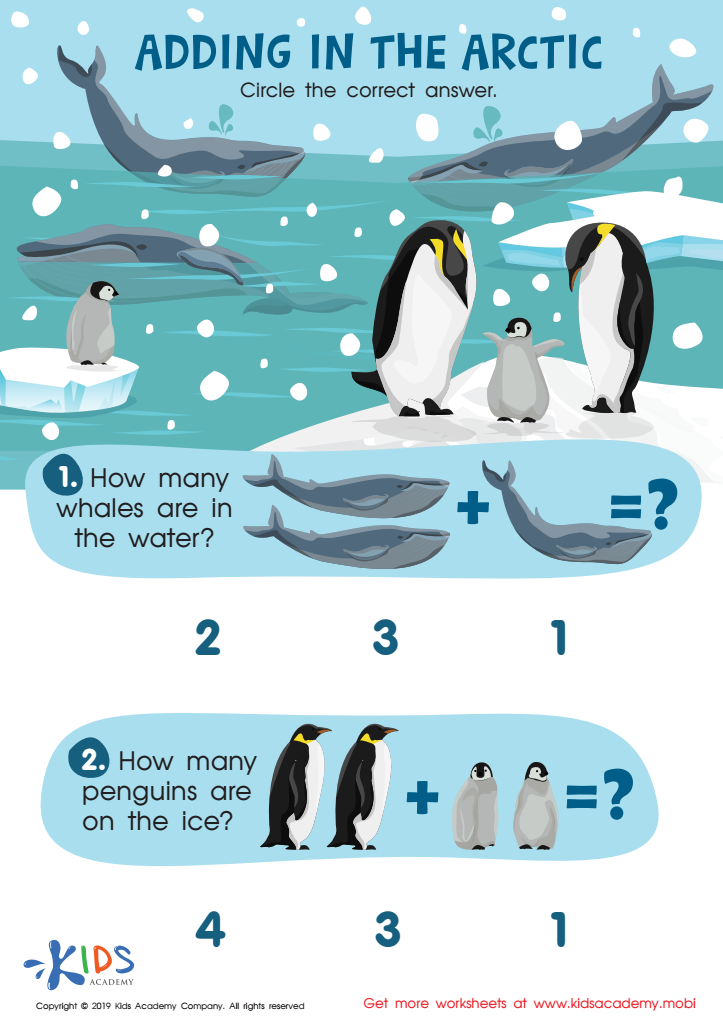
Adding in the Arctic Worksheet
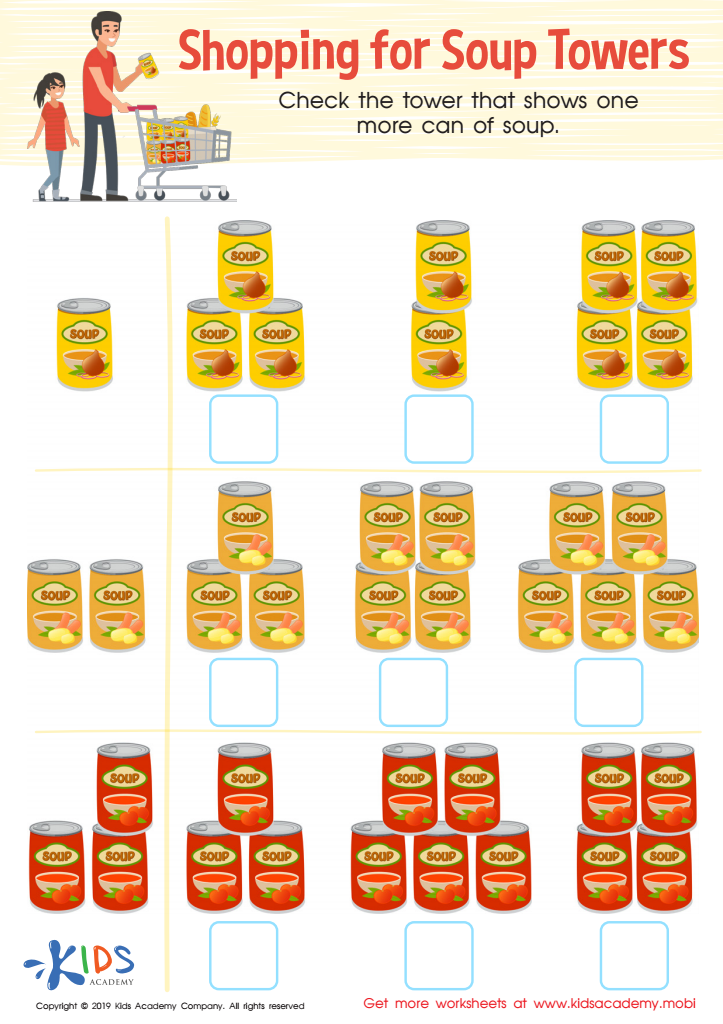
Soup Towers Worksheet
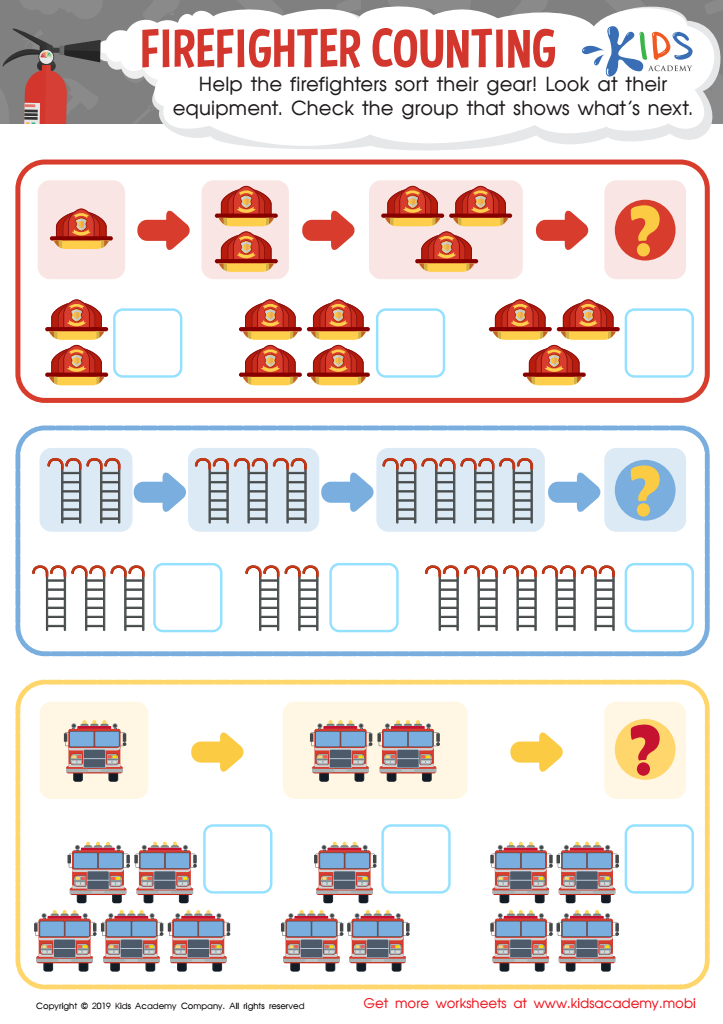
Firefighter Counting Worksheet
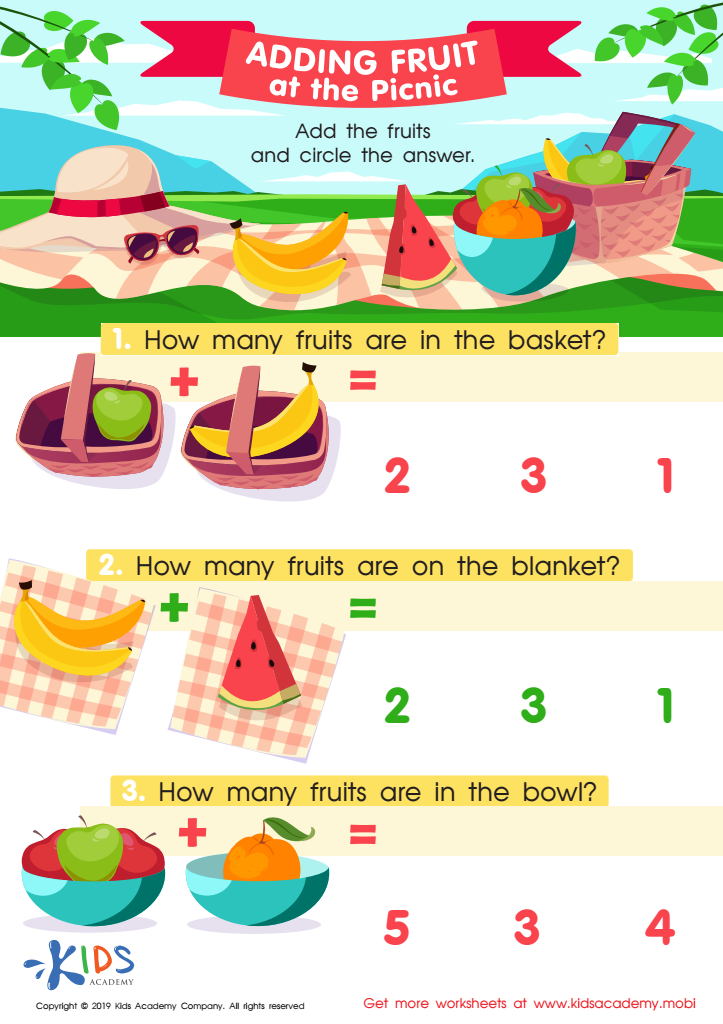
Adding Fruit at the Picnic Worksheet
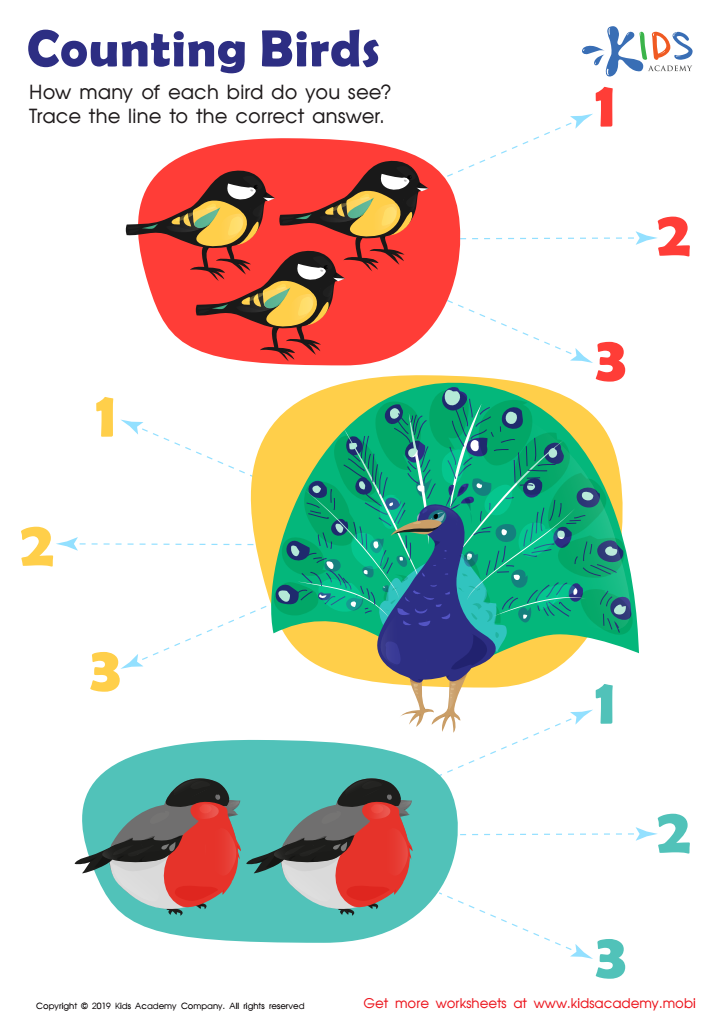
Counting Birds Worksheet
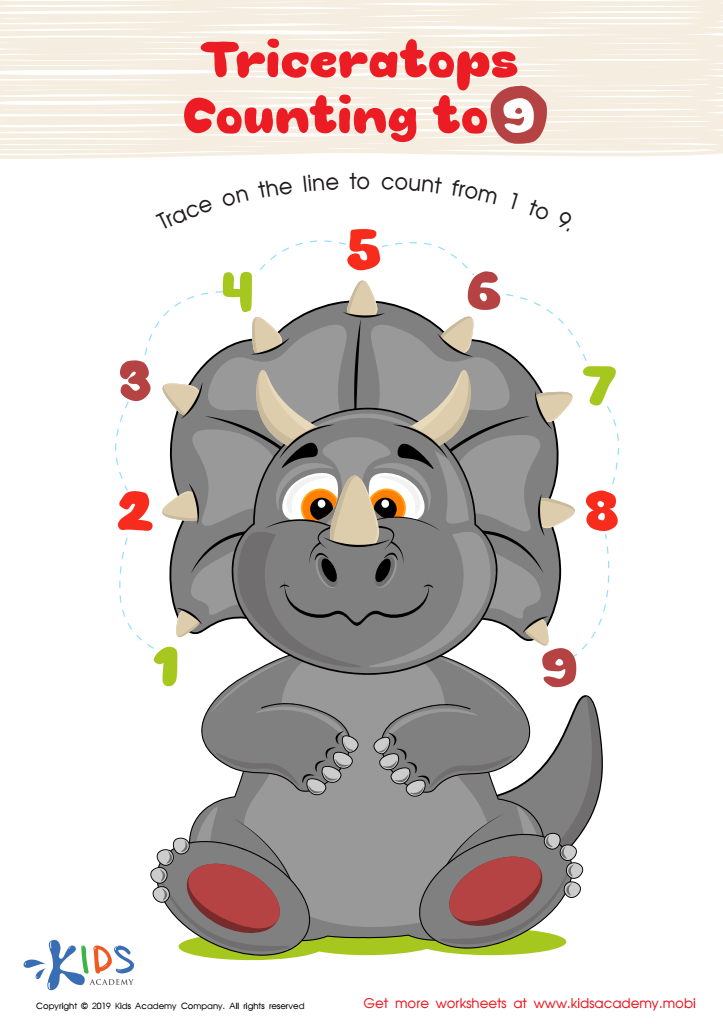
Triceratops Counting to 9 Worksheet
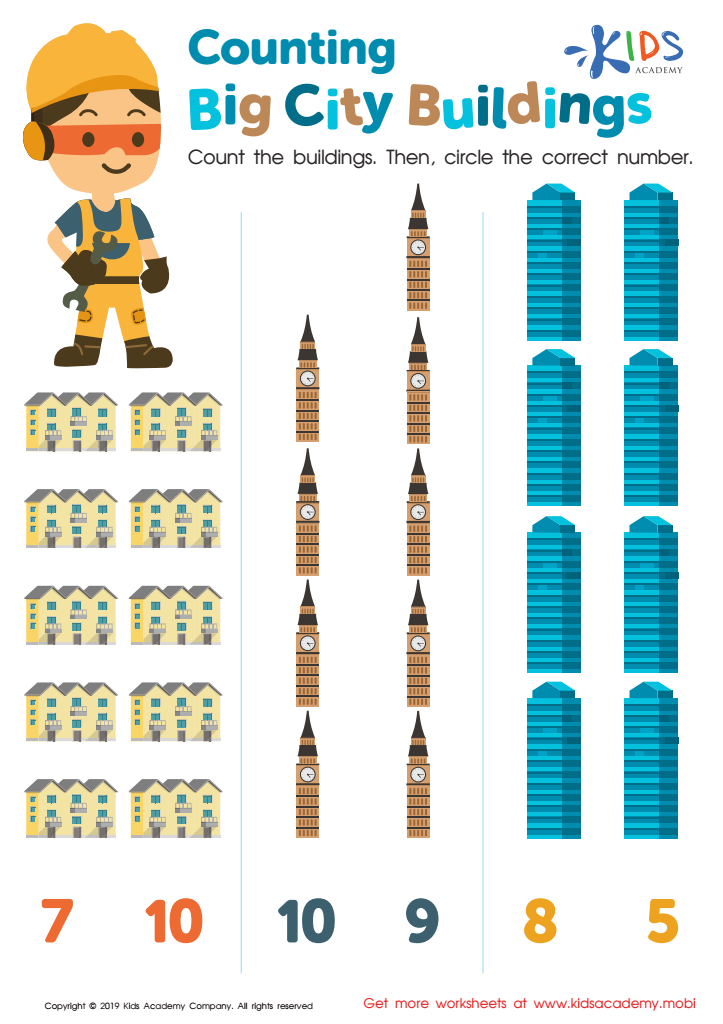
Counting Big City Buildings Worksheet

Night Sky Numbers Worksheet


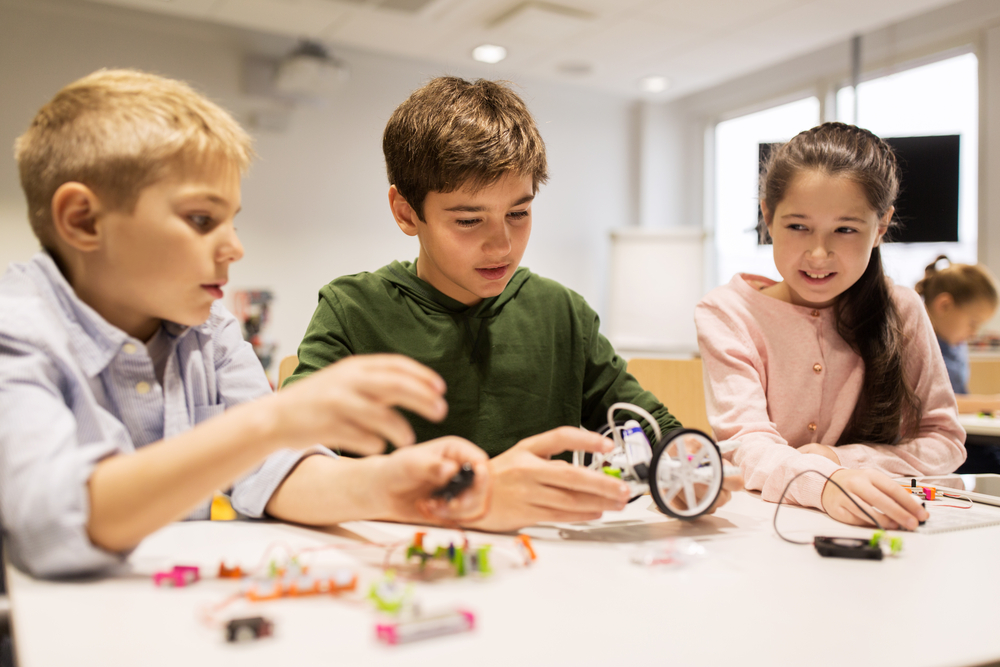





Counting skills are fundamental building blocks for young learners, and for children aged 3-5, early mastery of these skills lays the groundwork for future academic success. Parents and teachers play pivotal roles in nurturing these early math competencies, which are critical for several reasons.
Firstly, counting introduces children to number recognition and the concept of quantity, enabling them to understand that numbers represent specific amounts. This foundational knowledge is essential for subsequent mathematical operations, such as addition and subtraction. By mastering counting early, children build confidence in their ability to tackle more complex math problems later on.
Secondly, counting helps develop cognitive skills, including memory, attention, and reasoning. Engaging in counting activities, such as counting objects or reciting numbers in sequence, enhances a child's numerical memory and attention span. It also aids in reasoning by requiring children to recognize patterns and sequences.
Moreover, early exposure to counting fosters a positive attitude toward math. When children feel competent and excited about numbers, they are more likely to enjoy and engage with math-related activities in the future. Fun and interactive counting games can make learning enjoyable and less intimidating.
In summary, focusing on counting skills for ages 3-5 is essential because it not only equips children with necessary mathematical tools but also enhances cognitive development and fosters a lifelong positive relationship with math.








