Shape Recognition Easy Math Worksheets for Ages 3-5
6 filtered results
-
From - To
"Shape Recognition Easy Math Worksheets for Ages 3-5" offer fun and engaging activities to help young learners explore the world of shapes. These printable worksheets, designed for early childhood education, feature colorful and simple exercises that enhance preschoolers' and kindergarteners' abilities to identify and differentiate between shapes. By practicing with circles, squares, triangles, and more, children develop essential geometry skills and fine motor coordination. Perfect for at-home practice or supplementary classroom activities, these worksheets empower kids to build a solid foundation in math through play and creativity. Start your child's shape recognition journey now and watch their confidence grow!
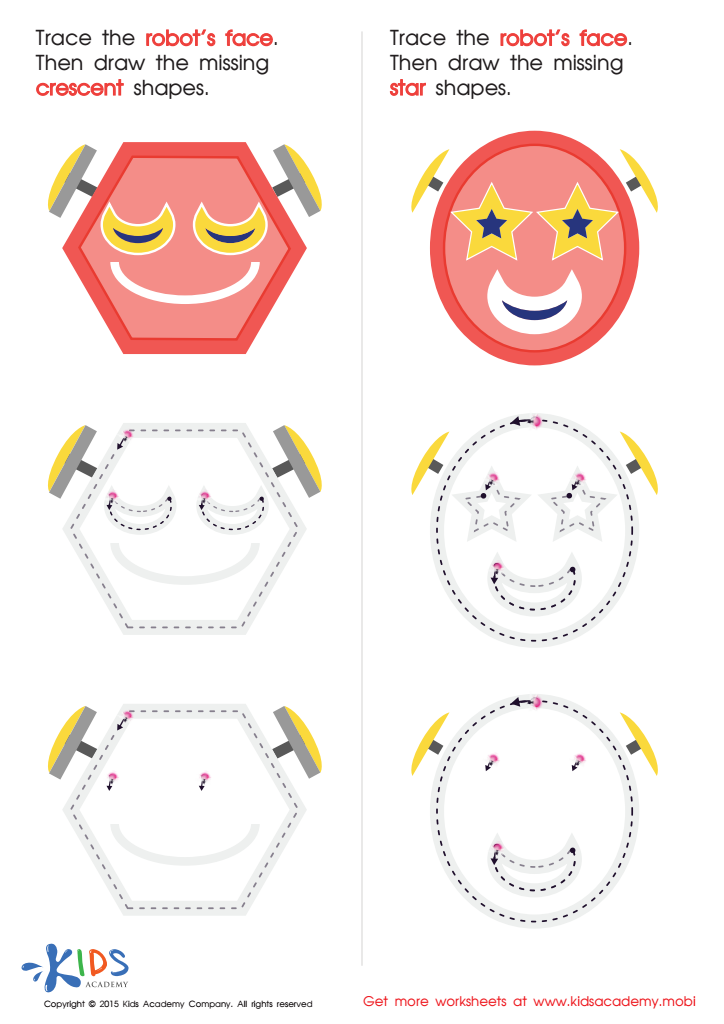
Composing a Robot's Face of Crescents And Stars Worksheet
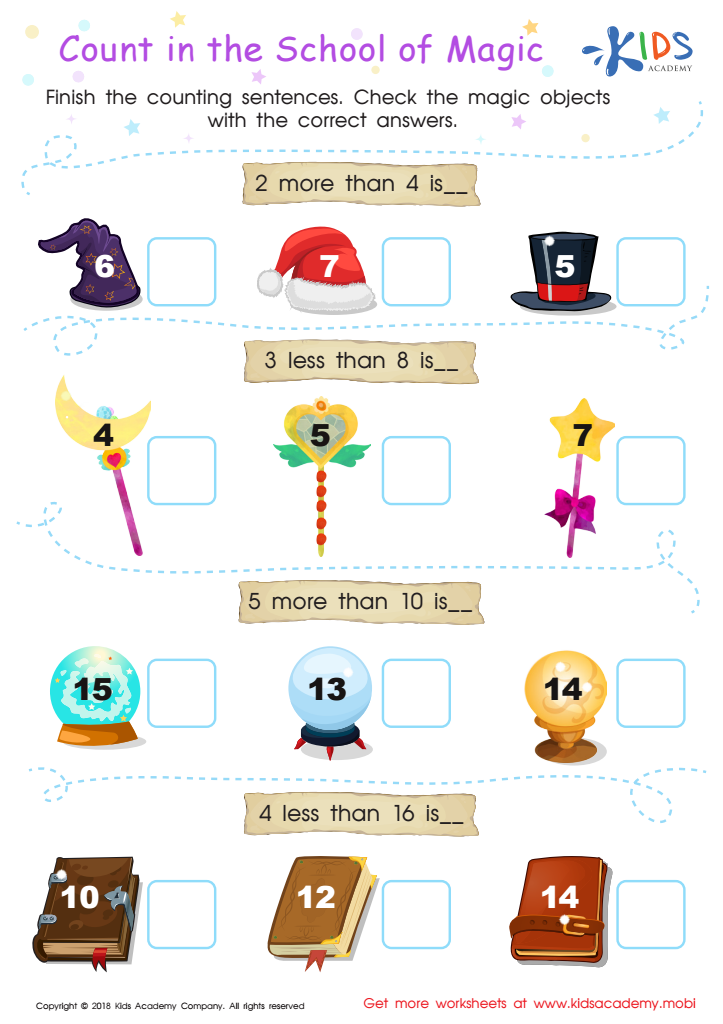
Count in the School of Magic Worksheet
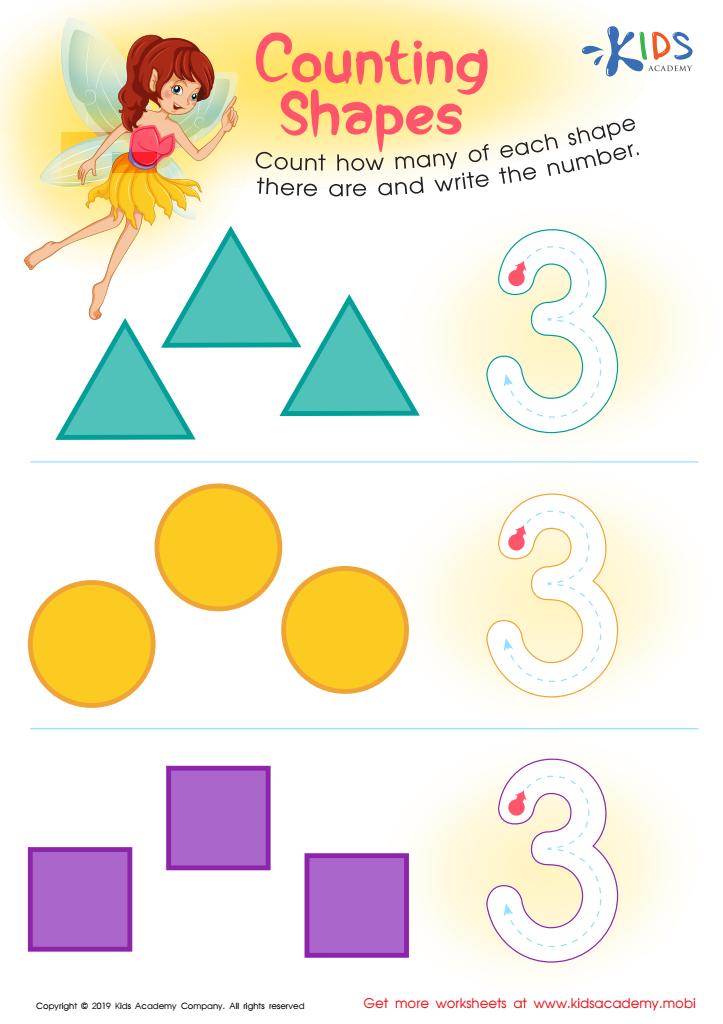
Counting Shapes Worksheet
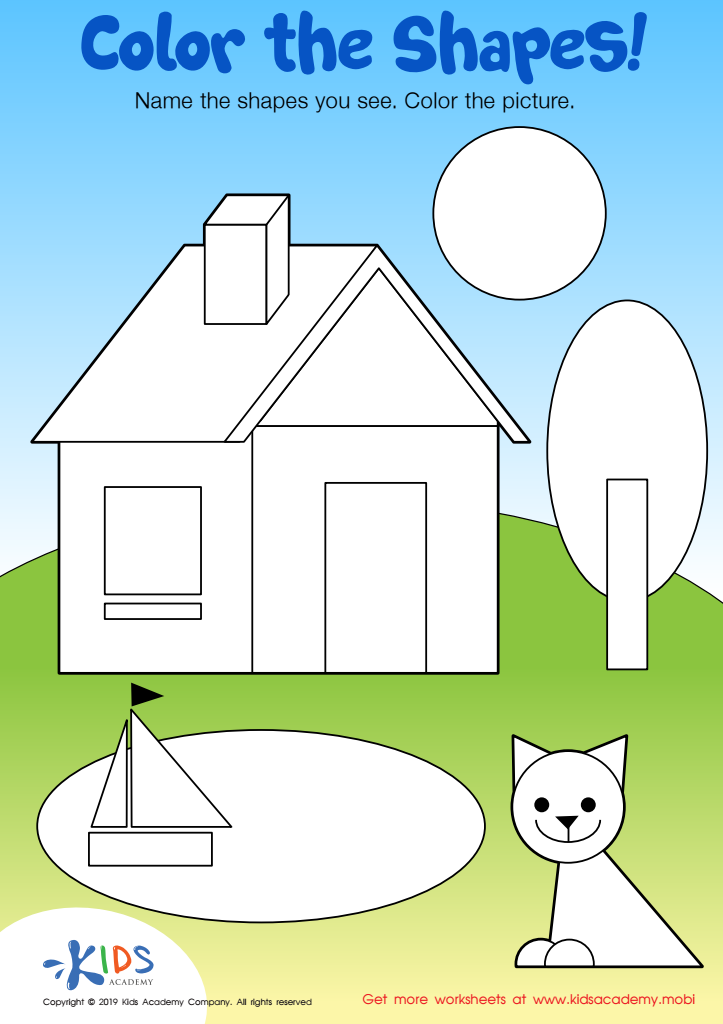
Color the Shapes Worksheet
 Assign to My Students
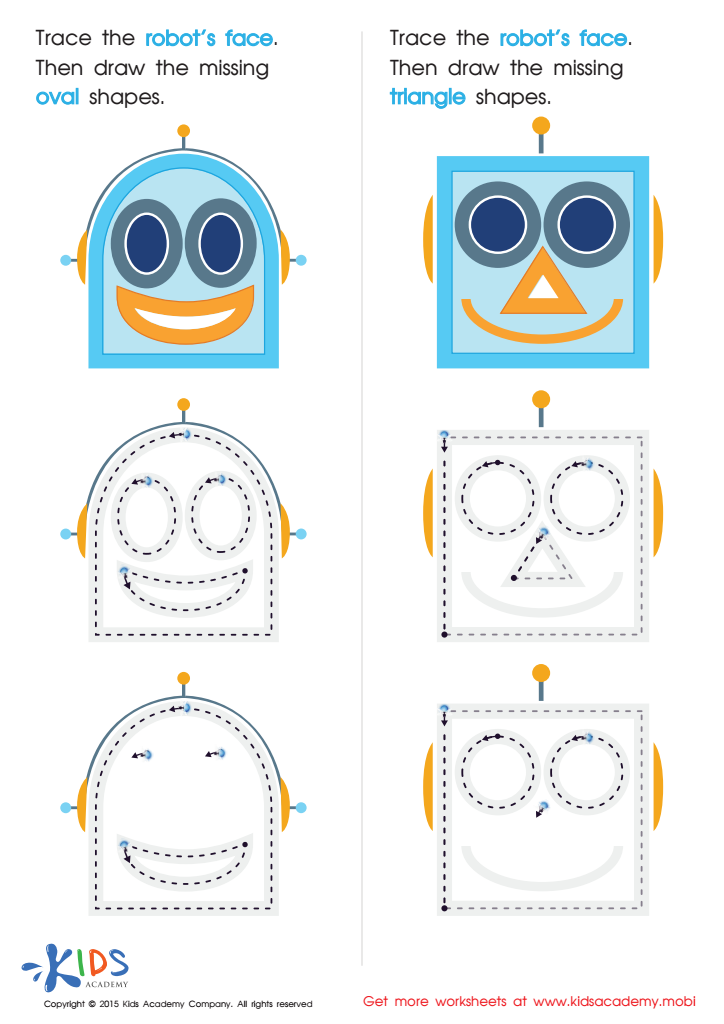
Drawing Ovals And Triangles with Fun Printable
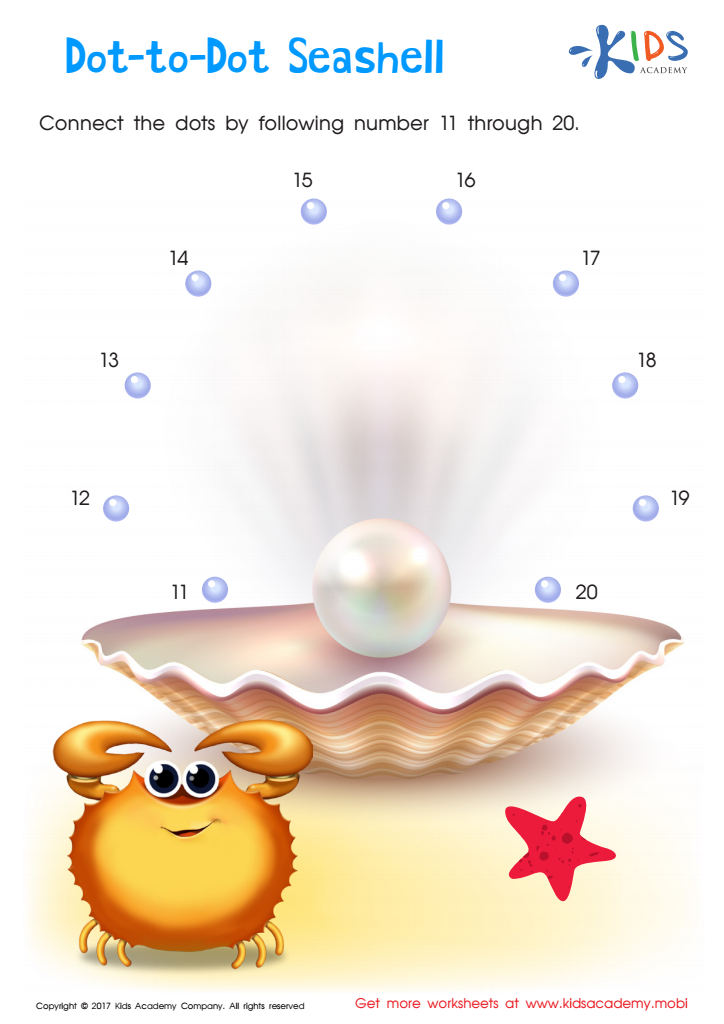
Ordering 11–20: Dot–to–dot Seashell Printable








Shape recognition is a foundational aspect of early childhood education that aids in overall cognitive and mathematical development. For children aged 3-5, understanding and identifying basic shapes—such as circles, squares, triangles, and rectangles—goes beyond simple recognition; it serves as the cornerstone for more advanced concepts.
Parents and teachers should prioritize shape recognition because it fosters visual discrimination skills, which are essential for distinguishing between different objects and learning letters and numbers. For instance, recognizing the difference between a circle and a square aids in differentiating the letter "O" from a box.
Additionally, shape recognition contributes significantly to spatial awareness. Understanding shapes helps children gauge the size, orientation, and spatial relations between objects in their environment. This spatial reasoning ability is an underpinning skill for geometry and problem-solving tasks throughout children's academic careers.
Moreover, integrating shape recognition into early education promotes linguistic skills. As children learn to identify and label shapes, they expand their vocabulary and begin to articulate similarities and differences, which enhances communication abilities.
Activities such as sorting shapes, playing with puzzles, or constructing objects with blocks engage children’s fine motor skills, hand-eye coordination, and promote a hands-on understanding of mathematical concepts. Encouraging shape recognition not only supports future academic success but also nurtures essential life skills, fostering confident and competent learners.








