Understanding Sequences Easy Math Worksheets for Ages 3-5
4 filtered results
-
From - To
Discover our "Understanding Sequences Easy Math Worksheets" designed for young learners aged 3-5! These engaging worksheets help preschoolers grasp the fundamental concept of sequences through fun and interactive activities. Each worksheet features colorful illustrations and age-appropriate exercises that encourage children to identify patterns, enhance their critical thinking skills, and develop their number recognition. Perfect for home or classroom use, our materials promote early math skills in a playful environment, fostering a positive learning experience. Equip your little ones with essential mathematical foundations while enjoying quality time together. Start their journey into the world of sequences today!
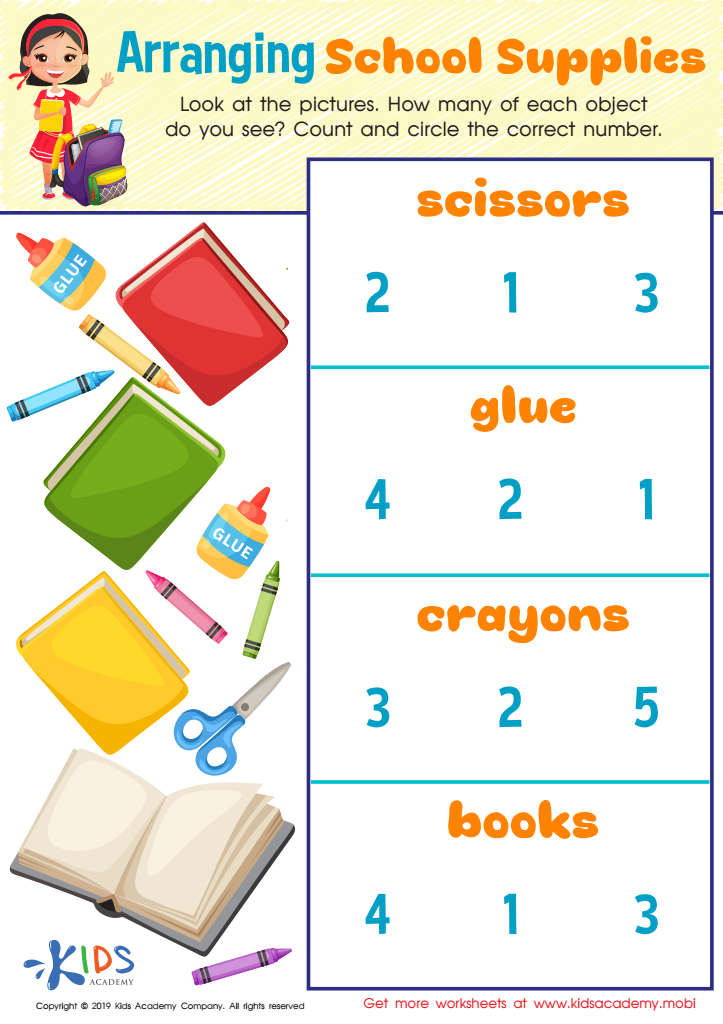
Arranging School Supplies Worksheet
 Assign to My Students
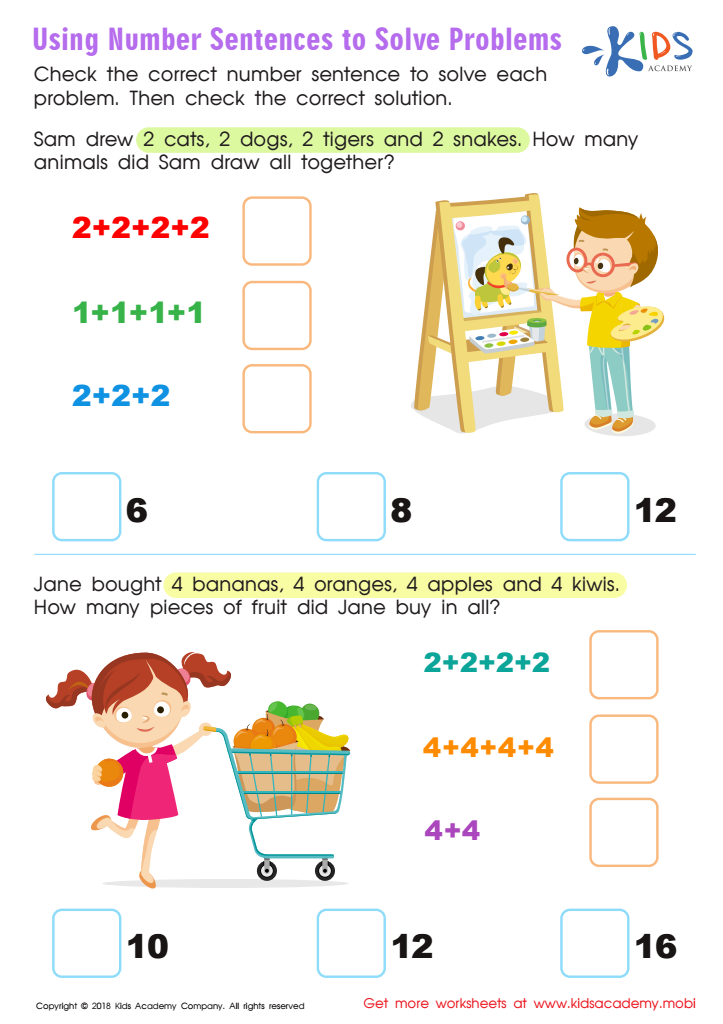
Using Number Sentences to Solve Problems Worksheet
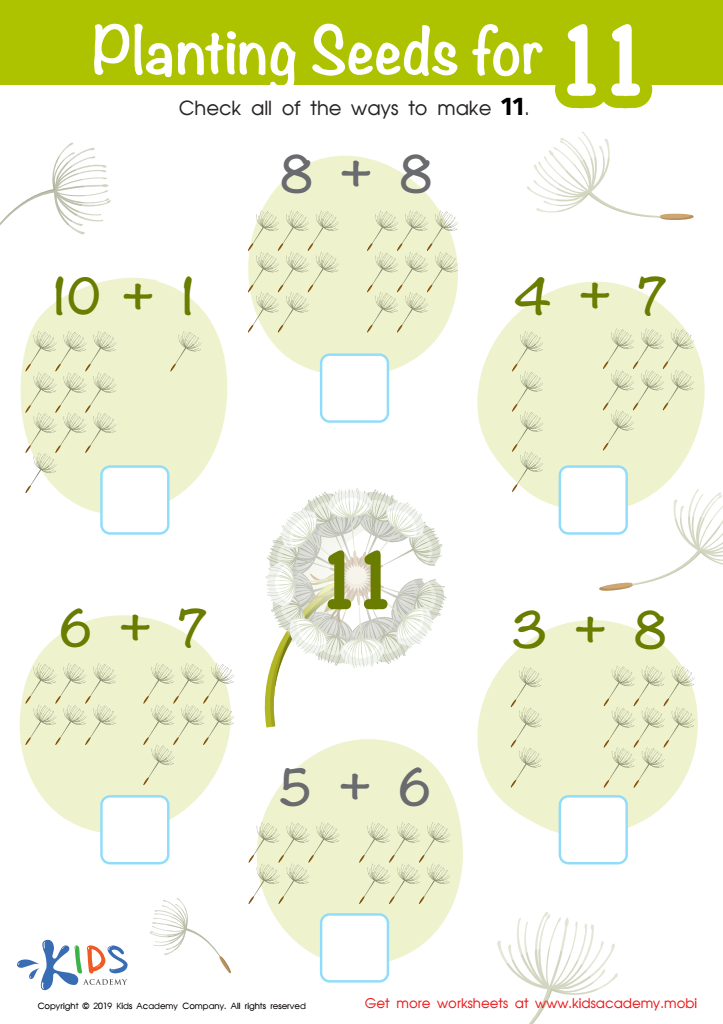
Planting Seeds for 11 Worksheet
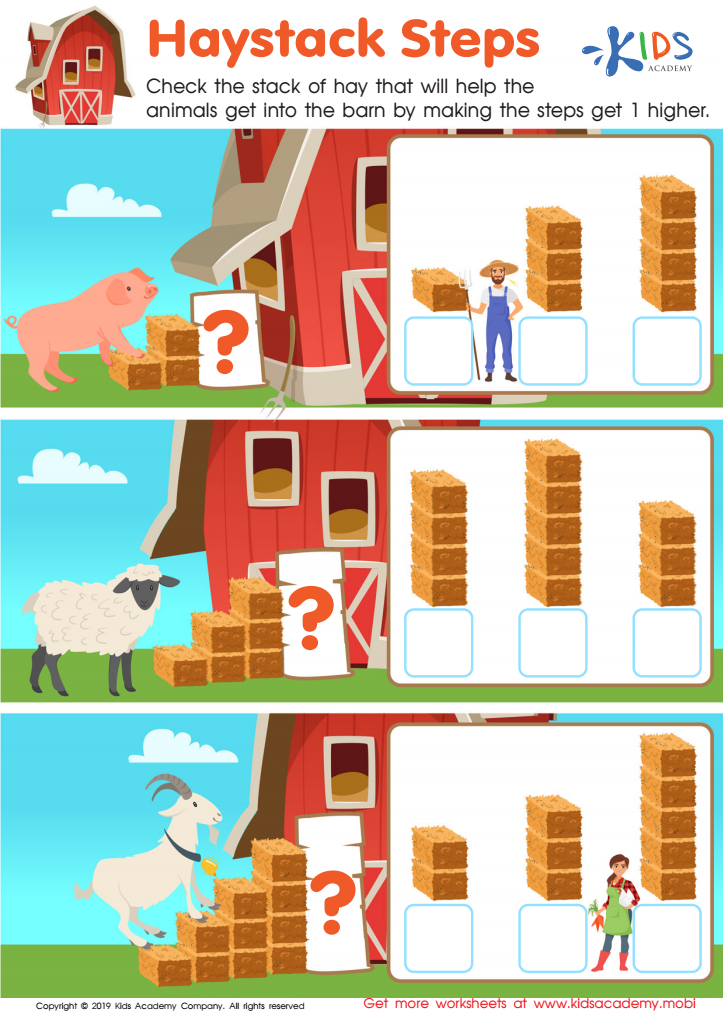
Haystack Steps Worksheet


.jpg)



Understanding sequences in early mathematics is fundamental for children aged 3-5 as it lays the groundwork for their cognitive development. When parents and teachers focus on this concept, they prepare young learners for more complex mathematical ideas that will emerge later in their education.
Recognizing and creating sequences helps children develop critical thinking and problem-solving skills. It enhances their ability to notice patterns, which is crucial not just in math but in daily life, fostering logical reasoning from an early age. For instance, when children learn to arrange objects in a sequence—like sorting different colored blocks—they are developing both their mathematical understanding and their fine motor skills.
Introducing sequences in a playful manner, through games and storytelling, can make learning fun and engaging, strengthening the child's love for learning. This approach also encourages collaborative and social skills as children often work together during activities.
Furthermore, when parents understand the importance of sequences, they can incorporate related activities at home, reinforcing what children learn in class. Ultimately, supporting the understanding of sequences paves the way for future academic success, making it pivotal for parents and teachers to prioritize this area in early education.








