Number Sequencing Easy Worksheets for Ages 3-6
3 filtered results
-
From - To
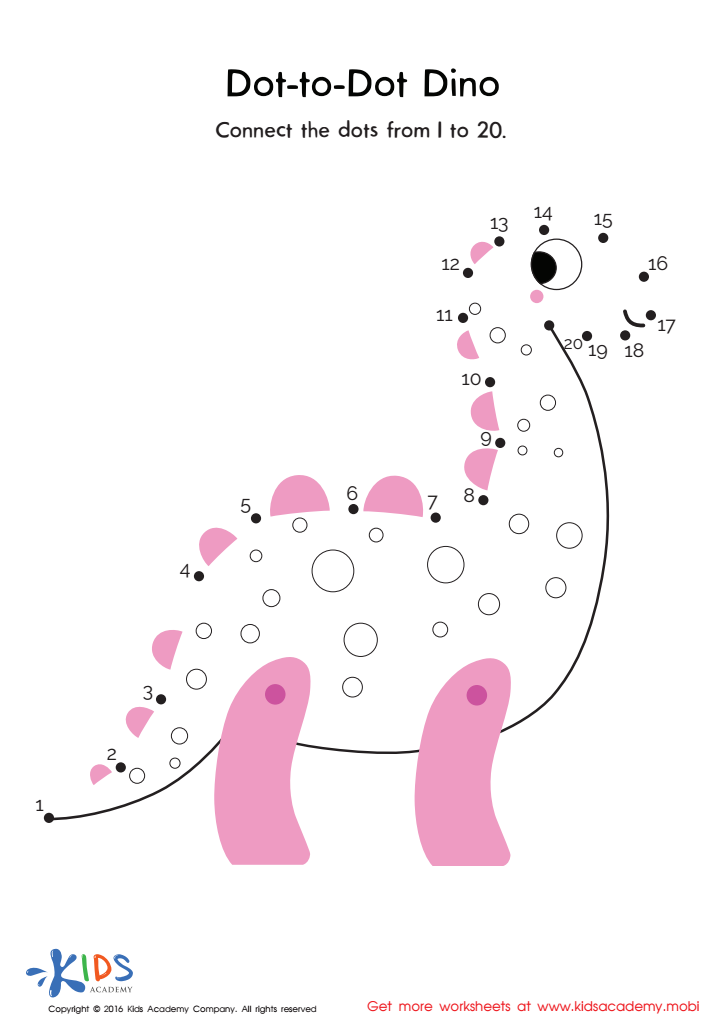
Welcome to our engaging collection of Number Sequencing Easy Worksheets designed specifically for children aged 3-6! These worksheets provides a fun and interactive way for young learners to develop essential number recognition and sequencing skills. Featuring colorful illustrations and age-appropriate activities, our resources help kids practice arranging numbers in order, from counting forwards to connecting dots. This hands-on learning approach not only boosts math comprehension but also enhances fine motor skills and attention to detail. Perfect for home or classroom use, these worksheets make learning numbers an enjoyable experience, inspiring a lifelong love for mathematics! Explore our library and watch your child thrive!
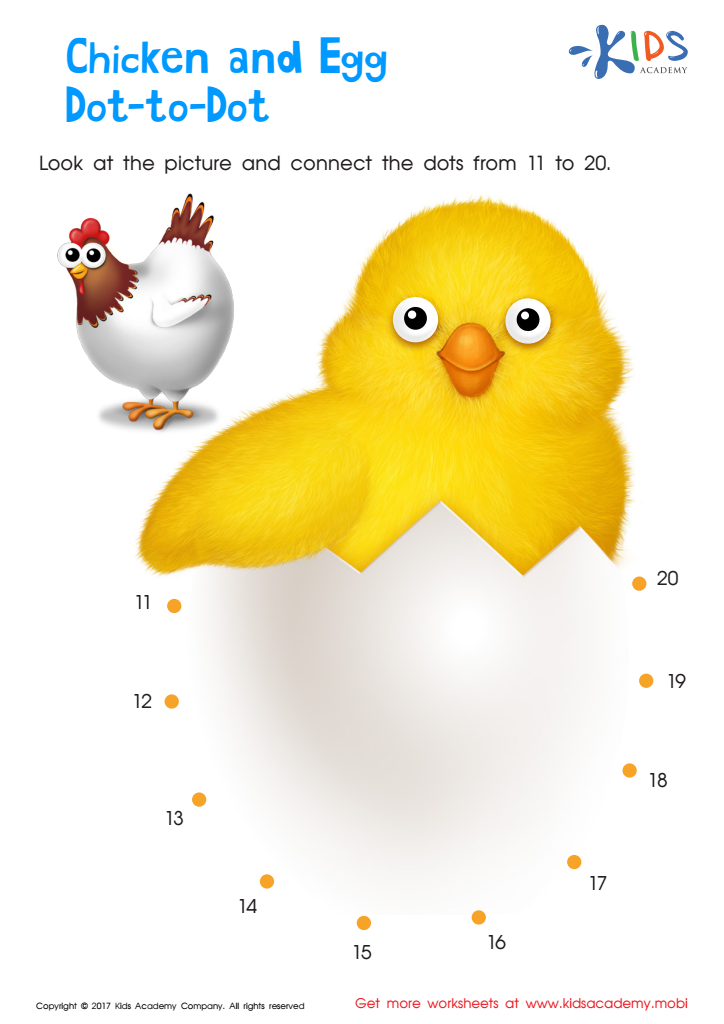
Ordering 11–20: Chicken & Egg Dot–to–dot Worksheet
 Assign to My Students
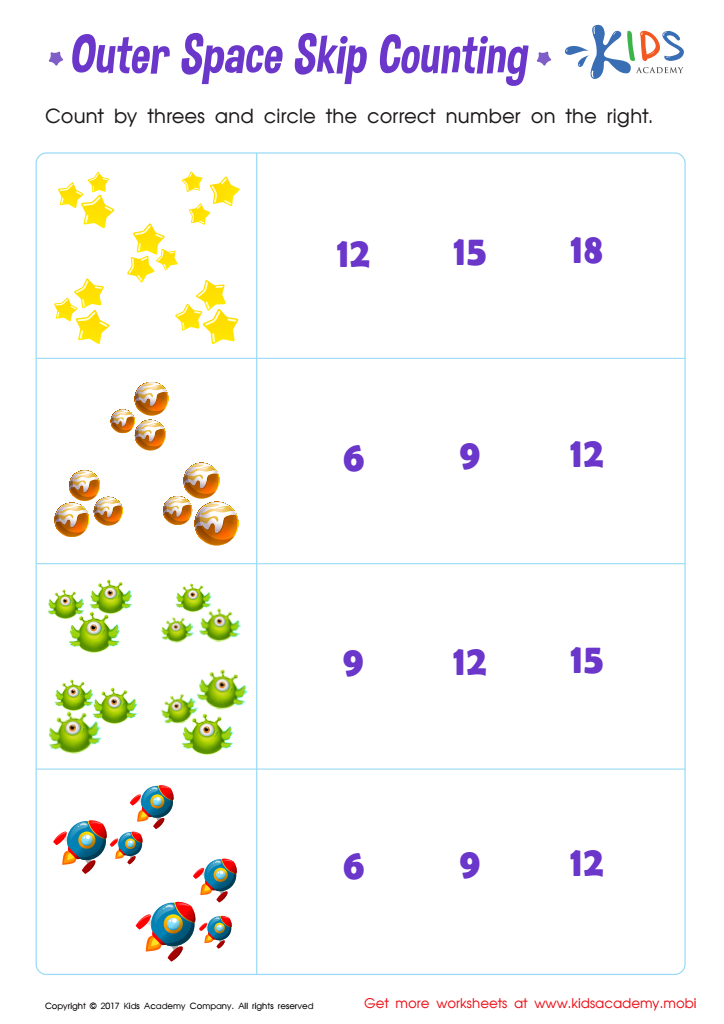
Skip Counting by 3s: Outer Space Skip Counting Printable






Number sequencing is a foundational skill crucial for young children's mathematical development. For children aged 3-6, engaging with number sequences sets the stage for future learning in arithmetic and problem-solving. Parents and teachers should care about this skill for several reasons.
Firstly, number sequencing helps children recognize patterns and develop logical thinking. Understanding sequences lays the groundwork for concepts such as counting, addition, and subtraction, which are essential for advanced math later on.
Secondly, mastering number sequences enhances children's ability to understand and use language related to numbers. It introduces terms such as "first," "next," and "last," fostering both numerical fluency and vocabulary development.
Additionally, learning number sequences boosts children's confidence. As they successfully manipulate and recognize sequences, their self-esteem grows, encouraging them to tackle more complex mathematical challenges as they progress.
Finally, incorporating number sequencing into play-based learning can make the process enjoyable and engaging. When children play with numbers, they are more likely to develop a love for learning, nurtured by early positive experiences. Ultimately, investing time in number sequencing promotes essential life skills, making it a priority for parents and educators alike.








