Visual Perception Skills Easy Worksheets for Ages 3-6
5 filtered results
-
From - To
Unlock your child's potential with our "Visual Perception Skills Easy Worksheets for Ages 3-6"! Designed specifically for young learners, these engaging worksheets enhance foundational skills such as shape recognition, matching, and categorization. Our activities promote critical thinking and problem-solving in a fun and interactive way, ensuring your child develops essential visual perception abilities while enjoying the learning process. Perfect for preschool and kindergarten classrooms or home practice, these resources support cognitive development and prepare children for future academic success. Download today and inspire your little ones to explore the world around them through vibrant and stimulating visual exercises!
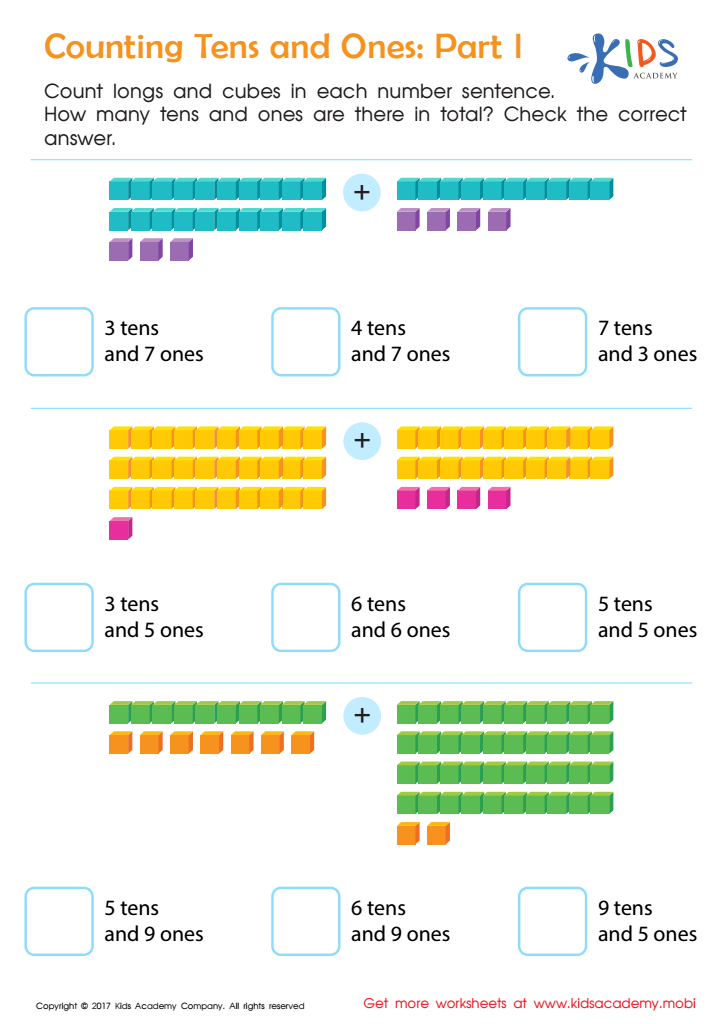
Counting Tens and Ones: Part 1 Worksheet
 Assign to My Students
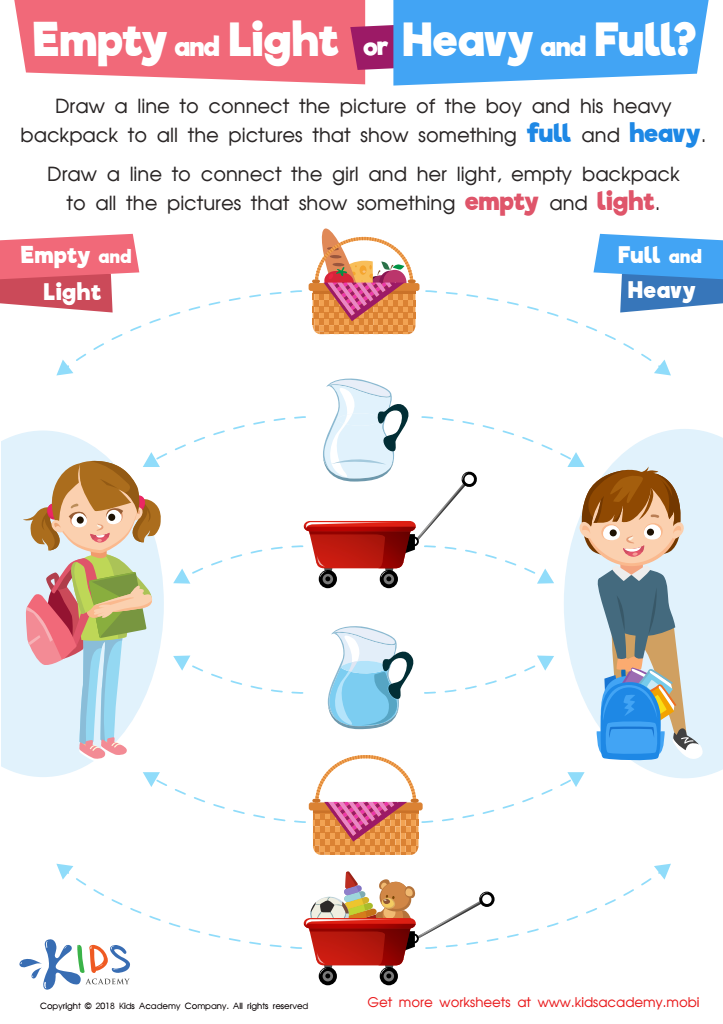
Empty and Light or Heavy and Full? Worksheet
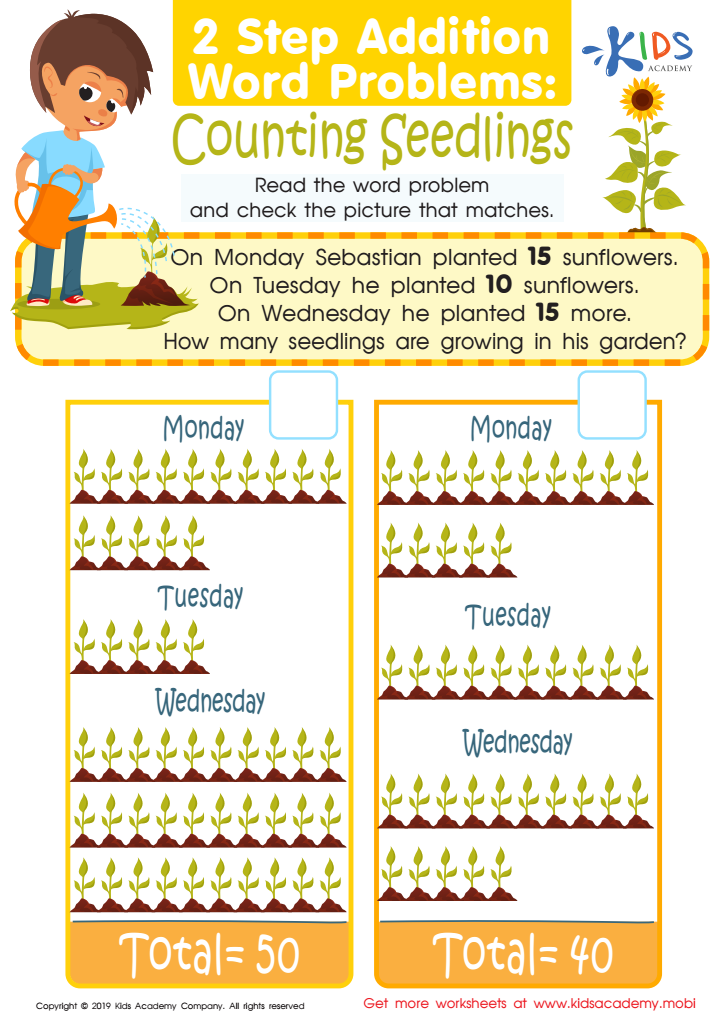
Counting Seedlings Worksheet
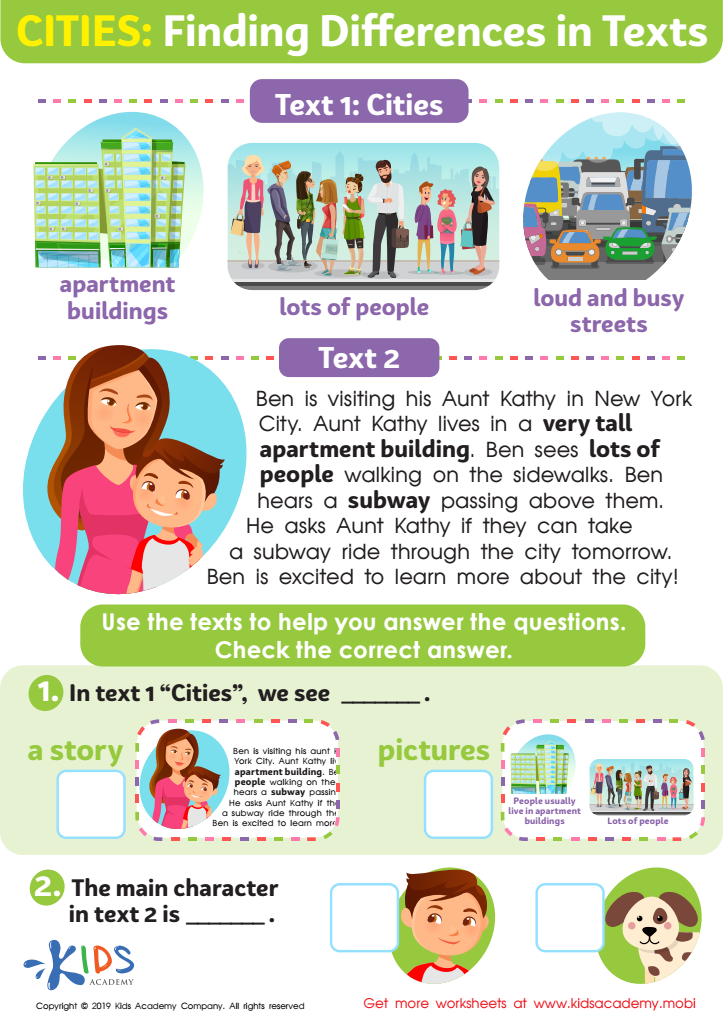
Cities: Finding Differences Worksheet
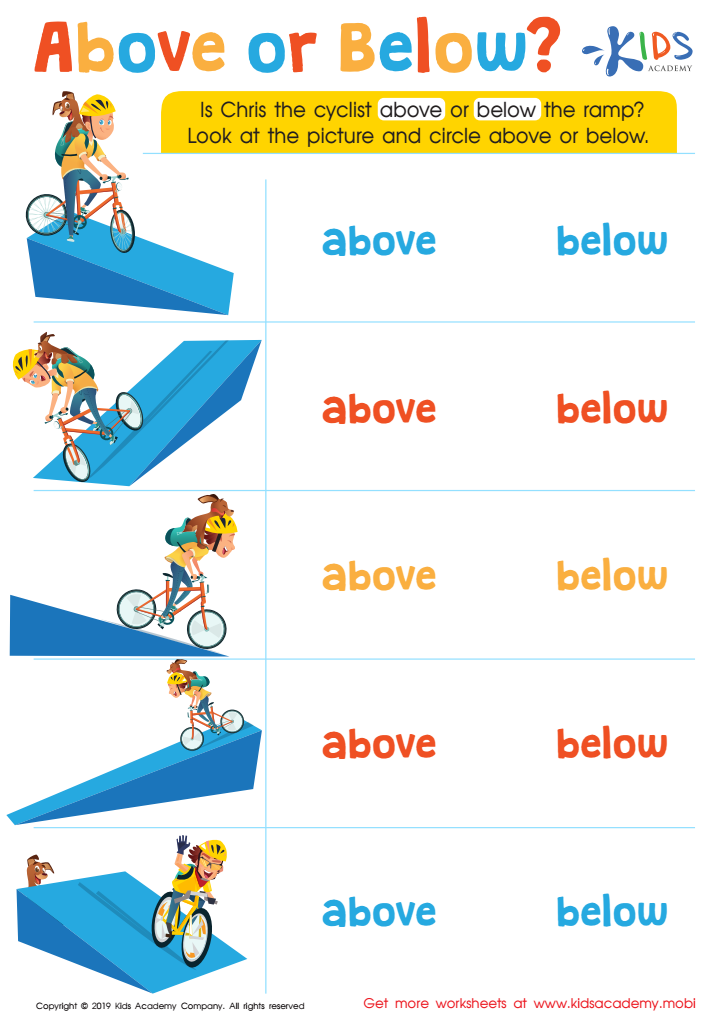
Above or Below? Worksheet





.jpg)
Visual perception skills are crucial for children aged 3-6 as they lay the foundation for learning and everyday function. At this developmental stage, children are rapidly acquiring skills that will aid in their academic journey, and visual perception is key to this process. These skills enable children to interpret and make sense of the visual information they encounter, affecting their ability to read, write, and engage in mathematical tasks.
When parents and teachers are aware of the importance of visual perception skills, they can create enriching environments that enhance children's learning experiences. Activities like sorting shapes, puzzles, and scavenger hunts can promote these skills and foster critical thinking. Additionally, strong visual perception contributes to a child's confidence and independence in school settings.
Furthermore, recognizing challenges in visual perception can lead to early interventions, ensuring that children receive appropriate support before these challenges affect their overall development. By prioritizing visual perception, parents and teachers can help children become successful learners, adept problem-solvers, and socially confident individuals, setting the stage for lifelong learning and personal growth. Investing in these skills is vital for children's current and future educational achievements.








