Shape Recognition Easy 2D Shapes Worksheets for Ages 3-6
5 filtered results
-
From - To
Discover our fun and engaging Shape Recognition Easy 2D Shapes Worksheets, perfect for kids ages 3-6! These expertly designed printables help young learners identify and understand basic 2D shapes through interactive activities and colorful illustrations. Watch your child develop critical foundational math skills, improve fine motor abilities, and gain confidence in recognizing shapes like circles, squares, triangles, and more. Ideal for both classroom use and at-home learning, these worksheets make early math exploration exciting and rewarding. Give your little one a head start with our carefully crafted, easy-to-use worksheets today!
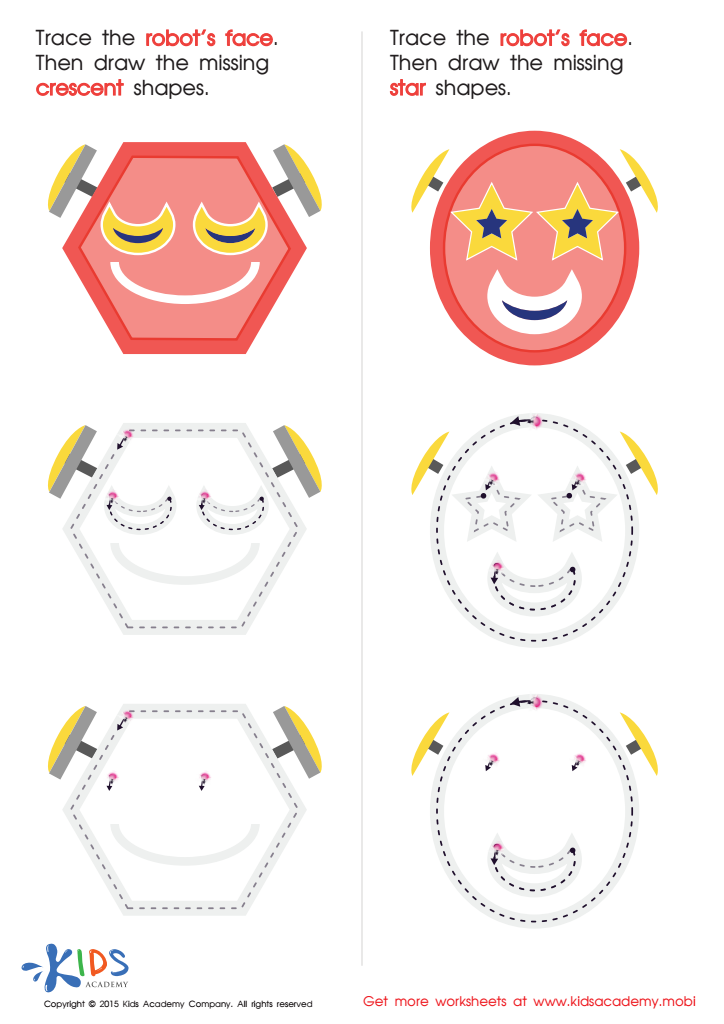
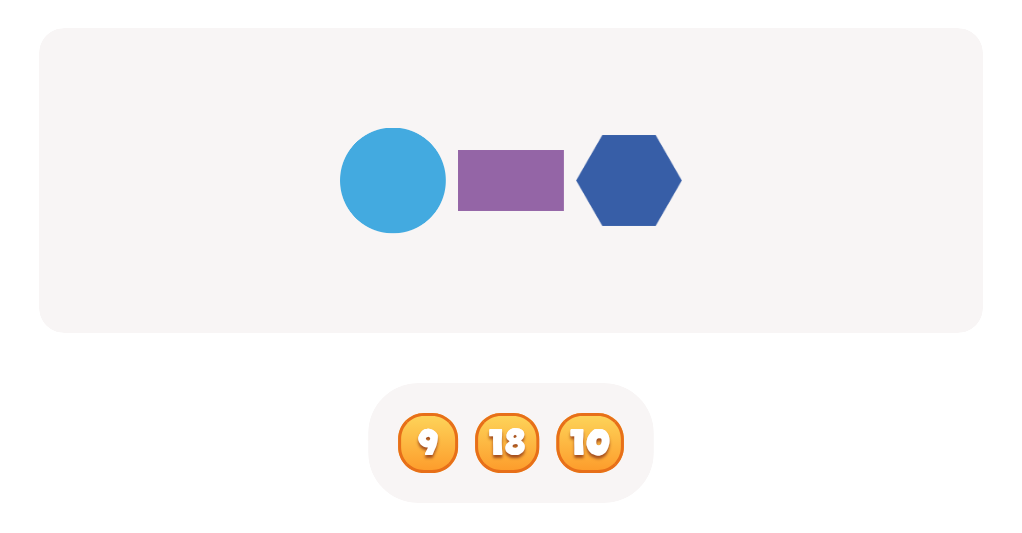
Composing a Robot's Face of Crescents And Stars Worksheet
 Assign to My Students






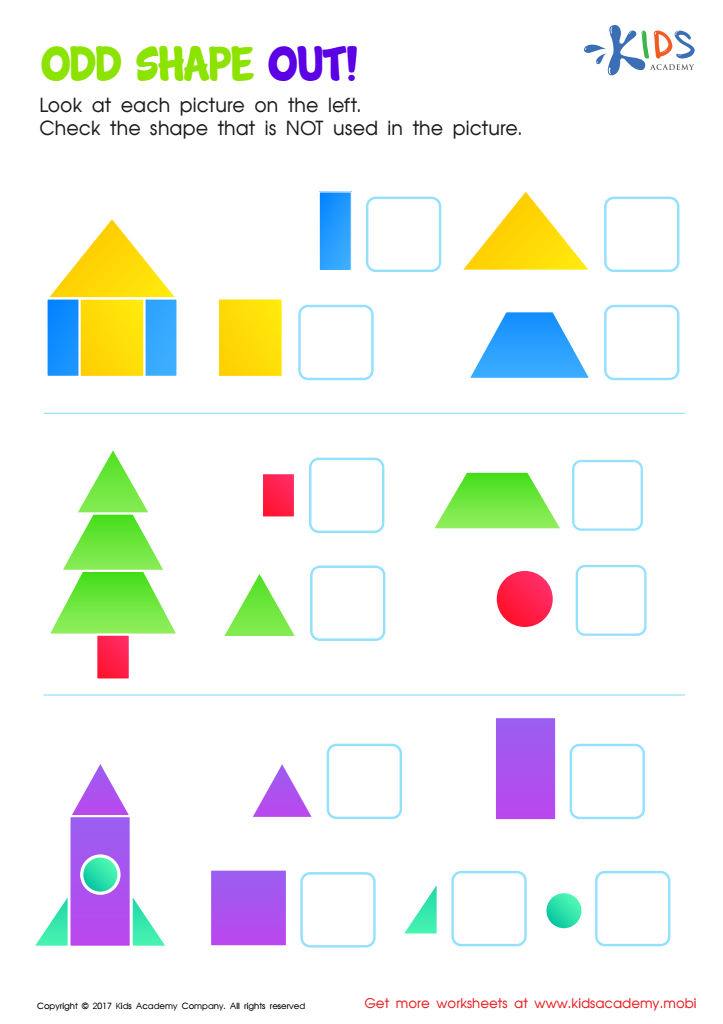
Odd Shape Out Worksheet for Grade 1
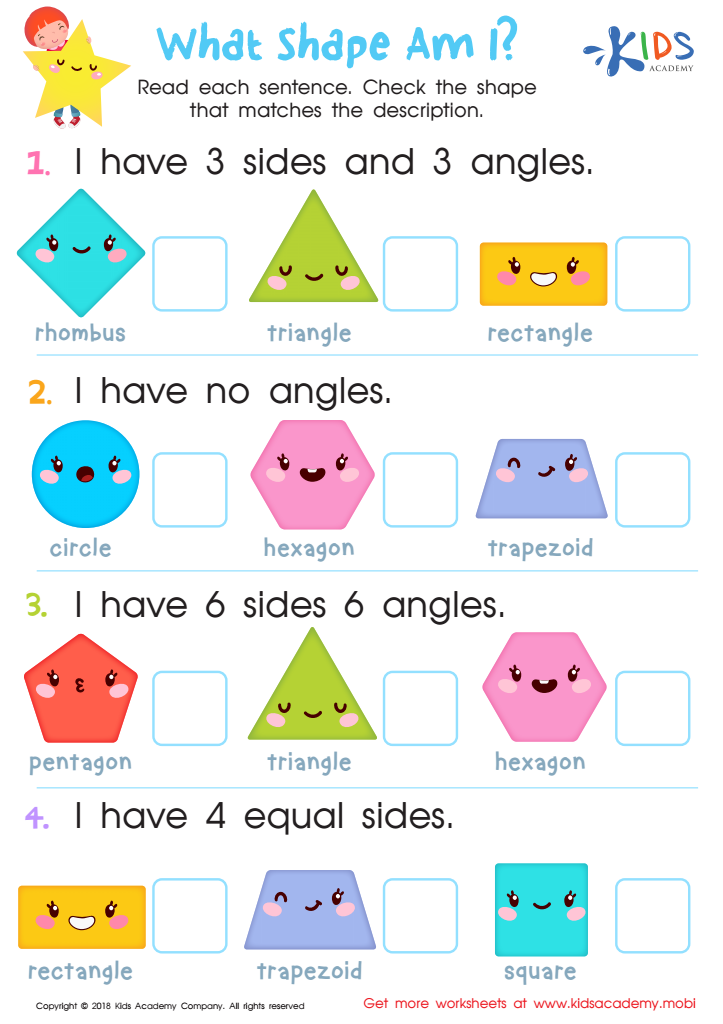
What Shape Am I? Worksheet
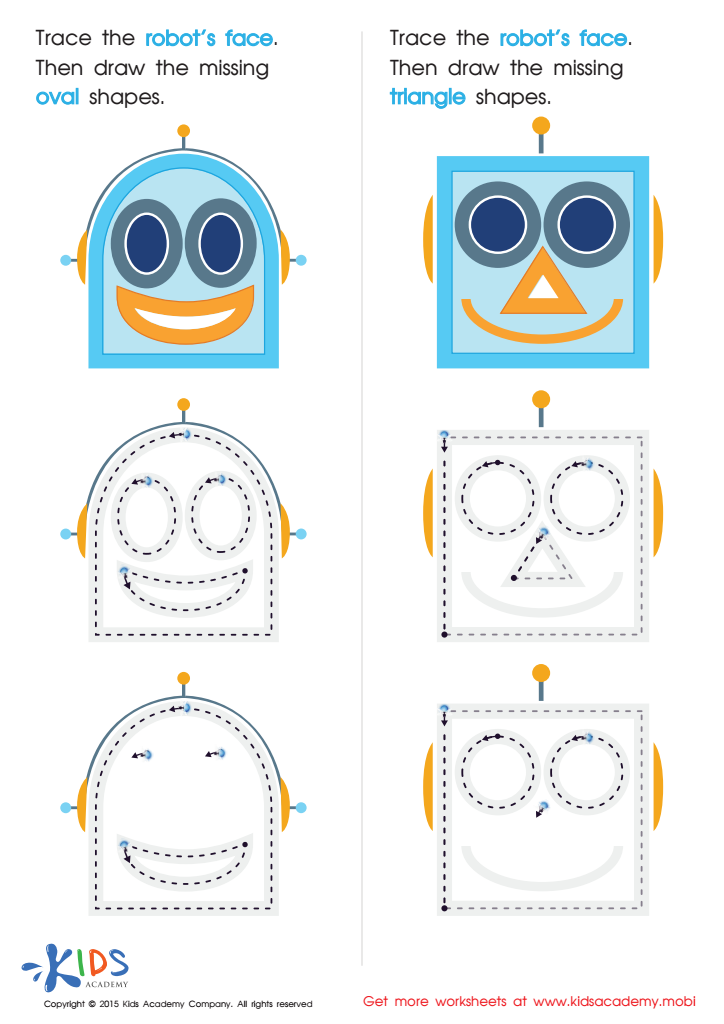
Drawing Ovals And Triangles with Fun Printable
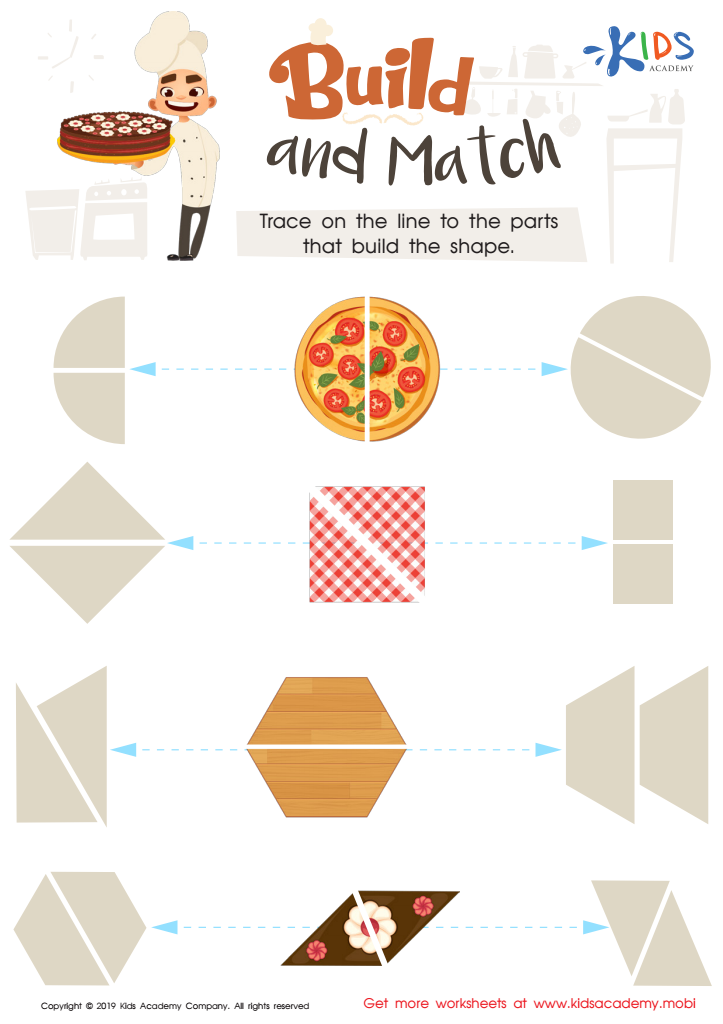
Build and Match Worksheet








Parents and teachers should prioritize shape recognition for children aged 3-6 because it lays a critical foundation for cognitive development and academic readiness. Recognizing and differentiating shapes like circles, squares, and triangles help young minds discern patterns, a skill imperative for later mathematics. When children identify shapes, they also learn to sort and categorize objects, which boosts their organizational and analytical skills.
Moreover, shape recognition enhances a child’s visual-spatial intelligence, essential for understanding the physical world surrounding them. Activities involving shapes encourage children to notice differences and similarities, developing their attention to details and critical thinking abilities.
Furthermore, learning shapes is closely linked to literacy skills. Recognizing the letters' distinct shapes aids young readers in word recognition and decoding, crucial steps on the path to reading fluency. Activities like tracing shapes can also improve fine motor skills, preparing little ones for writing.
Involving children in shape-related playtime nurtures their creativity as well; they learn to combine different shapes to form new objects, sparking imagination. Overall, investing in shape recognition is a multidimensional educational strategy, equipping young learners with a robust array of intellectual tools and ensuring a smooth transition into more complex academic concepts.