Easy Beginning Sounds Worksheets for Ages 3-7
4 filtered results
-
From - To
Discover our engaging Easy Beginning Sounds Worksheets designed for children ages 3-7! These printable resources make learning phonics fun and interactive, helping young learners master essential early reading skills. Each worksheet features vibrant images and straightforward activities that promote recognition of beginning sounds in a playful way. Perfect for classroom use or at-home practice, our worksheets cater to various learning styles and abilities, ensuring that every child can thrive. Boost your child's confidence in reading while enhancing their vocabulary with these colorful, engaging worksheets. Start your phonics journey today and watch your little ones develop a strong foundation for literacy!
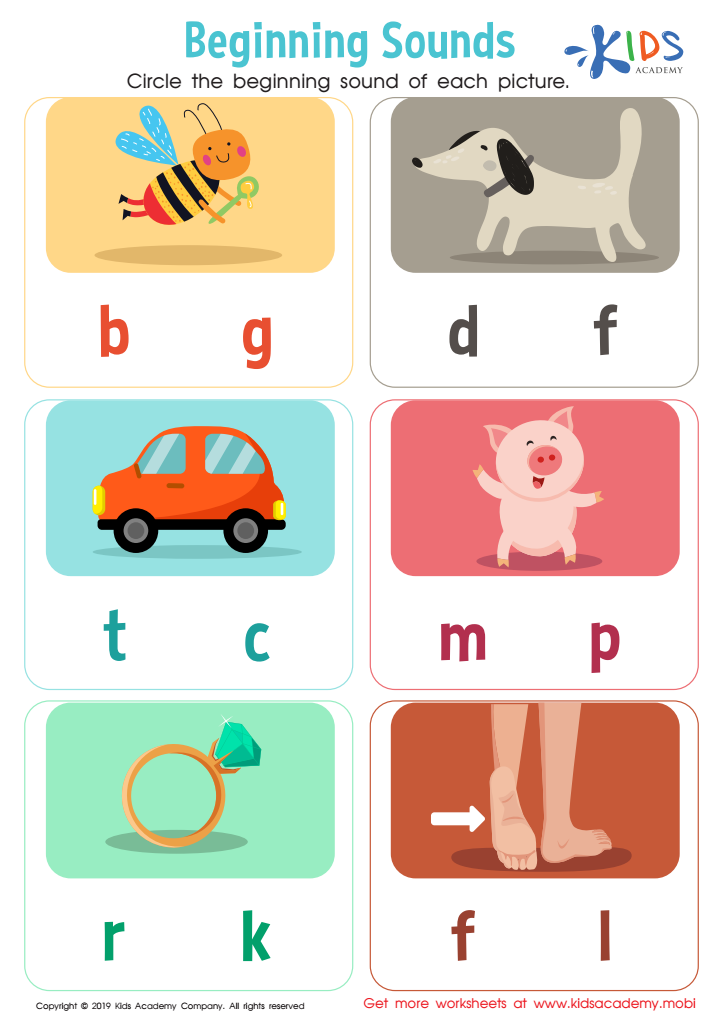
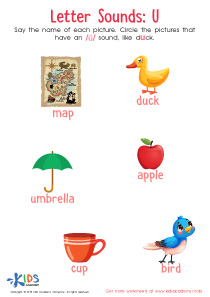
Beginning Sounds Worksheet
 Assign to My Students
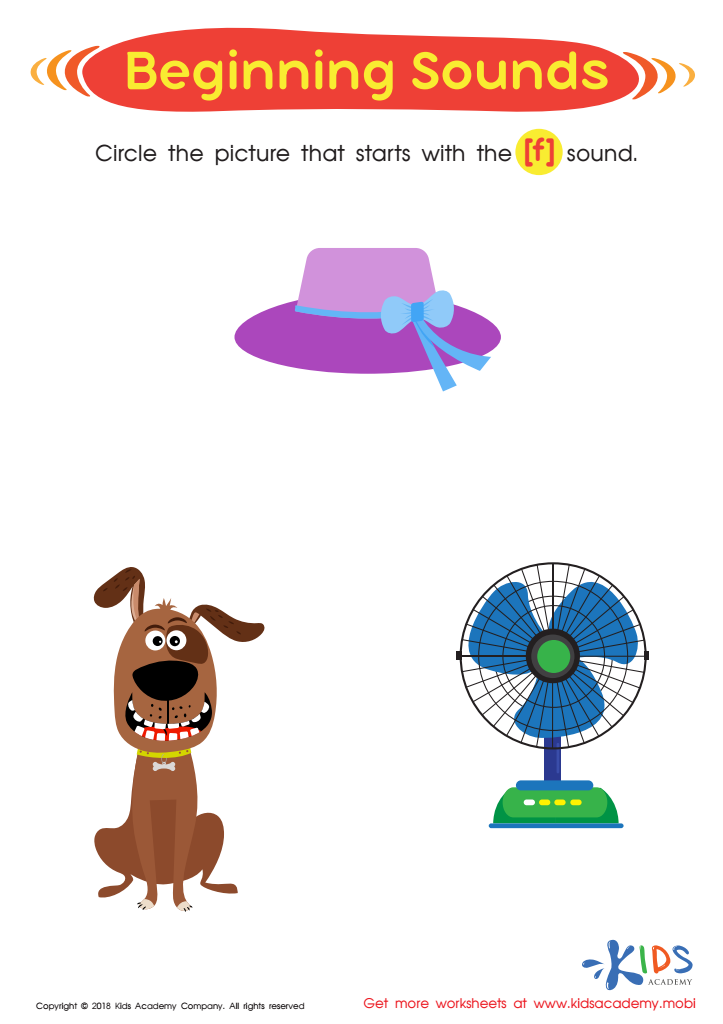
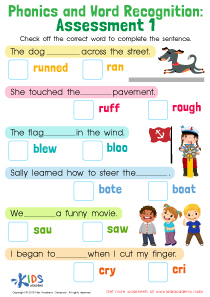
Beginning Sounds Assessment Printable
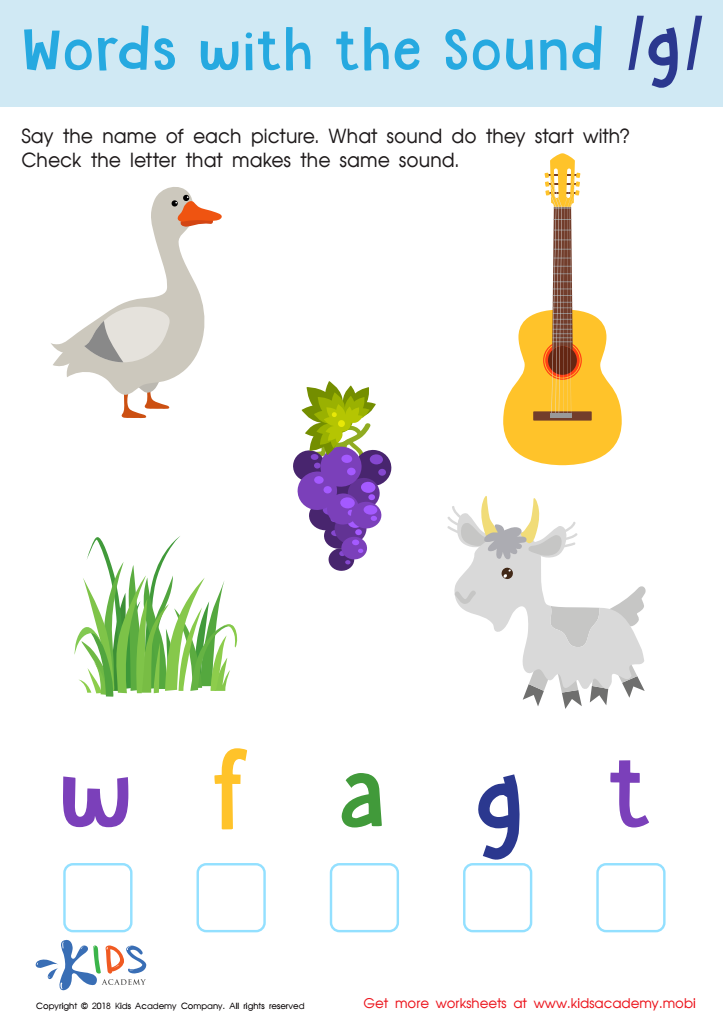
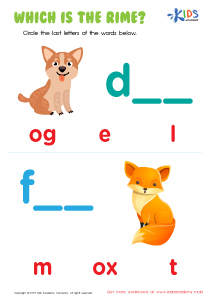
Words with sound g Reading Worksheet
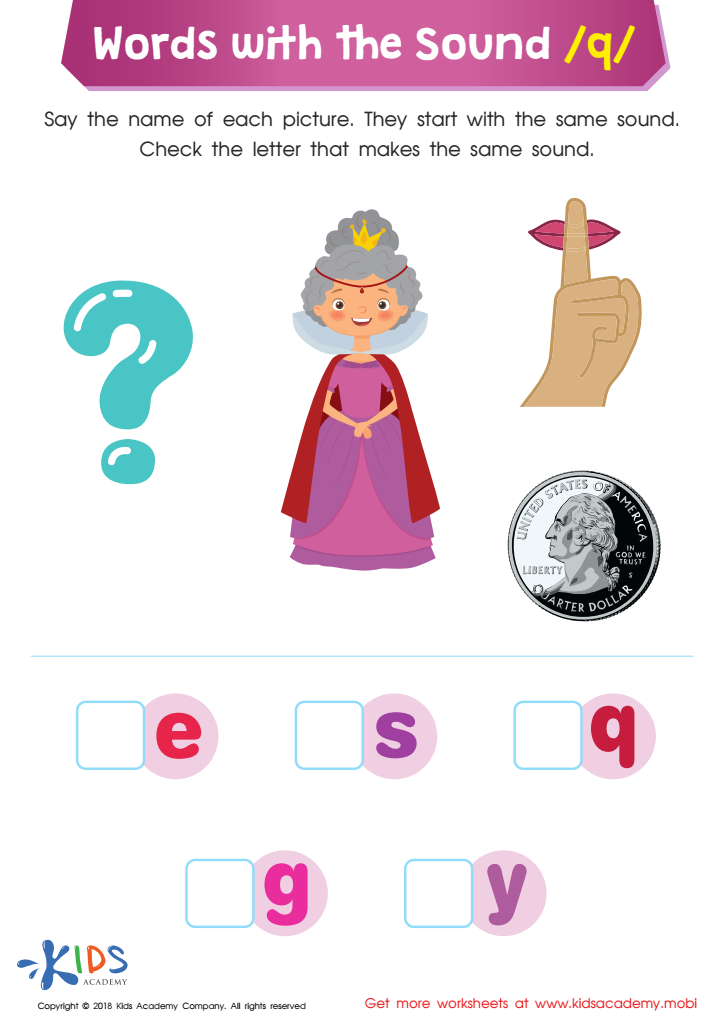
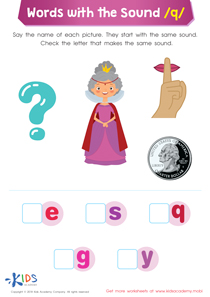
Words with Sound Q Reading Worksheet








Teaching Easy Beginning Sounds to children aged 3-7 is essential as it lays the foundation for effective reading and language development. At this age, kids are naturally curious and eager to explore the sounds of language, making it the perfect time to introduce phonemic awareness. Understanding beginning sounds helps children recognize letters and their corresponding sounds, which is critical for decoding words when they start reading.
Engaging children in fun and interactive activities centered around beginning sounds fosters not only their literacy skills but also their cognitive and social-emotional development. By practicing these sounds, children gain confidence in their language abilities and enhance their vocabulary, setting the stage for greater academic performance in the future.
Moreover, these early literacy skills can improve children's listening comprehension, critical thinking, and communication abilities. Parents and teachers who prioritize mastering beginning sounds create a supportive environment that encourages curiosity and a love for learning. Such an emphasis during these formative years can yield significant long-term benefits, ensuring children are better prepared for academic challenges and instilling a lifelong passion for reading. Ultimately, caring for children’s phonetic development is vital for nurturing their overall growth and success in school and beyond.