Color recognition Easy Worksheets for Ages 3-7 - Page 2
38 filtered results
-
From - To

Japan Printable
 Assign to My Students

Deer Tracing Winter Words Worksheet
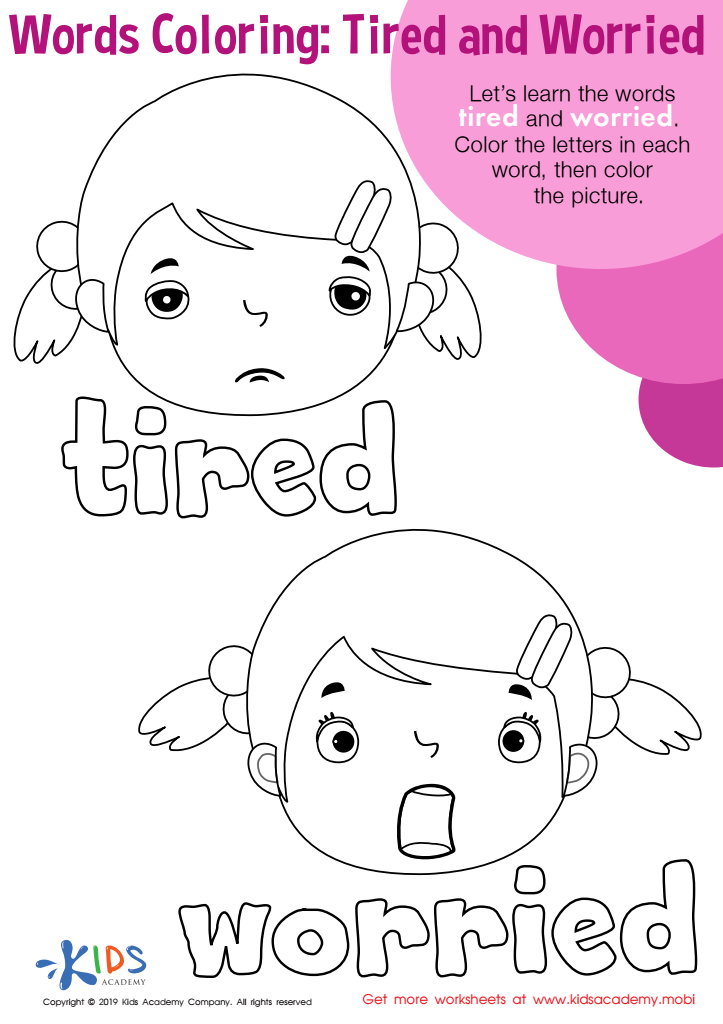
Tired and Worried Words Coloring Worksheet
Assign to My Students

Arizona Coloring Page Worksheet
Assign to My Students

Christmas: Snowman Printable
Assign to My Students
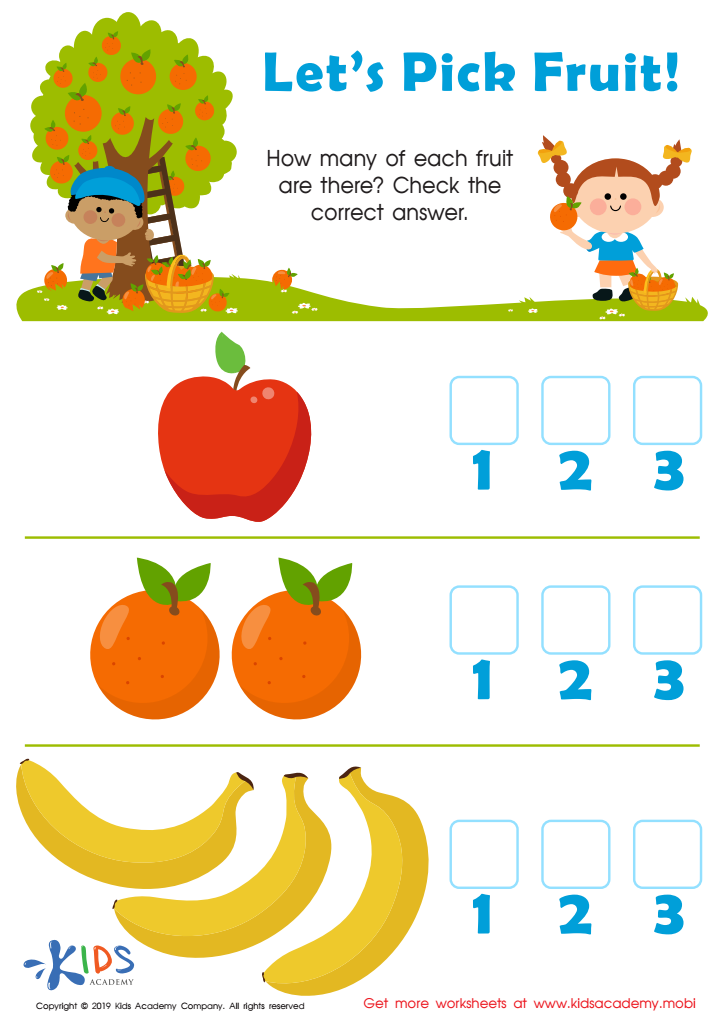
Let's Pick Fruit Worksheet
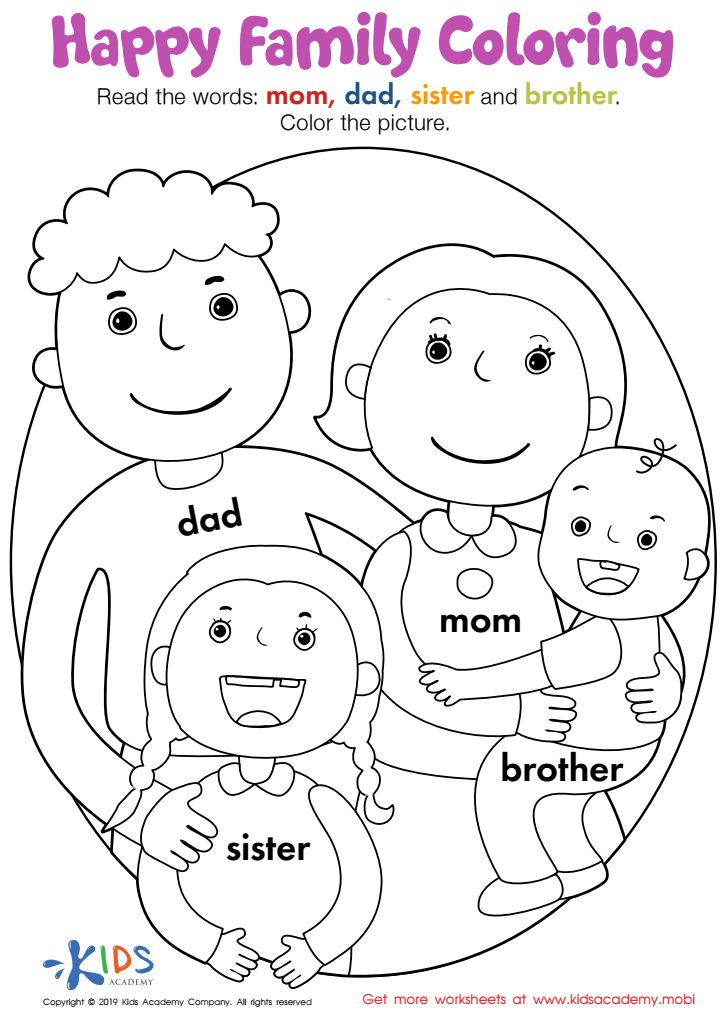
Happy Family Coloring Worksheet
Assign to My Students

Globe Coloring Page Worksheet
Assign to My Students
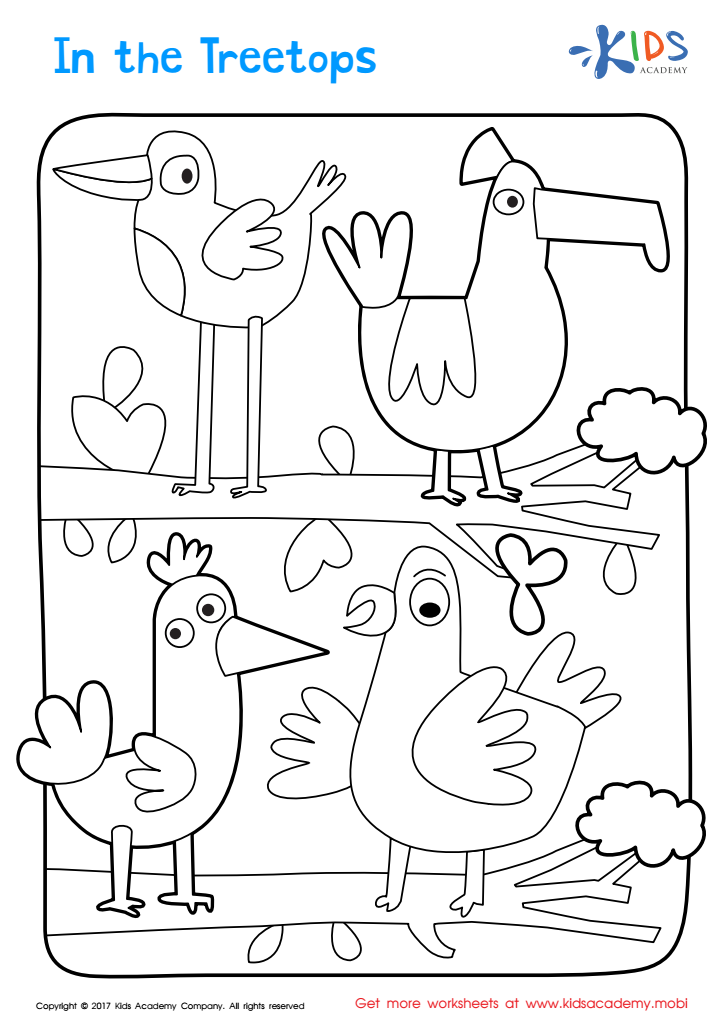
In the Treetops Coloring Page
Assign to My Students
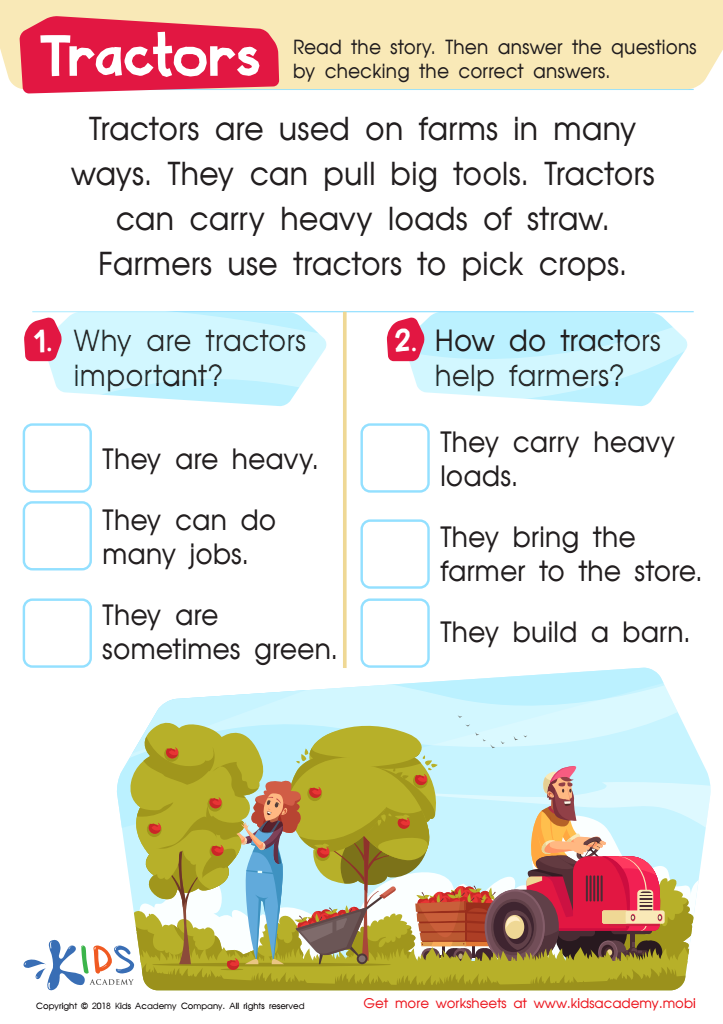
Tractors Worksheet
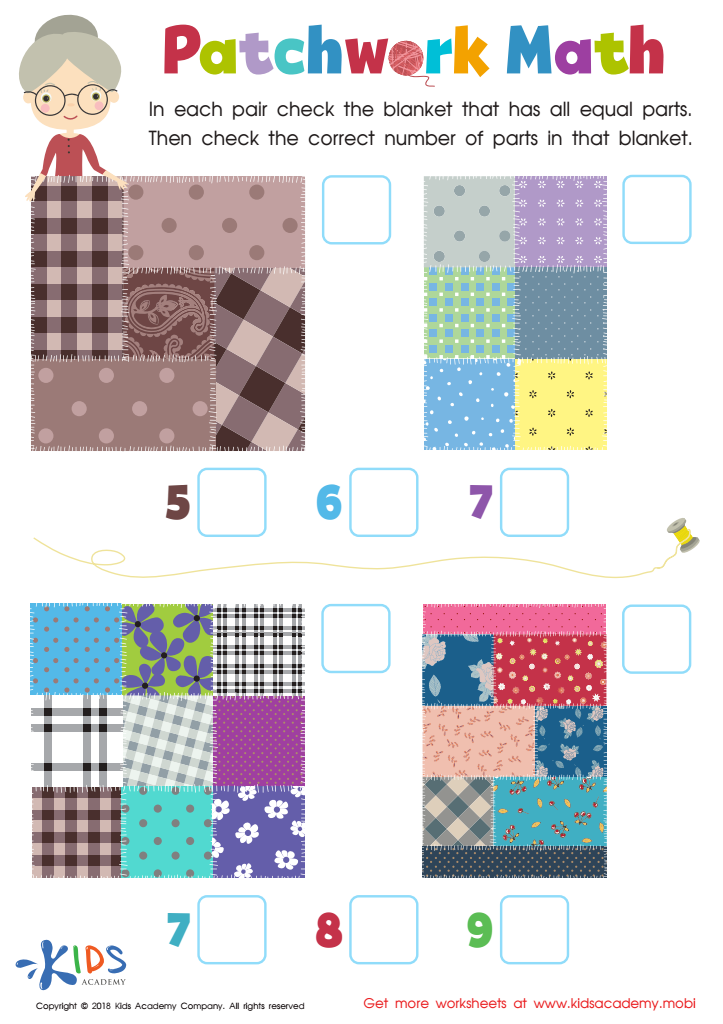
Patchwork Math Worksheet

Straw House Printable Coloring Page
Assign to My Students
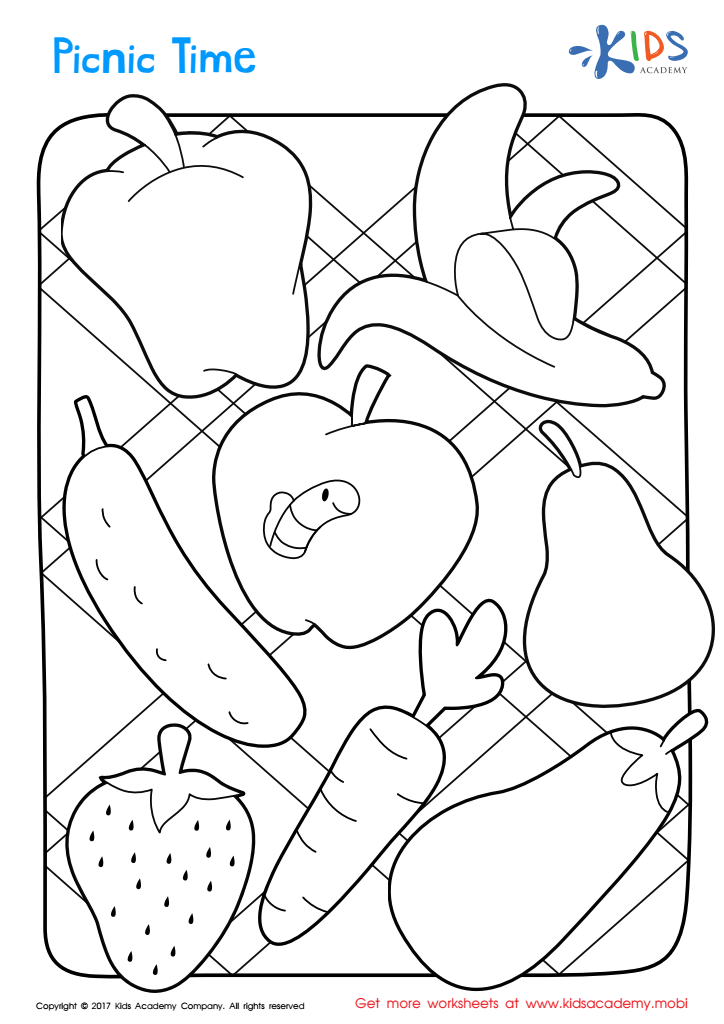
Picnic Time Coloring Page
Assign to My Students








Color recognition is a fundamental skill that plays a crucial role in early childhood development for several reasons. Firstly, it enhances cognitive development. By recognizing colors, children improve their ability to observe, categorize, and differentiate objects in their environment. This foundational skill sets the stage for more complex cognitive tasks, such as sorting and pattern recognition.
Additionally, color recognition supports language development. As children learn to name and describe colors, they expand their vocabulary and communication skills, fostering better social interactions and connections with others. Using colors in daily life provides opportunities for rich conversations between parents, teachers, and children.
Moreover, color recognition has practical applications. Understanding colors is essential in a multitude of everyday activities, such as arts and crafts, navigation, and safety signs. It also plays a significant role in creativity and self-expression, empowering children to explore their artistic interests.
Lastly, recognizing colors can serve as a fun and engaging learning experience. Parents and teachers can make learning about colors enjoyable through games, activities, and storytelling, ultimately instilling a lifelong love of learning. By prioritizing color recognition at an early age, we equip children with essential skills that will benefit them throughout their educational journey and beyond.








