Comprehension skills Easy Worksheets for Ages 3-7
4 filtered results
-
From - To
Discover fun and engaging comprehension skills worksheets tailored for children aged 3-7! Our expertly crafted printable worksheets simplify learning by featuring colorful visuals, interactive activities, and age-appropriate content. Perfect for preschool and early grade students, these easy-to-follow exercises cover essential comprehension skills, including sequencing, predicting, and identifying main ideas. Designed to boost confidence and foster a love for reading, our worksheets are an excellent supplement to your child's educational journey. Visit Kids Academy to provide your child with foundation-building fun that makes mastering comprehension skills enjoyable and effective!
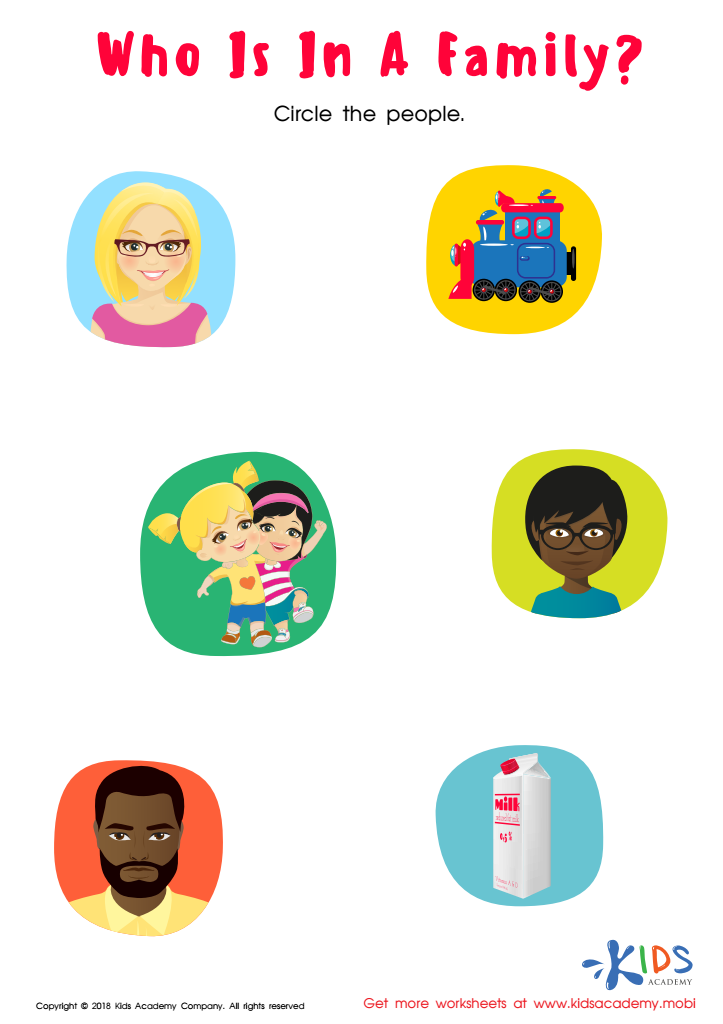
Who Is in a Family? Worksheet
 Assign to My Students
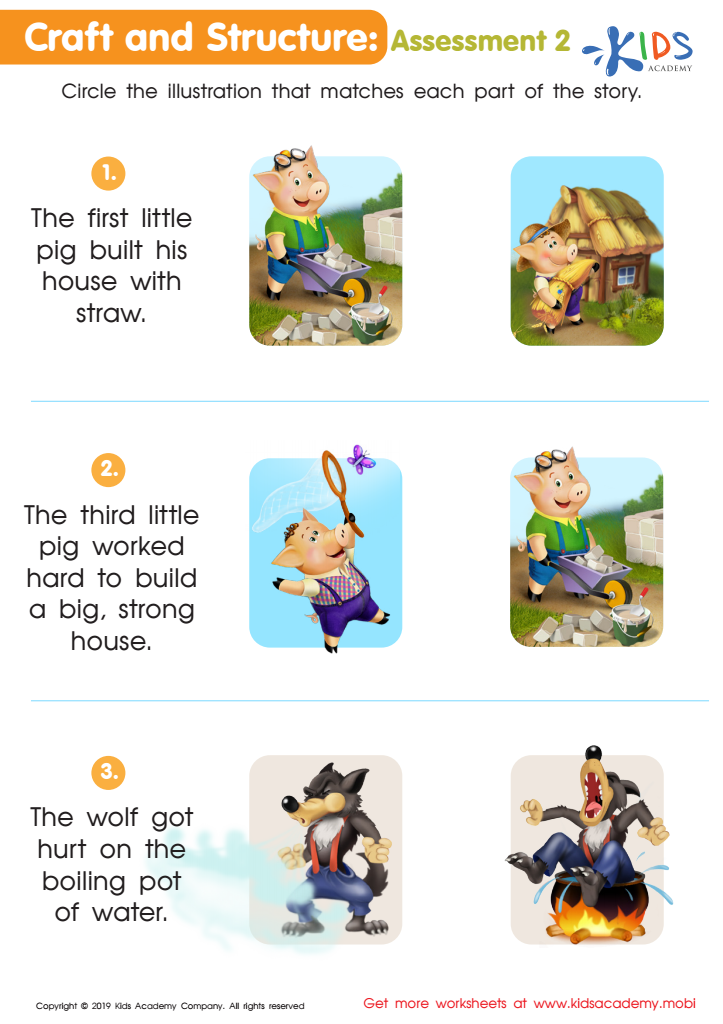
Craft and Structure: Assessment 2 Worksheet 2
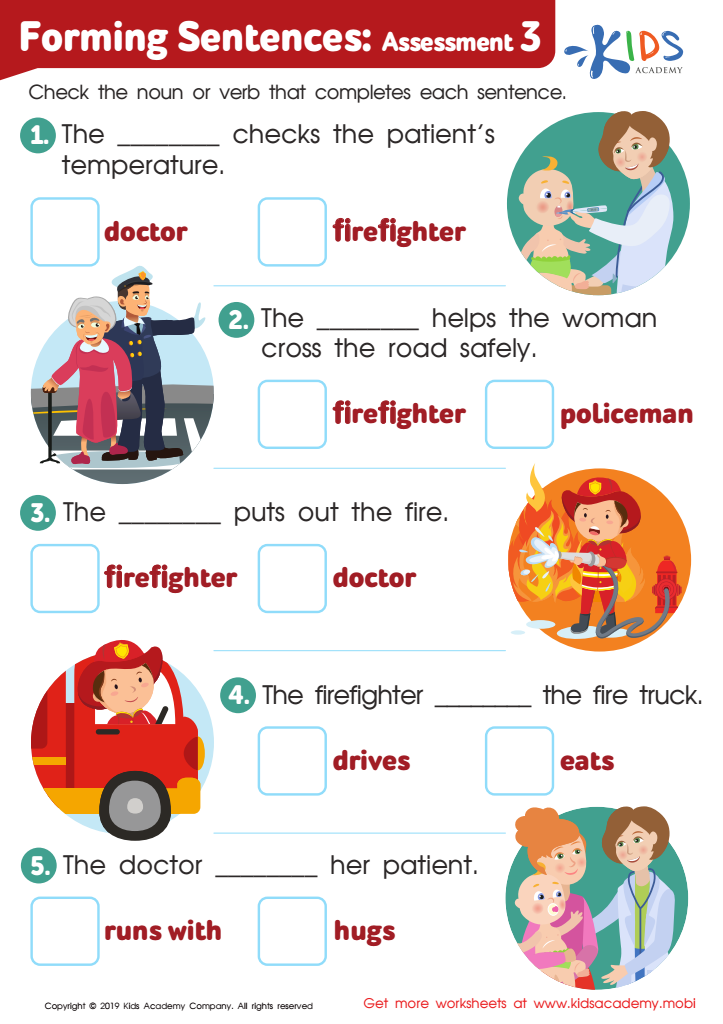
Forming Sentences: Assessment 3 Worksheet
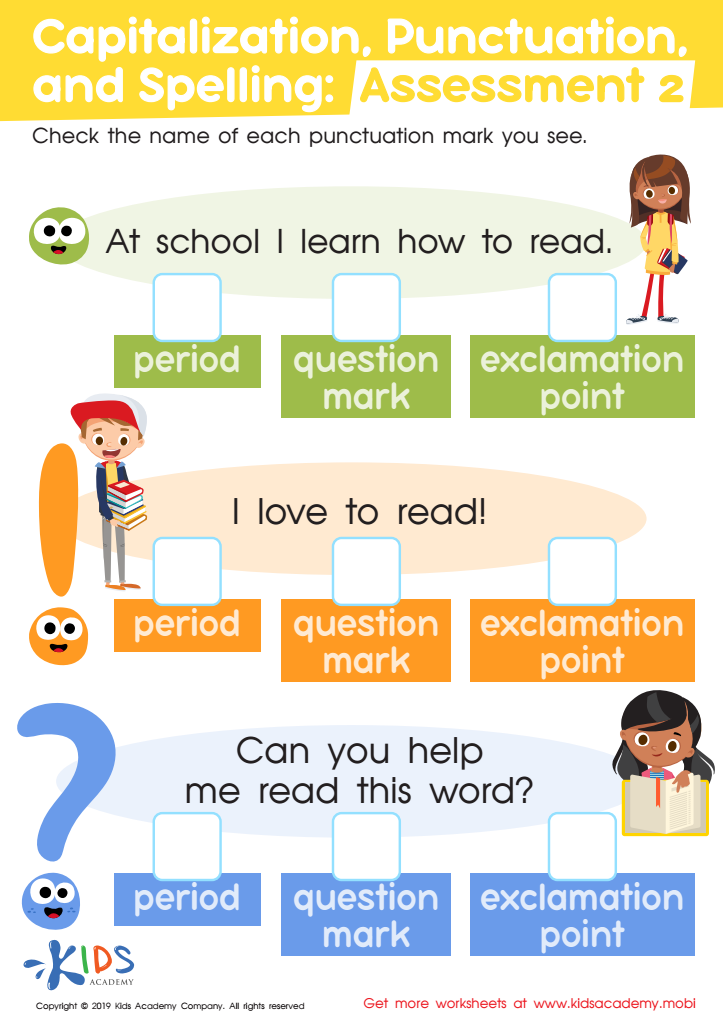
Capitalization. Punctuation. Spelling: Assessment 2 Worksheet







Comprehension skills are crucial for young children aged 3-7 because they form the foundation for all future learning. These skills enable children to understand and make sense of what they hear and read, setting the stage for academic success. When parents and teachers focus on developing comprehension skills, they are helping children grasp the meaning of stories, instructions, and informational texts, which boosts cognitive development and critical thinking.
Children with strong comprehension skills are better able to follow directions, participate in conversations, and engage in classroom activities. These competencies are not only essential for academic progress but also for social interactions. For example, understanding the plot of a story can help children empathize with characters, enhancing their emotional intelligence and social understanding.
Inculcating good comprehension habits early on makes learning more enjoyable and boosts a child's self-confidence. Engaging activities such as reading aloud, asking open-ended questions, and discussing stories stimulate brain development and foster a love for reading.
Therefore, focusing on comprehension skills for ages 3-7 equips children with the necessary tools to excel in school and beyond, nurtures curiosity, and fosters lifelong learning habits. Investing time and resources into developing these skills can have lasting, positive impacts on a child's educational journey.








