Enhancing observation skills Easy Worksheets for Ages 3-7
6 filtered results
-
From - To
Enhancing observation skills is vital for young learners aged 3-7, and our easy worksheets are designed to make learning fun and engaging! These printable resources help children sharpen their observational abilities, encouraging them to notice details and improve focus. With a variety of activities, including matching, spotting differences, and simple puzzles, young learners will develop critical thinking and reasoning skills in a simple and enjoyable manner. Our worksheets are perfect for parents and teachers looking to support early childhood development. Foster curiosity and attentiveness in your little ones today with our beautifully designed, age-appropriate observational skill worksheets!
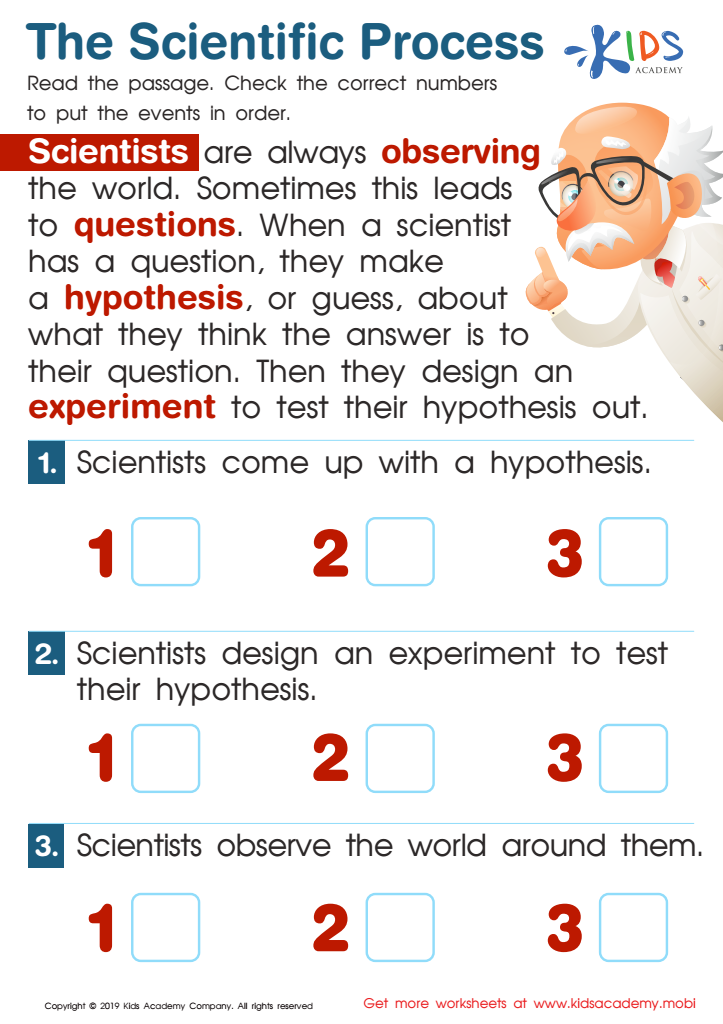
The Scientific Process Worksheet
 Assign to My Students
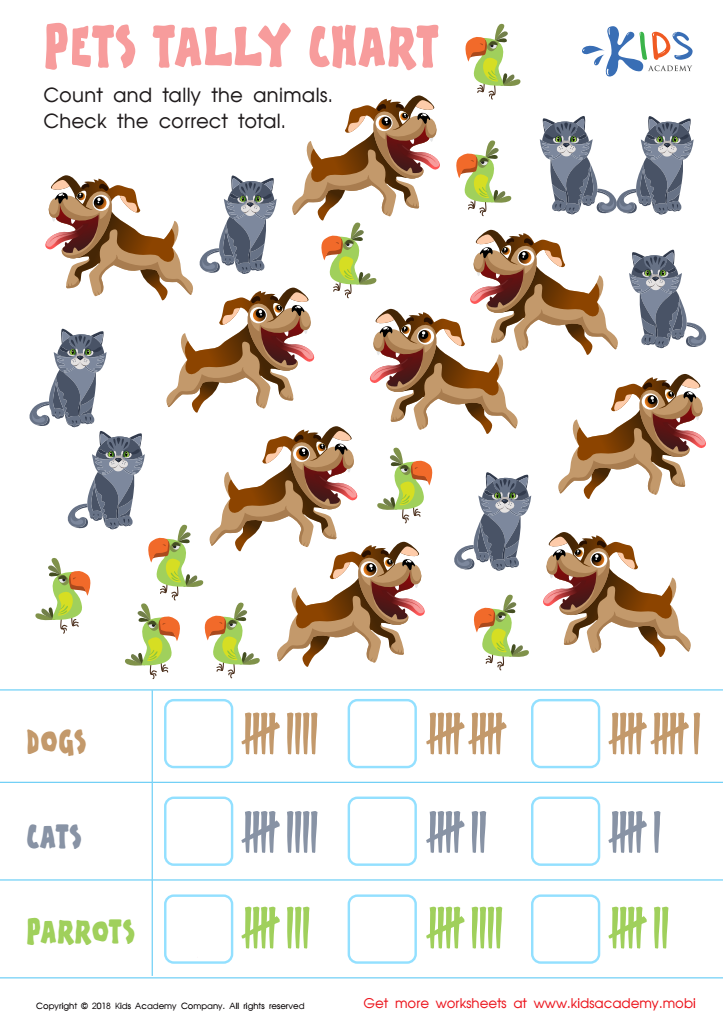
Pets Tally Chart Worksheet
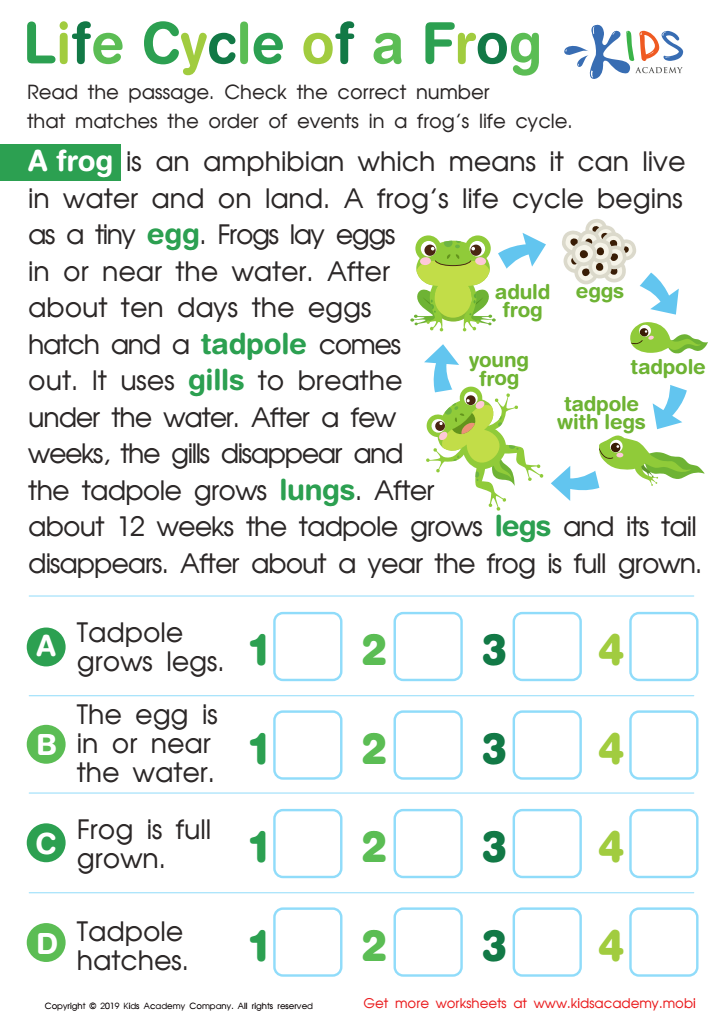
Life Cycle of a Frog Worksheet
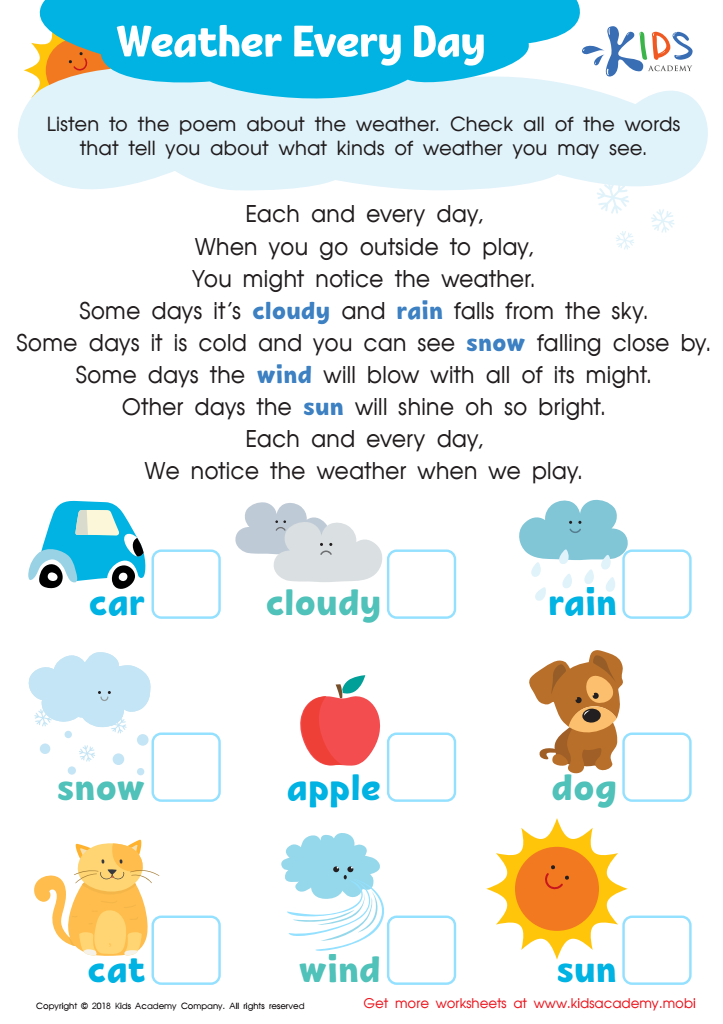
Weather Every Day Worksheet
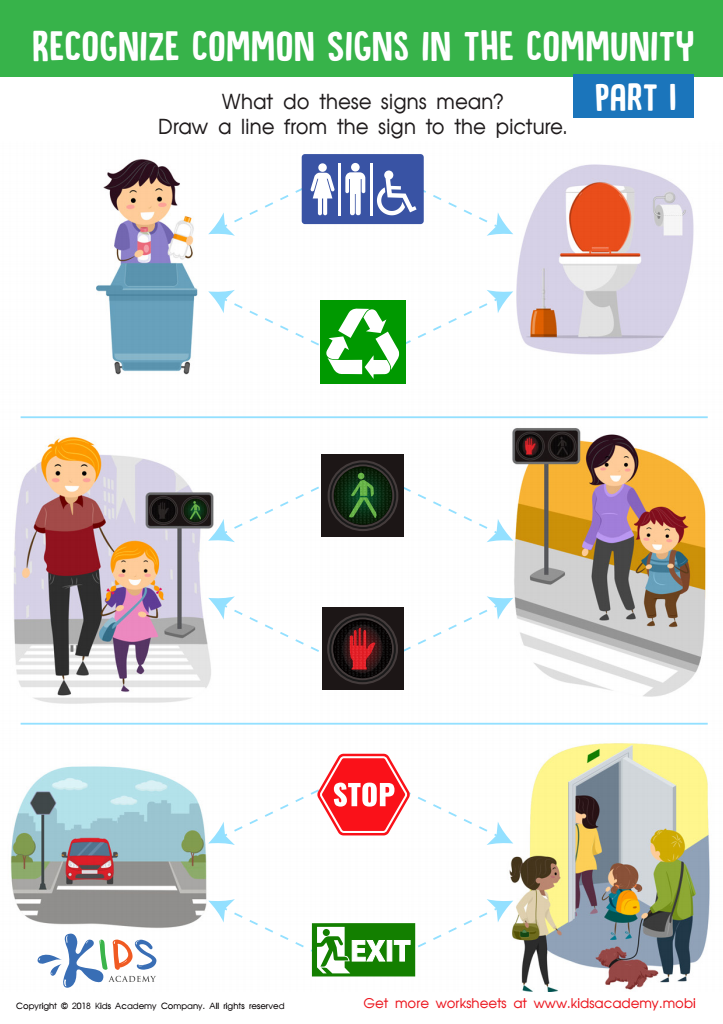
Recognize Common Signs: Part 1 Worksheet
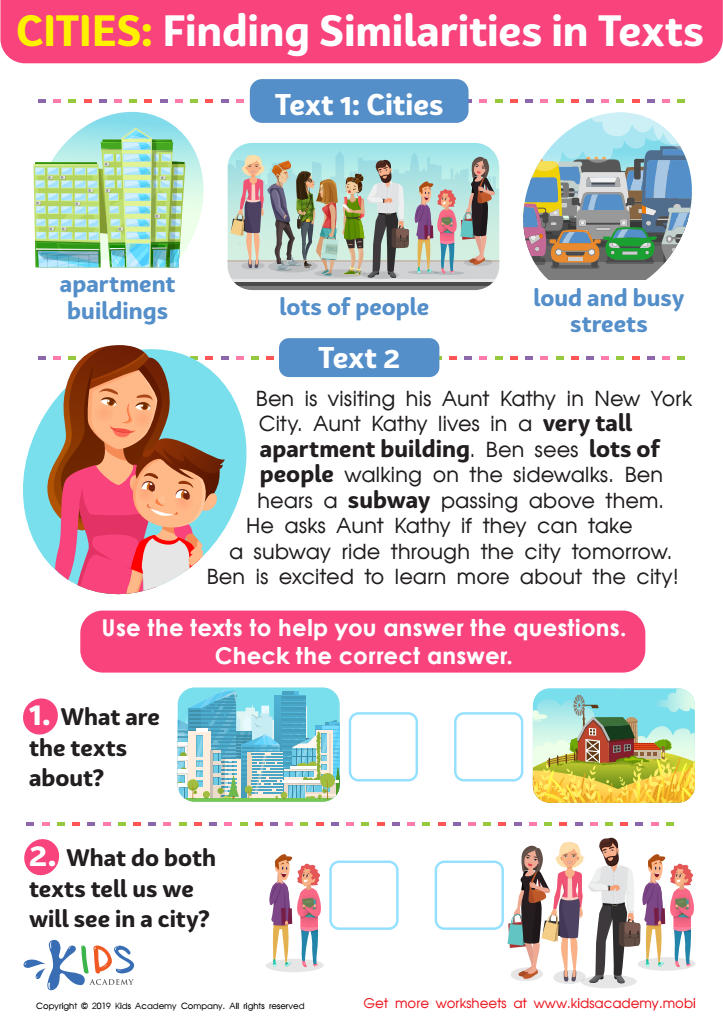
Cities: Finding Similarities Worksheet







Enhancing observation skills in young children aged 3-7 is crucial for their overall development and learning. Observation is a foundational skill that empowers children to interact effectively with their environment, fostering curiosity and critical thinking. When parents or teachers focus on developing these skills, they help children learn how to notice details, identify differences, and make connections, which are essential prerequisites for problem-solving and comprehension.
Moreover, strong observation skills enhance language development. As children learn to articulate what they see, hear, and experience, they expand their vocabulary and improve communication abilities. This, in turn, supports early literacy skills, as they become more adept at recognizing patterns in language and stories.
Socially, enhanced observation helps children understand social cues and emotions in themselves and others, promoting empathy and effective interpersonal communication. It can also help them follow instructions and routines, making daily activities smoother.
Incorporating observation-focused activities in play and learning allows children to engage actively and meaningfully with their surroundings. When teachers and parents invest in this crucial skill, they lay the groundwork for lifelong learning, encouraging inquisitiveness and resilience that will serve children well in all aspects of their lives.








