Fine motor skills improvement Easy Worksheets for Ages 3-7
5 filtered results
-
From - To
Discover our "Fine Motor Skills Improvement Easy Worksheets" designed specifically for ages 3-7. These engaging and child-friendly worksheets focus on enhancing your child's fine motor skills through fun activities like tracing, cutting, and drawing. Our expertly crafted printables are perfect for young learners needing to develop coordination, dexterity, and hand-eye coordination essential for success in early education. Each worksheet is tailored to provide progressive challenges that keep kids motivated and excited to learn. Cultivate essential developmental skills in your child today with our thoughtfully designed resources at Kids Academy. Start fostering creativity and precision with ease!
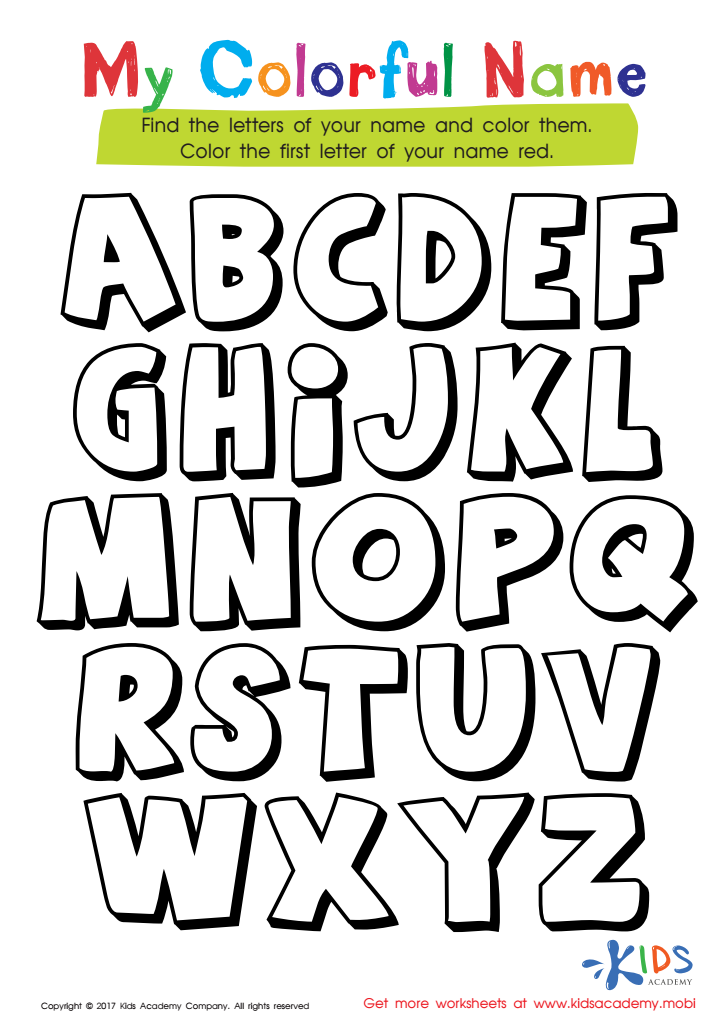
My Colorful Name Worksheet
 Assign to My Students
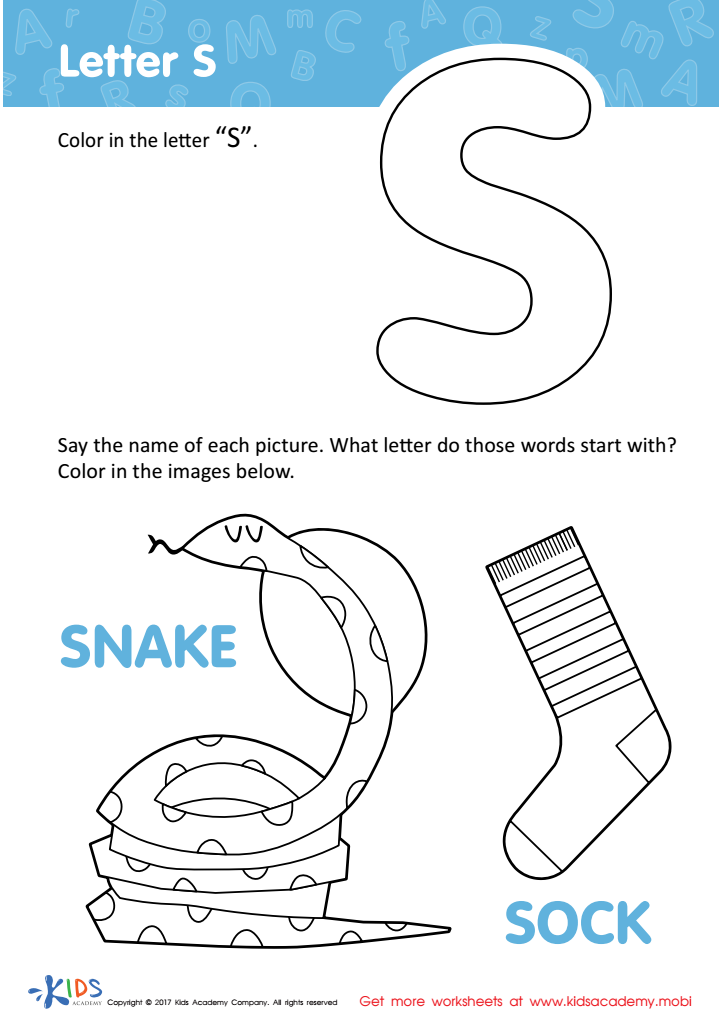
Letter S Coloring Sheet
Assign to My Students
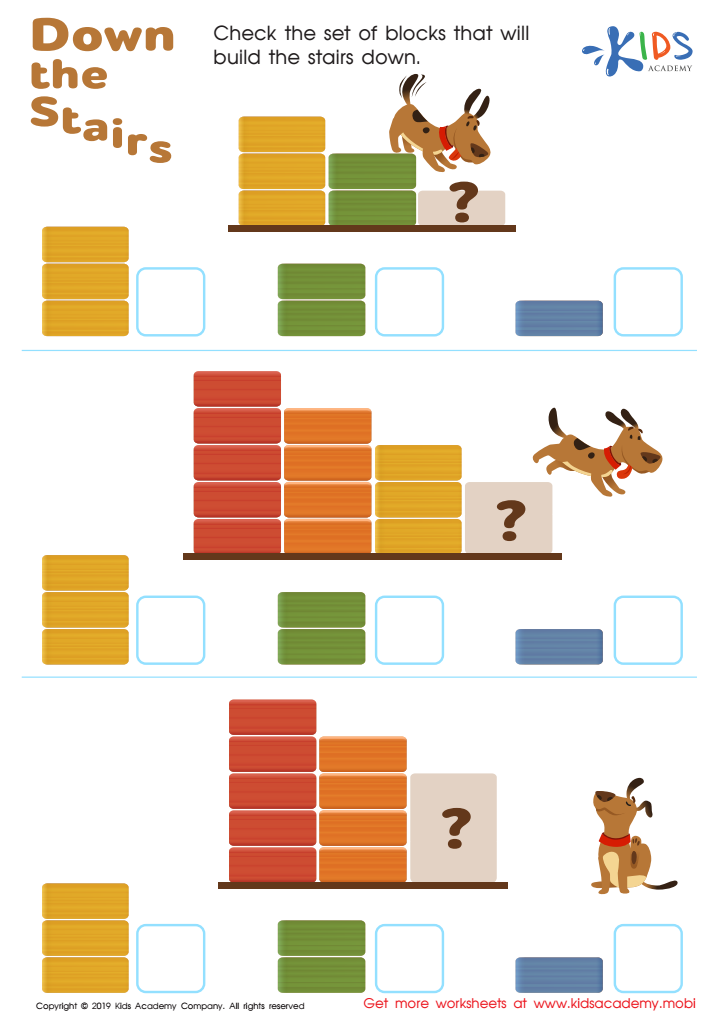
Down the Stairs Worksheet
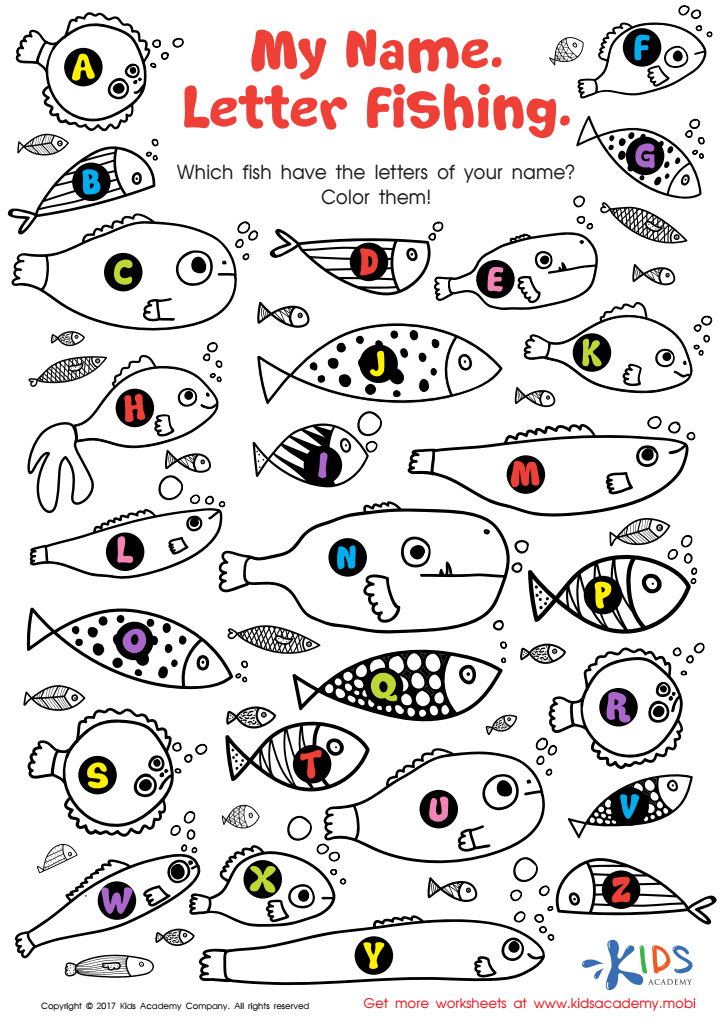
My Name: Letter Fishing Worksheet
Assign to My Students
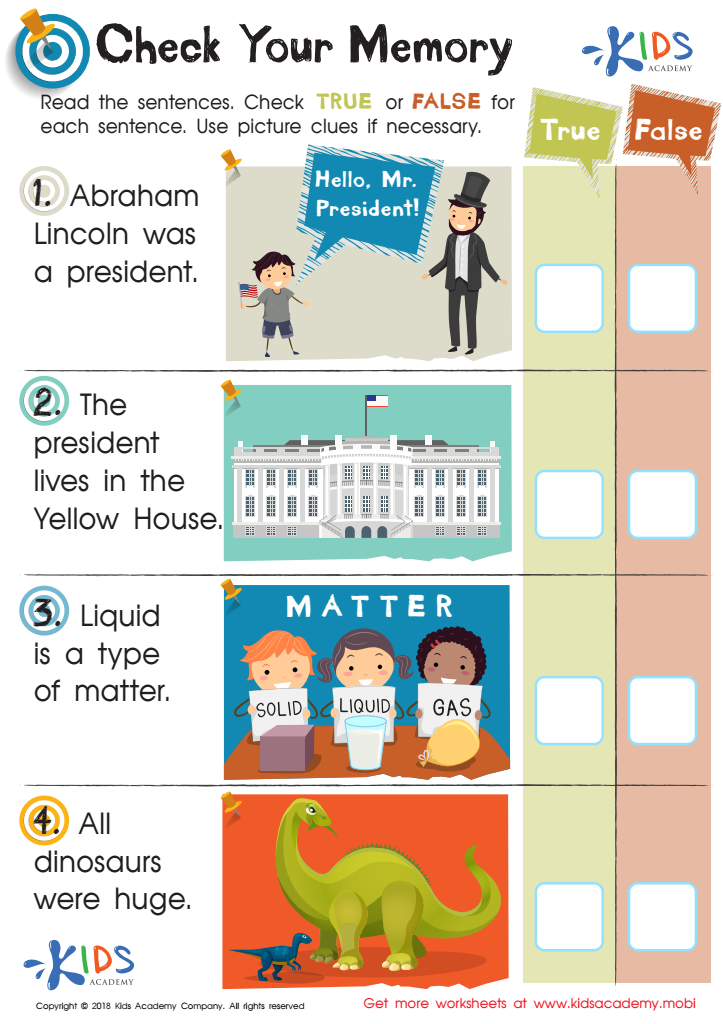
Check Memory Worksheet






Parents and teachers should prioritize the improvement of fine motor skills in children ages 3-7 because these skills are fundamental for their overall development and future academic success. Fine motor skills involve the coordination of small muscles in movements, typically in the hands and fingers, that are essential for tasks like writing, buttoning a shirt, or tying shoelaces. At this age, children are rapidly developing these skills, which directly impact their ability to perform everyday and school-related activities.
Enhancing fine motor skills early helps children achieve greater independence, boosting their confidence and ability to perform daily tasks without assistance. In an academic setting, strong fine motor skills are crucial for writing and drawing, enabling children to express their thoughts and learn effectively. Additionally, engaging in activities that improve fine motor skills also promotes hand-eye coordination and cognitive growth, laying the foundation for more complex tasks as they progress through school.
Practical, play-based activities like building with blocks, playing with puzzles, or coloring can be both fun and educational, encouraging continuous skill development. By investing time and resources in improving fine motor skills in the early years, parents and teachers can help shape a child's ability to thrive both in school and daily life.








