Fraction visualization Easy Worksheets for Ages 3-7
4 filtered results
-
From - To
Introduce young learners to the fun world of fractions with "Fraction Visualization Easy Worksheets for Ages 3-7." These engaging worksheets, designed by education experts at Kids Academy, make complex concepts approachable and enjoyable for early elementary students. Activities range from coloring fractions to visualizing halves, thirds, and quarters with vibrant illustrations and interactive exercises. Perfect for both classroom and home practice, these worksheets support foundational math skills, enhance number sense, and build confidence in understanding fractions. Start your child's fraction journey today with our visually captivating, easy-to-follow worksheets tailored specifically for young minds!
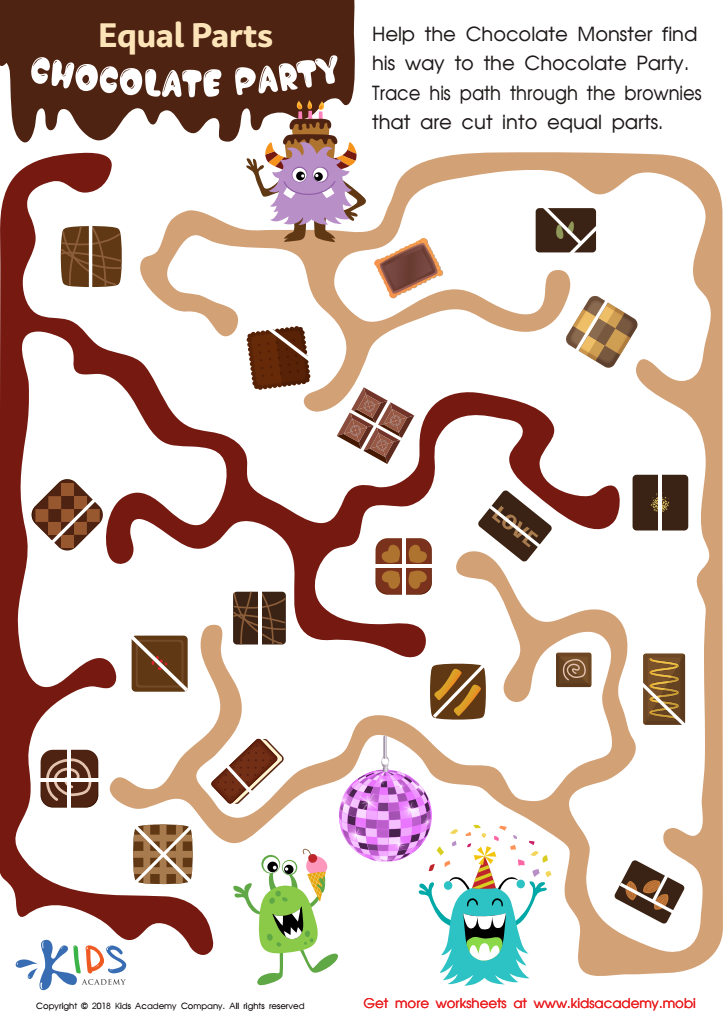
Equal Parts: Chocolate Party Worksheet
 Assign to My Students
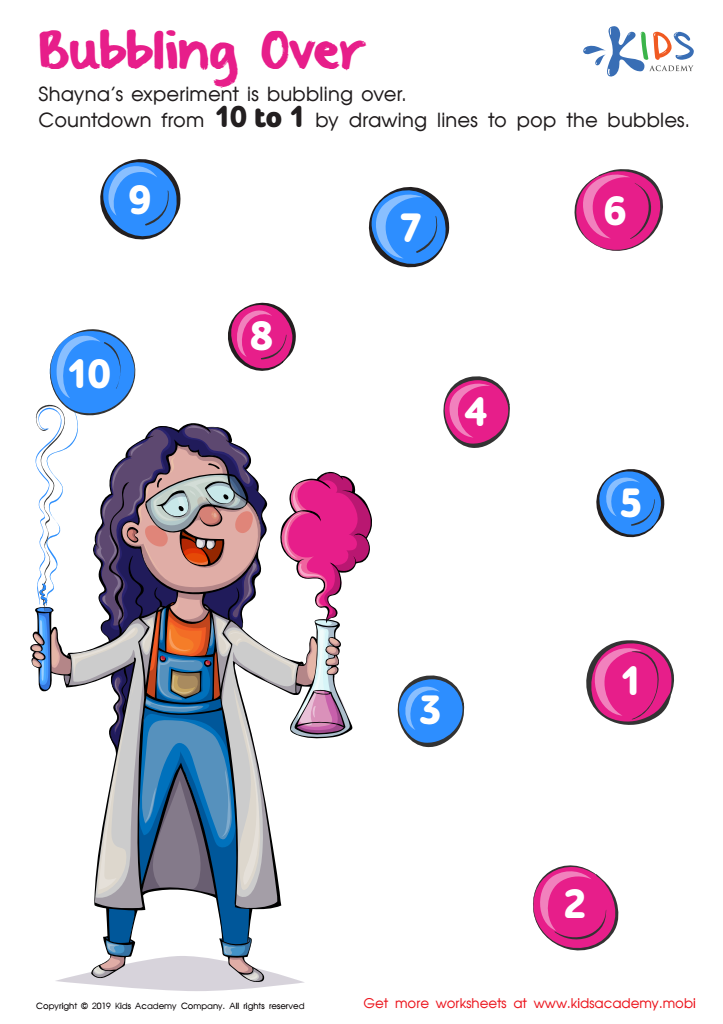
Bubbling Over Worksheet
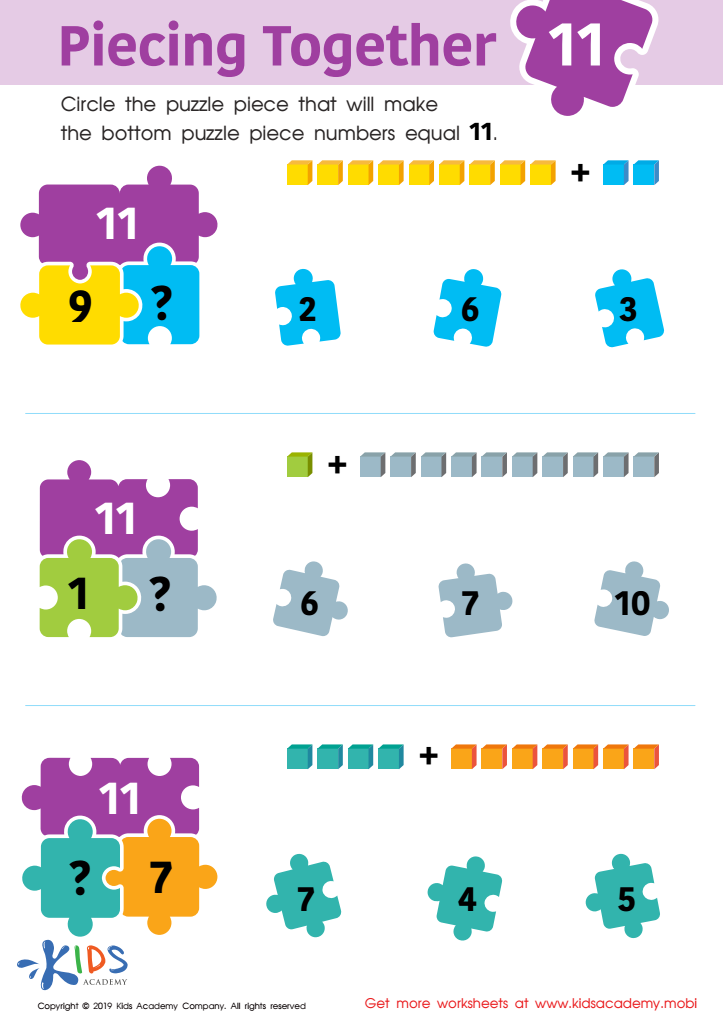
Piecing Together 11 Worksheet
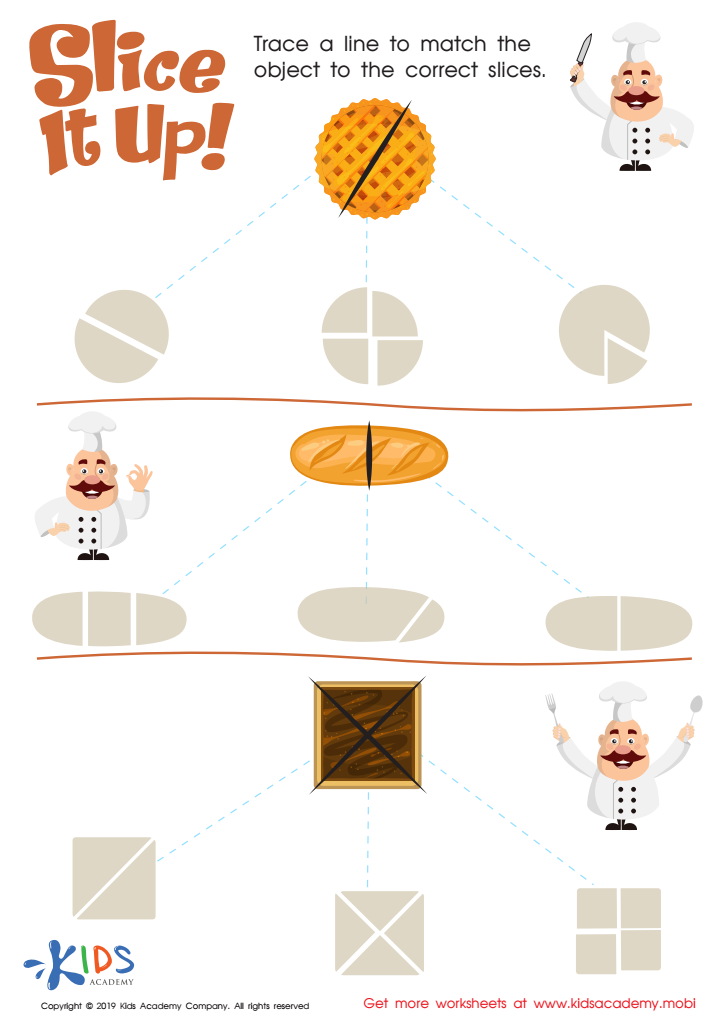
Slice It Up Worksheet







Understanding fractions is foundational to math literacy, and introducing fraction visualization early, especially for ages 3-7, can significantly aid in children's cognitive development and math comprehension. At this young age, children are highly visual and learn best through concrete representations and hands-on activities.
Visualizing fractions allows kids to see the parts that make up a whole, making abstract concepts more concrete. This early exposure fosters a stronger number sense, enhancing their ability to grasp more complex math concepts later on. Using tools like fraction bars, pie charts, or everyday objects, children can physically manipulate parts of a whole, helping solidify their understanding through active learning.
Engaging young learners with fraction visualization also helps build critical thinking and problem-solving skills. It encourages them to explore concepts of fairness, sharing, and proportional reasoning in real-world contexts. For example, dividing a pizza among friends can serve as a practical exercise in understanding fractions.
Moreover, early familiarity with fractions promotes confidence in math, reducing anxiety often associated with the subject. When children find math relatable and fun through these visual and tactile methods, they are more likely to develop a positive attitude towards learning and adopt lifelong skills beneficial outside of schooling.
Thus, integrating fraction visualization practices into early education cultivates foundational math skills and nurtures an enthusiastic, self-assured approach to learning.








