Identifying objects Easy Worksheets for Ages 3-7
3 filtered results
-
From - To
Unlock your child's potential with our "Identifying Objects Easy Worksheets for Ages 3-7"! Designed to enhance early learning, these worksheets help young children recognize and name everyday objects. Through fun, engaging activities, kids develop critical observation and language skills that form the foundation for future academic success. Ideal for preschoolers and early elementary students, these resources are perfect for both classroom and at-home learning. Bright, colorful images and simple instructions ensure that learning remains enjoyable and stress-free. Start your child on the path to discovering the world around them today!
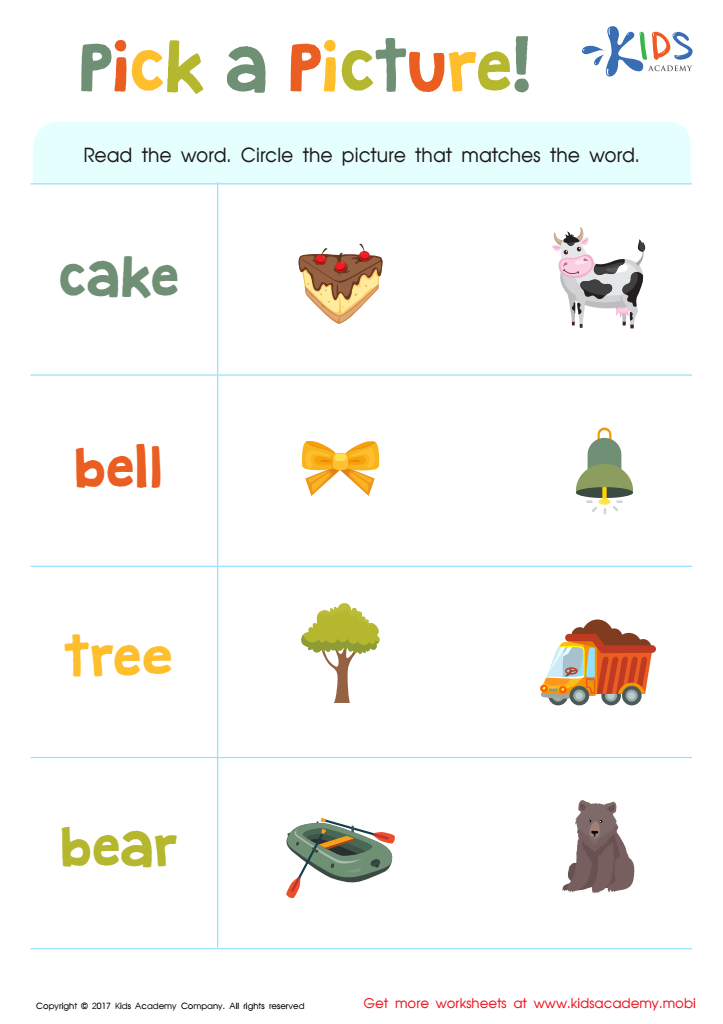
Pick a Picture Word Recognition Worksheet
 Assign to My Students
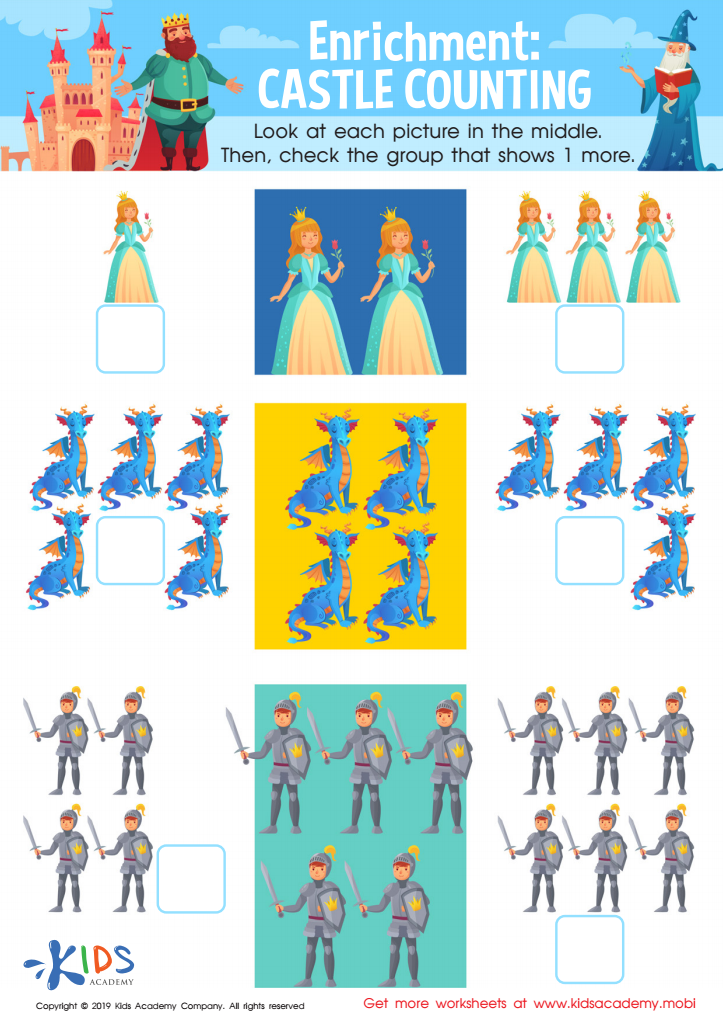
Enrichment: Castle Counting Worksheet
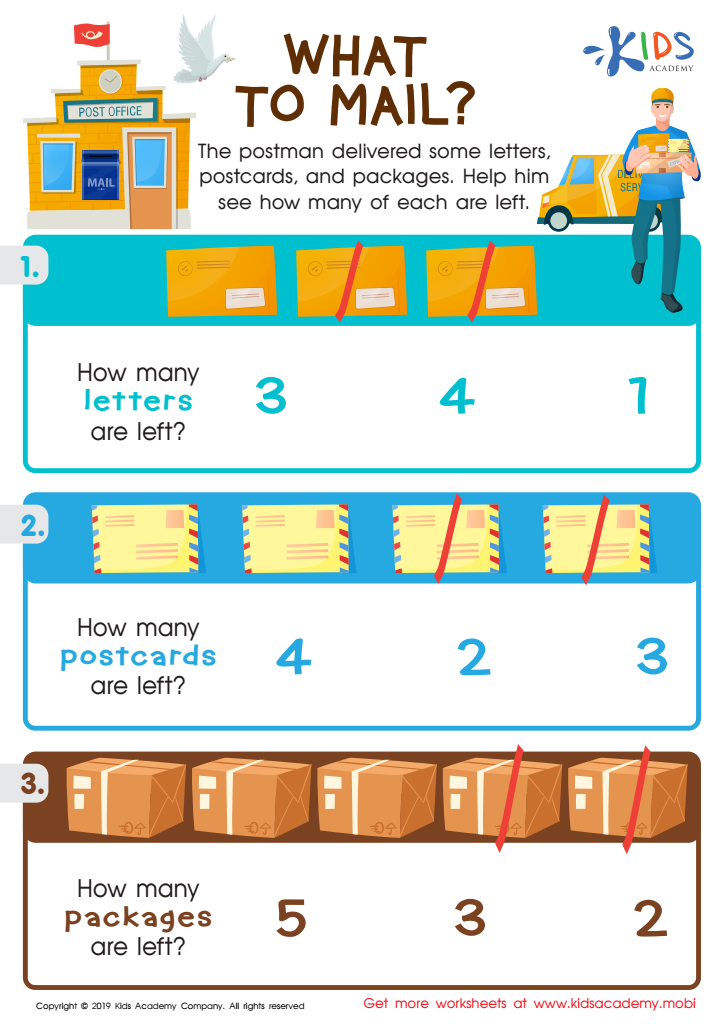
What to Mail? Worksheet



.jpg)

.jpg)
Identifying objects is a foundational skill for young children, critical to their cognitive and language development. For children aged 3-7, the act of recognizing and naming objects helps them make sense of the world around them. When parents and teachers focus on this skill, they set the stage for more complex learning down the road, including reading, mathematics, and problem-solving.
During these formative years, children's brains are highly receptive to learning new information. By engaging with objects and practicing identification, children enhance their vocabulary and language skills. Naming shapes, colors, animals, and household items, for example, builds their descriptive language, aiding in effective communication.
Additionally, identifying objects hones children's visual and spatial skills. They learn to distinguish between similarities and differences and categorize objects, which are vital steps in cognitive development. This skill also deeply intersects with emotional and social development. As children progress, they gain confidence in their ability to understand and describe their surroundings, increasing their curiosity and willingness to engage with new learning experiences.
For parents and teachers, investing in activities that promote object identification involves using everyday moments as educational opportunities. Simple practices like labeling objects, interactive play, and guided conversations can significantly impact early childhood development, giving children a robust start in their lifelong learning journey.








