Improving vocabulary Easy Worksheets for Ages 3-7
3 filtered results
-
From - To
Enhance your child's vocabulary with our engaging and user-friendly worksheets designed specifically for ages 3-7! Our "Improving Vocabulary" resources offer a variety of fun activities that promote language development through playful learning. With worksheets featuring colorful illustrations and interactive exercises, children will expand their word knowledge while enjoying hands-on practice. These activities support essential skills like word recognition, spelling, and context comprehension, ensuring a well-rounded foundation for early literacy. Perfect for home or classroom use, our worksheets are easy to print and can be tailored to fit any child’s learning pace. Start enriching your child’s vocabulary today!
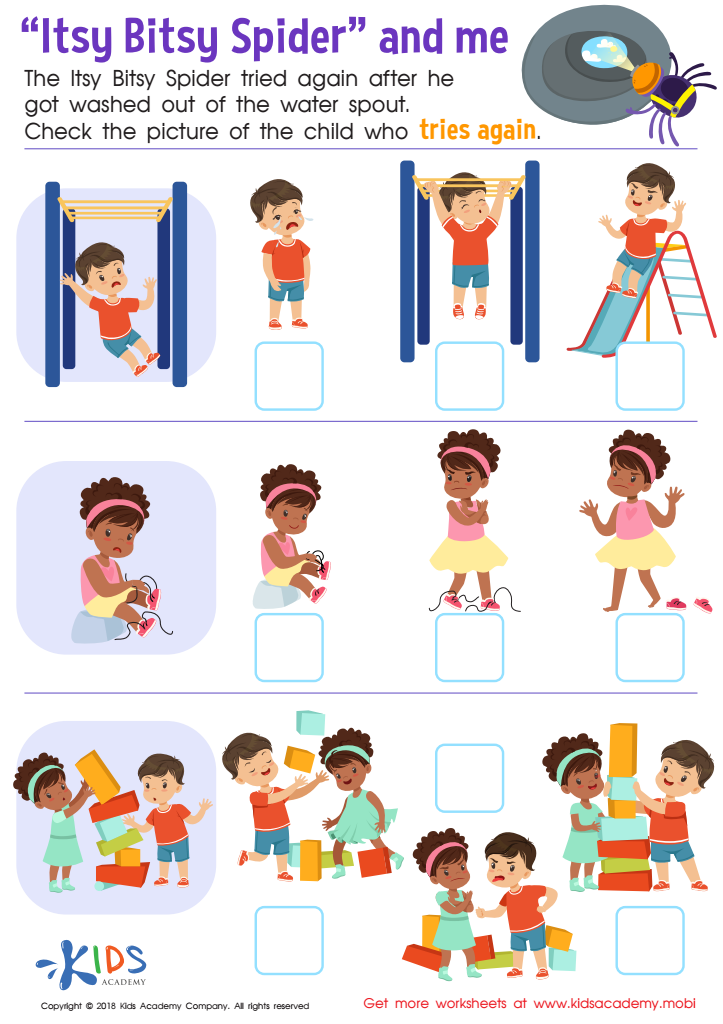
Itsy Bitsy Spider and Me Worksheet
 Assign to My Students
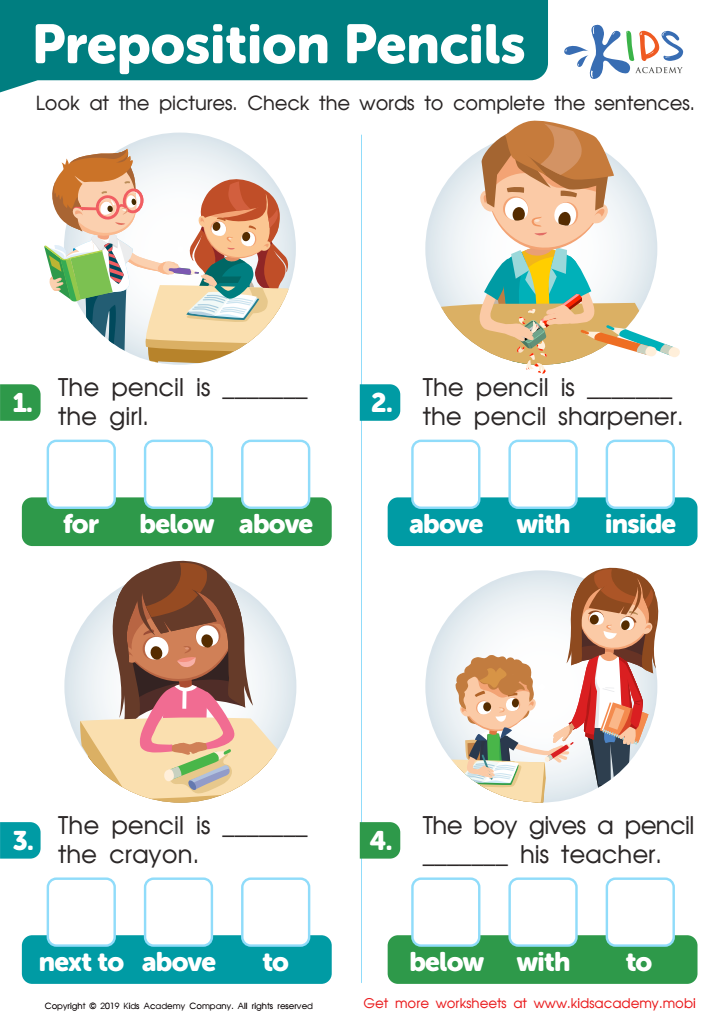
Preposition Pencils Worksheet
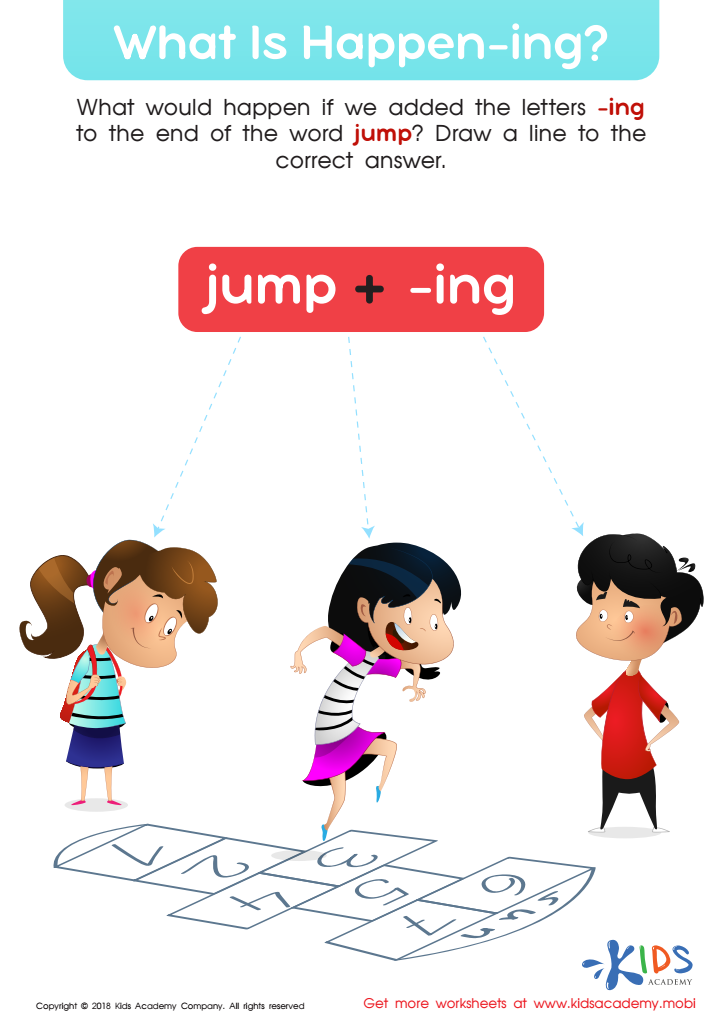
What Is Happen-Ing? Worksheet



.jpg)



Improving vocabulary in children aged 3-7 is crucial for their cognitive, social, and emotional development. This age range is a critical period for language acquisition, where children are rapidly absorbing new words and concepts. A rich vocabulary enhances a child's ability to express themselves clearly and confidently, which is foundational for effective communication. Parents and teachers play a vital role in this process; their support can stimulate curiosity and foster a love for language.
In addition, a strong vocabulary links directly to literacy skills. Children with a wider range of words are better equipped to understand stories, follow instructions, and engage in academic tasks, setting a solid groundwork for reading and writing proficiency. Improved vocabulary also enhances comprehension skills, enabling children to connect ideas and develop critical thinking.
Furthermore, strong vocabulary skills contribute to better emotional expression and social interactions, allowing children to articulate feelings, ask questions, and make friends more easily. Parents and teachers, by incorporating playful language games, reading together, and encouraging conversations, can create an enriching environment. Ultimately, making vocabulary enhancement a priority will empower children and support their overall growth, preparing them for future academic success and interpersonal relationships.








