Phonics Skills Easy Worksheets for Ages 3-7
5 filtered results
-
From - To
Discover engaging and easy phonics worksheets tailored for ages 3-7 at Kids Academy! Our printable resources make learning letter sounds, blends, and basic reading skills fun and effective. Designed by early education experts, these worksheets are perfect for home or classroom use to help young learners master phonics progressively. Boost your child's confidence and foundational literacy skills with colorful, interactive activities that make learning enjoyable. Easily download and print worksheets that support phonemic awareness, vocabulary development, and early reading proficiency. Start your child's phonics journey today with Kids Academy's high-quality educational materials!
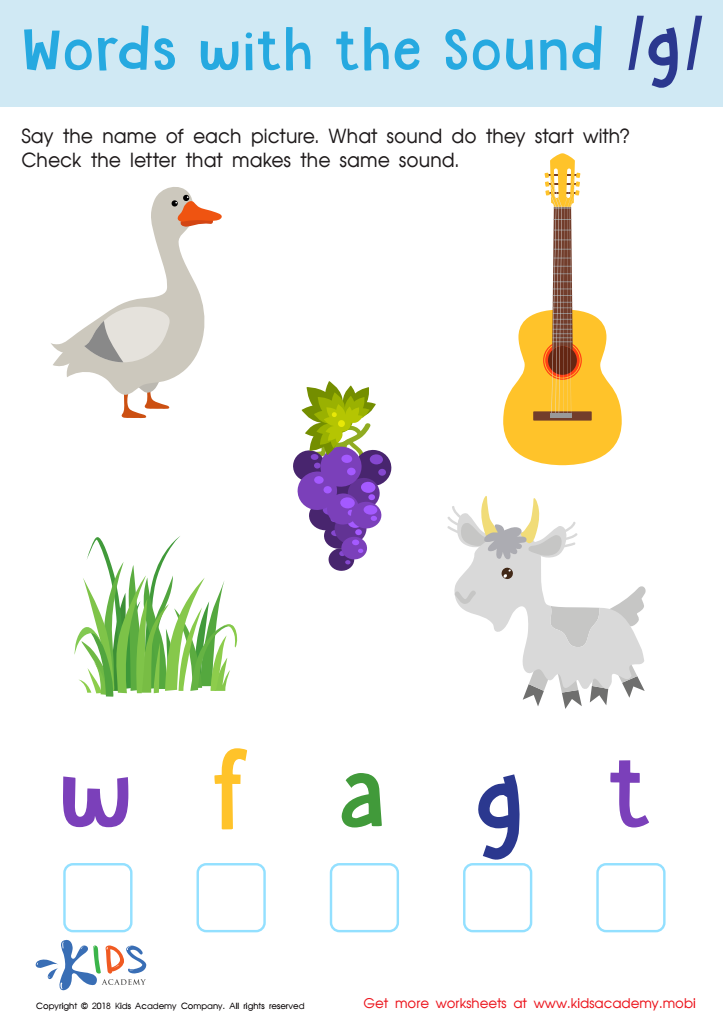
Words with sound g Reading Worksheet
 Assign to My Students
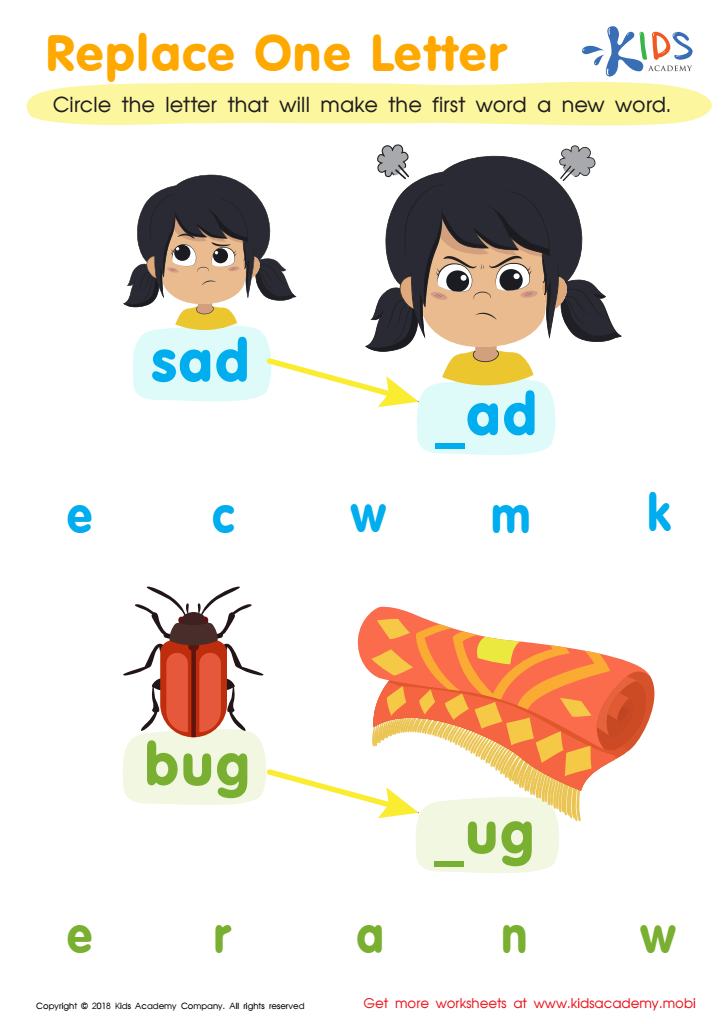
Replace One Letter Worksheet
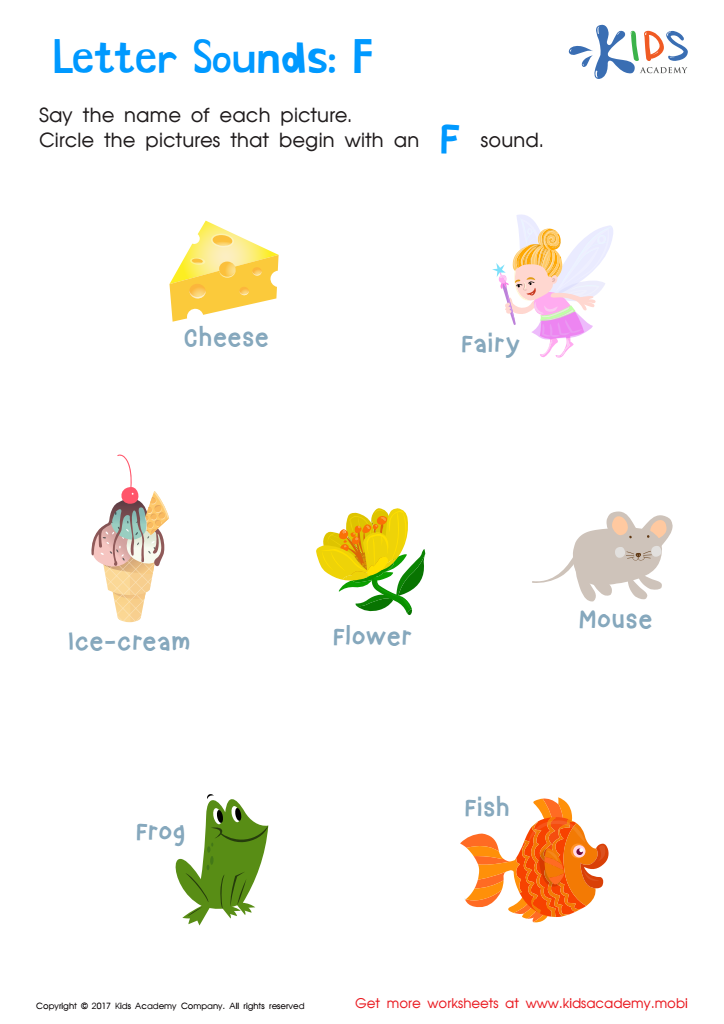
Letter F Sounds Worksheet
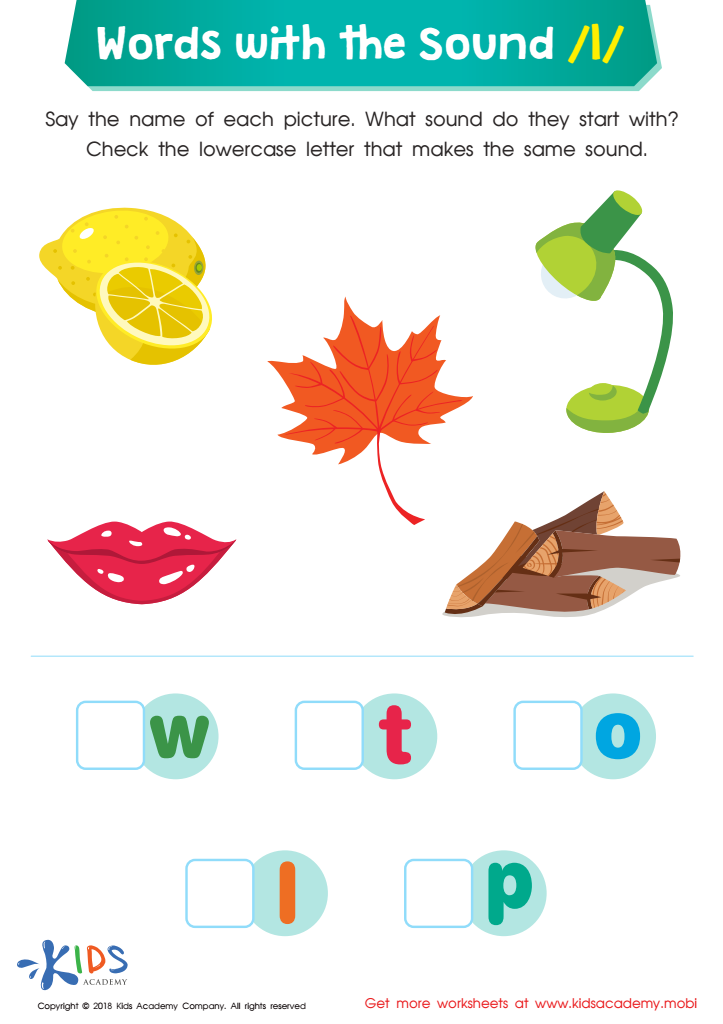
Words with Sound L Reading Worksheet
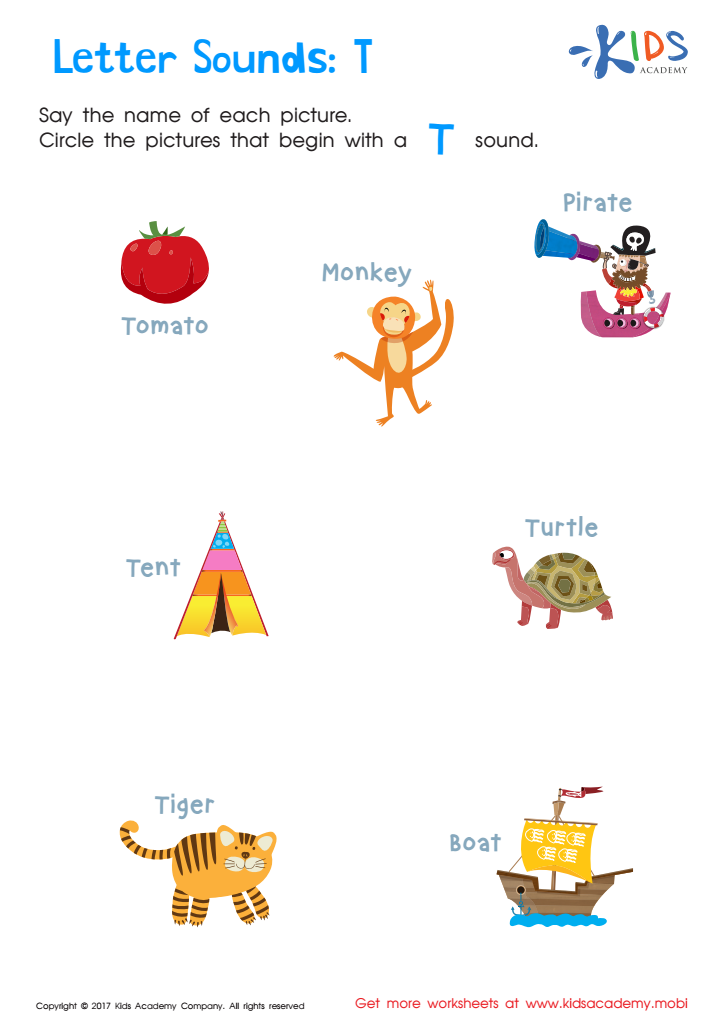
Letter T Sounds Worksheet







Phonics skills are crucial for young children, particularly those aged 3-7, as they lay the foundation for reading and writing. During these formative years, children's brains are highly receptive to learning language, making it the optimal time to introduce phonics—where letters and sounds are connected to form words. Emphasizing phonics skills helps children decode words independently, boosting their confidence and fluency in reading.
For parents and teachers, fostering these skills through engaging, age-appropriate activities can make a significant difference in a child's academic journey. Phonics instruction helps prevent reading difficulties and supports overall literacy development, which is predictive of future academic success. Beyond academics, strong reading skills enhance children's ability to absorb information, communicate effectively, and develop a lifelong love for learning.
Moreover, early phonics education promotes critical thinking, listening, and verbal skills. Parents and teachers who prioritize phonics can see improvements in children's vocabulary, comprehension, and even social skills, as literacy opens doors to richer interactions and understanding of the world. Investing time and effort in developing phonics skills at a young age sets a solid foundation, ultimately nurturing well-rounded, self-reliant, and academically prepared children.








