
Understanding sequencing Easy Worksheets for Ages 3-7
3 filtered results
Difficulty Level
Grade
Age
-
From - To
Subject
Activity
Standards
Welcome to our "Understanding Sequencing Easy Worksheets" page, designed specifically for children aged 3-7! These engaging worksheets help young learners develop essential sequencing skills through fun, interactive activities. Sequencing is crucial for improving reading comprehension, critical thinking, and problem-solving abilities. Our carefully crafted exercises encourage children to arrange events, follow step-by-step instructions, and understand the order of actions in everyday scenarios. Each worksheet is visually appealing and age-appropriate, making learning enjoyable and effective. Perfect for home or classroom use, these resources will help nurture your child's cognitive development while fostering a love for learning. Explore our worksheets and spark creativity today!
Favorites
With answer key
Interactive
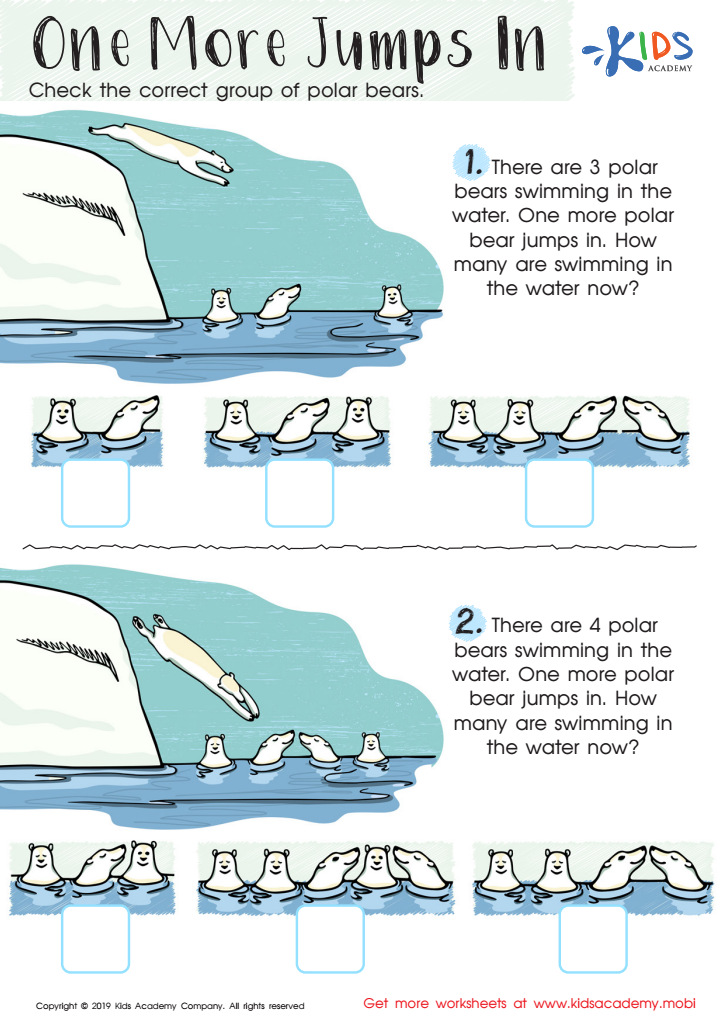
One More Jumps In Worksheet
Polar bears live in the Arctic which is always cold and snowy. Show your kids pictures of polar bears swimming in the water. Read the text and help them count correctly to answer the questions in the first and second sections.
 Assign to My Students
One More Jumps In Worksheet
Worksheet
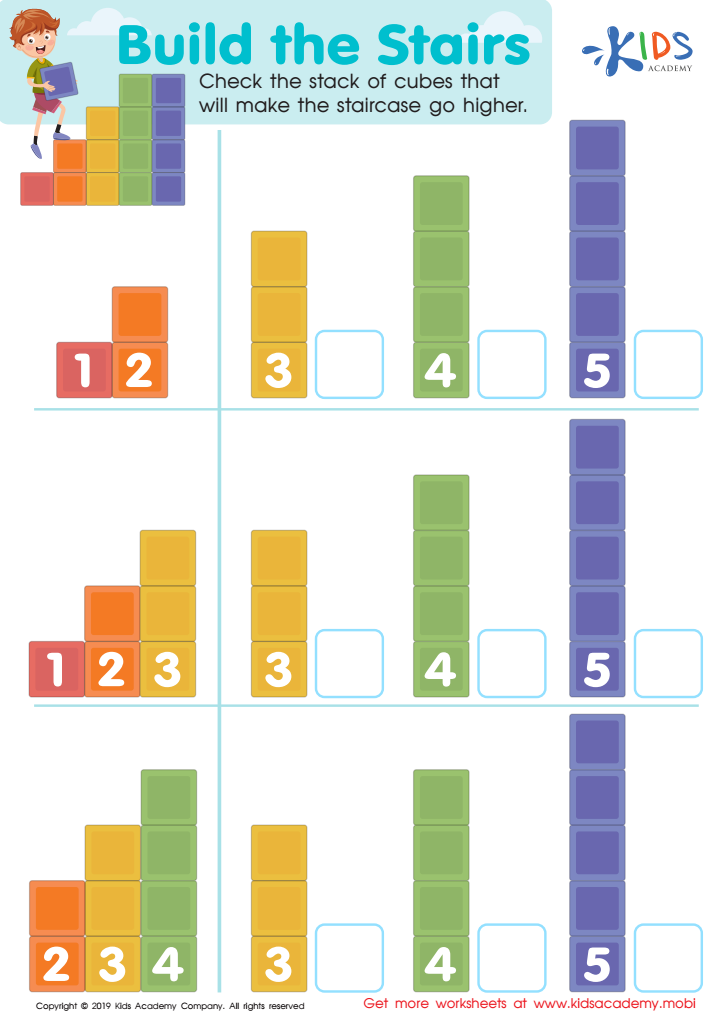
Build the Stairs Worksheet
Does your kid need help counting numbers? Make it fun with a staircase math worksheet! This printable PDF uses stairs to help your preschooler practice counting. Let them build the staircase by picking the next highest number as they go up! It's an interactive way to teach counting and sure to please your little one.
Build the Stairs Worksheet
Worksheet
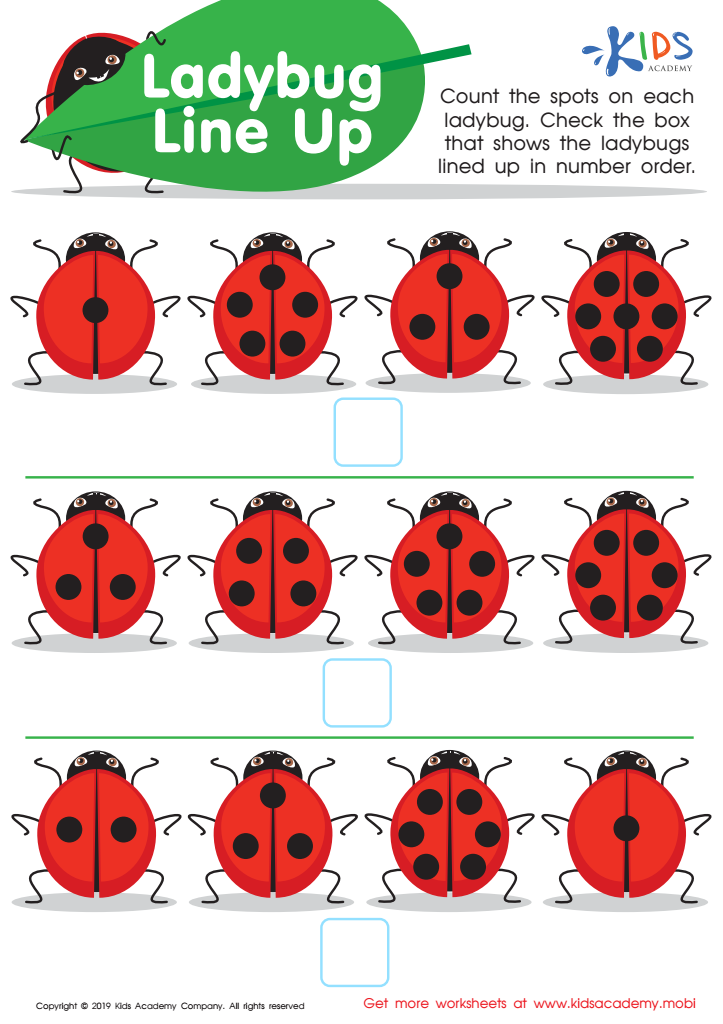
Ladybug Line Up Worksheet
Count the spots on the back of each ladybug in the three groups. Help kids check the box under each group that shows the ladybugs in proper number order. Ladybugs are an adorable insect with unique spots. This worksheet encourages counting and ordering.
Ladybug Line Up Worksheet
Worksheet
Join Kids Academy for Free
Who is primarily going to use this learning content?




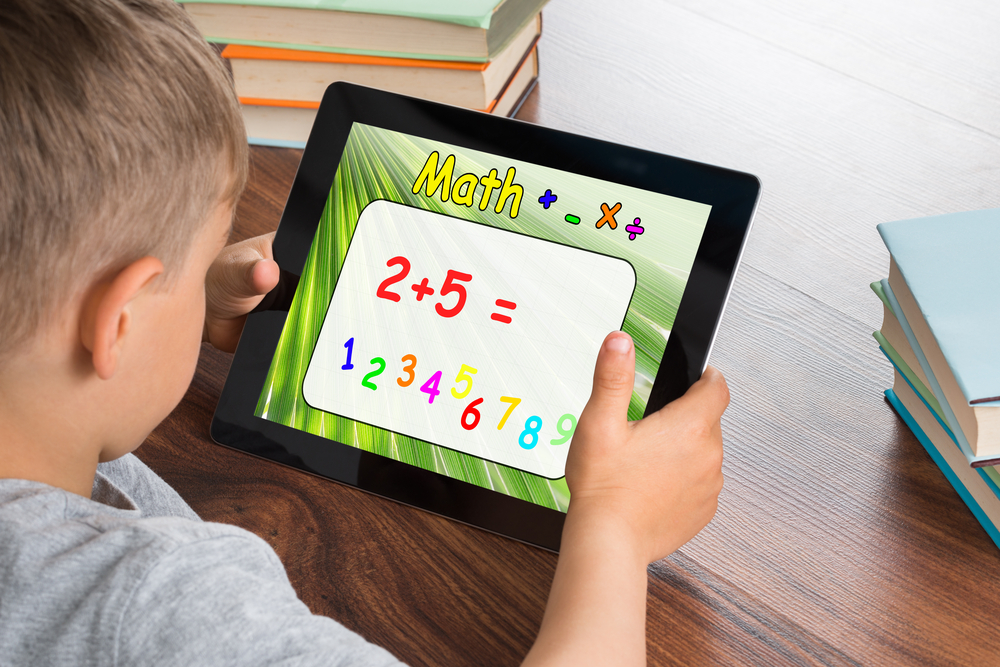



Understanding sequencing is crucial for children aged 3-7, as it lays the foundation for essential cognitive skills. For parents and teachers, recognizing the importance of sequencing can significantly enhance a child's learning and developmental journey. Sequencing involves arranging events or actions in the order they occur, which is essential for problem-solving, reading comprehension, and even mathematics.
At this age, children are naturally curious and eager to learn. They begin to understand concepts like the order of their daily routines, storytelling, and cause-and-effect relationships. By teaching sequencing, adults can help children develop critical thinking skills that will serve them throughout their education and life.
For instance, in storytelling, children learn to identify the beginning, middle, and end, enhancing their comprehension and ability to narrate effectively. In mathematics, understanding the order of operations aids in solving problems logically.
Moreover, sequencing helps improve memory as children learn to recall information in the correct order. It fosters language development, as they describe actions or events sequentially. Overall, fostering sequencing skills in young children not only enriches their academic experiences but also supports emotional and social development, making it a vital focus for parents and teachers alike.








