Fine Motor Skills Easy Math Worksheets for Ages 3-7 - Page 2
43 filtered results
-
From - To
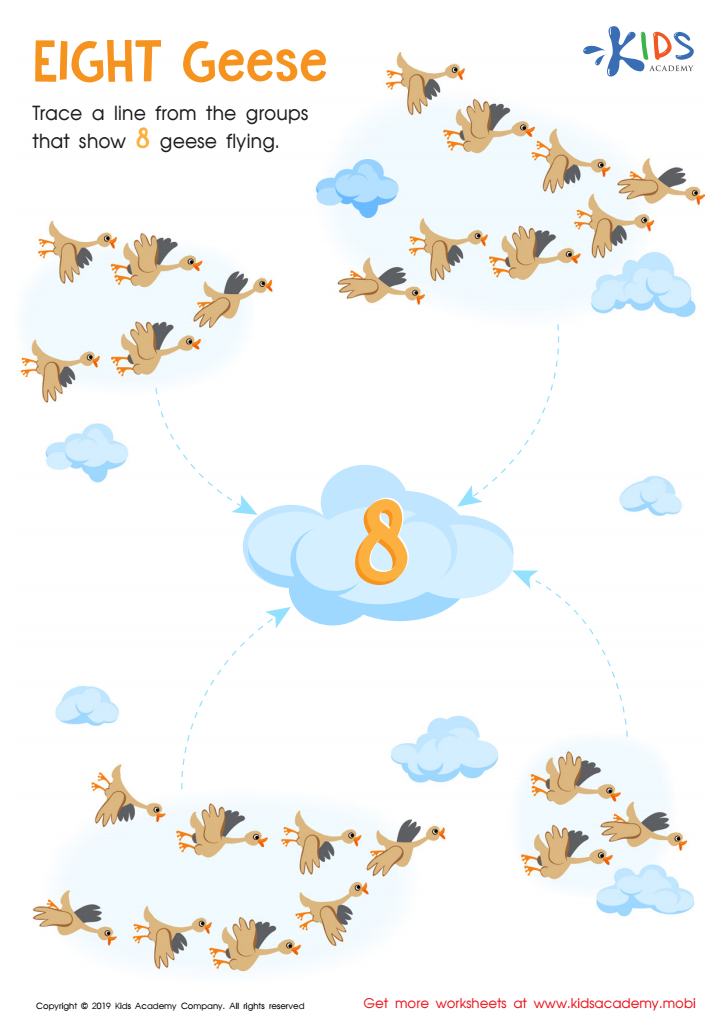
Eight Geese Worksheet
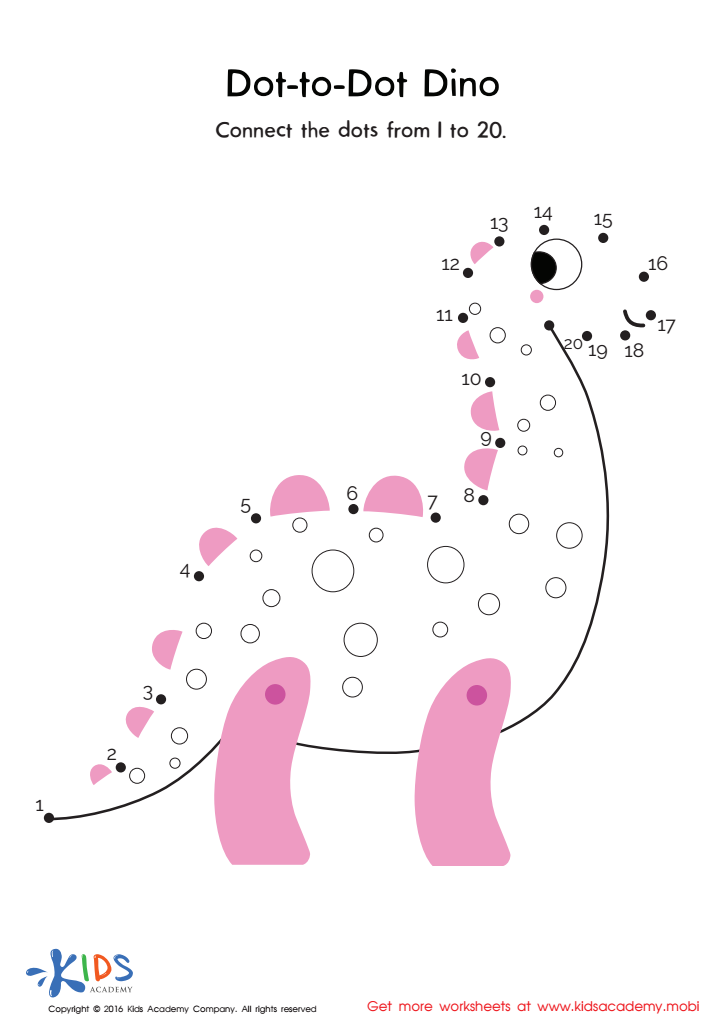
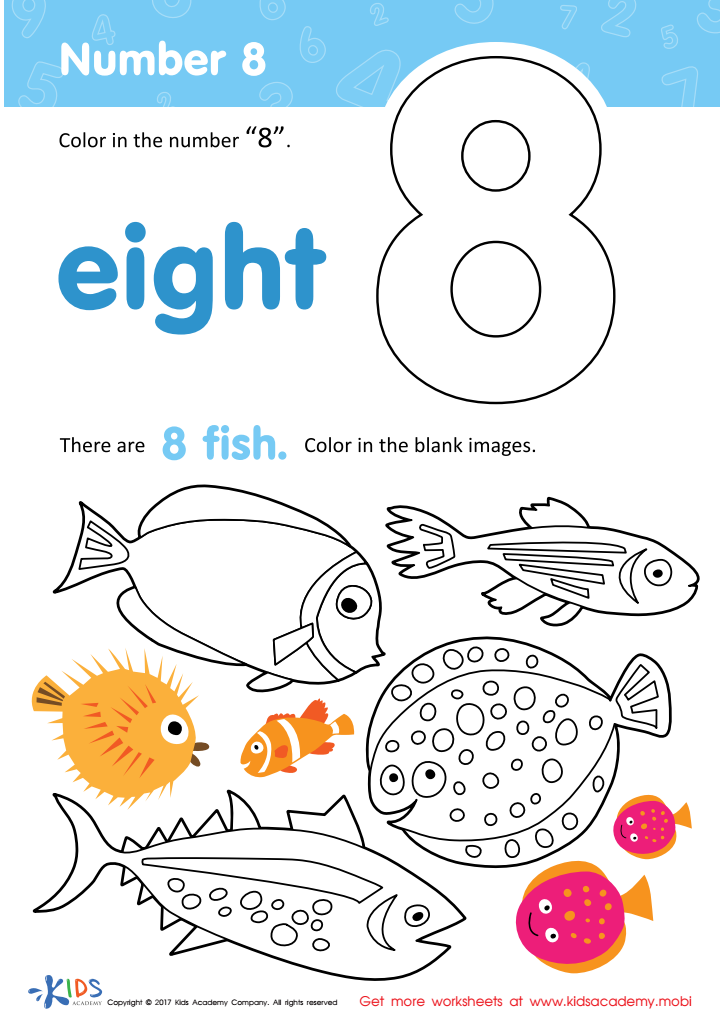
Number 8 Printable
 Assign to My Students
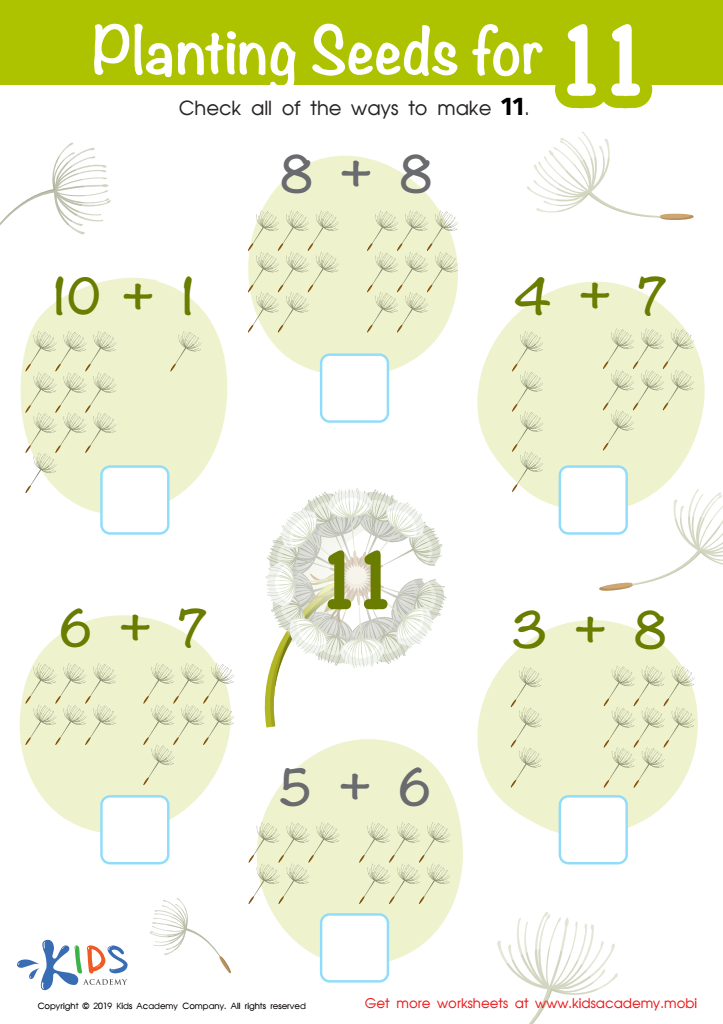
Planting Seeds for 11 Worksheet
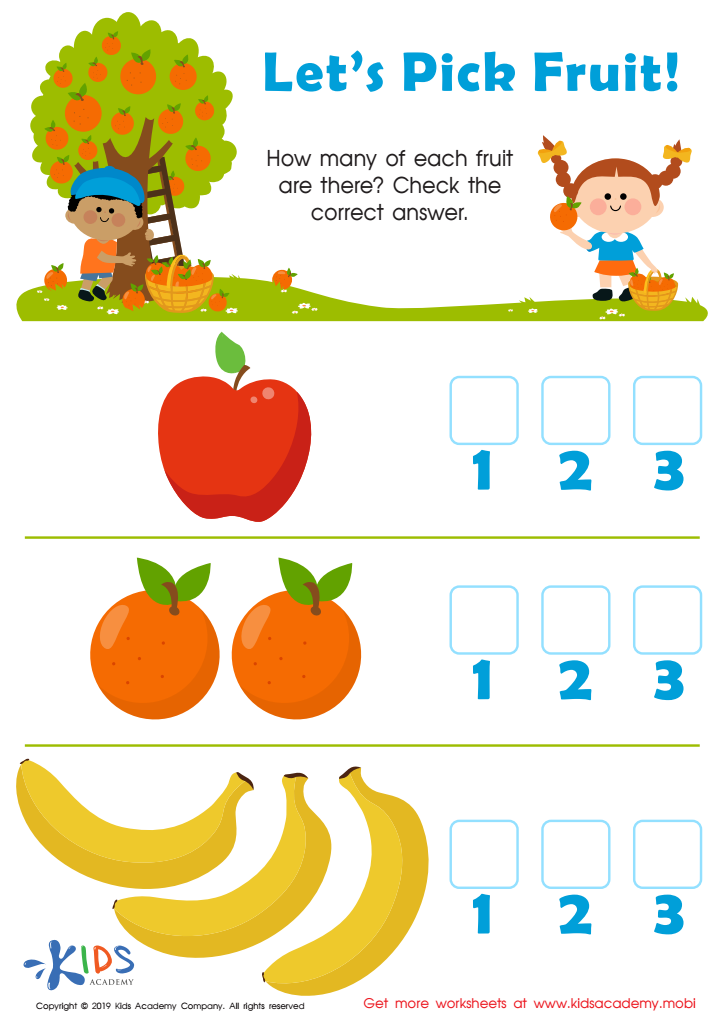
Let's Pick Fruit Worksheet
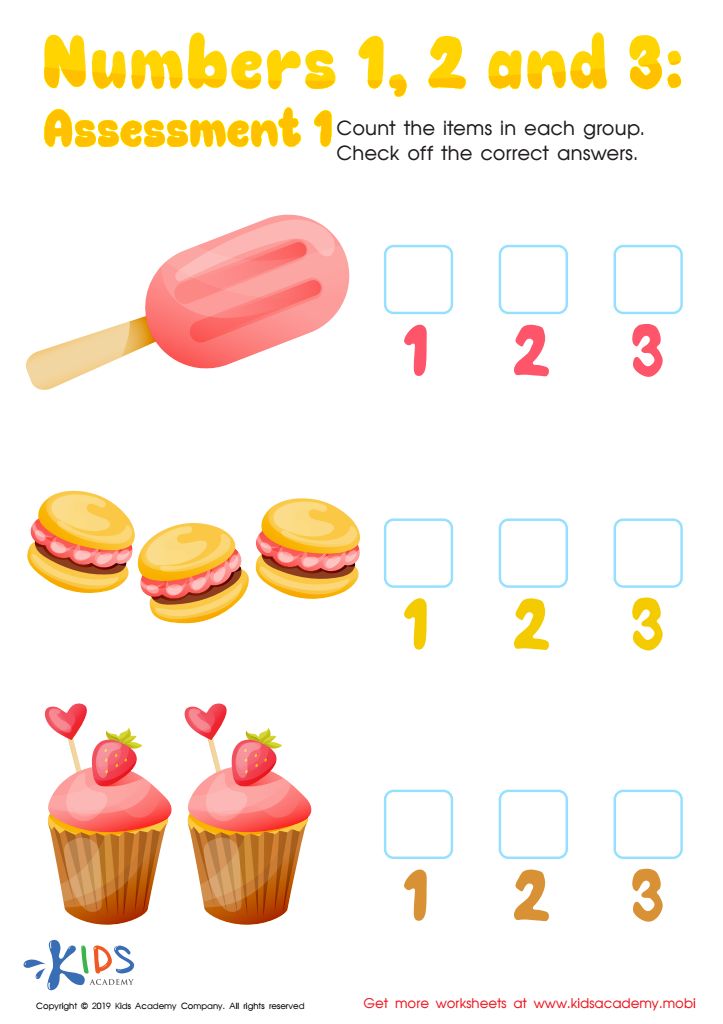
Numbers 1, 2 and 3: Assessment 1 Worksheet
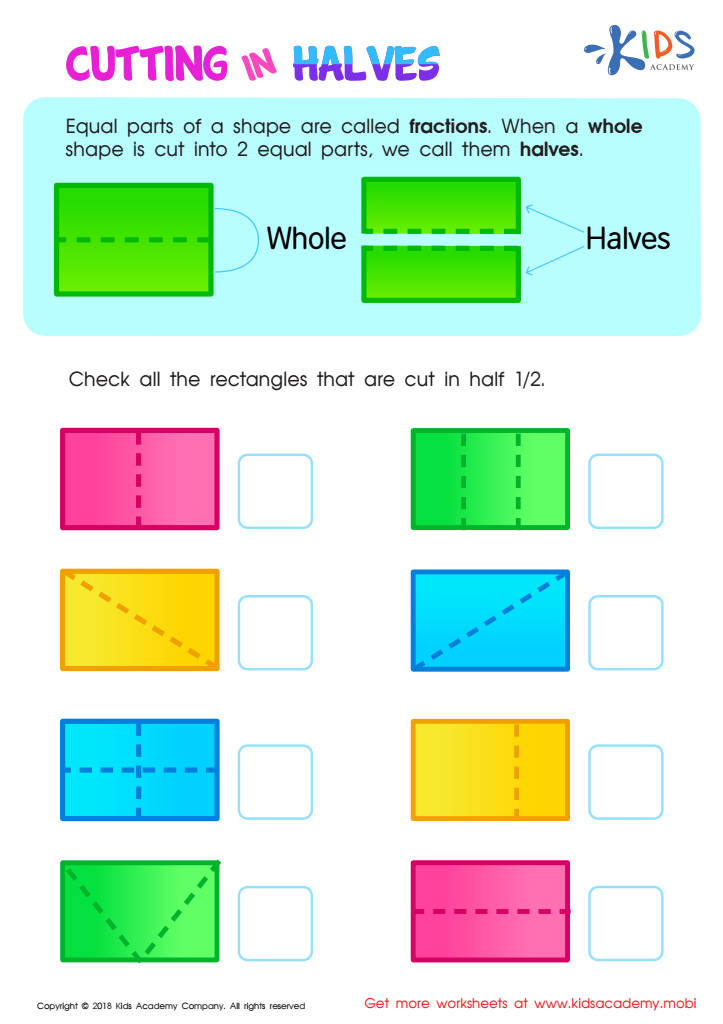
Cutting in Halves Worksheet
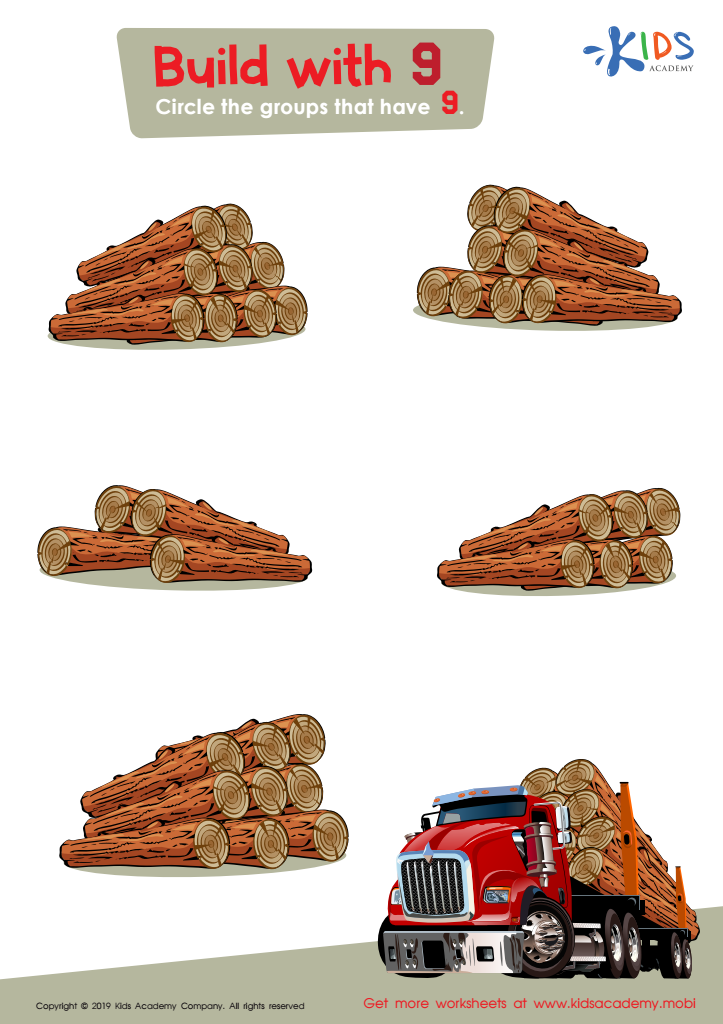
Build with 9 Worksheet
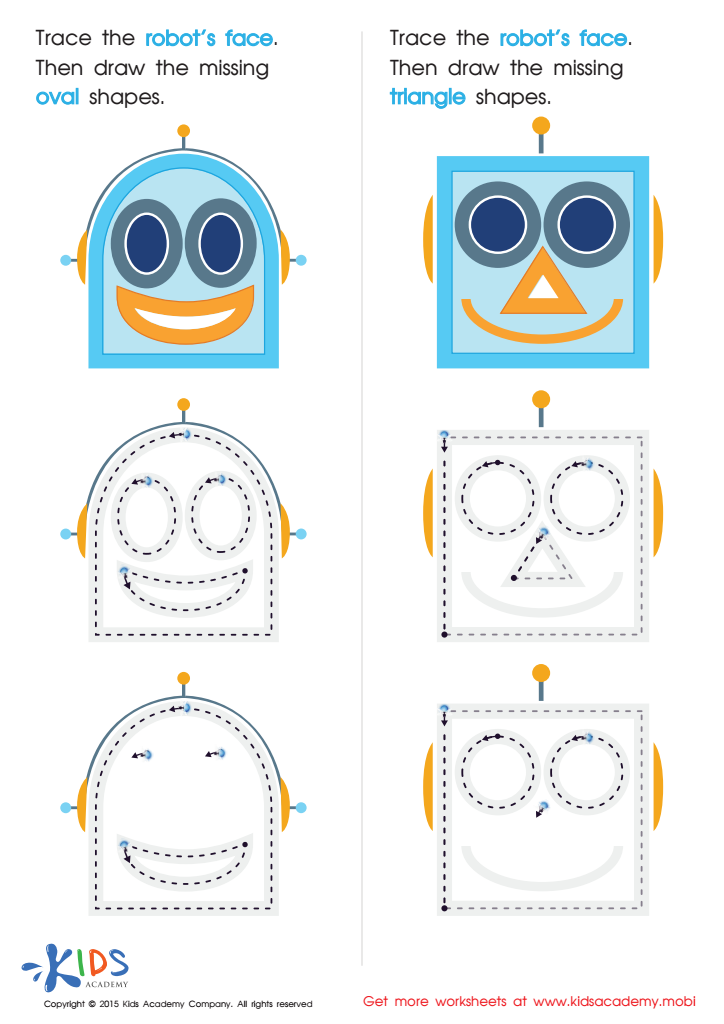
Drawing Ovals And Triangles with Fun Printable
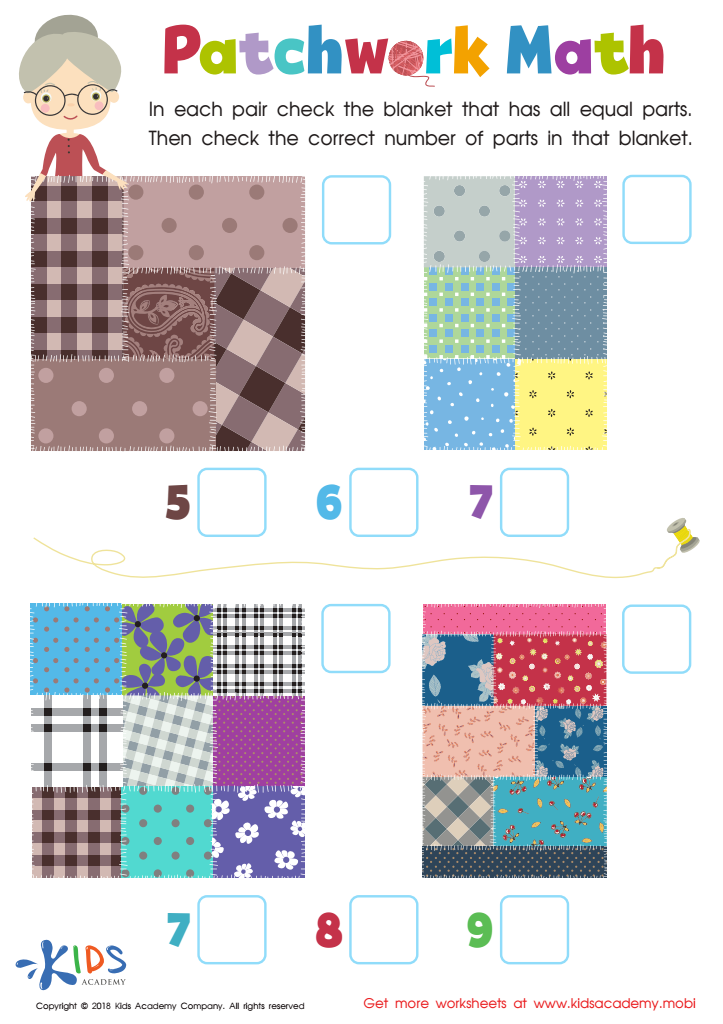
Patchwork Math Worksheet
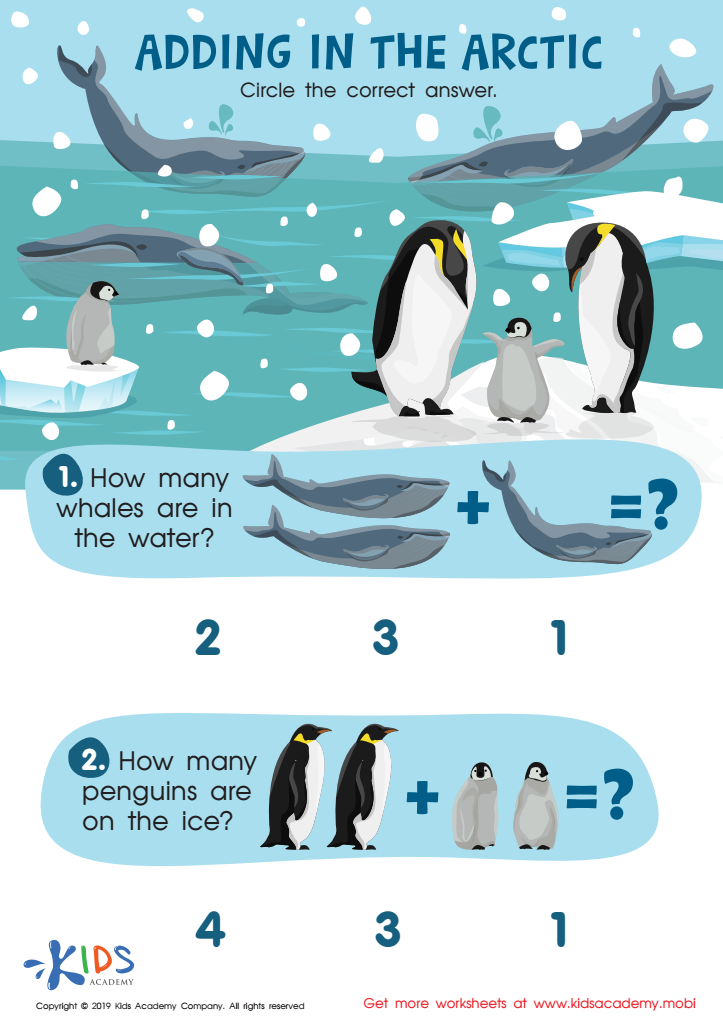
Adding in the Arctic Worksheet
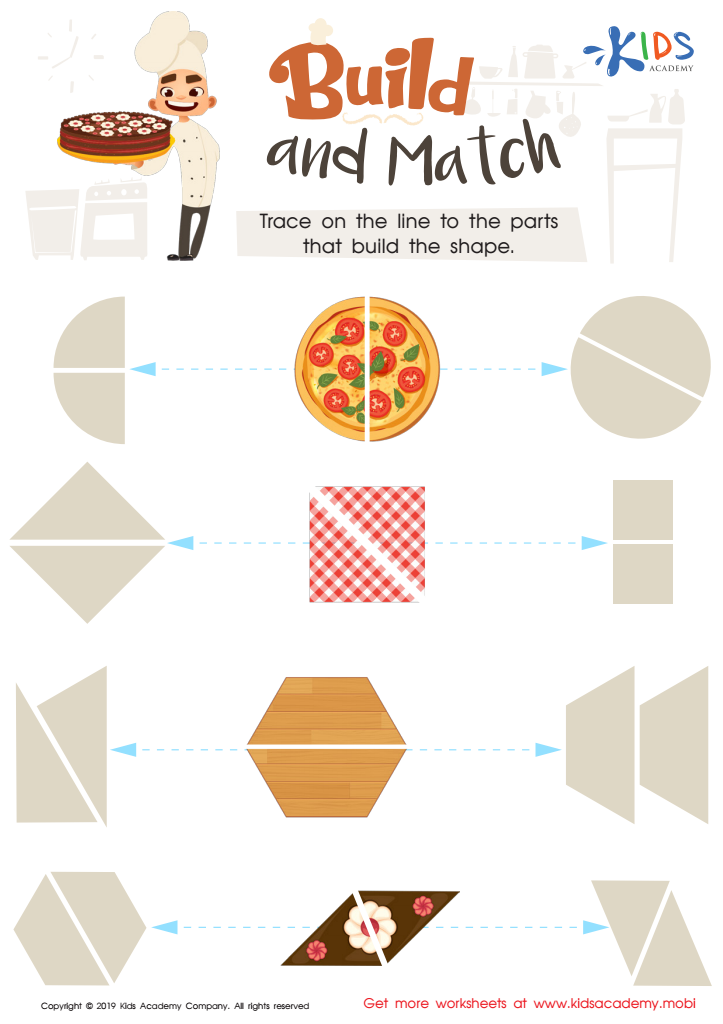
Build and Match Worksheet
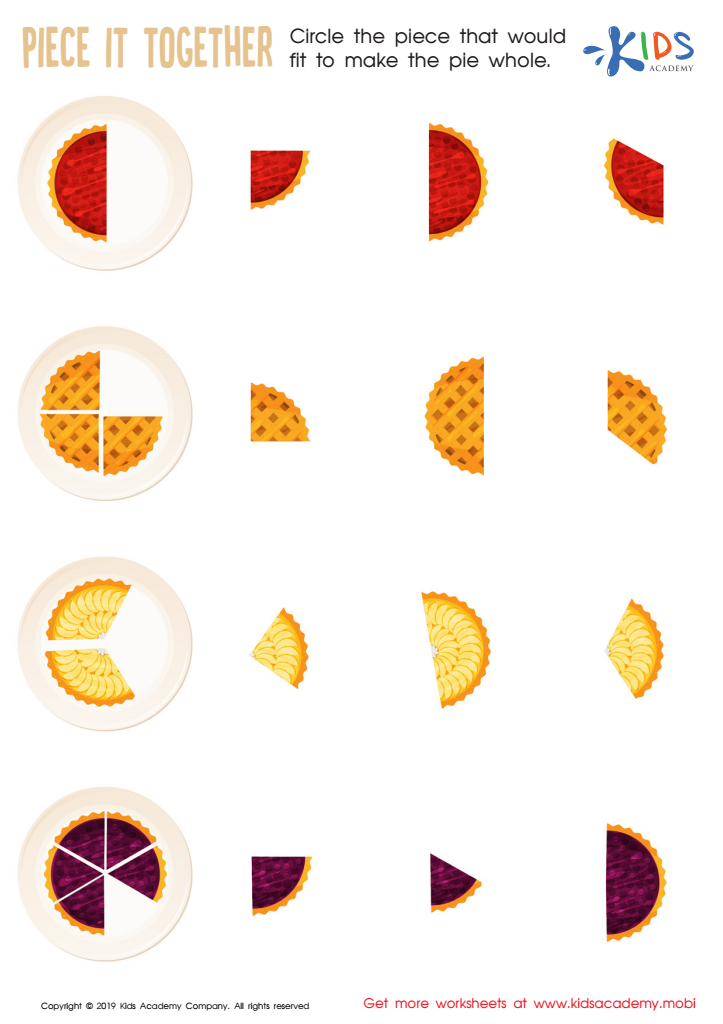
Piece it together Worksheet
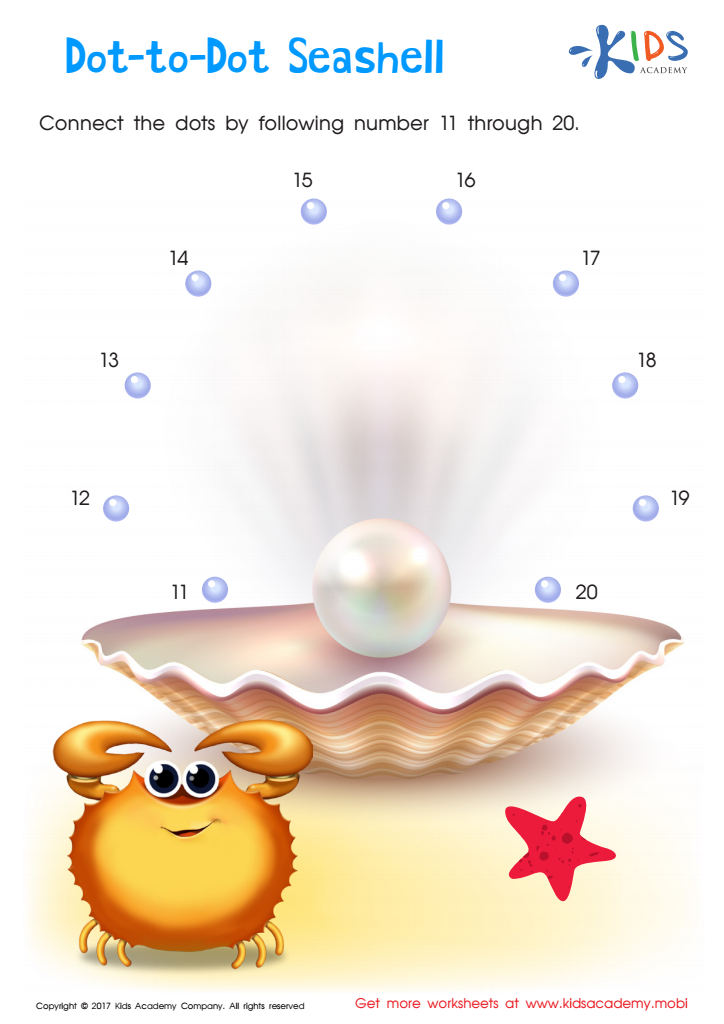
Ordering 11–20: Dot–to–dot Seashell Printable
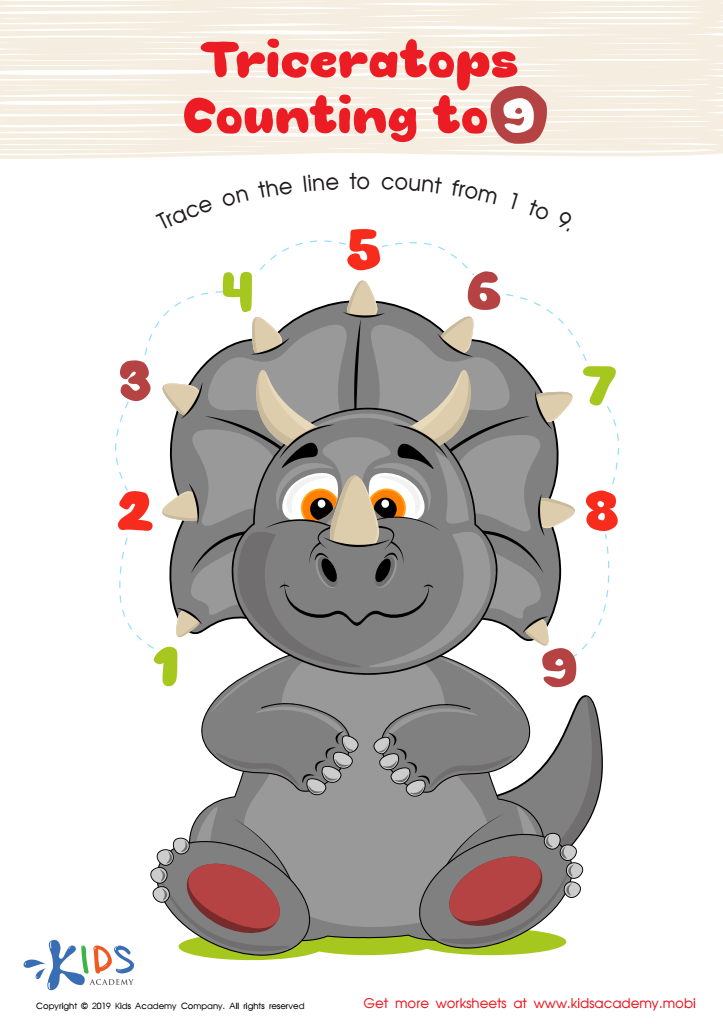
Triceratops Counting to 9 Worksheet
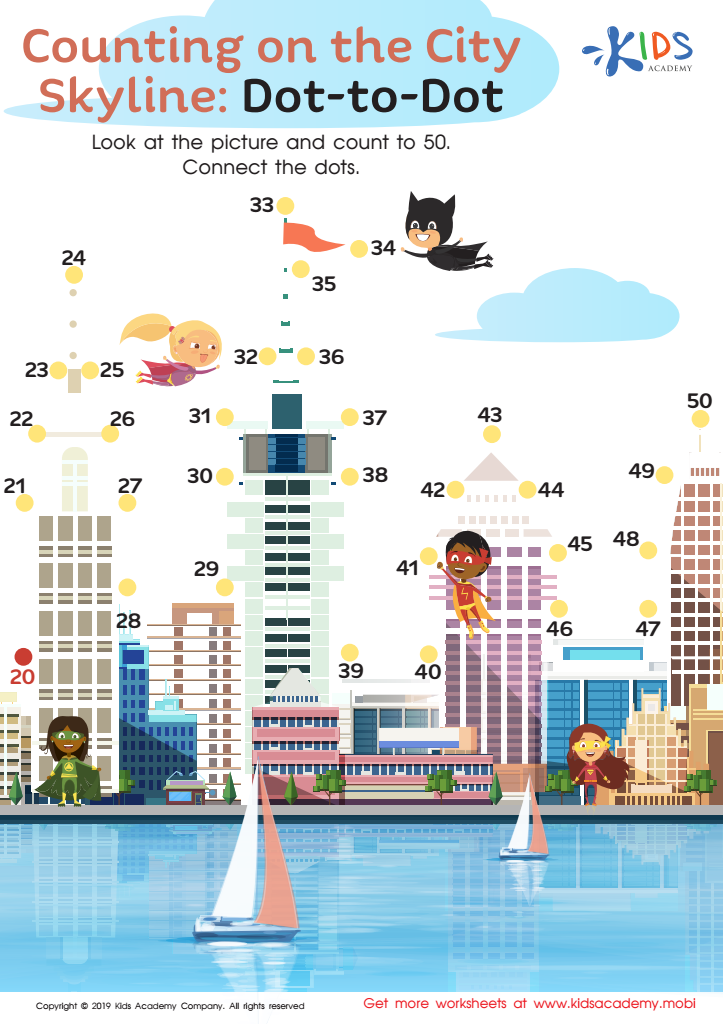
Counting on the City Skyline: Dot-to-Dot Worksheet
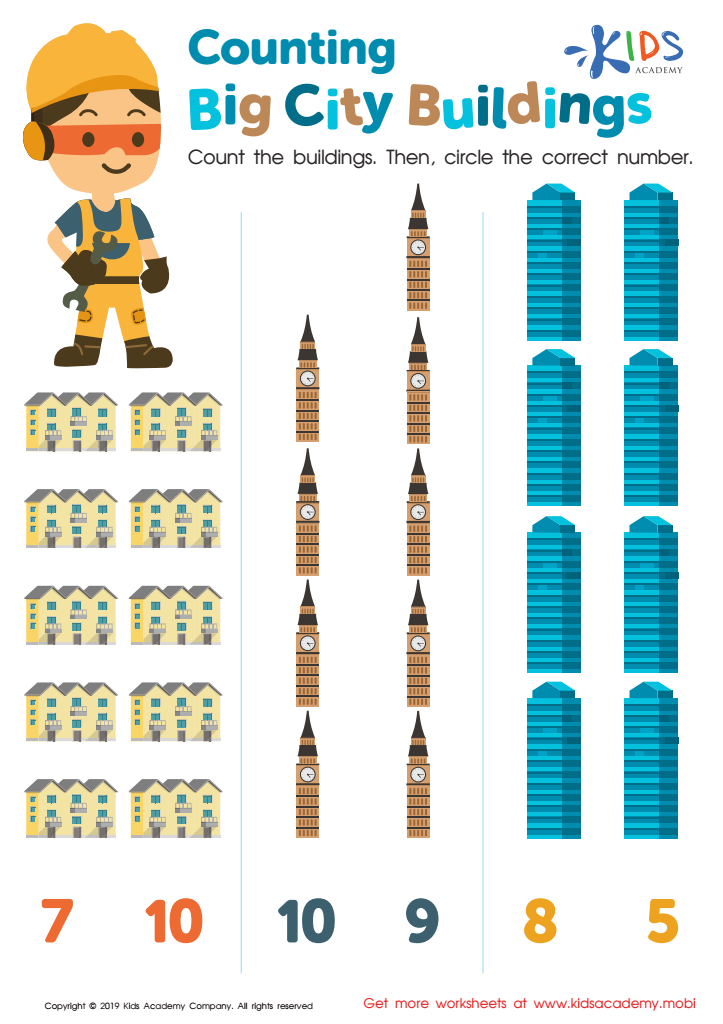
Counting Big City Buildings Worksheet
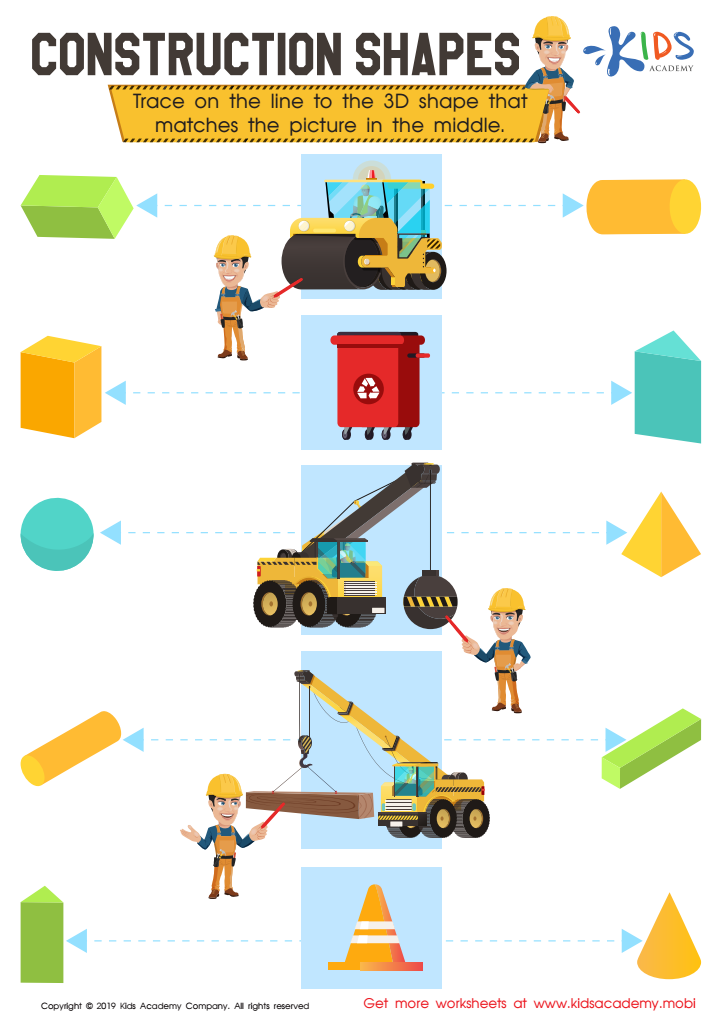
Construction Shapes Worksheet

Night Sky Numbers Worksheet








Fine motor skills are essential for young children as they serve as the foundation for a variety of everyday tasks, including writing, drawing, and handling objects. For children ages 3-7, engaging in activities that develop these skills enhances their dexterity and control. Additionally, fine motor skills relate closely to early math concepts.
Teachers and parents should care about Fine Motor Skills Easy Math because they teach children to apply coordination and precision in quantitative tasks. For example, manipulating small objects aids in practicing counting, sorting, and arranging, reinforcing mathematical concepts in a fun and engaging way. Activities like threading beads, using scissors, or building with blocks not only improve hand-eye coordination but also promote problem-solving and critical thinking.
Moreover, nurturing these skills plays a significant role in fostering children's confidence and independence. As they master fine motor tasks, they become better prepared for more complex academic tasks in later grades. Ultimately, combined fine motor and math activities encourage a holistic approach to early learning, merging physical skills with cognitive development, ensuring children engage enthusiastically in their own learning journeys. By focusing on Fine Motor Skills Easy Math, educators and parents support a well-rounded foundation for future academic success and everyday functionality.








