Vocabulary expansion Easy Reading Fiction Worksheets for Ages 3-7
5 filtered results
-
From - To
Explore our engaging Vocabulary Expansion Easy Reading Fiction Worksheets, specially designed for children ages 3-7! These worksheets offer a delightful blend of fun and learning, helping young readers enhance their vocabulary in a captivating way. Filled with colorful illustrations and creative activities, children will encounter interesting words through entertaining stories. Our resources support early literacy development, making reading enjoyable and interactive. Count on these worksheets to stimulate imagination while laying a strong foundation for language skills. Encourage your little one to discover the joy of reading and let their vocabulary soar with our thoughtfully crafted activities. Perfect for home or classroom use!
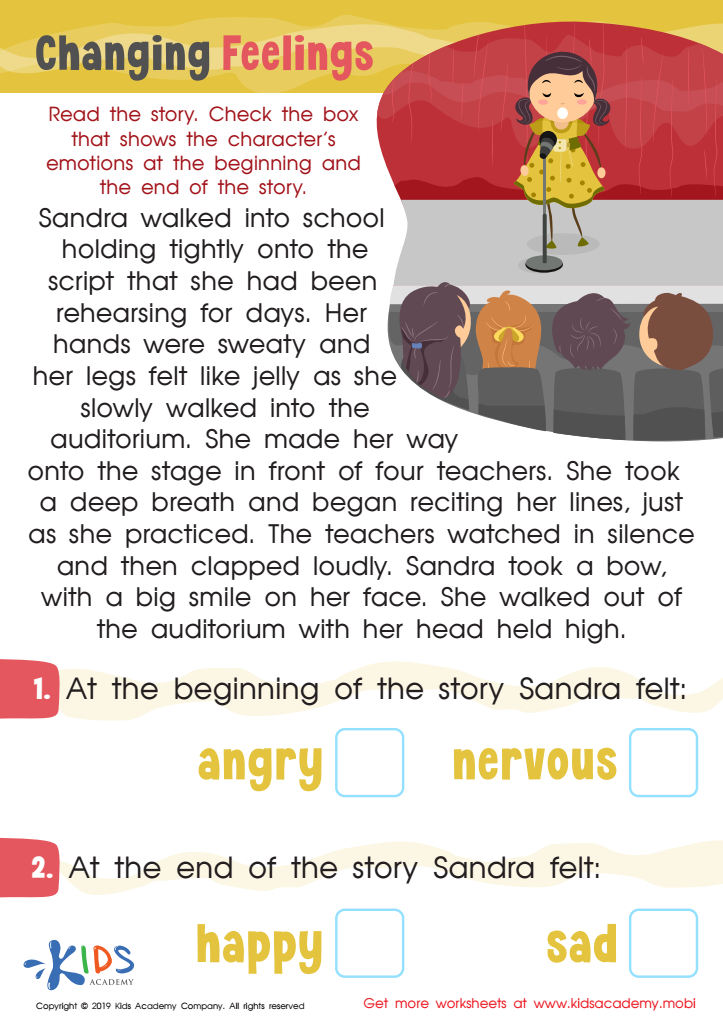
Changing Feelings Worksheet
 Assign to My Students
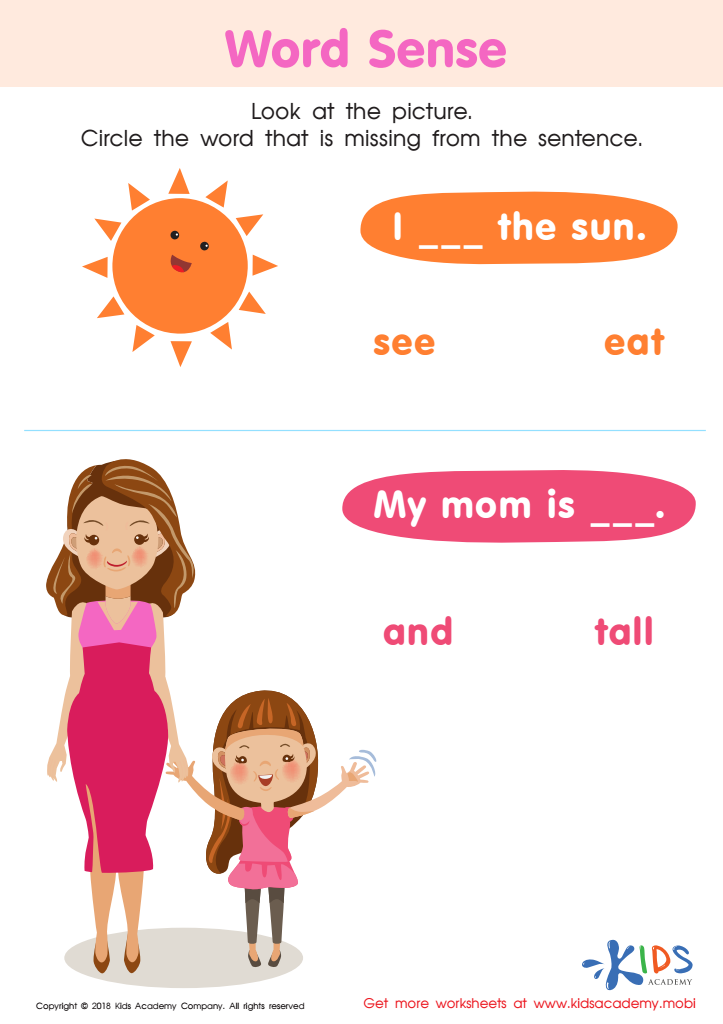
Word Sense Worksheet
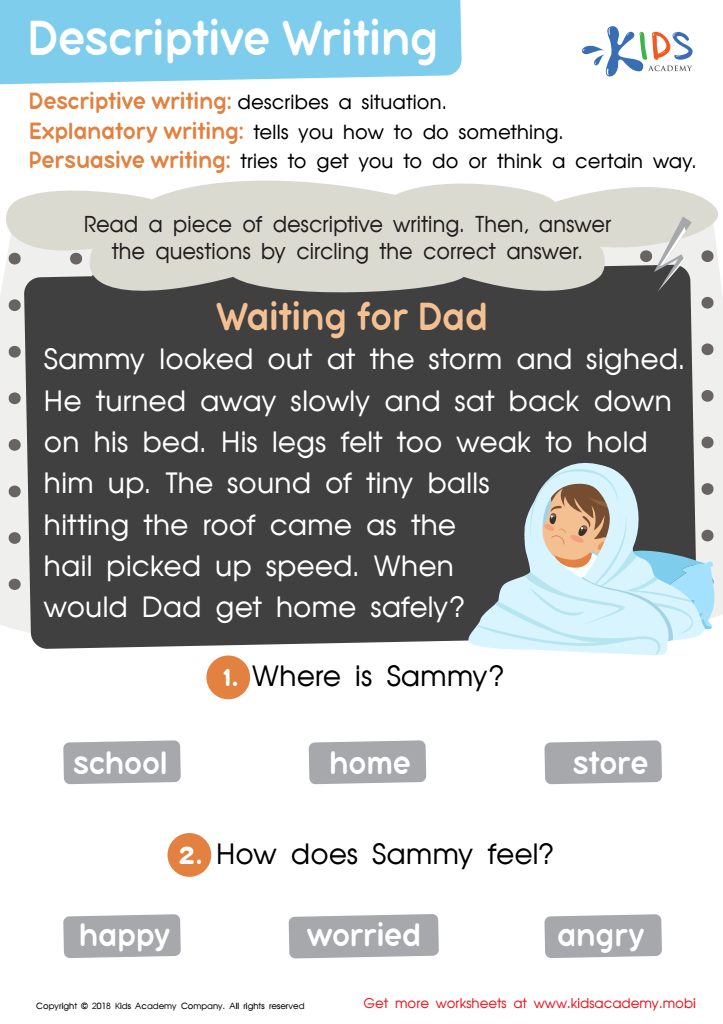
Descriptive Writing Worksheet: Part 2
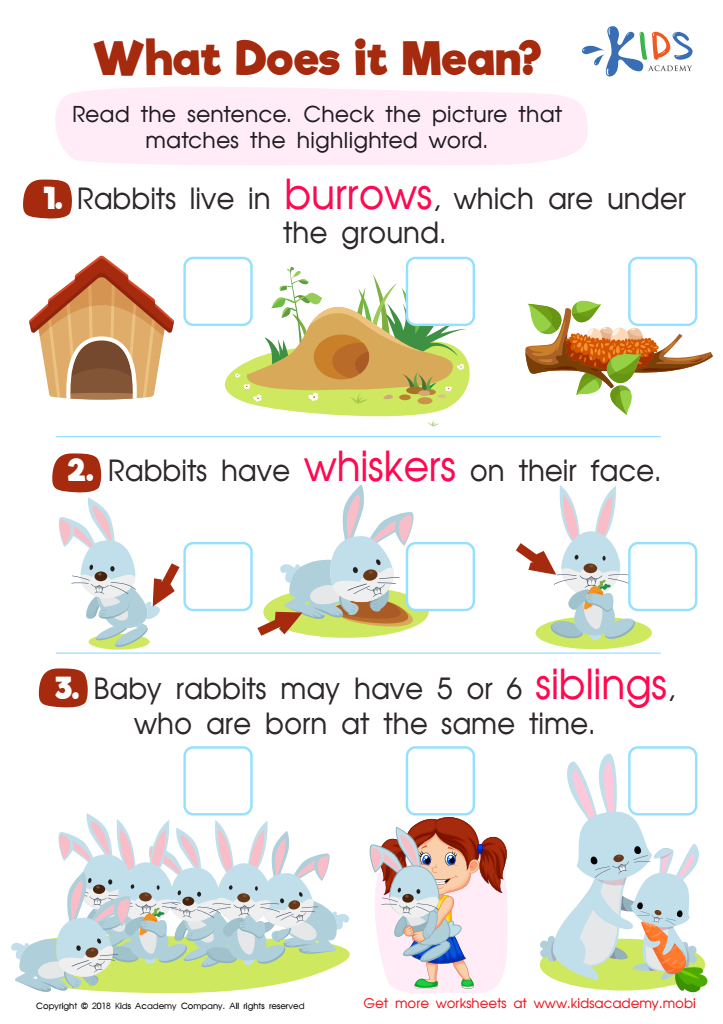
What Does It Mean? Worksheet
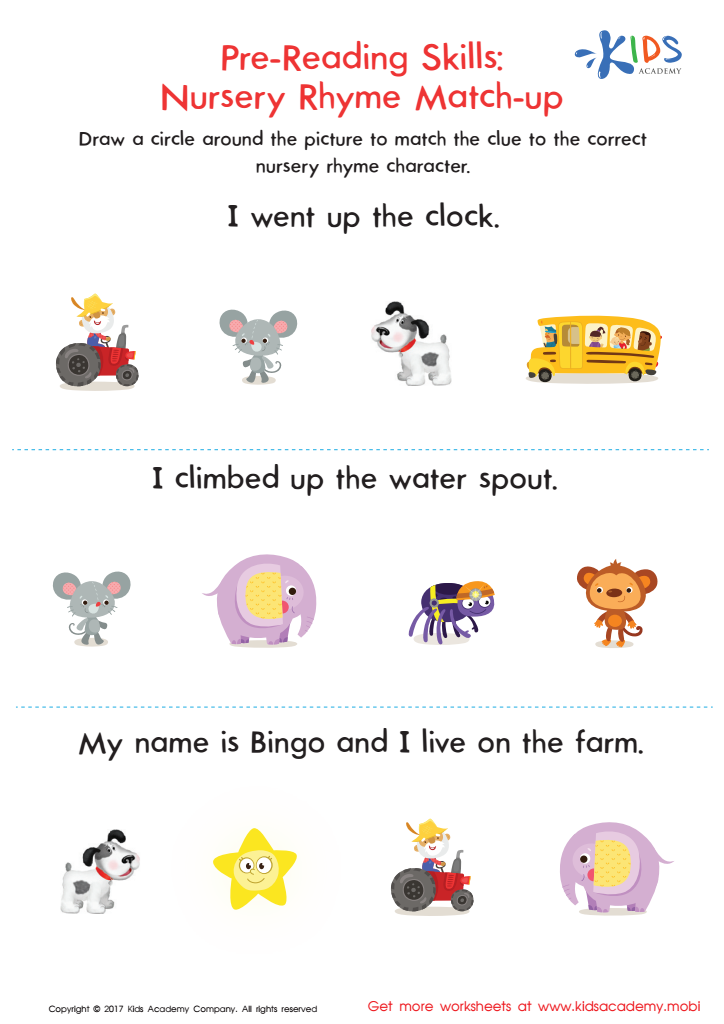
Nursery Rhyme Match–Up Worksheet







.jpg)
Vocabulary expansion through easy reading fiction is crucial for children aged 3-7, as this foundational stage lays the groundwork for lifelong literacy and communication skills. First, reading age-appropriate fiction exposes young learners to new words in context, helping them grasp meanings through enjoyment rather than rote memorization. This interactive engagement sparks curiosity and cultivates a love for reading, which is essential for academic success.
Furthermore, early vocabulary development supports cognitive skills, such as critical thinking and comprehension, as children learn to connect ideas and themes within stories. This also enhances their verbal skills, empowering them to express thoughts and feelings more effectively.
For parents and teachers, promoting an enriched vocabulary through storytelling fosters positive relationships, as shared reading times create bonding opportunities. Engaging narratives stimulate discussions about emotions and moral lessons, cultivating social-emotional skills.
Lastly, an expanded vocabulary is linked to improved performance in school. As children become confident readers and communicators, they build the necessary tools for collaboration and productivity in their educational journey. It’s vital for adults to prioritize easy reading fiction to nurture these essential skills and support holistic childhood development. Investing time in reading together sets a solid foundation for future learning and success.