Easy Beginning Sounds Worksheets for Ages 3-8
4 filtered results
-
From - To
Welcome to our collection of Easy Beginning Sounds Worksheets for Ages 3-8! Designed to support early literacy skills, these engaging worksheets are perfect for helping young learners identify and practice the initial sounds of letters. Aimed at children from preschool to second grade, our printable resources include vibrant illustrations and fun activities to keep kids motivated. These worksheets are ideal for teachers and parents looking to enhance phonemic awareness and support reading development. With a variety of exercises available, your child will strengthen their foundational skills in a fun and interactive way. Explore our worksheets today and watch your child's confidence soar!
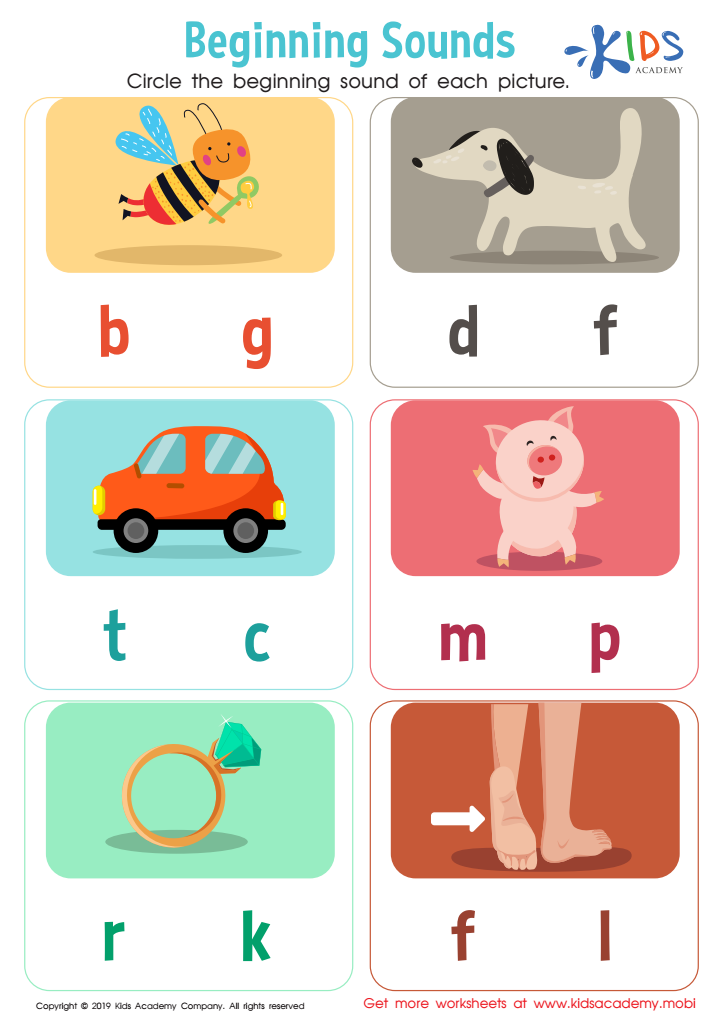
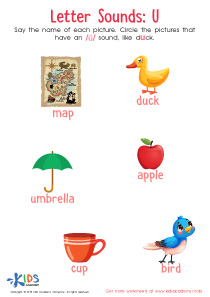
Beginning Sounds Worksheet
 Assign to My Students
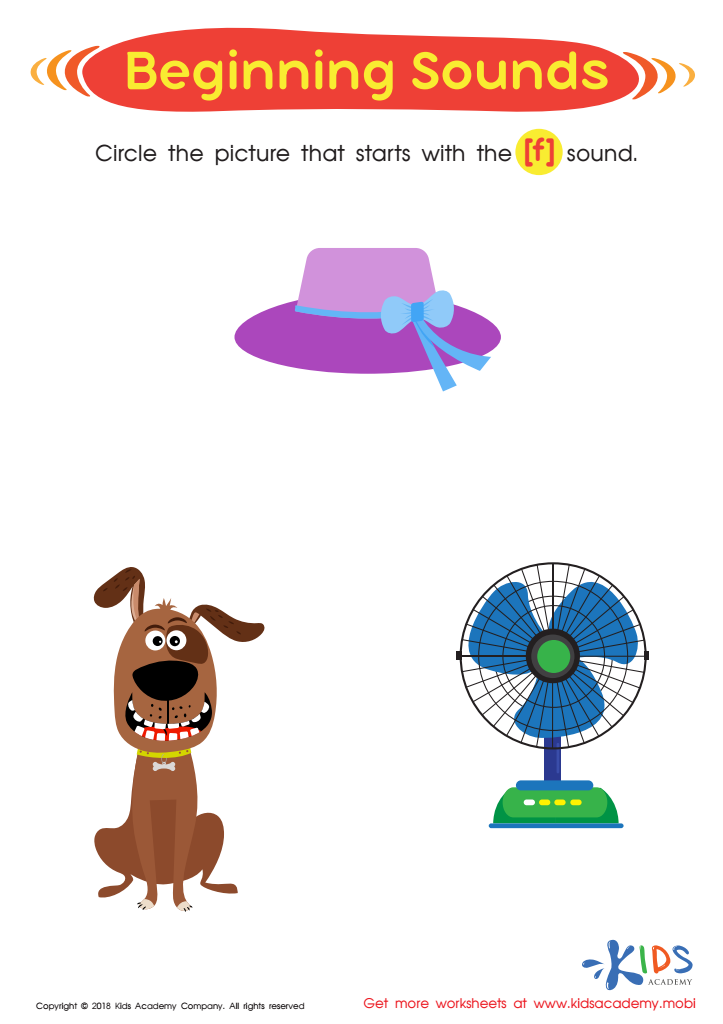
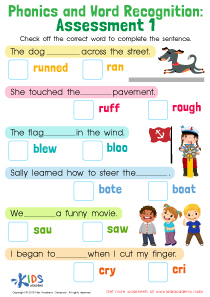
Beginning Sounds Assessment Printable
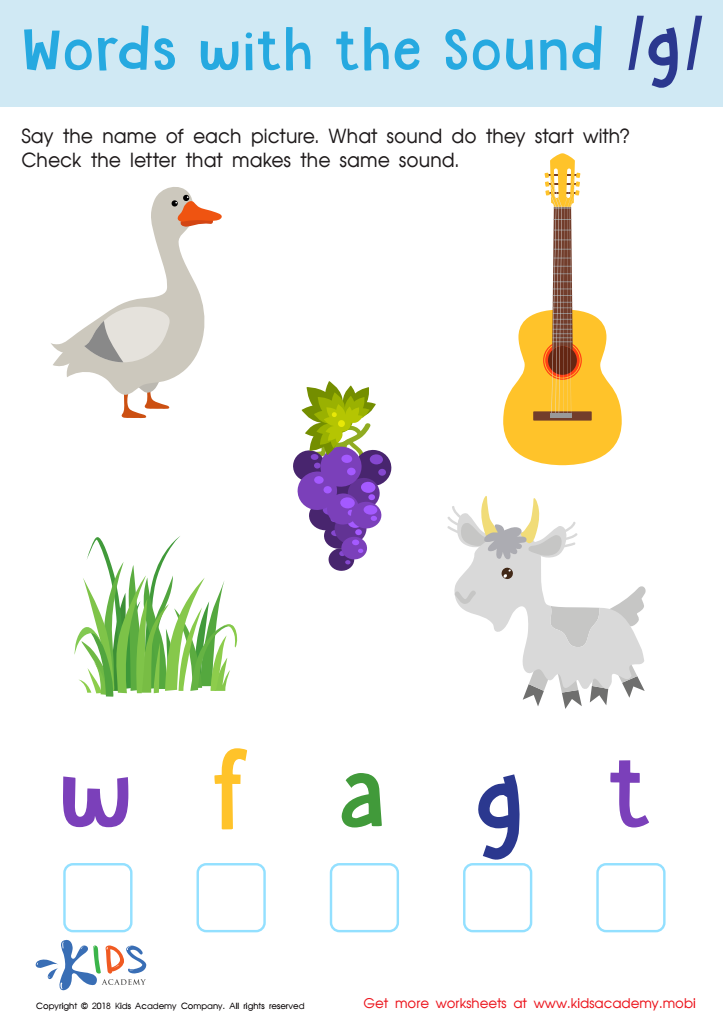
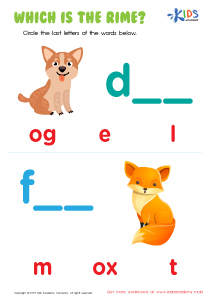
Words with sound g Reading Worksheet
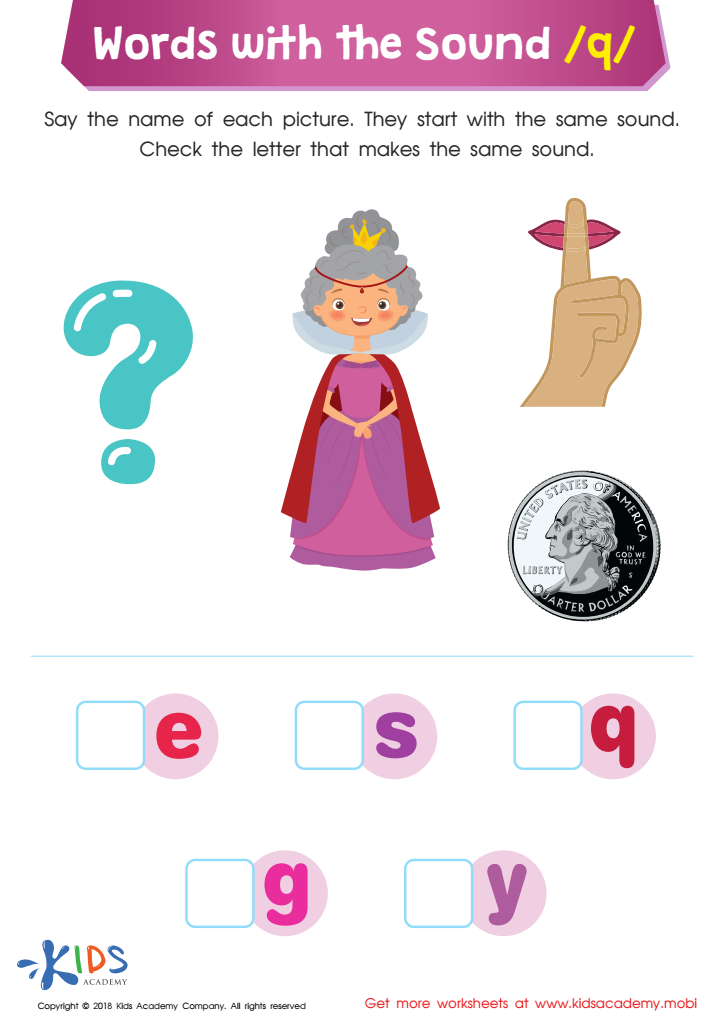
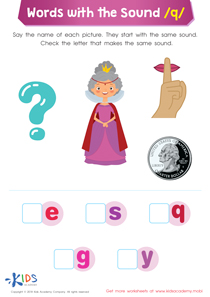
Words with Sound Q Reading Worksheet








Easy Beginning Sounds are a foundational aspect of early literacy development for children aged 3-8, and it’s crucial for parents and teachers to prioritize this learning. Understanding and recognizing beginning sounds helps young learners develop phonemic awareness, which is essential for reading and writing skills. When children can identify sounds at the beginning of words, they become more adept at decoding words as they learn to read, facilitating their overall literacy journey.
Moreover, Easy Beginning Sounds foster listening skills and auditory discrimination, vital components of effective communication. Engaging children in activities that emphasize these sounds cultivates their ability to distinguish between different phonemes, enhancing their verbal literacy.
In addition, these early literacy skills contribute to greater academic success as children progress through school. Research indicates that children with a strong foundation in phonemic awareness are more likely to excel in reading comprehension and writing.
Incorporating fun and interactive methods such as rhymes, songs, and play-based activities can make learning beginning sounds enjoyable. Ultimately, by emphasizing Easy Beginning Sounds, parents and teachers equip children with essential tools for literacy, setting a solid foundation for their future educational experiences and overall cognitive development.