Hand-eye Coordination Easy Worksheets for Ages 3-8 - Page 2
29 filtered results
-
From - To
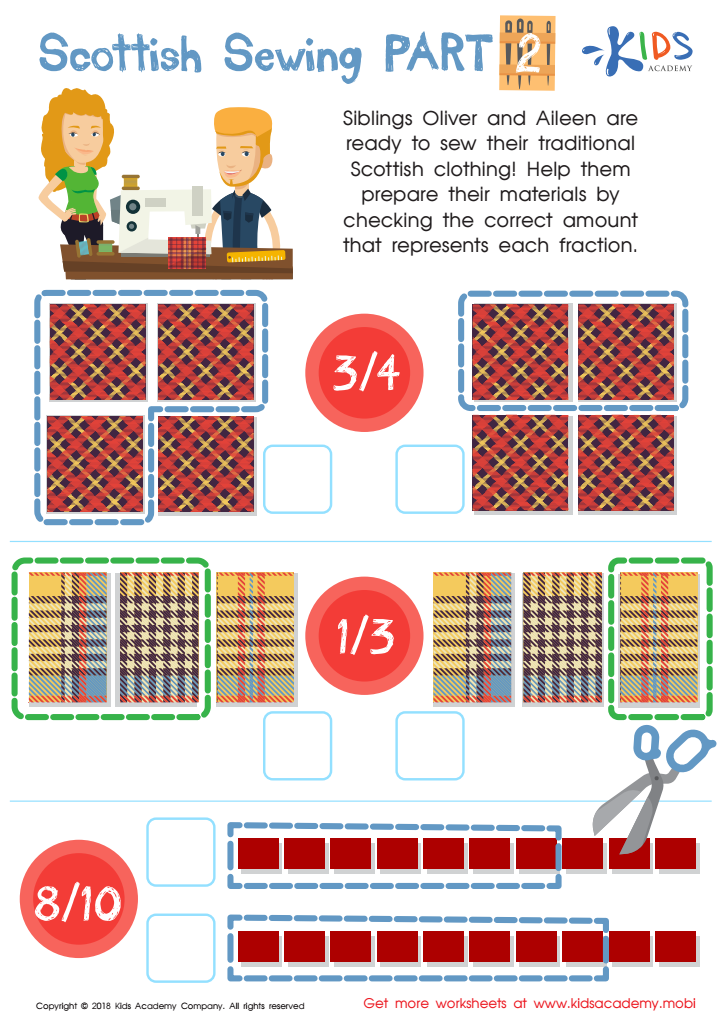
Scottish Sewing Part 2 Worksheet
 Assign to My Students
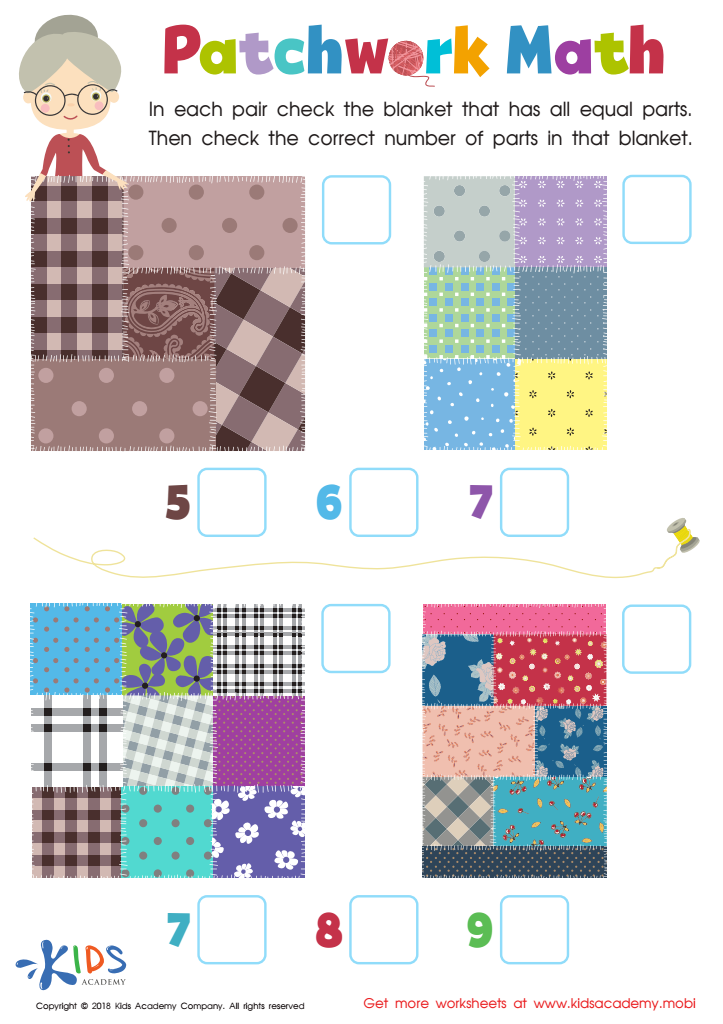
Patchwork Math Worksheet
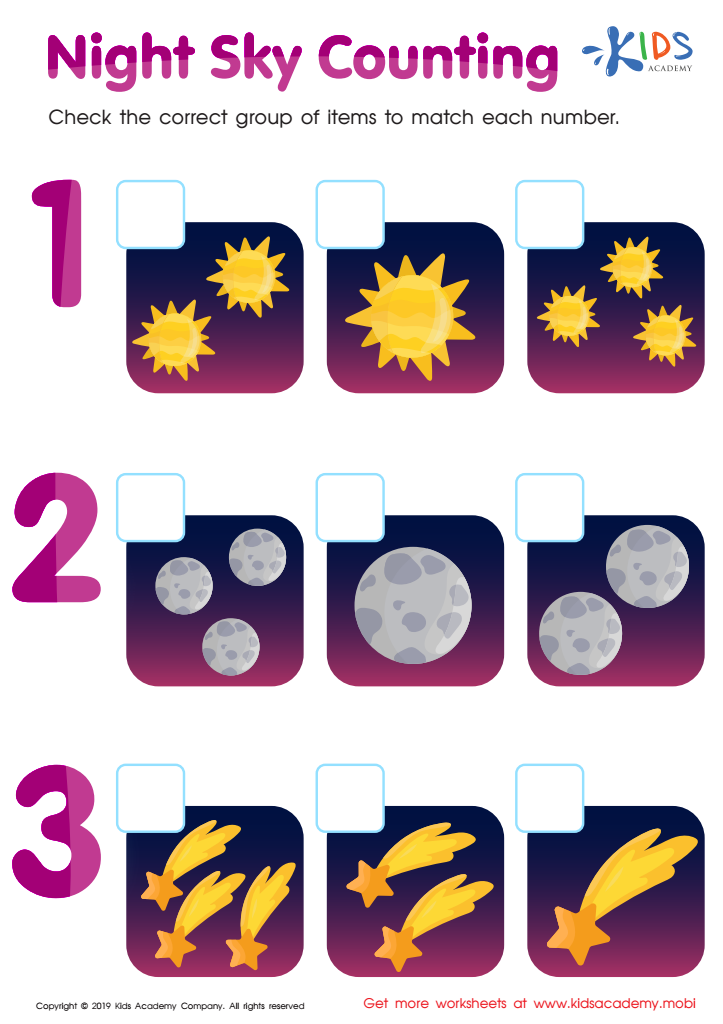
Night Sky Counting Worksheet
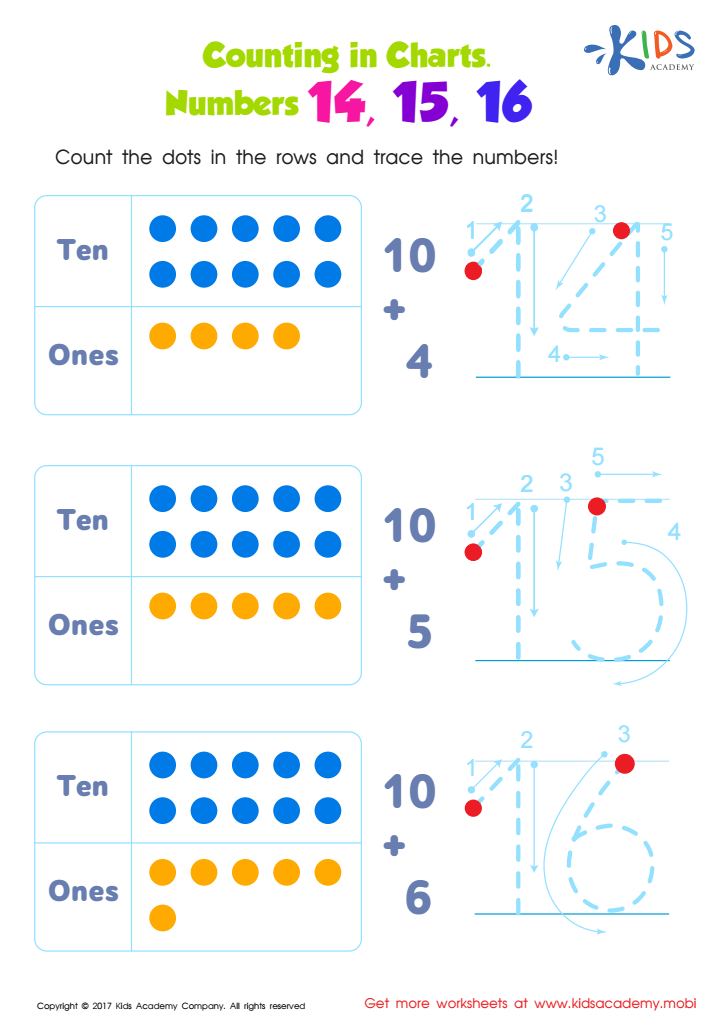
Number Tracing Worksheet
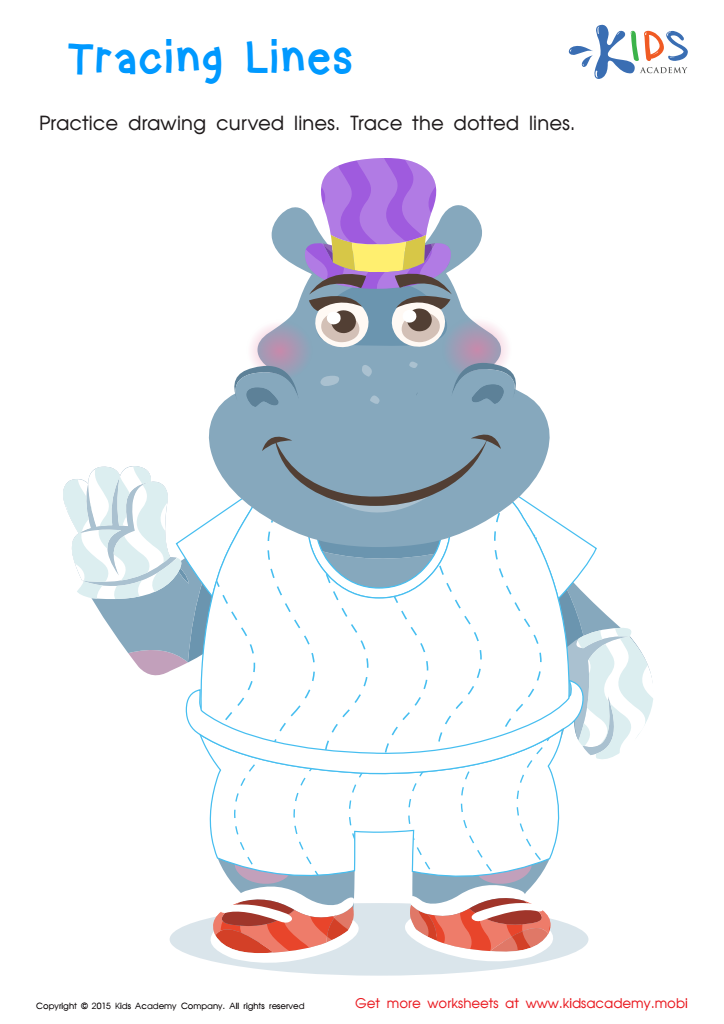
Tracing Lines Worksheet




.jpg)

Hand-eye coordination is a crucial skill that significantly impacts a child's development, especially between the ages of 3 and 8. Parents and teachers should care about fostering this ability because it lays the groundwork for numerous essential activities later in life. Strong hand-eye coordination enhances a child's proficiency in everyday tasks such as writing, eating, and dressing, providing them with the motor skills they need for daily independence.
Moreover, good hand-eye coordination supports academic achievements. Children who can effectively coordinate their visual input with physical actions are more likely to excel in activities like drawing, reading, and playing sports, which often correlate with increased confidence and enjoyment in school. This sense of confidence can encourage them to engage more fully in learning experiences, further nurturing their cognitive and creative skills.
Engaging in fun activities that promote hand-eye coordination—like puzzles, ball games, or crafts—also fosters greater bonding between parents, teachers, and children, creating a positive, supportive learning environment. By focusing on these skills during formative years, parents and teachers play an important role in building a child’s foundation for lifelong learning, physical activity, and social interaction, all vital components of their overall development and future success.








