Math problem-solving Easy Worksheets for Ages 3-8
4 filtered results
-
From - To
Discover the perfect resource for fostering math skills in young learners with our "Math Problem-Solving Easy Worksheets" designed for ages 3-8. These worksheets feature engaging, colorful activities that make learning math fun and interactive. Tailored to nurture critical thinking and problem-solving abilities, each worksheet introduces fundamental concepts through age-appropriate challenges. Children will enjoy solving problems while developing their numerical understanding in a stress-free environment. Ideal for home or classroom use, these printable worksheets support parents and educators in reinforcing math skills essential for early development. Start your child’s math journey today and watch their confidence grow with our easy, effective worksheets!
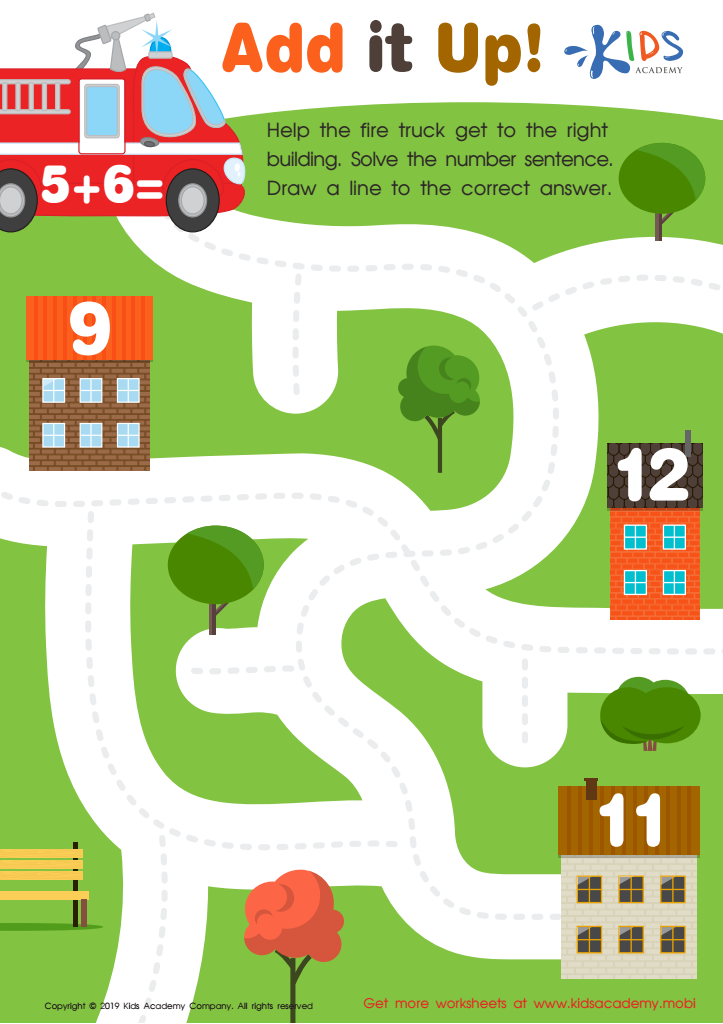
Add it Up Worksheet
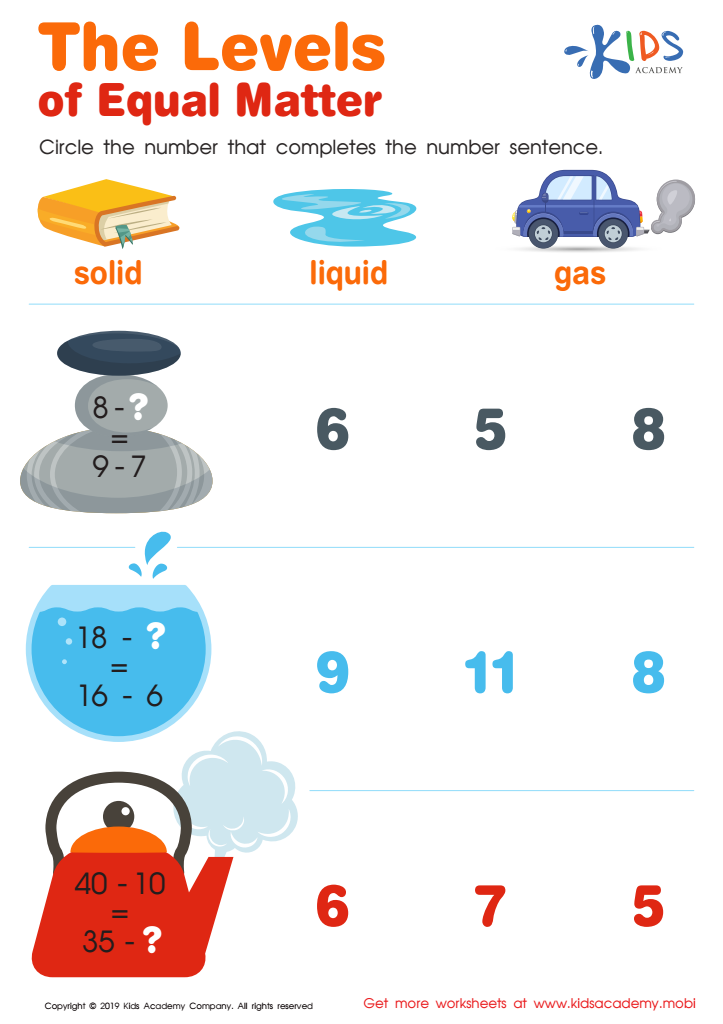
The Levels of Equal Matter Worksheet
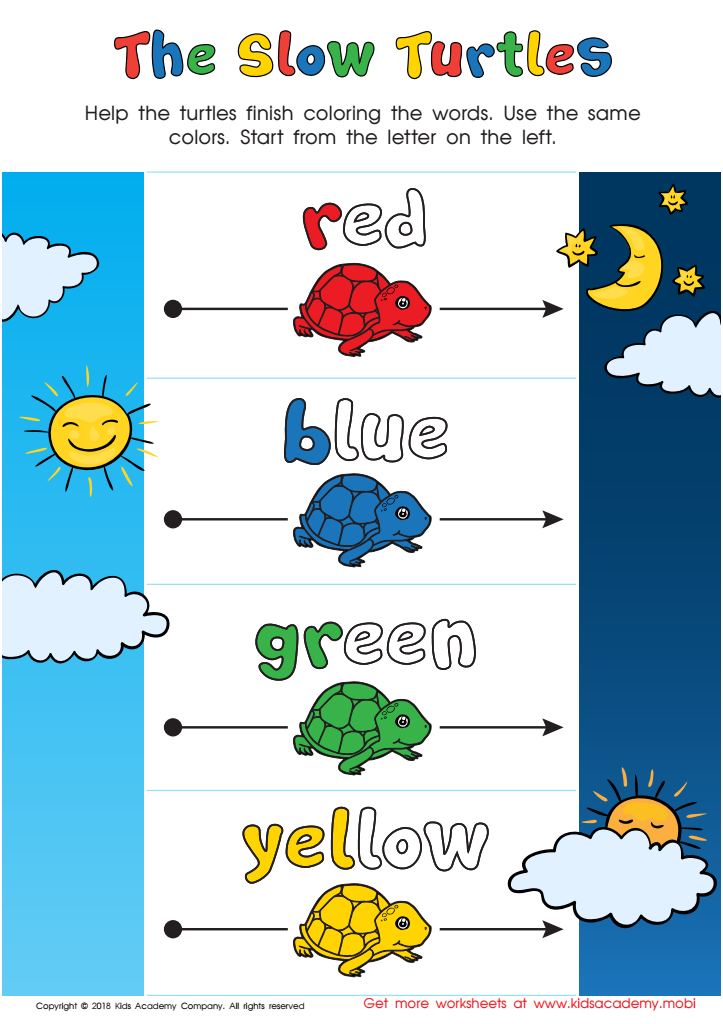
Read from Left to Right: Slow Turtles Worksheet
 Assign to My Students
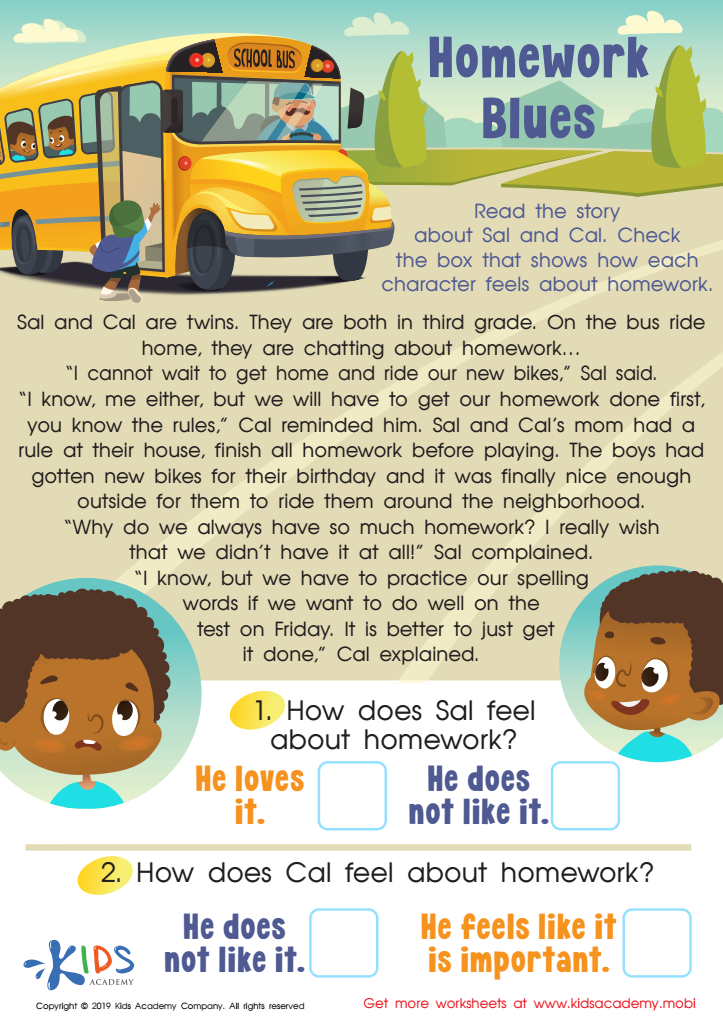
Homework Blues Worksheet








Math problem-solving is a crucial skill that begins to develop in early childhood, making it essential for parents and teachers to foster in children ages 3-8. At this age, children are naturally curious and eager to explore the world around them, and math is a fundamental part of that exploration. Engaging in problem-solving activities helps build critical thinking skills, creativity, and perseverance.
Introducing math concepts through playful and age-appropriate methods can enhance children's cognitive development. Activities like counting toys, sorting objects, or simple puzzles not only make learning enjoyable but also encourage children to approach challenges with confidence. Additionally, these experiences lay the foundation for future learning, establishing a strong mathematical mindset that is vital as they progress in school.
Moreover, early problem-solving fosters essential life skills such as communication and collaboration. When children work together to solve a problem, they learn to express their thoughts, listen to others, and appreciate different perspectives. As a result, parents and teachers play a pivotal role in nurturing these abilities, ultimately impacting children's academic success and overall development. By supporting math problem-solving at this young age, we can ignite a lifelong love for learning and set children on a path to becoming proficient problem solvers in the future.








