Understanding patterns Easy Worksheets for Ages 3-8
7 filtered results
-
From - To
Welcome to our "Understanding Patterns" easy worksheets page, designed specifically for children aged 3-8! Our engaging and educational worksheets help young learners recognize, create, and extend patterns using colorful visuals and simple exercises. These fun activities support cognitive development, enhance critical thinking skills, and are perfect for both home and classroom use. With a variety of levels tailored to different ages, children can explore patterns by using shapes, colors, and objects. Foster creativity and logical reasoning in your little ones as they discover the joy of learning patterns. Download our worksheets today and watch your child thrive!
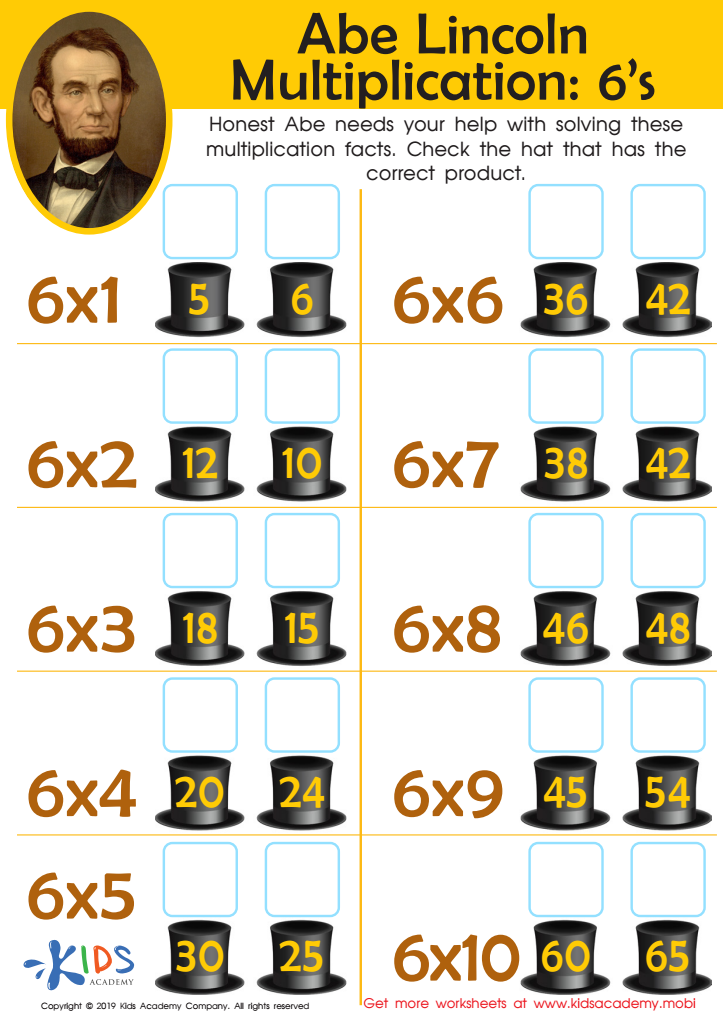
Abe Lincoln Multiplication: 6’s Worksheet
 Assign to My Students
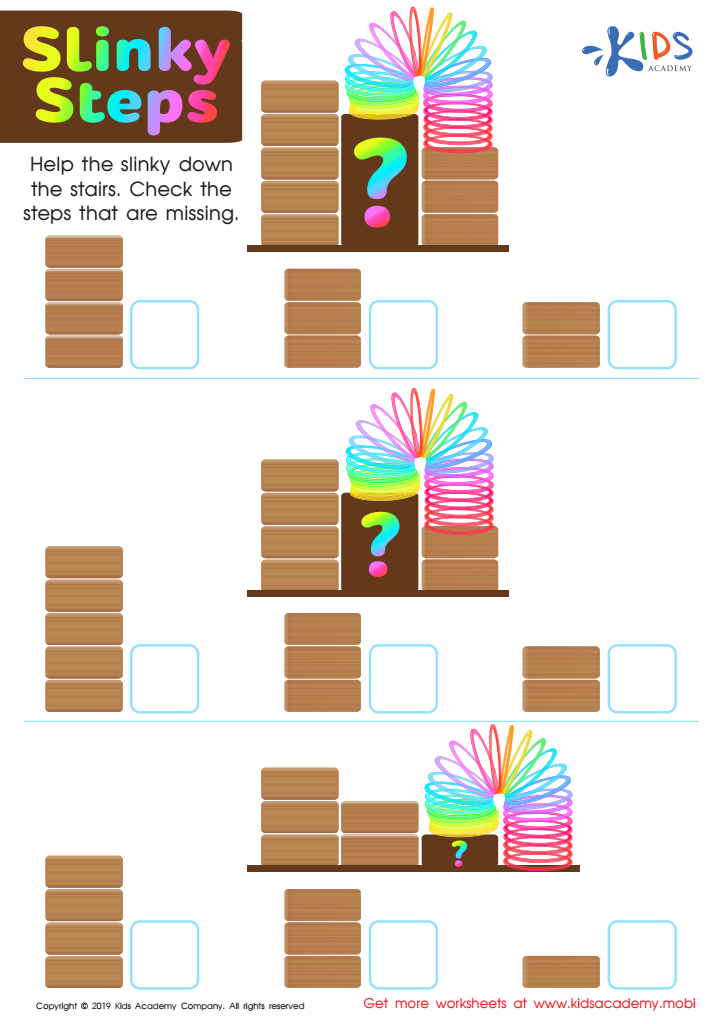
Slinky Steps Worksheet
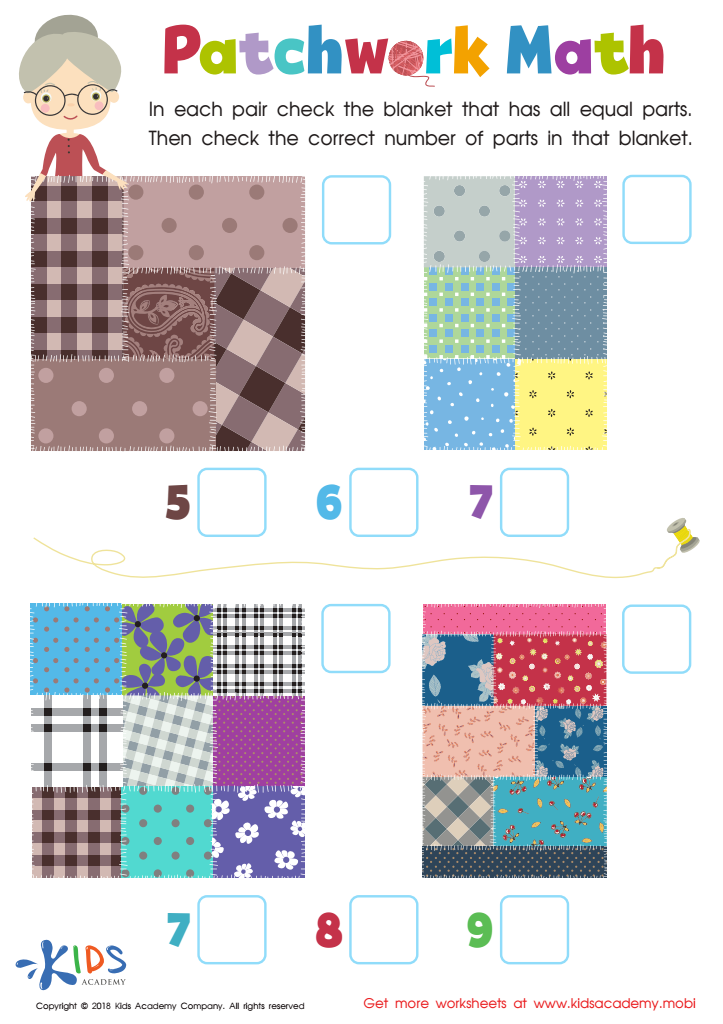
Patchwork Math Worksheet
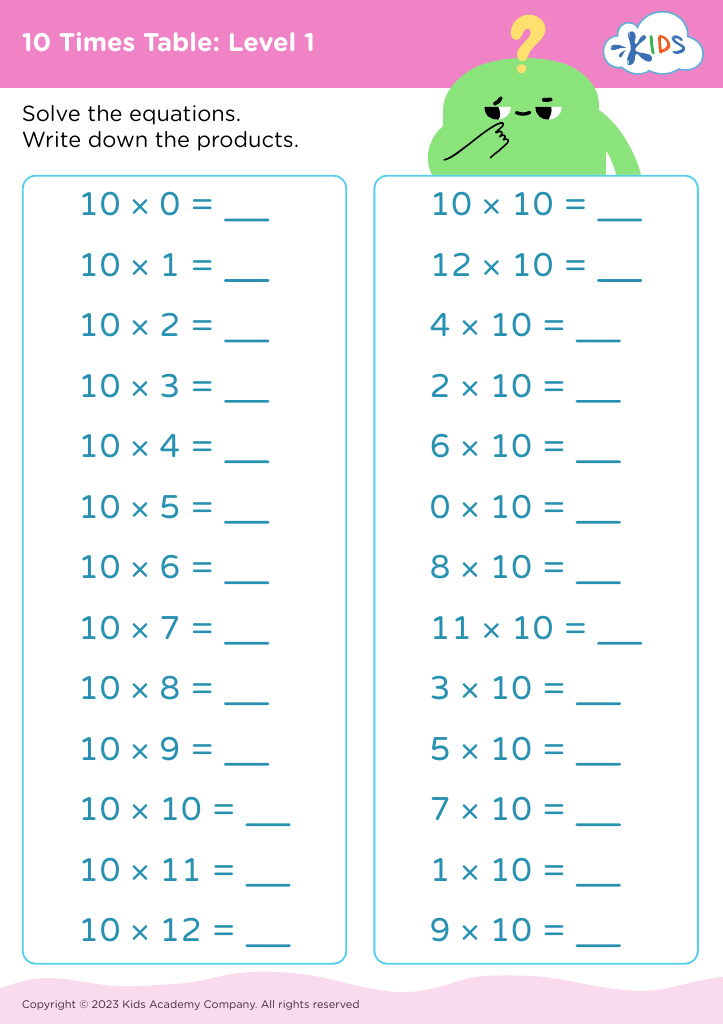
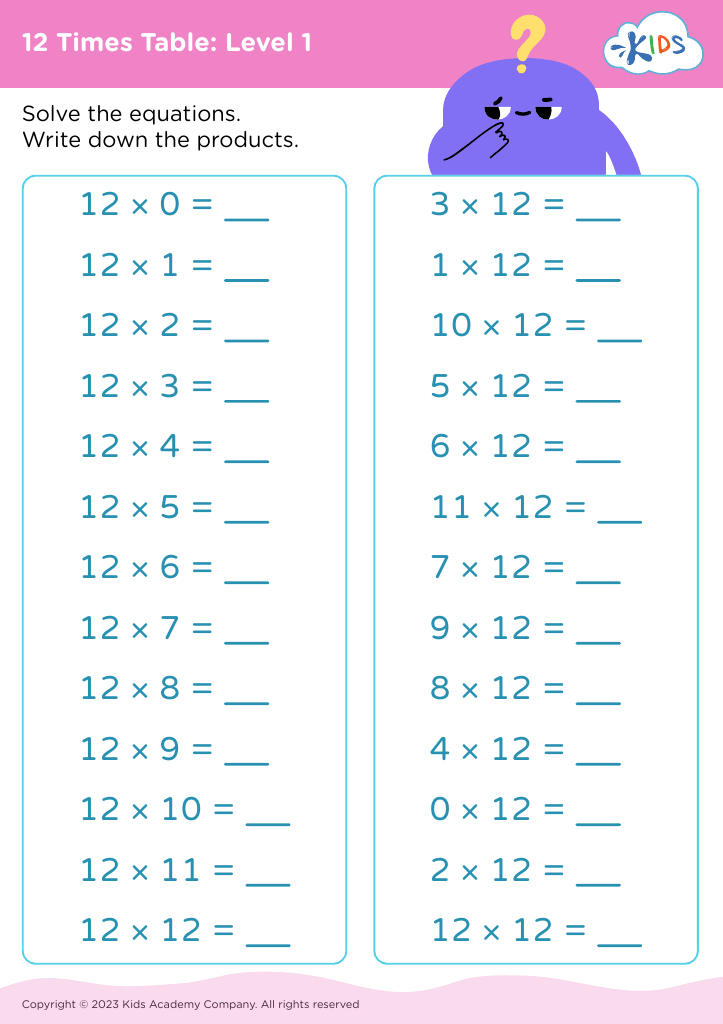
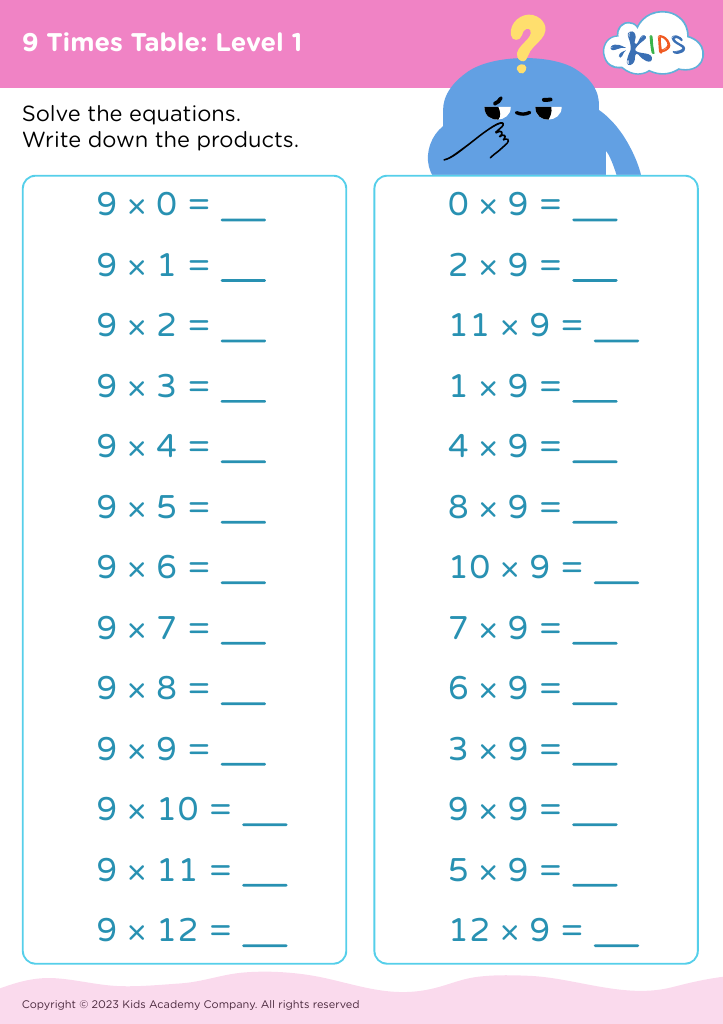







Understanding patterns is a fundamental skill for children aged 3-8 that lays the groundwork for mathematical thinking and problem-solving. When parents and teachers emphasize pattern recognition, they enhance children's cognitive development and critical thinking abilities. Recognizing patterns helps kids identify relationships and predict outcomes, abilities that are essential for more complex math concepts in later years.
Moreover, engaging with patterns can be woven into various daily activities, such as sorting toys, recognizing songs, or observing nature, making learning natural and enjoyable. This approach encourages creativity as children explore and create their own patterns, whether with colors, shapes, or sounds.
Additionally, pattern recognition fosters persistence and resilience. When children encounter challenges in identifying or creating patterns, they learn to overcome frustrations, practice patience, and develop a growth mindset. These social-emotional skills are invaluable throughout their education and personal lives.
Finally, parents and teachers who promote understanding patterns nurture curiosity and exploration, encouraging children to ask questions and investigate their environment. This early foundation in patterns not only prepares children for future academic success but also helps them become thoughtful, inquisitive learners. Therefore, recognizing the importance of patterns is crucial for anyone involved in a child's growth.








