Sequencing Skills Easy Numbers Worksheets for Ages 3-8
4 filtered results
-
From - To
Elevate your child's learning with our Sequencing Skills Easy Numbers Worksheets, designed for ages 3-8. These expertly crafted worksheets help young learners grasp the concept of sequencing numbers through fun, engaging activities. Perfect for preschool to early elementary students, each sheet aims to build foundational skills in ordering and pattern recognition. Children will enjoy colorful graphics and interactive tasks, making learning both effective and enjoyable. By practicing sequencing, they'll enhance their critical thinking and problem-solving abilities, setting the stage for future math success. Start building these essential skills today with our educational, kid-friendly worksheets!
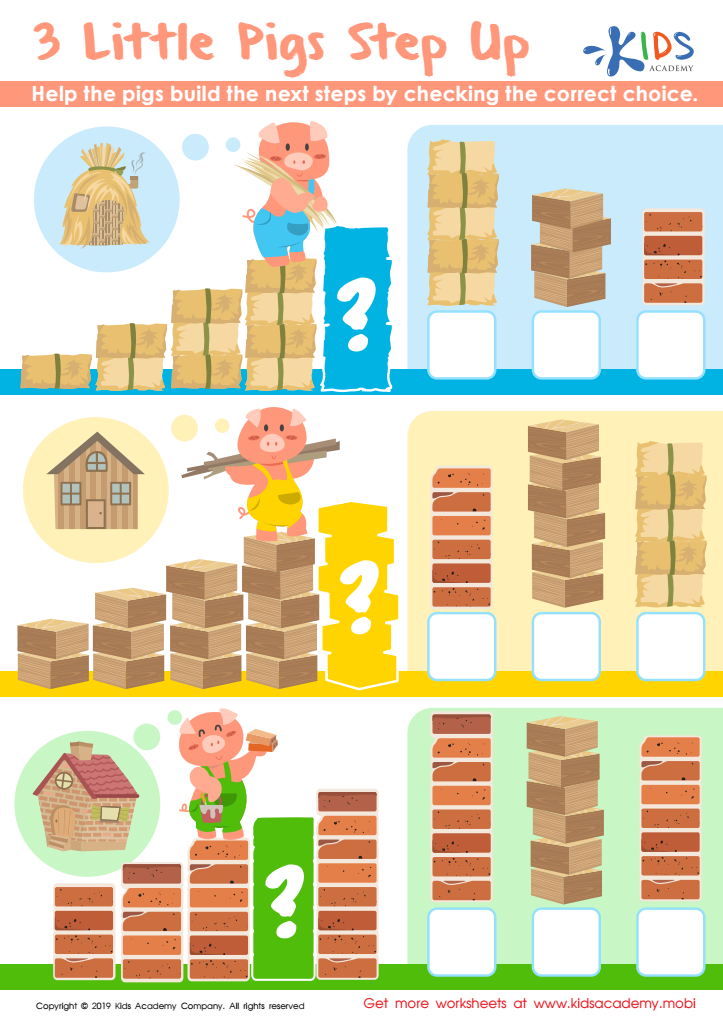
3 Little Pigs Step Up Worksheet
 Assign to My Students
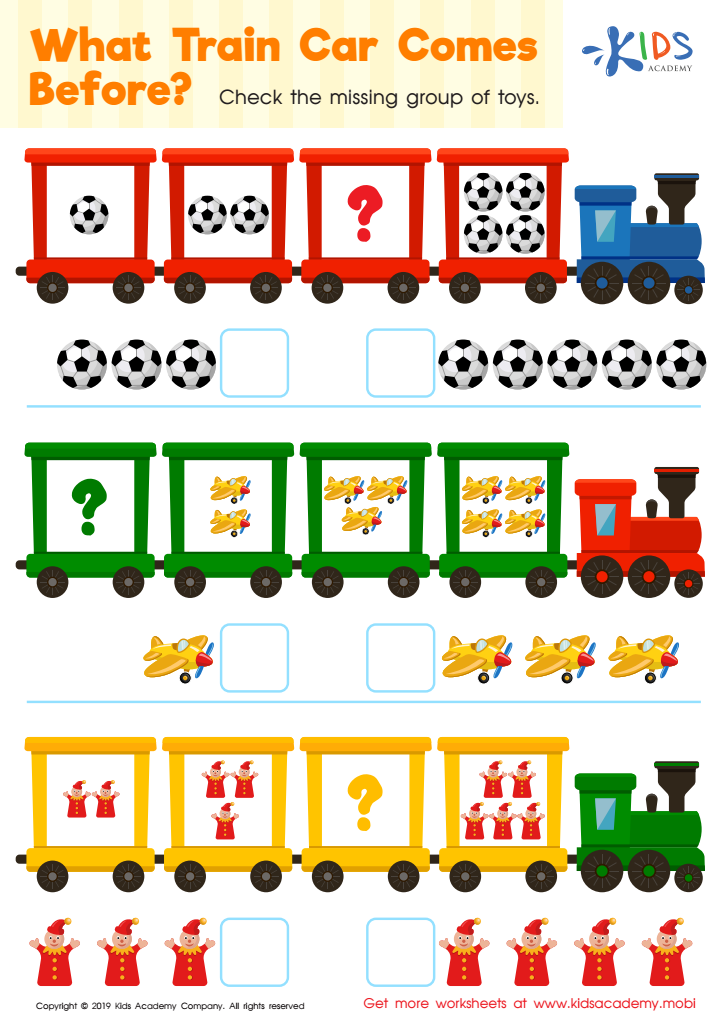
What Train Car Comes Before? Worksheet
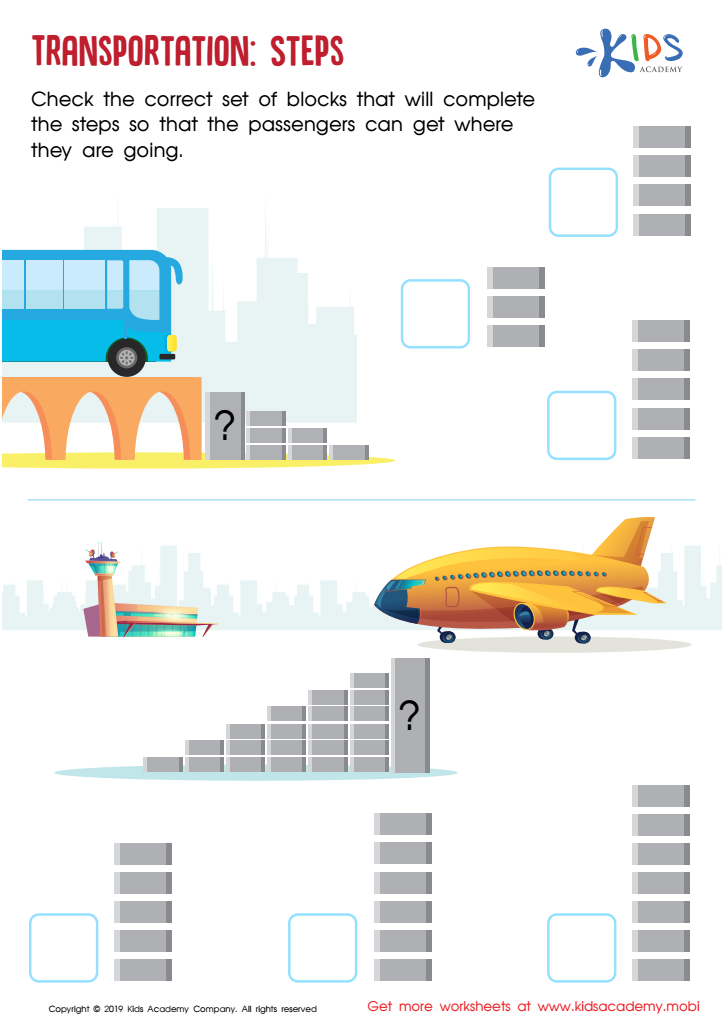
Transportation: Steps Worksheet
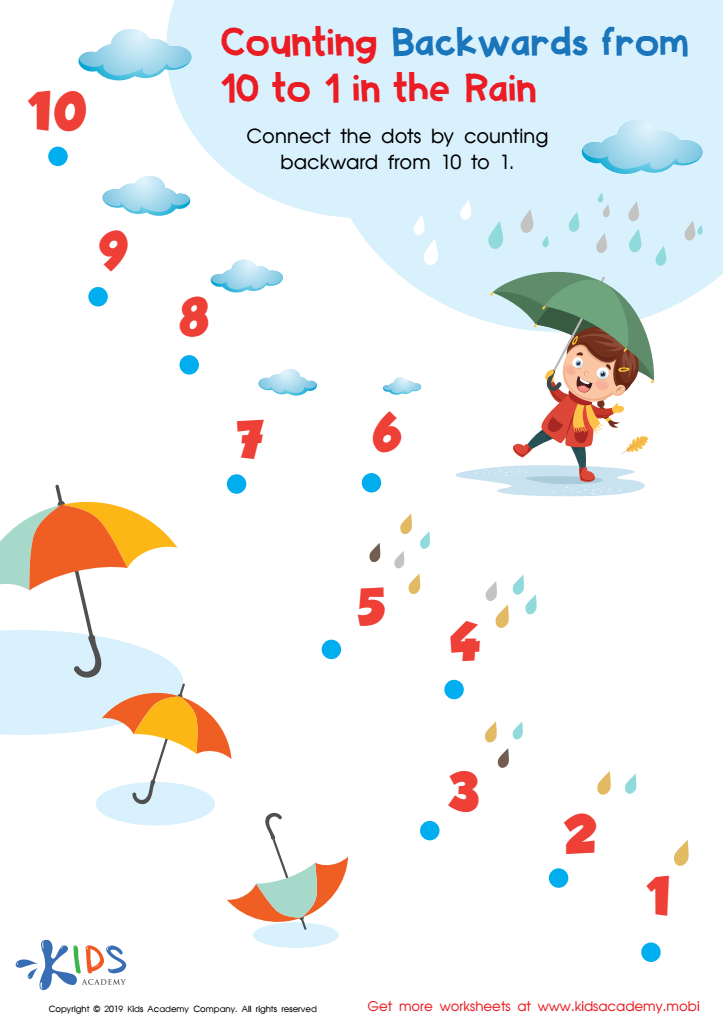
Counting Backwards from 10 to 1 in the Rain Worksheet








Sequencing skills are foundational cognitive abilities that play a vital role in a child's early development, especially for ages 3-8. Sequencing involves understanding and arranging information in a logical order, a skill necessary for a variety of daily tasks and academic success. Focusing on easy numbers when teaching sequencing to young children offers several benefits.
Firstly, mastery of number sequences aids in the development of basic math skills, allowing children to grasp concepts such as counting, addition, and subtraction. When children become comfortable with the order of numbers, they can more easily progress to more advanced mathematical operations and problem-solving.
Secondly, sequencing enhances critical thinking and reasoning. It encourages children to recognize patterns and make connections, skills that are crucial not just for math, but for understanding stories, following instructions, and completing tasks like dressing or cooking.
Additionally, practicing sequencing helps improve memory and attention. By recalling and reciting sequences, children exercise their short-term and long-term memory, thereby strengthening their overall cognitive capabilities.
Lastly, sequencing activities promote language development. Narrating sequences or stories improves vocabulary and comprehension. Being proficient in sequencing numbers and events also aids in effective communication and collaborative learning.
Overall, early emphasis on easy number sequencing equips children with skills that underpin broader educational development and daily life competences.








