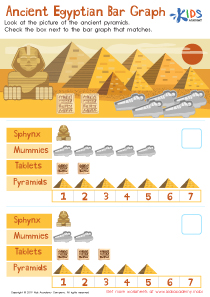
Basic arithmetic practice Easy Math Worksheets for Ages 3-8
5 filtered results
-
From - To
Discover our Basic Arithmetic Practice Easy Math Worksheets designed for children ages 3-8. Perfect for young learners, these colorful, engaging worksheets make learning addition, subtraction, and counting fun and accessible. With age-appropriate problems, your child will develop essential math skills while building confidence. Our expertly crafted worksheets provide the foundational practice needed for future success in mathematics, all through playful and interactive exercises. Ideal for both parents and educators, these resources are a great way to support early math development while keeping kids entertained and motivated. Start your child's math journey with our easy, exciting worksheets today!
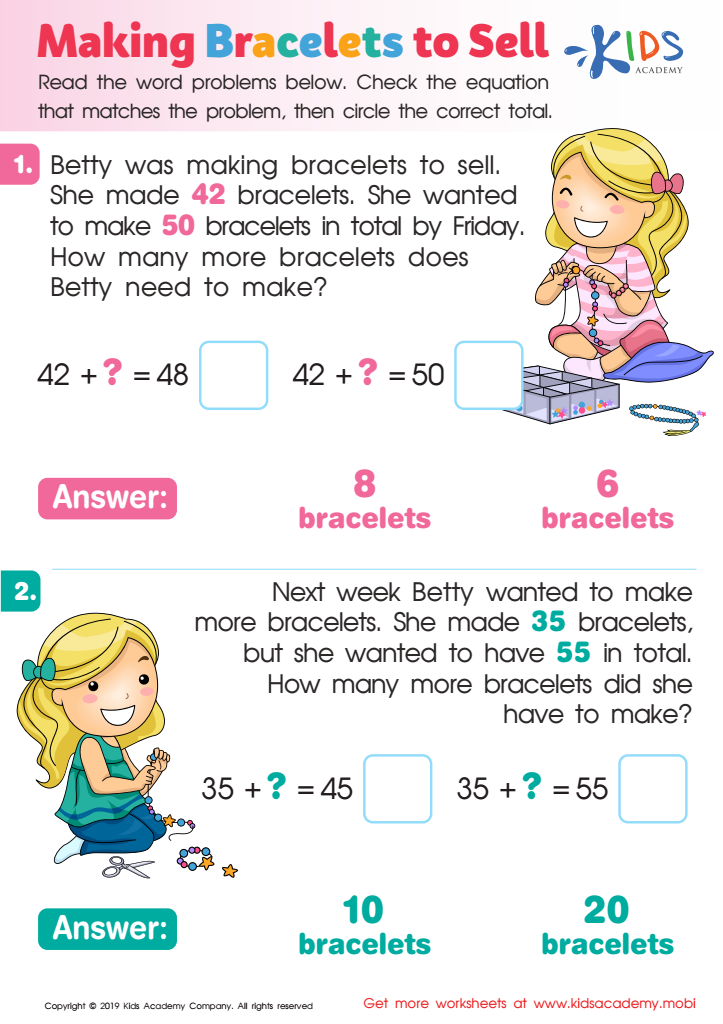
Making Bracelets to Sell Worksheet
 Assign to My Students
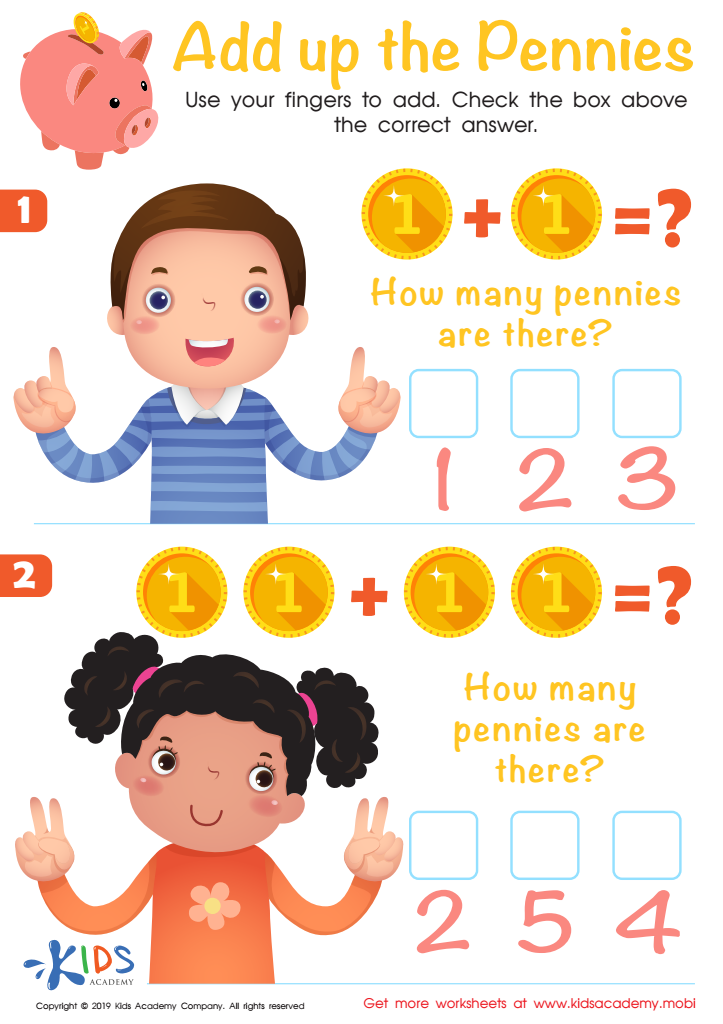
Add up the Pennies Worksheet
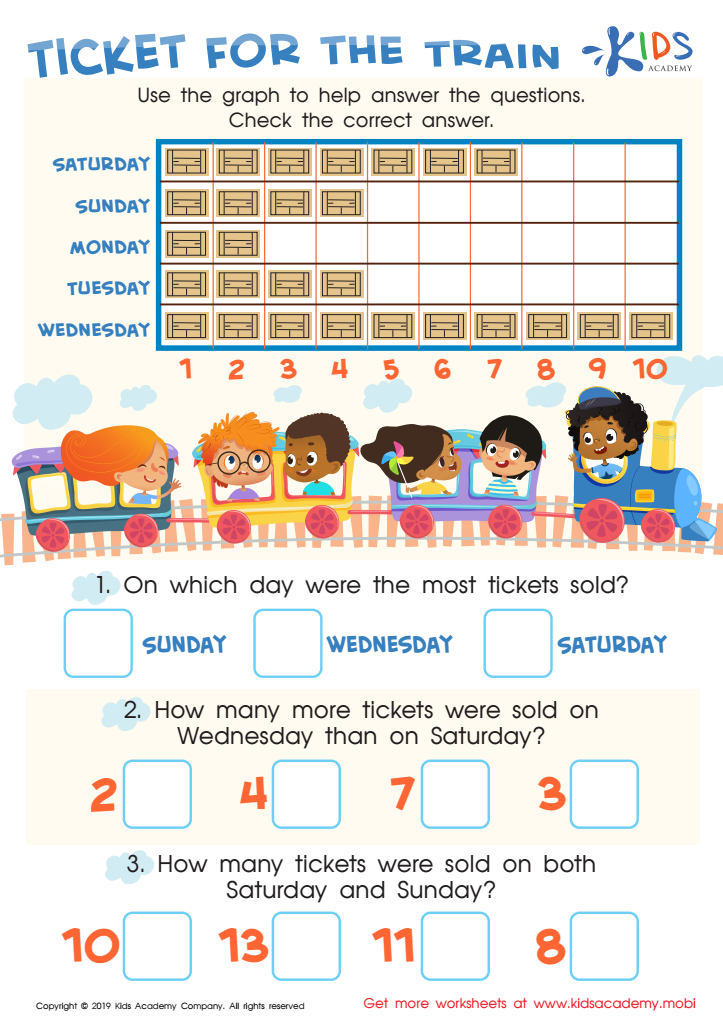
Ticket for the Train Worksheet
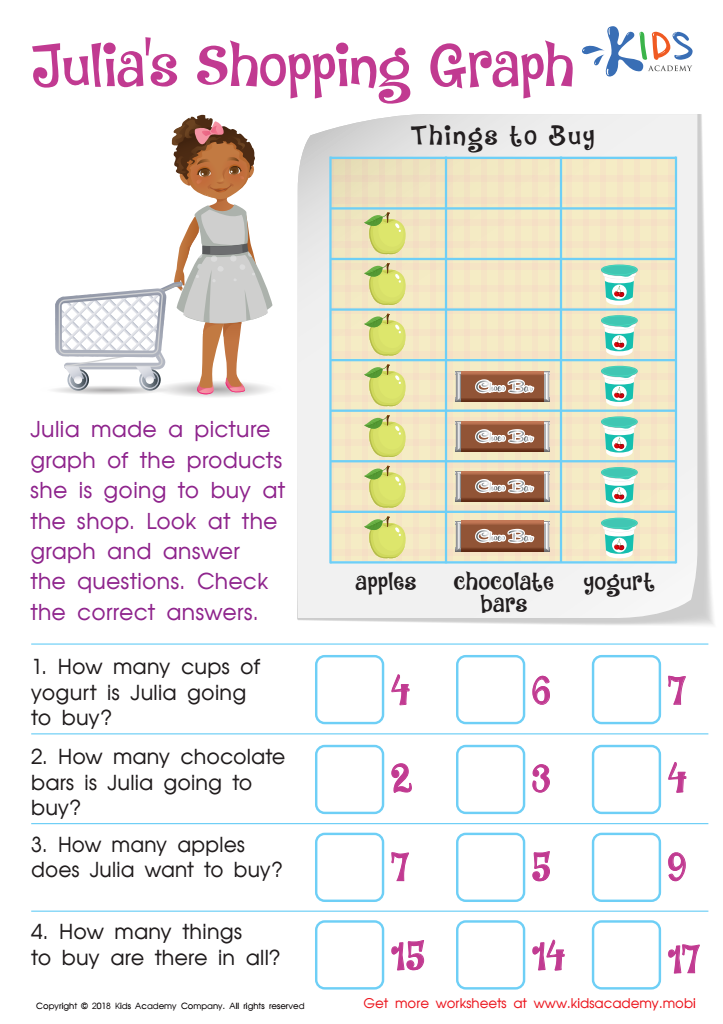
Julia's Shopping Graph Worksheet
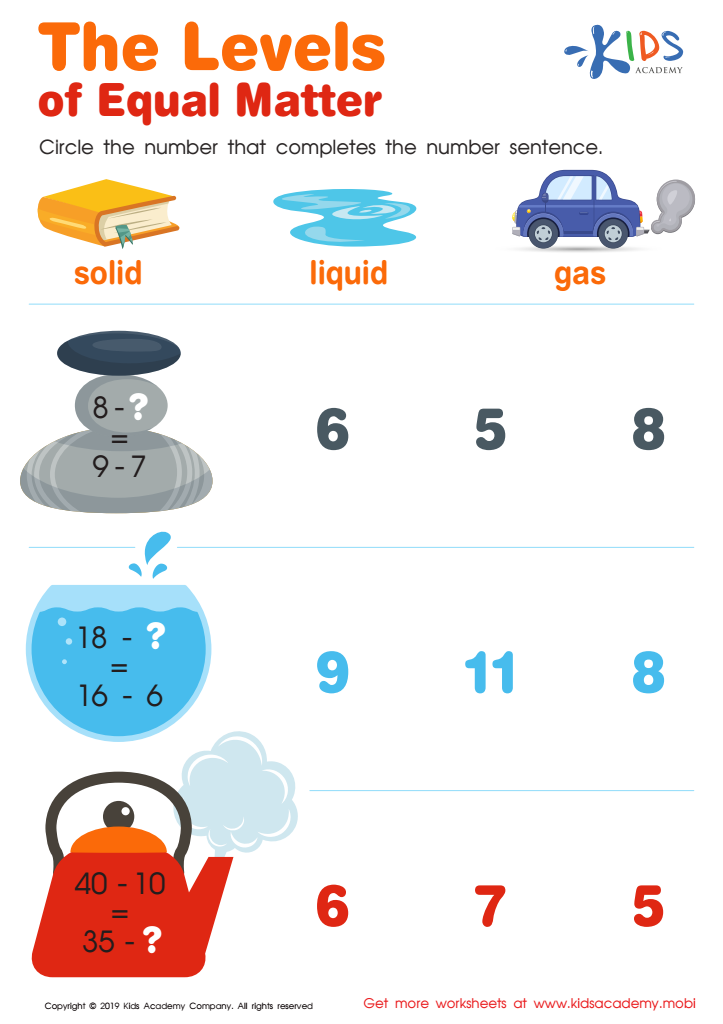
The Levels of Equal Matter Worksheet







Parents and teachers play a crucial role in the early educational development of children, making it important to focus on foundational skills like basic arithmetic. Engaging children aged 3-8 in simple math practice sets the stage for a lifetime of mathematical understanding and competency. At this young age, children's brains are highly adaptable and can absorb new concepts quickly, which underscores the importance of establishing a strong numerical foundation early on.
Basic arithmetic practice nurtures critical thinking, problem-solving, and cognitive development. These skills are foundational for not just math, but also for science, technology, and engineering subjects, collectively known as STEM fields. Introducing kids to numbers, counting, addition, and subtraction in an engaging way cultivates a positive attitude towards mathematics, reducing the likelihood of "math anxiety" later in their academic careers.
Furthermore, early math skills are linked to better performance in other academic areas. Research shows that kids who start school with strong math skills are better at reading as well. Activities involving basic arithmetic can also improve fine motor skills when children use physical objects like blocks, beads, or even interact with educational apps.
In essence, early arithmetic practice is like planting seeds for future academic grow. It builds a sturdy foundation for higher-level math skills, boosts overall academic performance, and fosters an active, essential life skill.