Enhancing Counting Skills Easy Math Worksheets for Ages 3-8
5 filtered results
-
From - To
Discover our engaging "Enhancing Counting Skills" easy math worksheets, designed specifically for children aged 3-8. These interactive, printable materials foster a love for numbers while promoting essential counting skills through fun activities. Our worksheets incorporate vibrant visuals, playful themes, and relatable scenarios that captivate young learners, making math enjoyable and accessible. Explore various counting exercises, from number recognition to simple addition and subtraction, all aimed at building a strong math foundation. Perfect for home or classroom use, these resources support early childhood education and help children develop confidence in their counting abilities. Start your child's math journey today!
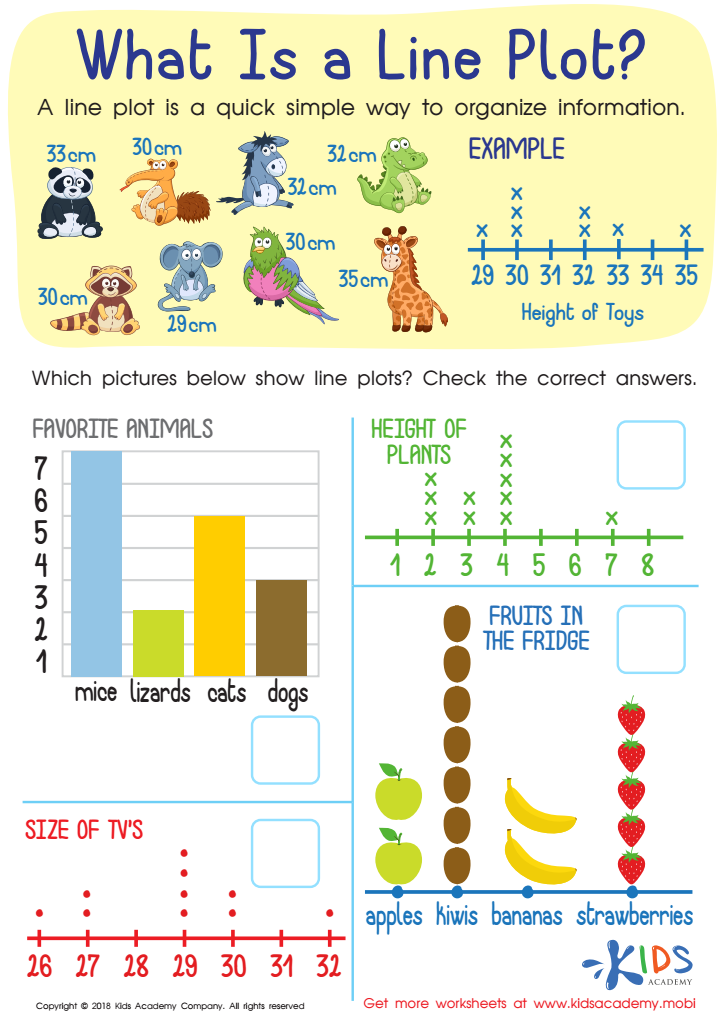
What Is a Line Plot? Worksheet
 Assign to My Students
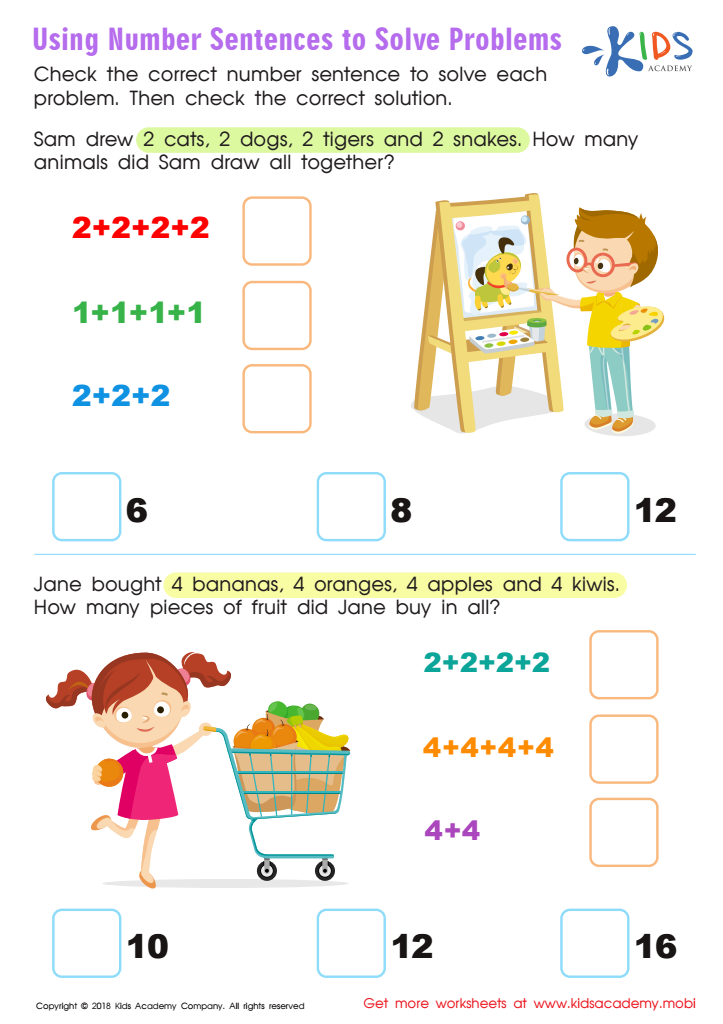
Using Number Sentences to Solve Problems Worksheet
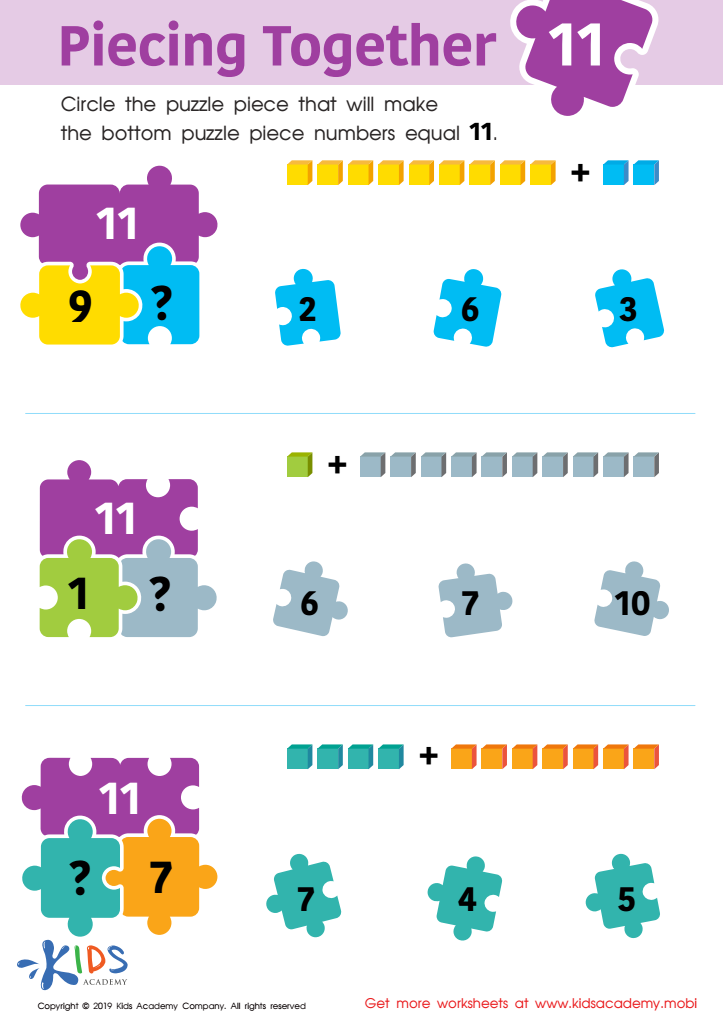
Piecing Together 11 Worksheet
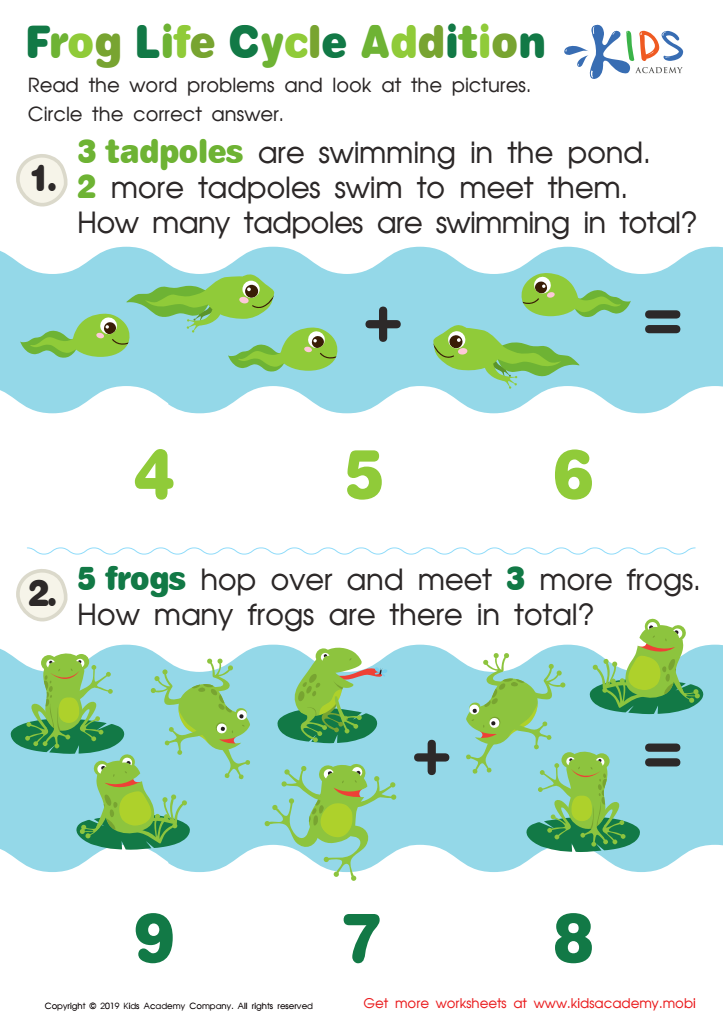
Frog Life Cycle Addition Worksheet
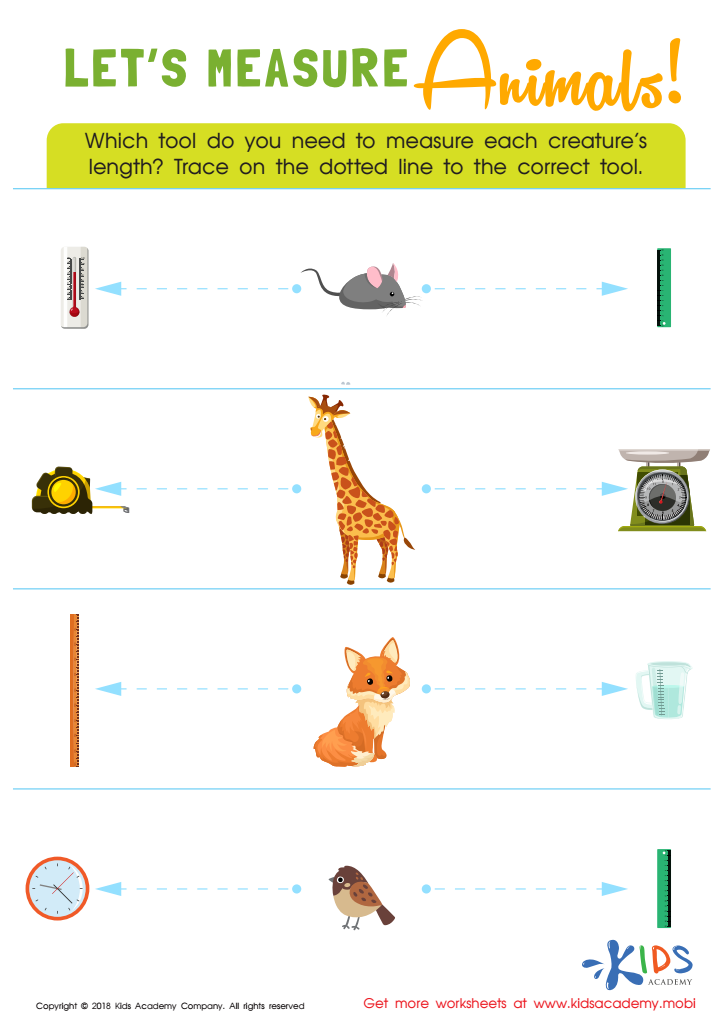
Let's Measure Animals! Worksheet








Enhancing counting skills in children aged 3-8 is vital for their cognitive and academic development. During these formative years, children are not only mastering basic counting but are also laying the groundwork for future mathematical concepts. Learning to count helps in developing number sense, which is crucial for later skills in addition, subtraction, and overall problem-solving.
For parents and teachers, promoting counting skills fosters confidence and a positive attitude toward math. Engaging activities that make counting fun, such as games, songs, and everyday situations (like counting toys or snacks), make the learning process enjoyable and interactive. This approach not only enhances numerical skills but also strengthens fine motor skills and language development as children articulate numbers and engage in conversations about quantity.
Moreover, strong counting skills are linked to improved academic performance. Children who grasp foundational mathematics effortlessly transition to more complex topics later in their education. For parents and educators, investing time and resources in counting skill development is a crucial step toward ensuring children's long-term success, building a strong mathematical foundation, and encouraging a lifelong appreciation for learning. In essence, prioritizing early math skills is essential for cultivating future innovators and problem solvers.








