Handwriting practice Easy Math Worksheets for Ages 3-8
4 filtered results
-
From - To
Discover our "Handwriting Practice Easy Math Worksheets" designed specifically for children aged 3-8! These engaging worksheets combine essential handwriting skills with basic math concepts, making learning fun and effective. Each worksheet features a variety of exercises where young learners can practice writing numbers, simple equations, and math-related words. With colorful illustrations and approachable formats, our worksheets encourage creativity and comprehension. Perfect for home or classroom use, they help develop fine motor skills, boost confidence, and lay a strong foundation for future academic success. Start fostering a love for learning today with these interactive resources and watch young minds flourish!
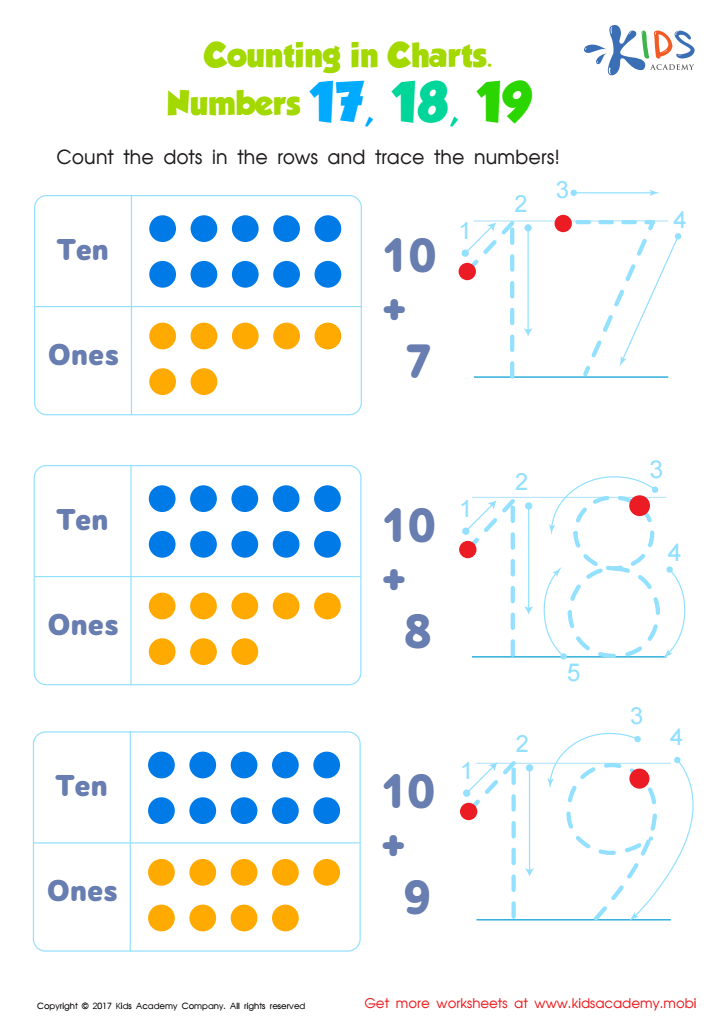
Kindergarten Number Tracing: Counting in Charts Worksheet
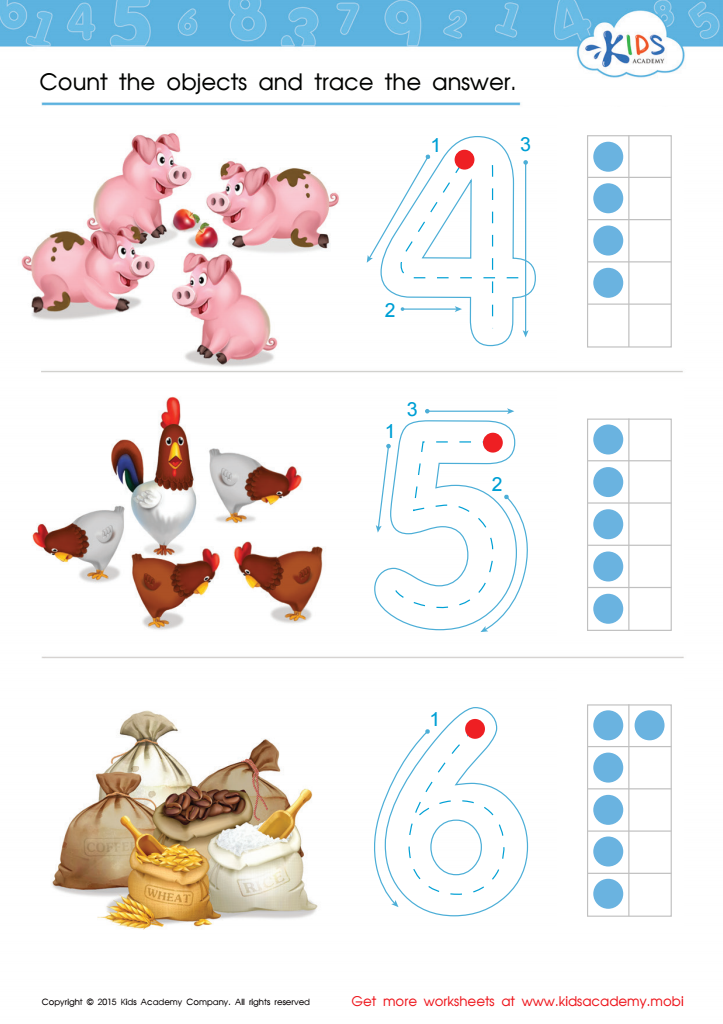
Count and Trace 4 – 6 Worksheet
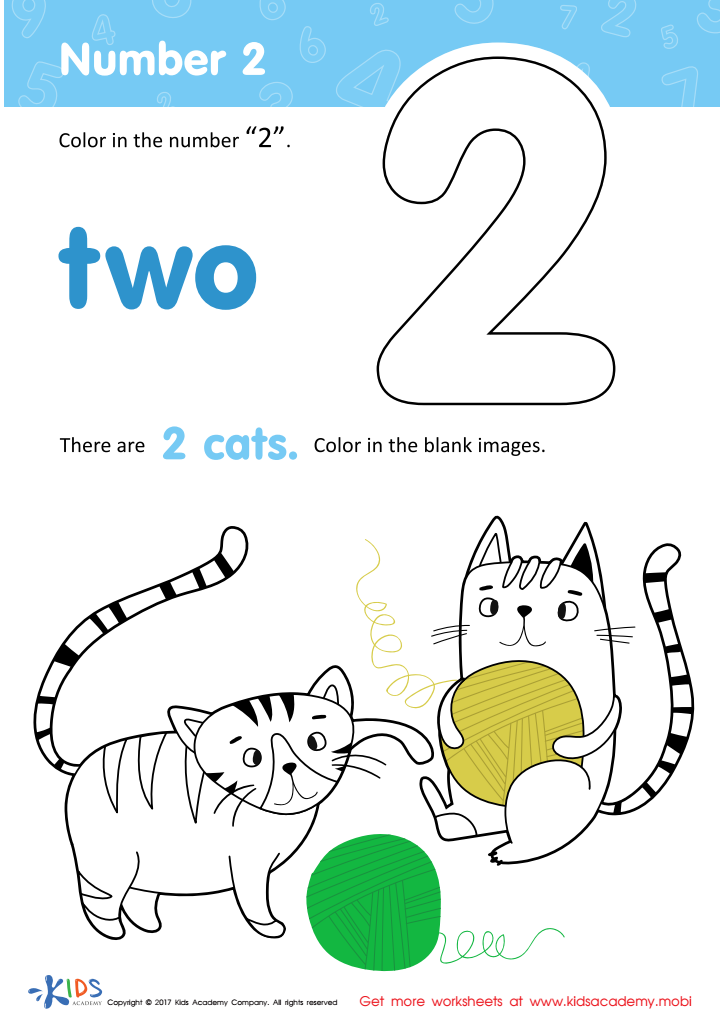
Number 2 Printable
 Assign to My Students
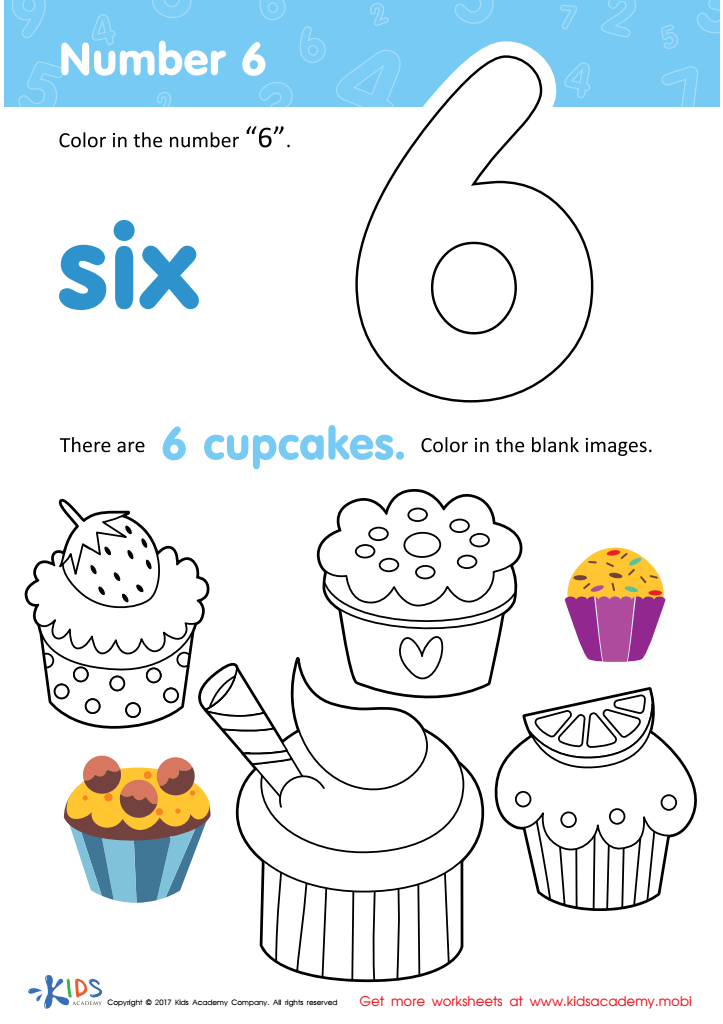
Number 6 Worksheet
Assign to My Students








Handwriting practice and easy math are essential skills for children aged 3-8, and both hold significant value for parents and teachers. Firstly, handwriting is a fundamental form of communication that helps young learners express their thoughts clearly and develop fine motor skills. Improving handwriting can boost confidence as children transition into more complex writing tasks. Engaging in handwriting practice increases cognitive development, allowing children to connect sounds with letters, enhancing their reading skills.
On the other hand, early math skills are foundational for logical thinking and problem-solving. Introducing easy math concepts, such as counting and simple addition or subtraction, helps children develop number sense, critical thinking, and analytical skills. This cognitive groundwork is instrumental in their later success in more advanced mathematics.
Moreover, integrating handwriting practice with math encourages a more holistic educational approach. Teachers and parents can foster a love for learning through engaging, playful activities that combine both disciplines, making the process enjoyable for children. Investing time in handwriting and easy math during these formative years not only sets the stage for academic achievement but also nurtures curiosity, creativity, and a lifelong love of learning in young minds. Therefore, prioritizing these practices is crucial for holistic child development.








