
Improving concentration Easy Math Worksheets for Ages 3-8
4 filtered results
Difficulty Level
Grade
Age
-
From - To
Subject
Activity
Standards
Enhance your child's concentration skills with our Easy Math Worksheets tailored for ages 3-8 at Kids Academy. Our engaging and interactive worksheets not only make learning fun but also help young learners focus better. Designed to stimulate cognitive skills through colorful activities and challenging yet age-appropriate math problems, these worksheets encourage critical thinking and problem-solving. Perfect for parents and teachers alike, our resources support child development while keeping kids entertained. Whether you're at home or in the classroom, our worksheets provide a solid foundation for a lifetime of learning. Start improving concentration in your little ones today!
Favorites
With answer key
Interactive
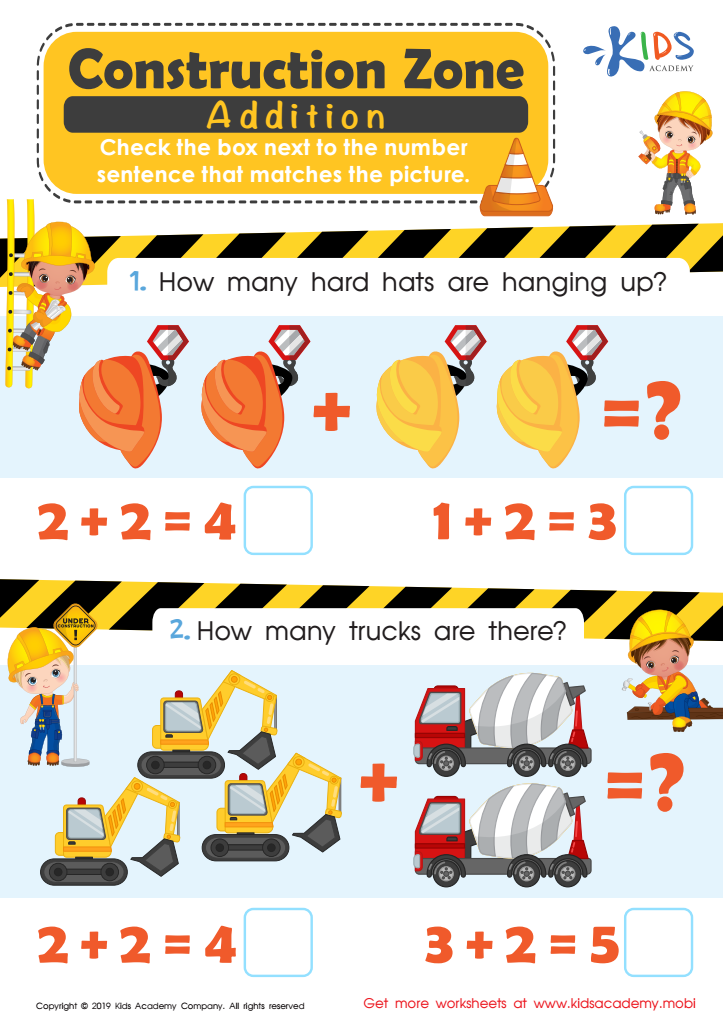
Construction Zone Addition Worksheet
Construction sites are bustling with professionals called construction workers. They use equipment while working, so they must wear protective gear. With kids, look at the pictures and name each object. Then help them check the box next to the number sentence that matches the picture. (80 words)
Construction Zone Addition Worksheet
Worksheet
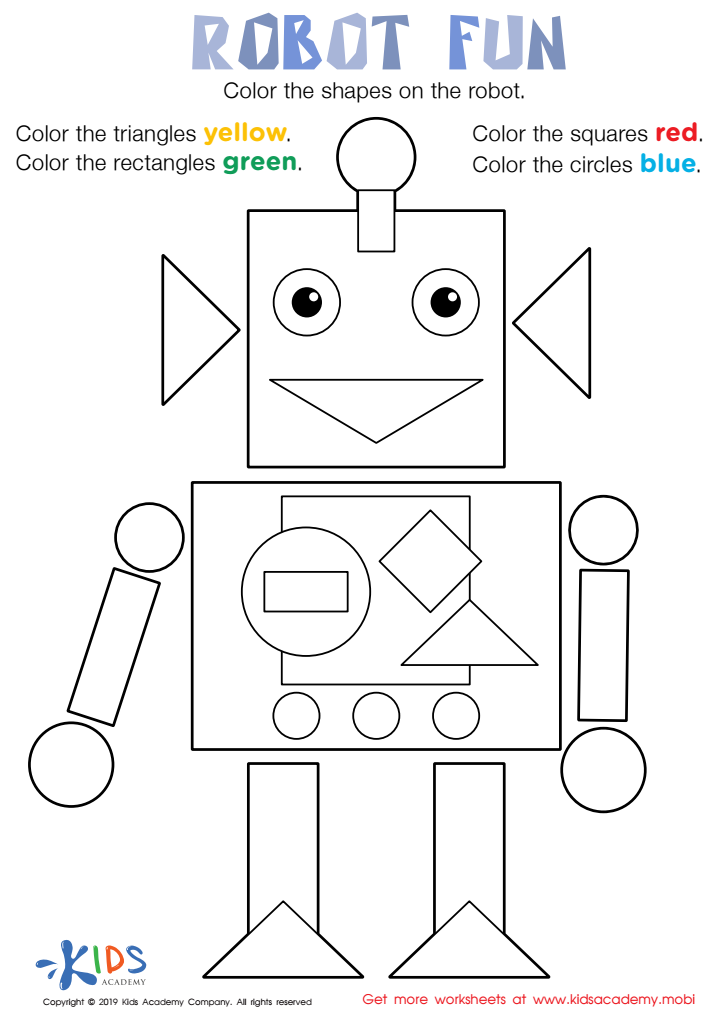
Robot Fun Worksheet
Help your child learn about basic shapes with this fun robot worksheet! Kids practice identifying circles, squares, rectangles and triangles, then color each shape according to directions. Make math practice enjoyable with this coloring page that teaches all four basic shapes - it's an important math skill!
Download (PDF)
 Assign to My Students
Assign to My Students
Robot Fun Worksheet
Worksheet
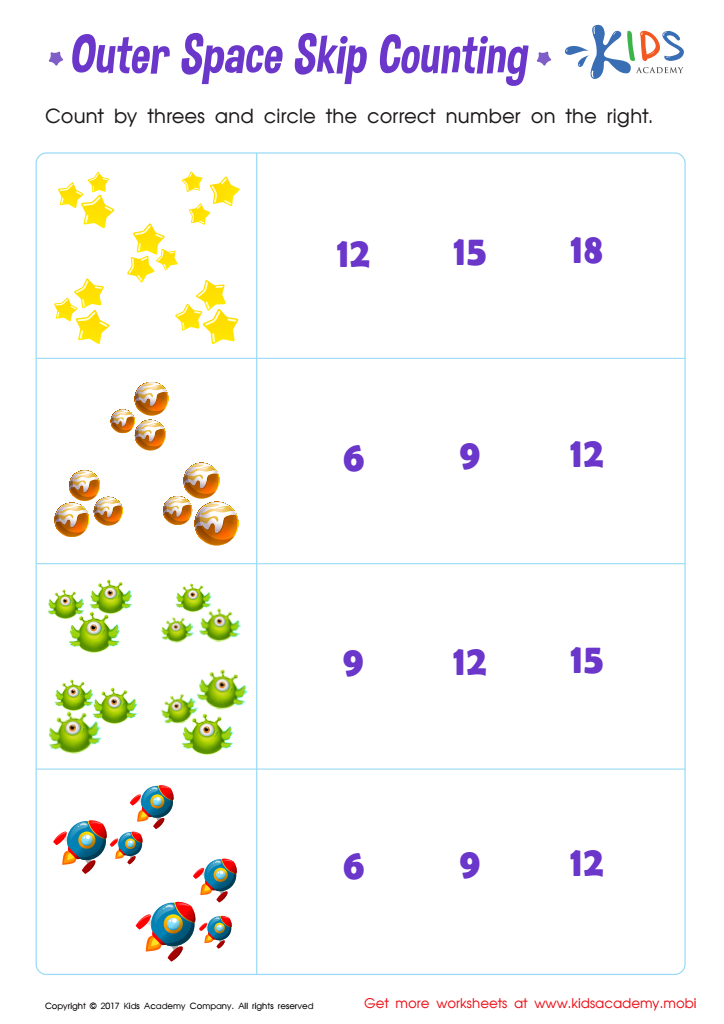
Skip Counting by 3s: Outer Space Skip Counting Printable
Want to set your child up for math success? Get them this printable worksheet that helps them practice counting in groups of 3’s, building a foundation for more advanced math skills. Skipping counting helps kids master logical reasoning and cognitive skills, making a connection between counting objects individually and in groups. The colorful images will keep them engaged and having fun - without realizing how hard they're working!
Skip Counting by 3s: Outer Space Skip Counting Printable
Worksheet
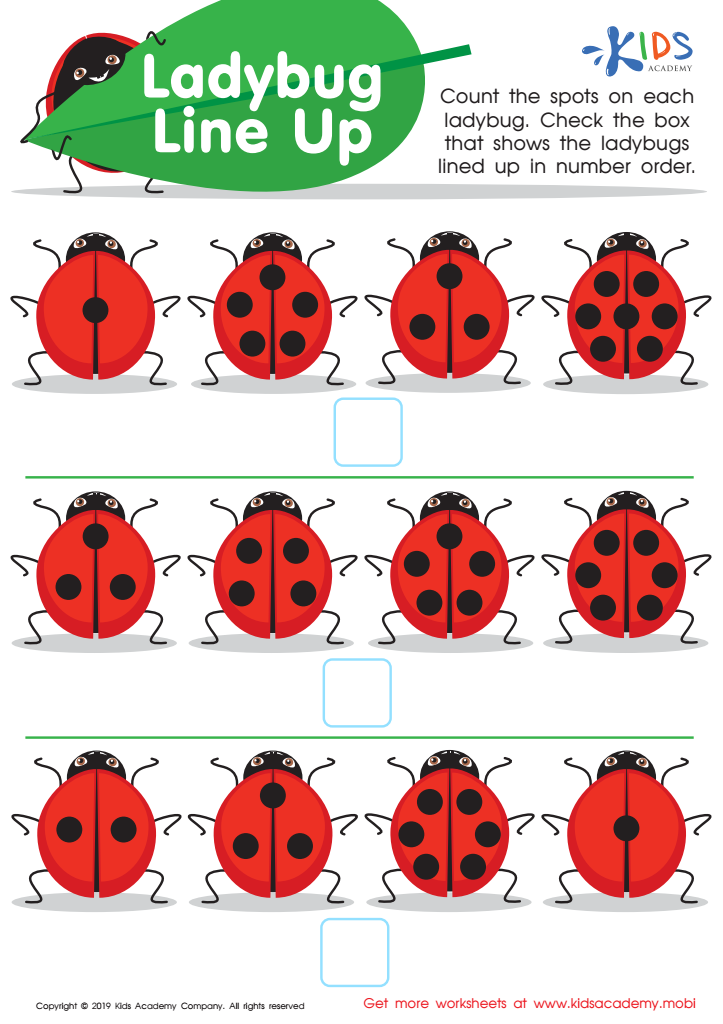
Ladybug Line Up Worksheet
Count the spots on the back of each ladybug in the three groups. Help kids check the box under each group that shows the ladybugs in proper number order. Ladybugs are an adorable insect with unique spots. This worksheet encourages counting and ordering.
Ladybug Line Up Worksheet
Worksheet
Join Kids Academy for Free
Who is primarily going to use this learning content?





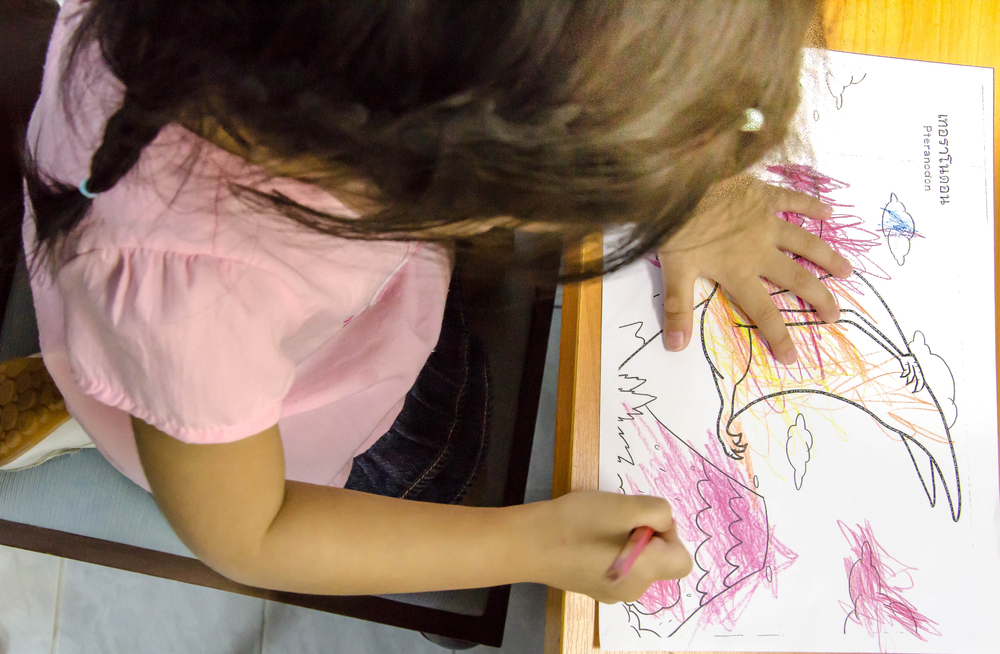


Improving concentration in children aged 3-8 is crucial, especially when it comes to foundational subjects like math. During these formative years, kids develop essential cognitive skills that form the basis for future learning. Concentration is vital for acquiring math skills, as it allows children to grasp concepts, solve problems, and carry out tasks accurately. Engaging activities that promote concentration, such as games and hands-on exercises, make learning enjoyable and interactive.
When parents or teachers prioritize improving concentration in math, they help children build a strong sense of number sense, readiness for more advanced mathematical concepts, and problem-solving abilities. By investing time and resources into making math less intimidating and more approachable, they encourage a positive attitude towards learning.
Furthermore, good concentration habits established early can positively impact children's success in all subjects, as well as their overall academic performance. Teachers can incorporate strategies like short, focused lessons and fun attention-requiring activities to foster these skills. Ultimately, when adults recognize the importance of concentration skills, they contribute to nurturing confident, capable learners who are well-prepared to tackle challenges in school and beyond. This investment in concentration pays dividends for their futures, shaping lifelong learners.








