Understanding Sequences Easy Math Worksheets for Ages 3-8
4 filtered results
-
From - To
Unlock the world of sequences with our "Understanding Sequences Easy Math Worksheets for Ages 3-8" at Kids Academy. These engaging and easy-to-follow worksheets are designed to introduce young learners to the basics of sequencing, helping to build critical thinking and logical reasoning skills. Each worksheet features colorful illustrations and fun activities, perfect for making learning fun for kids ages 3-8. With these educational resources, children can practice ordering numbers, arranging pictures, and understanding patterns in a interactive and enjoyable way. Start your child's mathematical journey with our expert-designed sequence worksheets today!
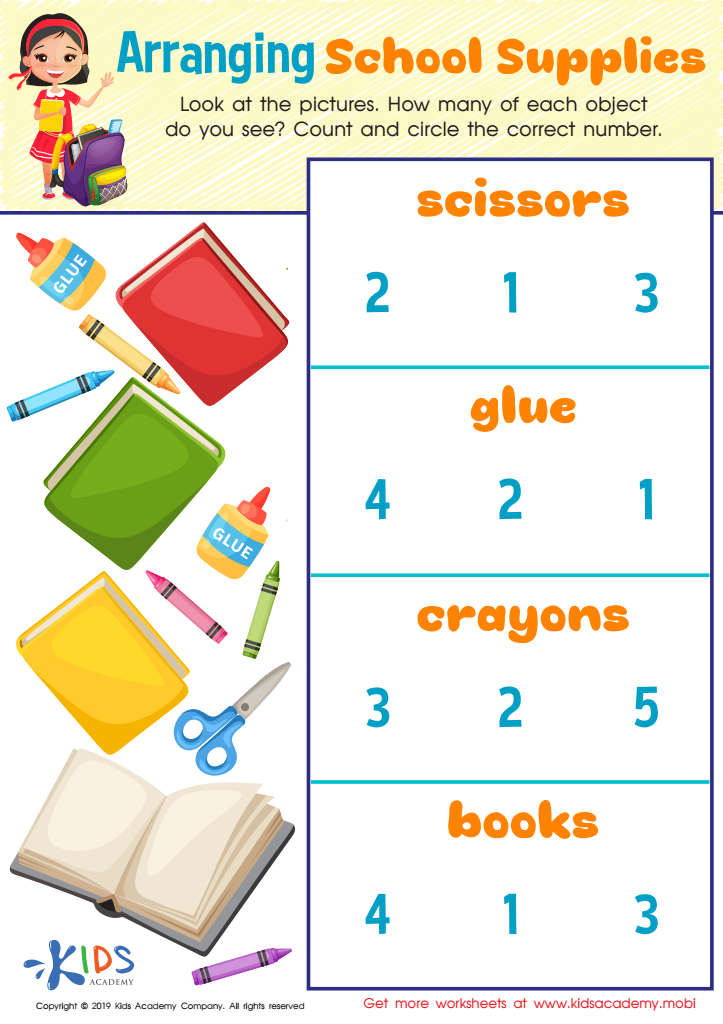
Arranging School Supplies Worksheet
 Assign to My Students
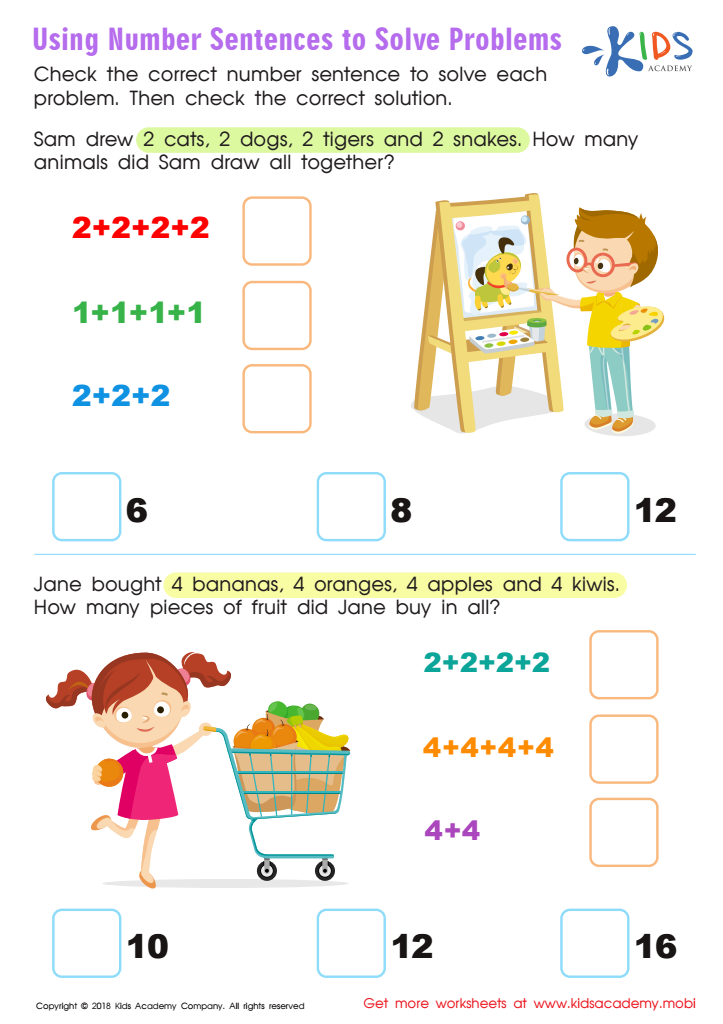
Using Number Sentences to Solve Problems Worksheet
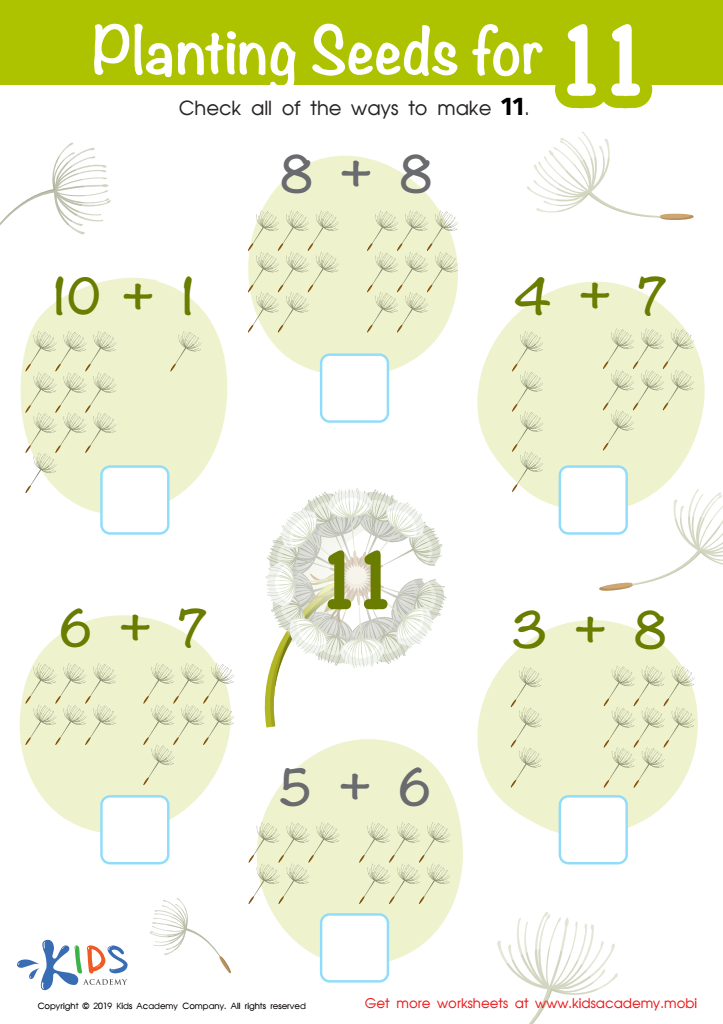
Planting Seeds for 11 Worksheet
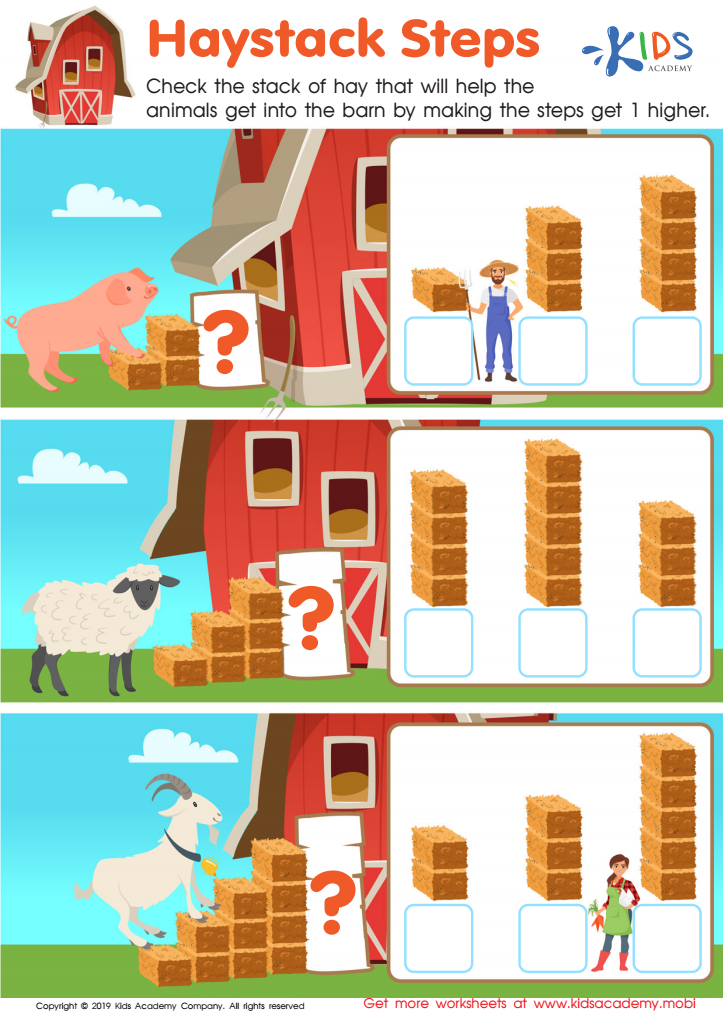
Haystack Steps Worksheet








Understanding sequences is a fundamental early math skill crucial for children aged 3-8, contributing significantly to their cognitive development. Parents and teachers should prioritize it for several reasons. First, sequences lay the groundwork for arithmetic skills and, later, algebraic thinking. By recognizing patterns and sequential order, children grasp the concept of numerical relationships, such as addition and subtraction.
Learning sequences helps develop organizational and problem-solving skills. When students arrange objects or numbers in a specific order, they enhance their ability to predict and reason logically. This skill translates into everyday tasks like following daily routines, understanding time, and organizing thoughts coherently.
Furthermore, comprehension of sequences fosters attention to detail and improves memory. Engaging in pattern-related activities strengthens a child's ability to discern differences and similarities, which is vital for reading and writing skills. Knowing sequences helps in linguistic development, such as understanding the sequence of events in a story.
Lastly, interactive and fun sequence-based activities stimulate a child's curiosity and love for learning. Parents and teachers nurturing this early math skill help children build a solid foundation for future academic success and daily life problem-solving, promoting joy and confidence in learning from a young age.








