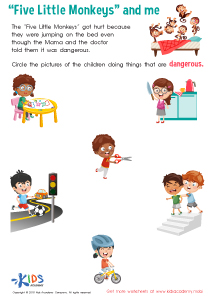
Critical Thinking Easy Building Vocabulary Worksheets for Ages 3-8
3 filtered results
-
From - To
Enhance your child's cognitive skills with our "Critical Thinking Easy Building Vocabulary Worksheets" designed for ages 3-8! These engaging worksheets stimulate critical thinking while expanding vocabulary through fun and interactive activities. Your little learners will explore words in context, solve puzzles, and participate in creative exercises that develop their reasoning and analytical skills. Whether at home or in the classroom, these resources are perfect for encouraging curiosity and improving language comprehension. Watch as your child grows more confident in their vocabulary use and critical thinking abilities. Download our worksheets today and make learning an enjoyable adventure!
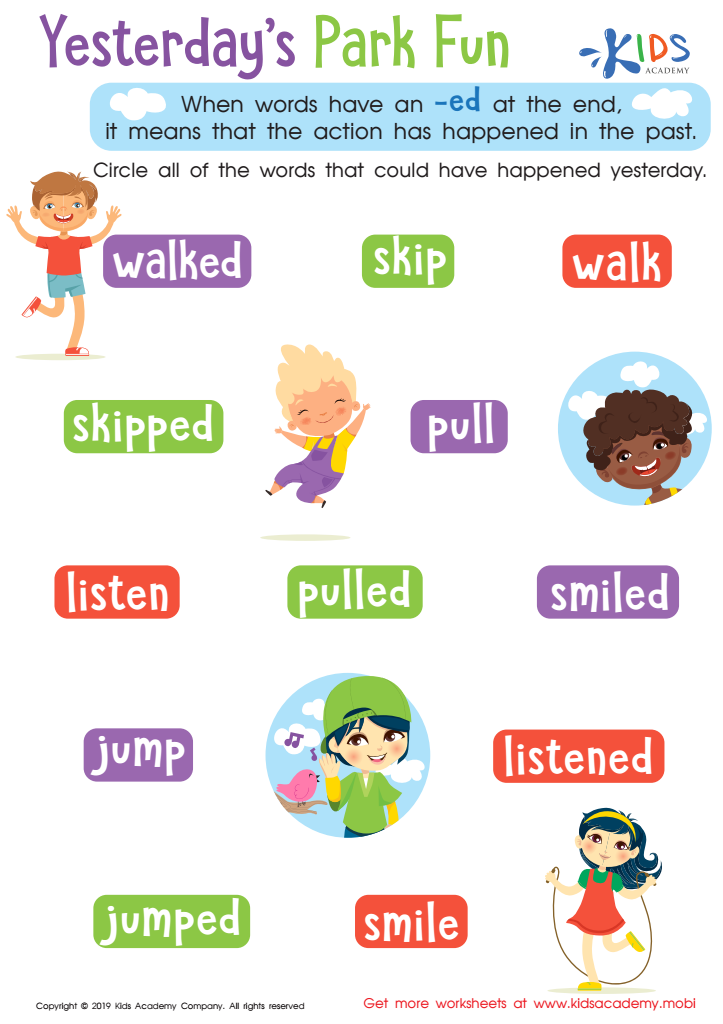
Yesterday's Park Fun Worksheet
 Assign to My Students











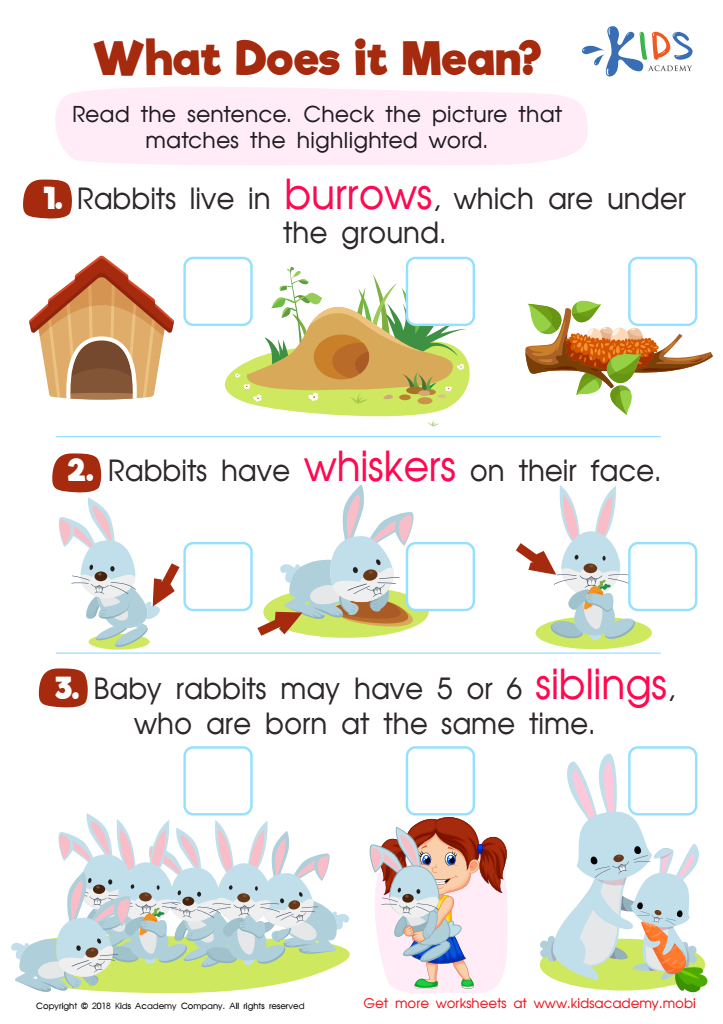
What Does It Mean? Worksheet
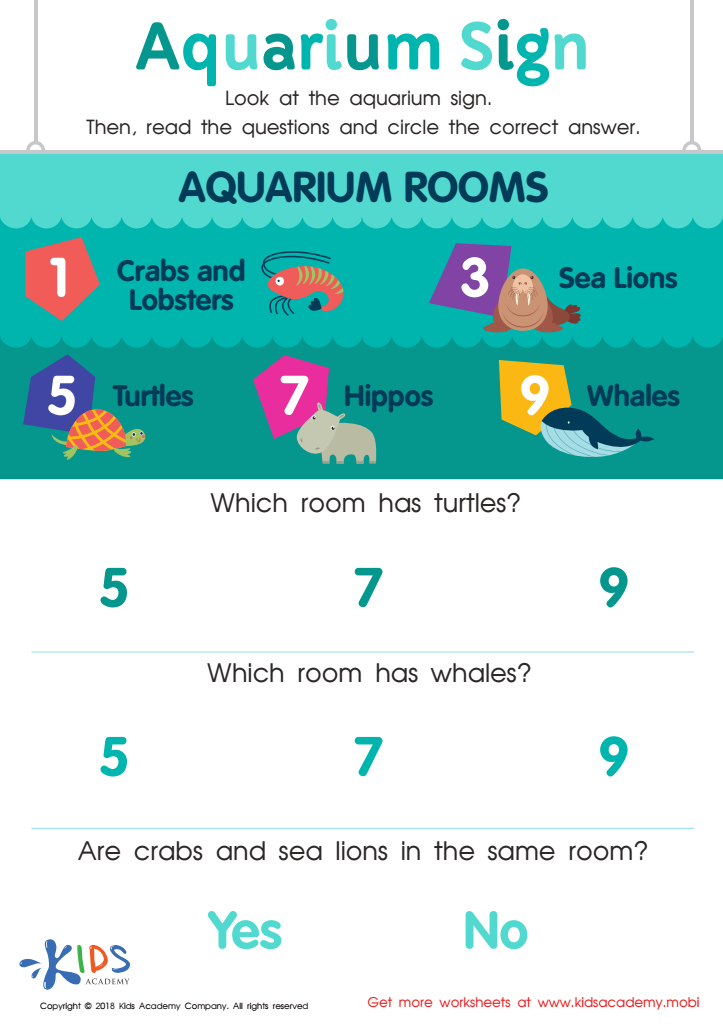
Assessment: Aquarium Sign Worksheet








Critical thinking and vocabulary development are essential components of early childhood education for children aged 3-8. Parents and teachers should prioritize these skills because they lay the foundation for a lifetime of learning and success. Critical thinking allows children to analyze, reason, and make informed decisions. By engaging in problem-solving activities, children learn to ask questions, think creatively, and understand cause-and-effect relationships.
Building vocabulary is equally important, as it enhances communication skills and comprehension. A rich vocabulary empowers children to express their thoughts clearly and understand the world around them. When children can articulate their ideas, they are more confident and willing to participate in discussions, which fosters social interaction and collaborative learning.
Moreover, developing these skills at a young age fosters a love for learning. Engaged in interesting conversations and challenging tasks, children become curious explorers and autonomous learners. This sets the stage for academic achievement in later years as they master concepts across subjects.
In addition, critical thinking and vocabulary building promote emotional intelligence by helping children articulate feelings and navigate relationships. By supporting these skills, parents and teachers shape well-rounded, capable individuals who can thrive both academically and socially.