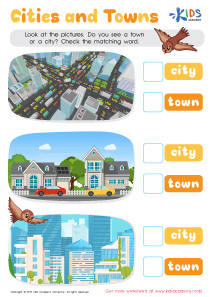
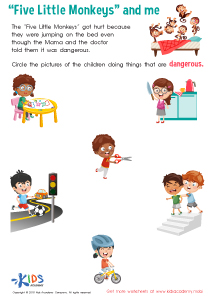
Logical Reasoning Easy Reading Comprehension Worksheets for Ages 3-8
3 filtered results
-
From - To
Enhance your child's logical reasoning skills with our Easy Reading Comprehension Worksheets designed for ages 3-8. These engaging resources foster critical thinking and boost understanding through age-appropriate, fun activities. Each worksheet combines captivating stories with logical questions, helping young learners practice comprehension and analytical abilities. Ideal for parents and educators, these worksheets are a great tool for building a strong foundation in reading skills. With vibrant illustrations and relatable scenarios, children will enjoy guided exploration while promoting essential cognitive growth. Perfect for home, classroom, or supplemental learning, our worksheets make mastering logical reasoning both exciting and rewarding!
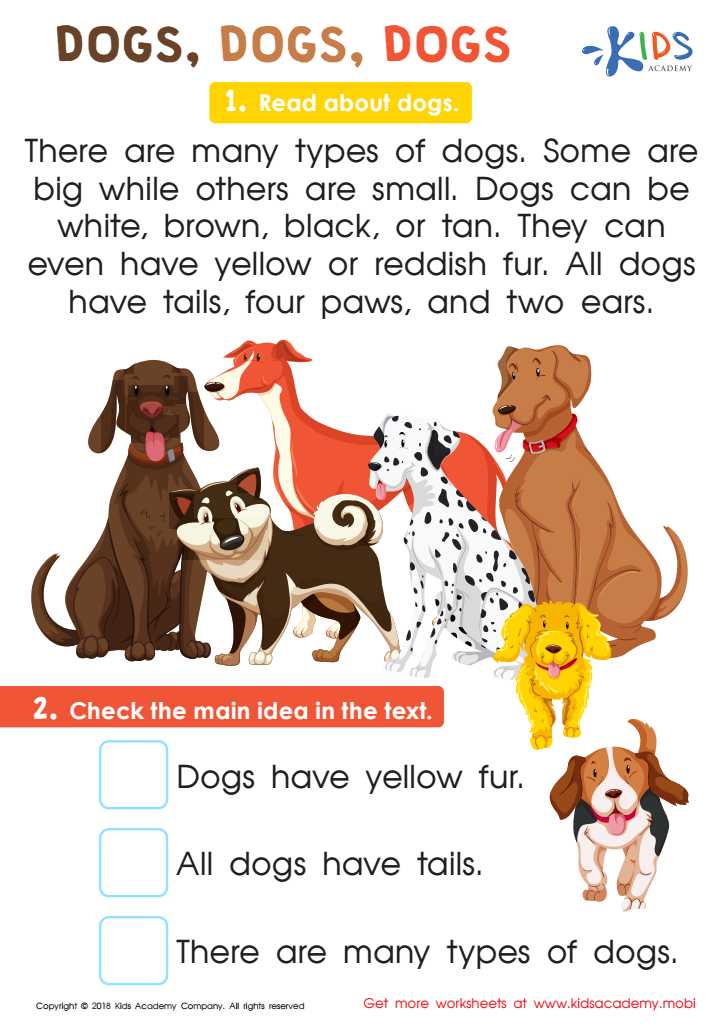
Dogs, Dogs Worksheet
 Assign to My Students
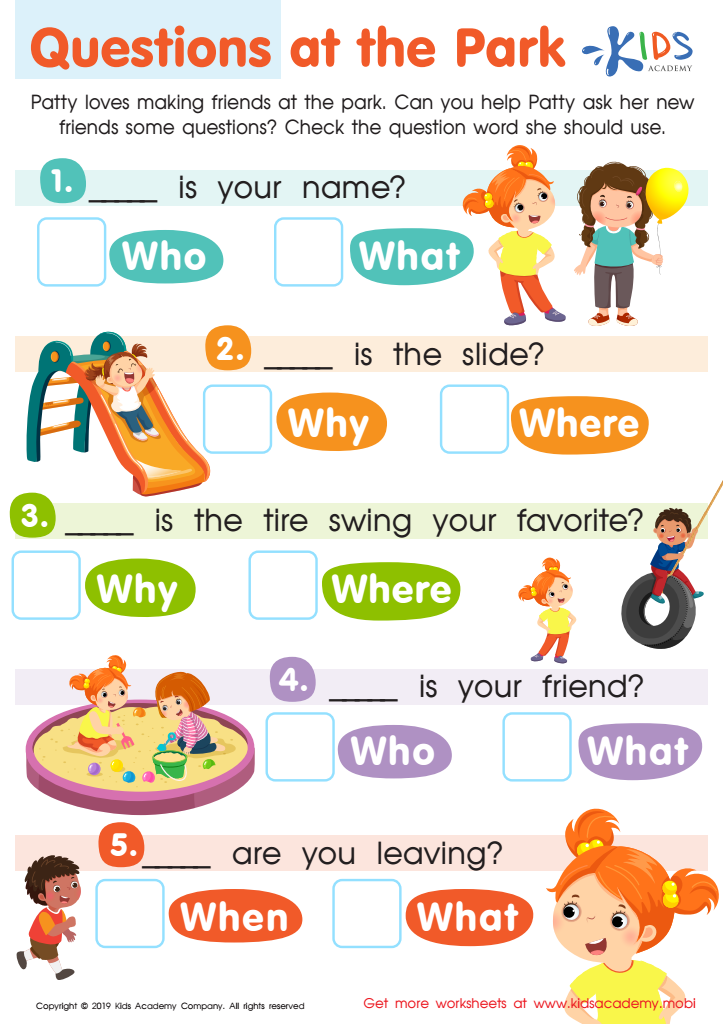
Questions at the Park Worksheet
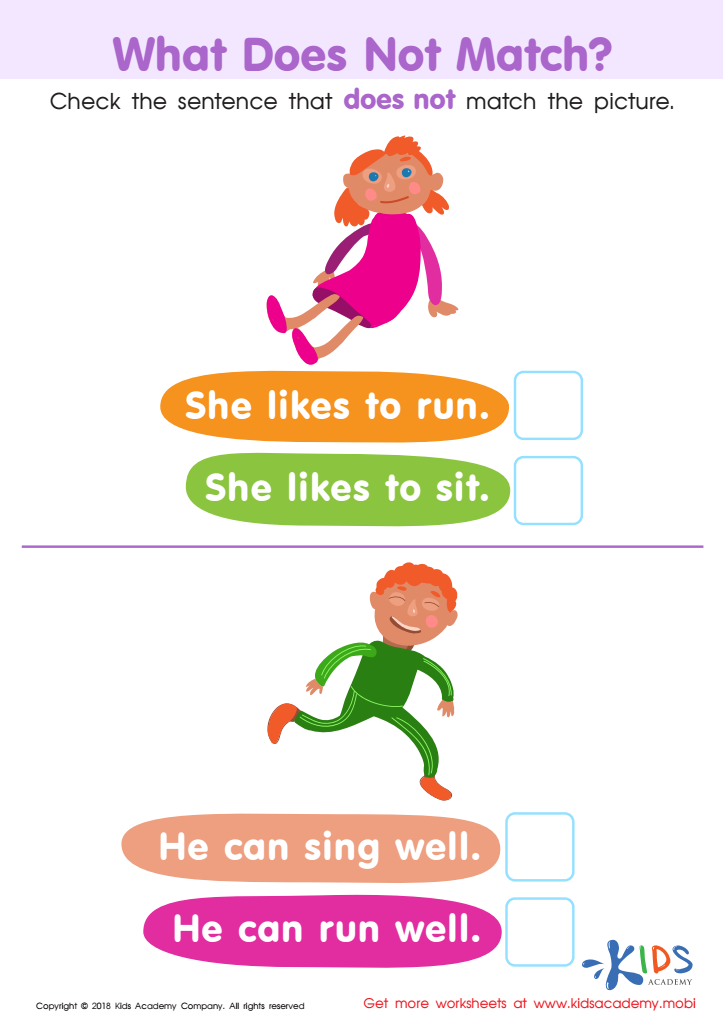
What Does Not Match? Worksheet







.jpg)
Parents and teachers should prioritize Logical Reasoning Easy Reading Comprehension for children ages 3-8 because it plays a crucial role in early cognitive development. During this formative period, children are not just learning to read but also constructing foundational skills that will serve them throughout their education and life. Engaging in logical reasoning helps children develop critical thinking, problem-solving skills, and the ability to make connections between concepts. This, in turn, enhances their comprehension abilities, as they begin to understand the "how" and "why" behind narratives.
Additionally, stories that incorporate logical reasoning can stimulate curiosity and encourage a love for reading. Children are more likely to engage with texts when they can relate to the content and find pleasure in deciphering the narratives. By strengthening their reading comprehension skills early on, they gain the confidence to tackle more complex texts as they grow older.
Moreover, fostering these skills prepares children for school challenges, promotes better academic performance, and contributes to lifelong learning. Ultimately, Logical Reasoning Easy Reading Comprehension equips young learners with the tools they need to navigate an increasingly complex world, making it essential for parents and teachers to integrate it into early education.