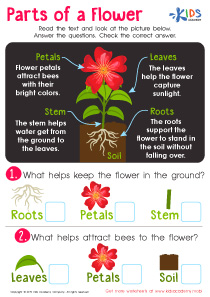
Story sequencing Easy Reading Fiction Worksheets for Ages 3-8
3 filtered results
-
From - To
Unlock your child's imagination with our "Story Sequencing Easy Reading Fiction Worksheets" designed for ages 3-8! These engaging worksheets help young learners develop critical comprehension and storytelling skills through fun, interactive activities. Each printable resource encourages children to arrange stories in the correct order, enhancing their understanding of narrative structure. Perfect for home or classroom use, these worksheets promote cognitive development while making reading enjoyable. Immerse your little ones in colorful illustrations and relatable characters as they practice their sequencing skills. Inspire a lifelong love for reading with our easy-to-use resources that cater to early learners’ needs!
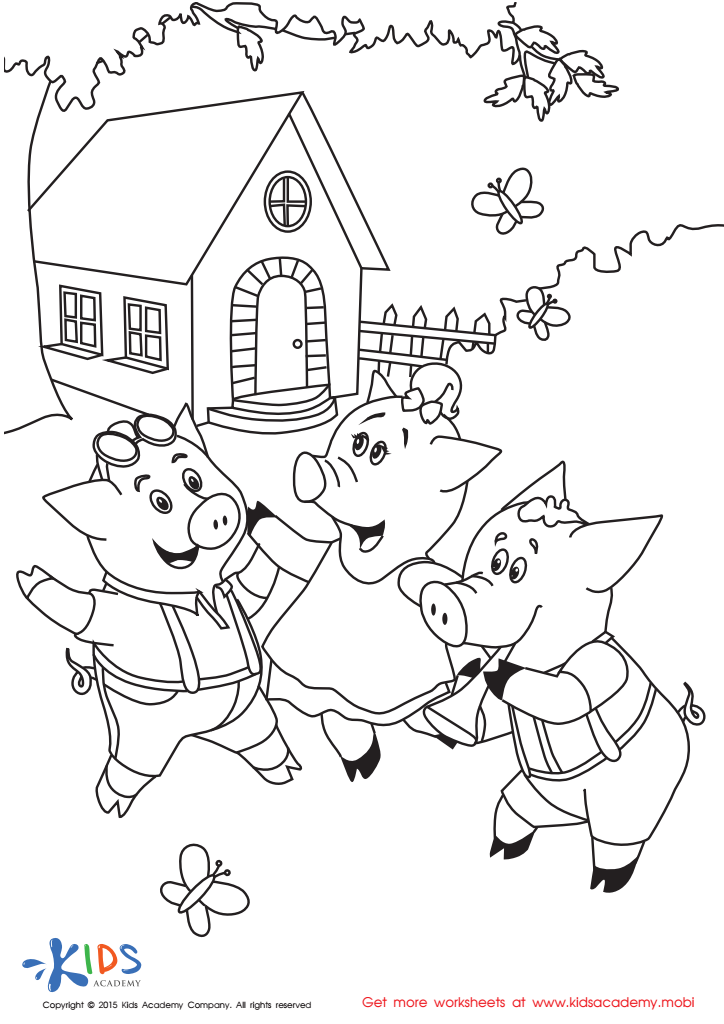
Folktales Printable PDF Worksheet: The 3 Little Pigs
 Assign to My Students
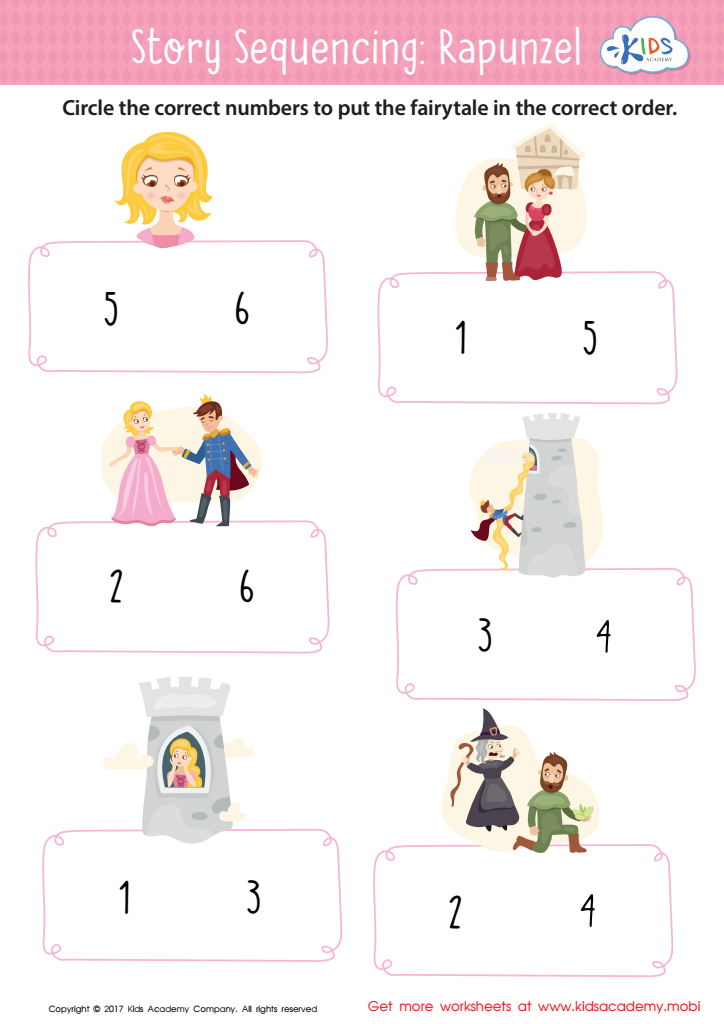
Rapunzel Story Sequencing Worksheet
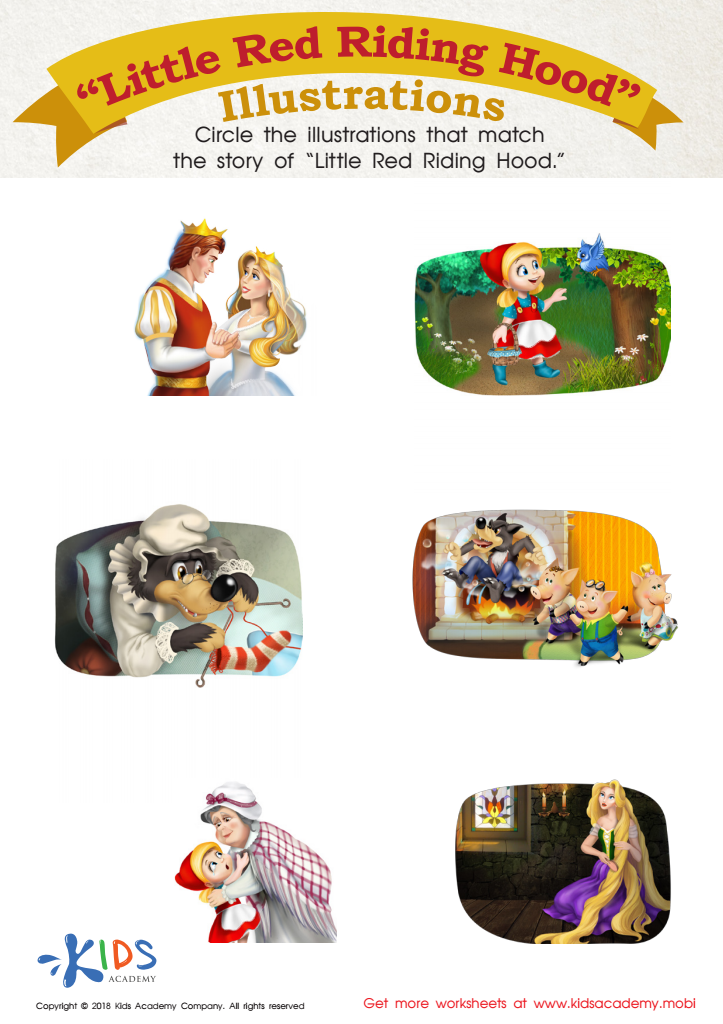
Little Red Riding Hood: Illustrations Worksheet







Story sequencing in early reading fiction is crucial for young learners aged 3-8 as it enhances their cognitive and language skills while nurturing a love for reading. When children engage with sequenced stories, they learn to understand narrative structure, which includes beginning, middle, and end. This structure helps them comprehend plots and character development, enabling them to predict outcomes and infer meanings, skills vital for critical thinking.
Moreover, story sequencing supports vocabulary development. As children retell stories or arrange events in order, they practice using language contextually, which reinforces their understanding of new words and phrases. This interactive process also fosters better communication skills.
For parents and teachers, promoting story sequencing can be a delightful way to bond with children through shared reading experiences, allowing them to explore stories together while encouraging discussions about the narrative. Engaging with easy reading fiction equips children with essential skills they need for future academic success and instills confidence as they begin to read independently. Ultimately, caring about story sequencing lays a robust foundation for lifelong literacy experiences, imagination, and emotional intelligence, making it a vital component of early education.