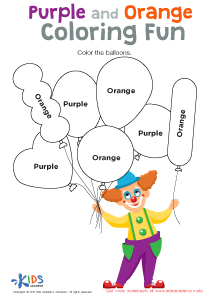
Alphabet Recognition Easy English for Beginners Worksheets for Ages 3-9
6 filtered results
-
From - To
Unlock the joy of learning with our "Alphabet Recognition Easy English for Beginners Worksheets" designed specifically for ages 3-9! Perfect for young learners and ESL students, these engaging worksheets help children master letter recognition and enhance their foundational reading skills. Our fun and interactive activities include identifying uppercase and lowercase letters, matching letters with images, and tracing exercises to reinforce learning. Each worksheet is crafted to make alphabet learning enjoyable and effective, providing a solid groundwork in English. Ideal for both classroom and home use, these resources encourage curiosity, creativity, and a love for language in your little ones!
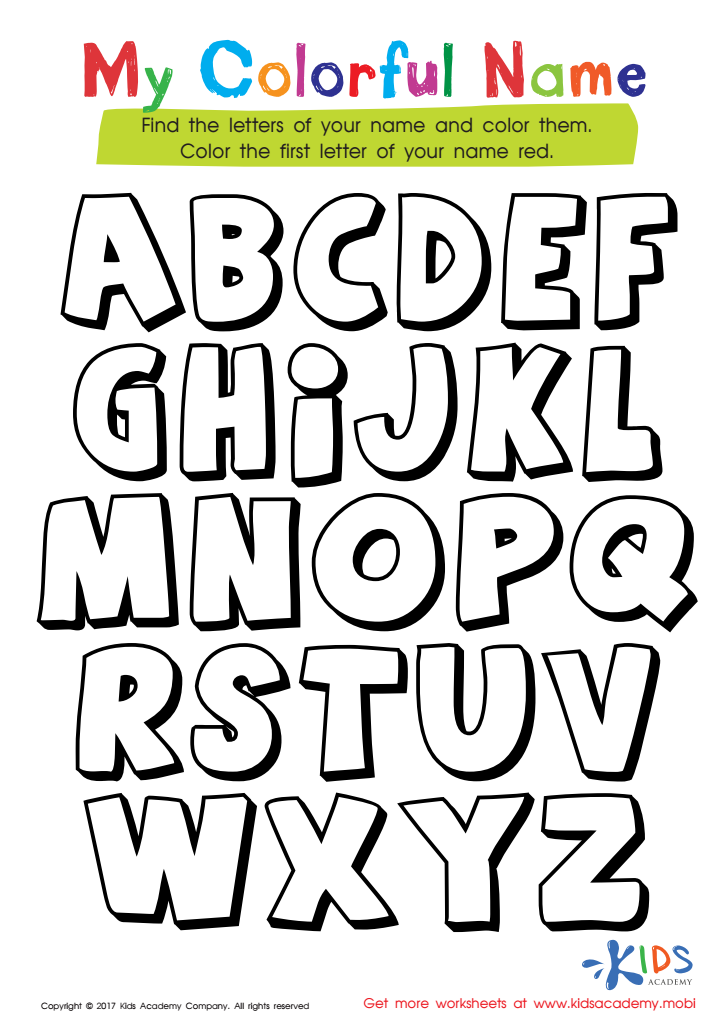
My Colorful Name Worksheet
 Assign to My Students
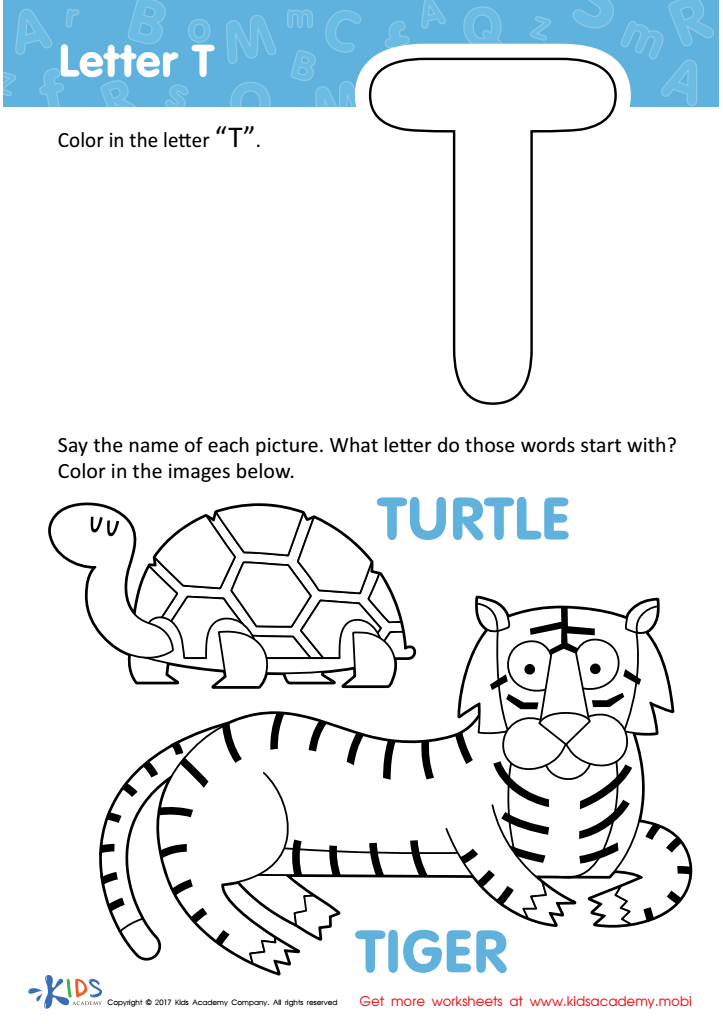
Letter T Coloring Sheet
Assign to My Students
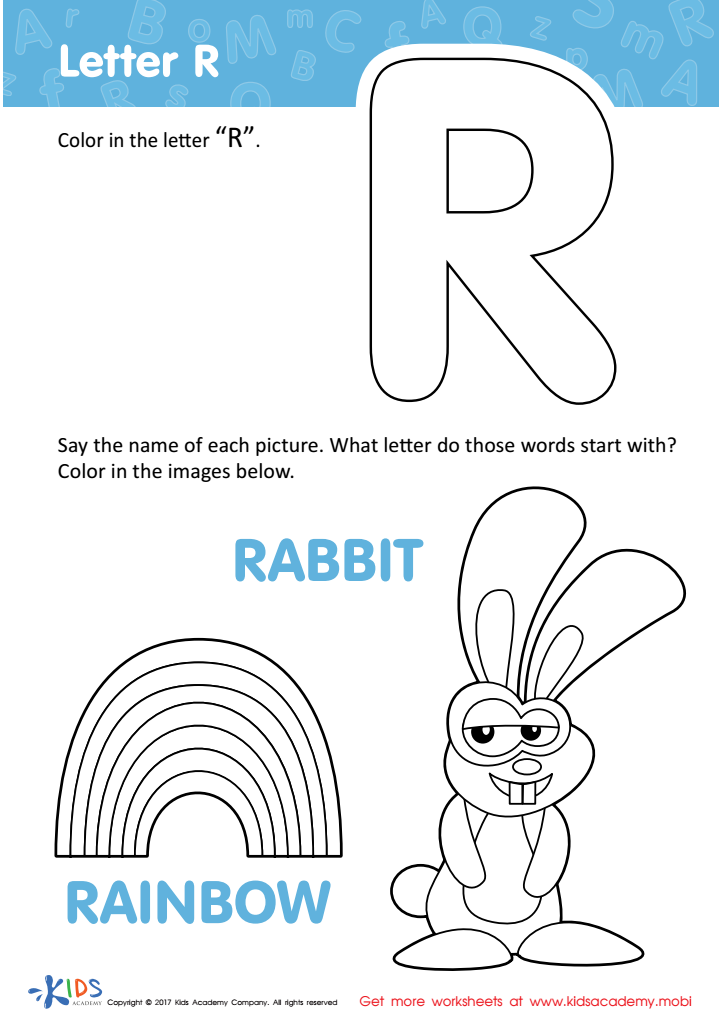
Letter R Coloring Sheet
Assign to My Students
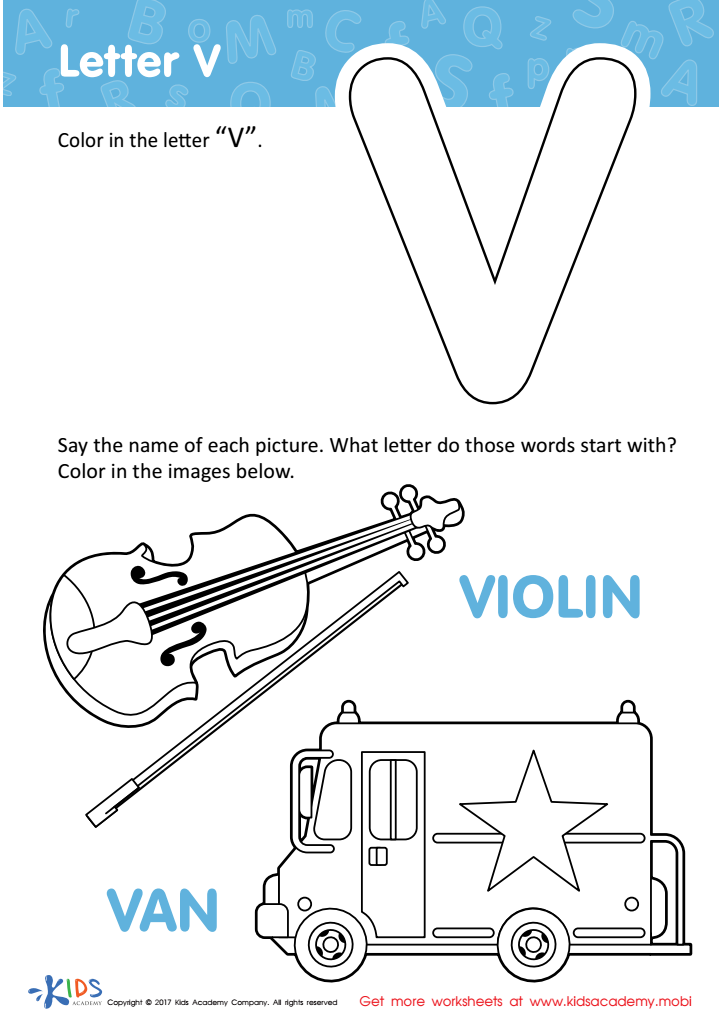
Letter V Coloring Sheet
Assign to My Students
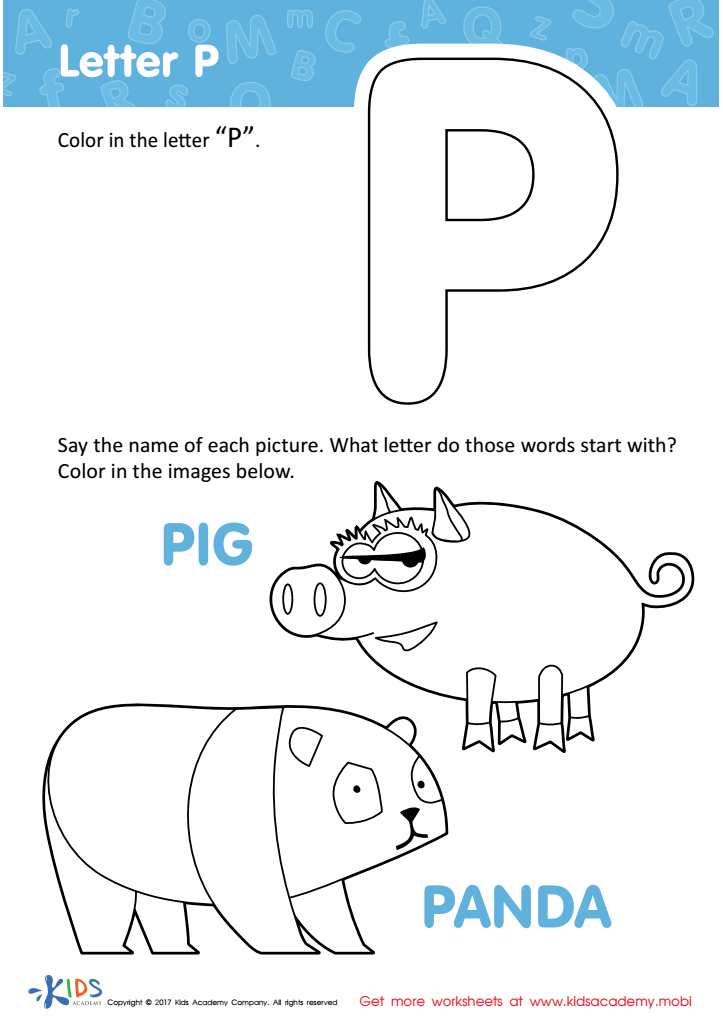
Letter P Coloring Sheet
Assign to My Students
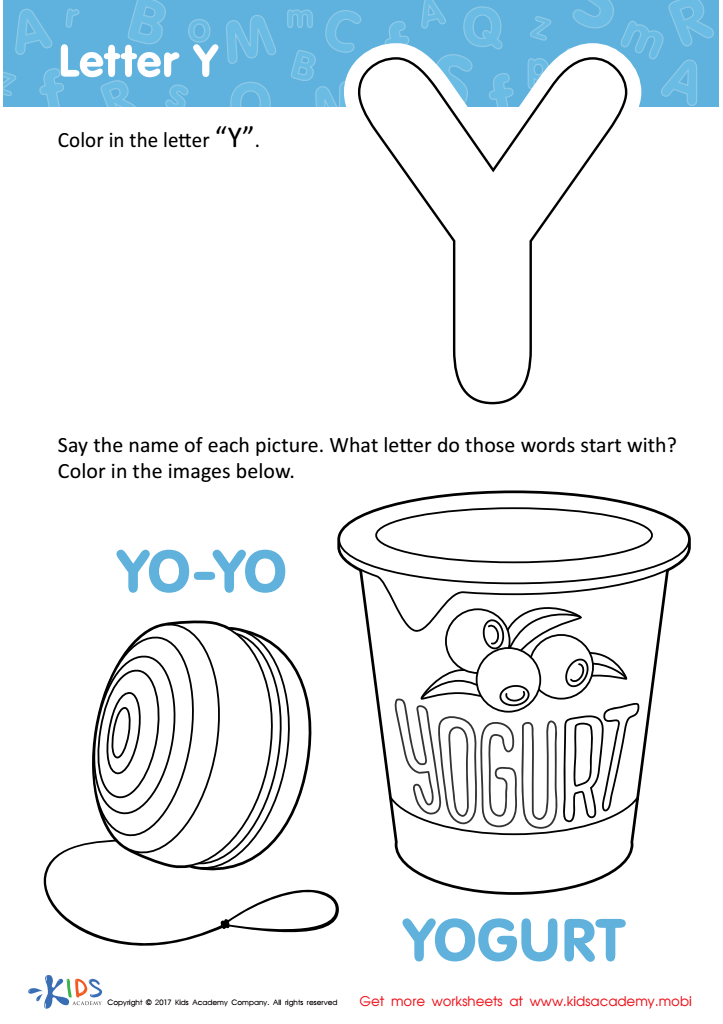
Letter Y Coloring Sheet
Assign to My Students




Alphabet recognition is a fundamental building block in early literacy that sets the stage for a child’s success in reading and writing. For children aged 3-9, understanding the alphabet helps them develop crucial language skills necessary for effective communication. Parents and teachers should prioritize alphabet recognition for several key reasons.
Firstly, early exposure to letters fosters phonemic awareness, helping kids understand the sounds associated with each letter. This is essential for learning to read, as it allows children to decode words confidently. Secondly, mastering the alphabet aids in vocabulary development, as children begin recognizing and spelling their names or simple words, enhancing their overall literacy skills.
Additionally, engaging children with activities centered around the alphabet can cultivate a love for learning. Bright, interactive materials capture their interest and inspire them to explore language creatively. This not only makes learning enjoyable but also promotes cognitive and social skills through group activities.
Ultimately, prioritizing alphabet recognition in early education equips children with the necessary tools to navigate future academic challenges, instilling a growth mindset and a lifelong passion for learning. Therefore, parents and teachers should see alphabet recognition as a critical building block for educational success and holistic development.