Color recognition Easy Worksheets for Ages 3-9 - Page 2
38 filtered results
-
From - To
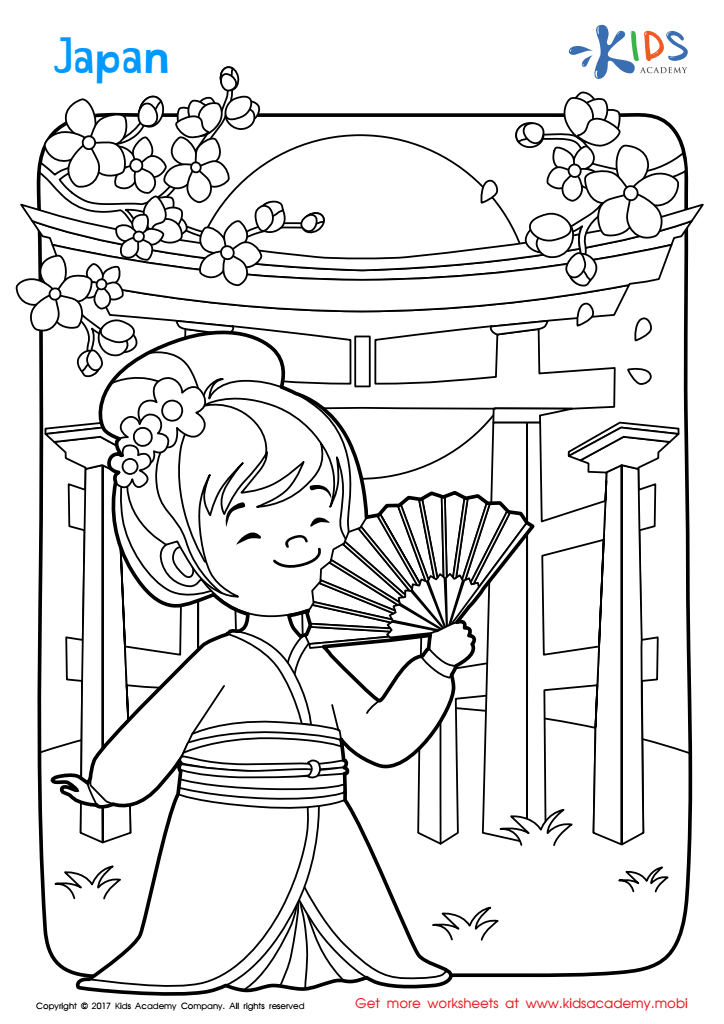
Japan Printable
 Assign to My Students

Deer Tracing Winter Words Worksheet
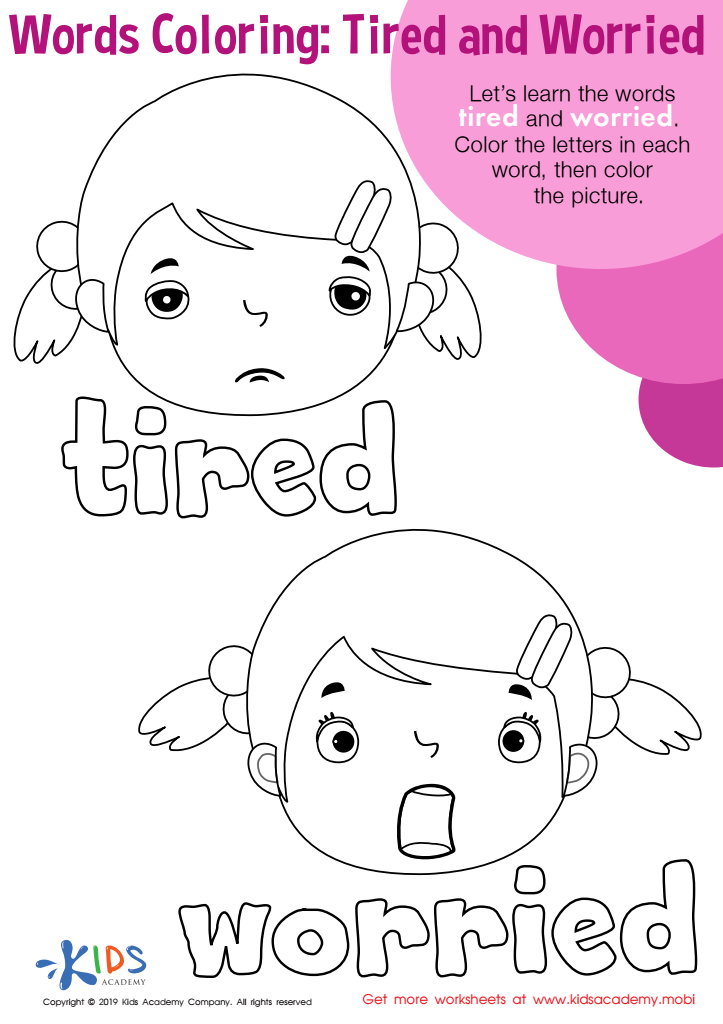
Tired and Worried Words Coloring Worksheet
Assign to My Students
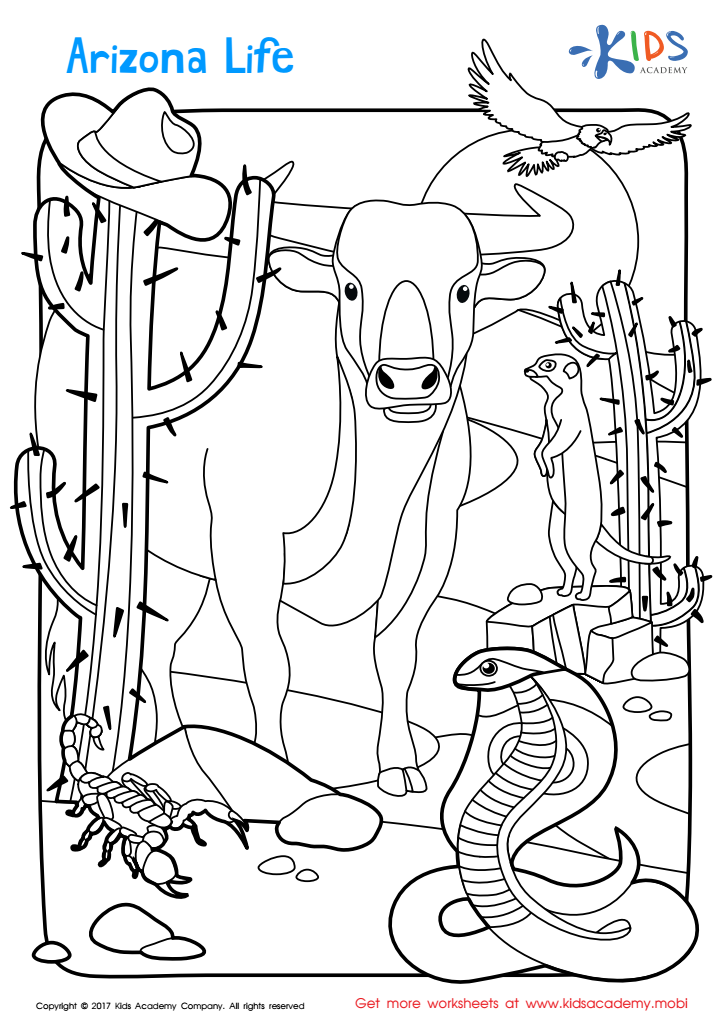
Arizona Coloring Page Worksheet
Assign to My Students
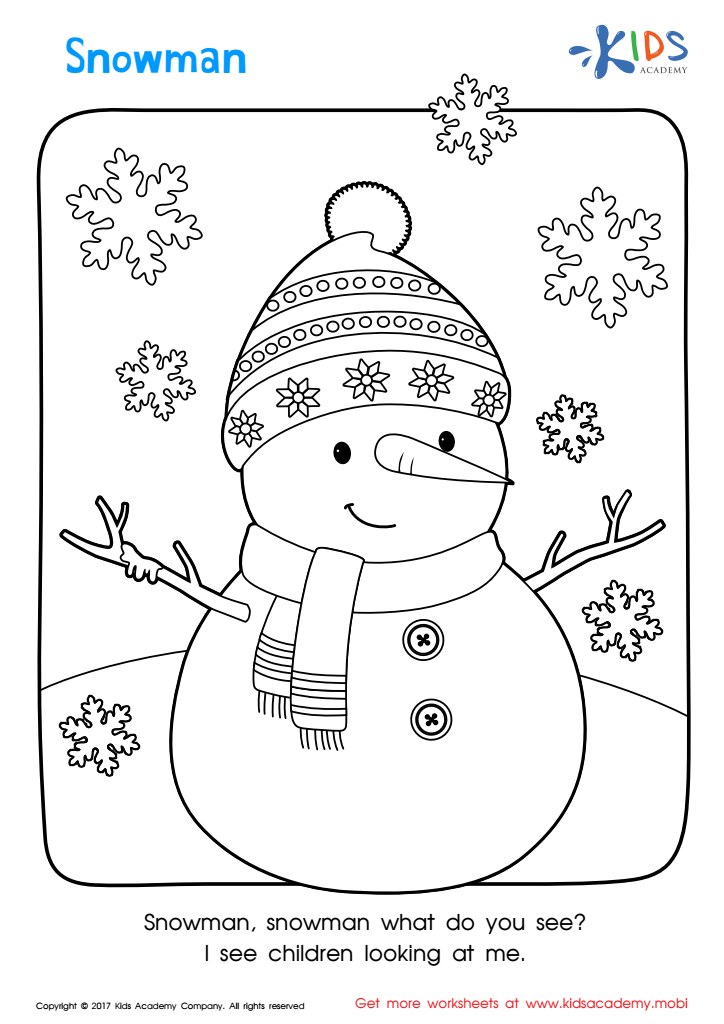
Christmas: Snowman Printable
Assign to My Students
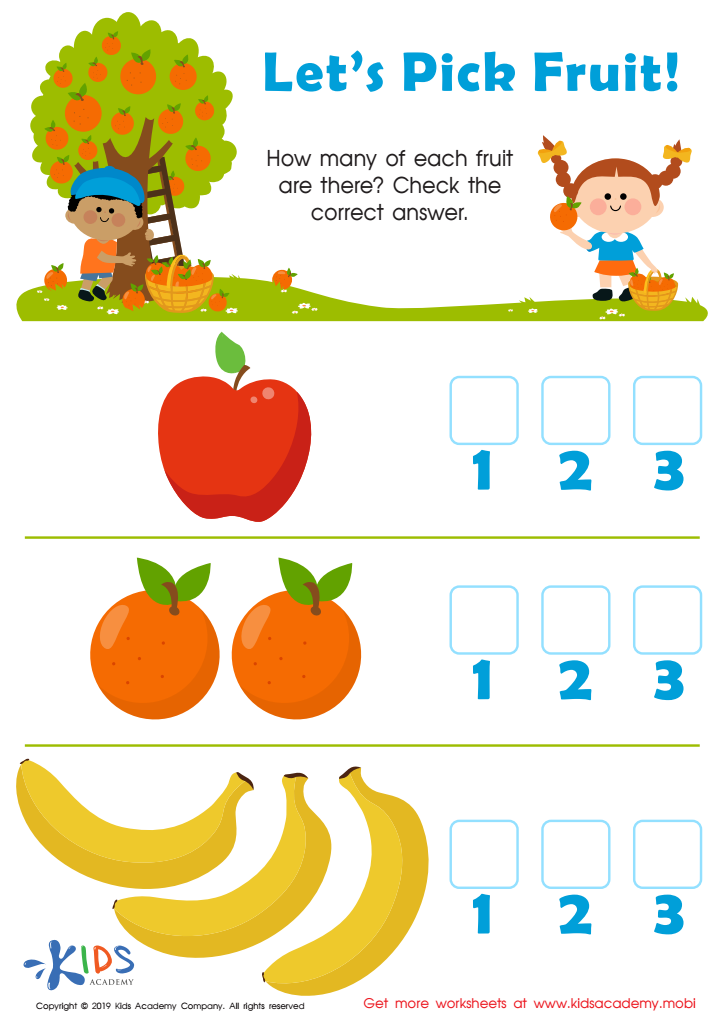
Let's Pick Fruit Worksheet
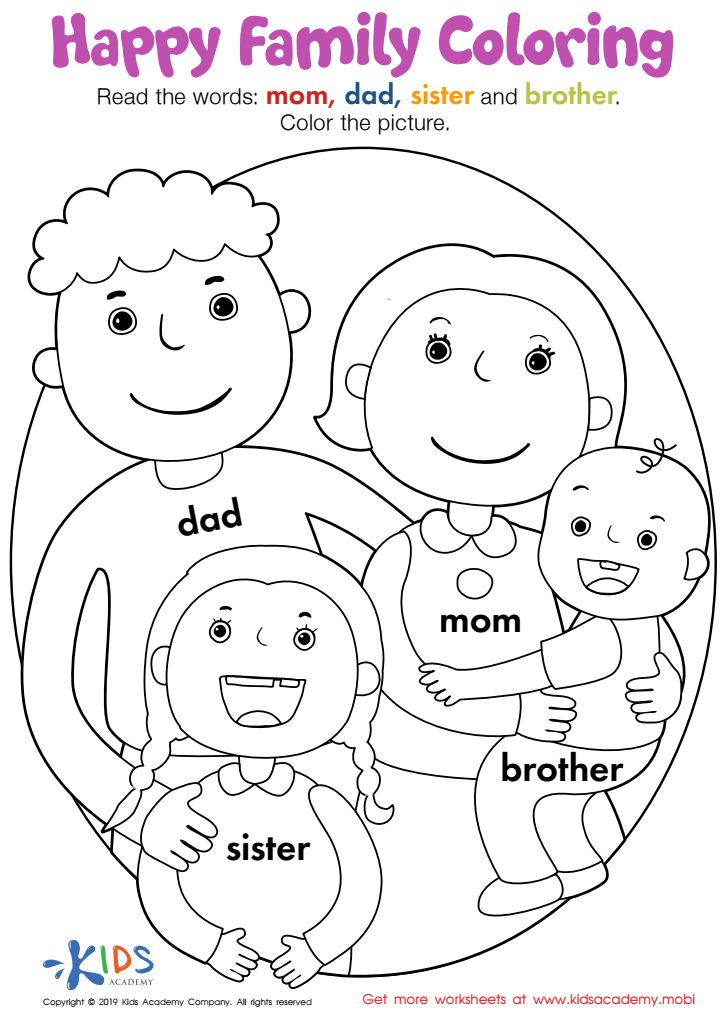
Happy Family Coloring Worksheet
Assign to My Students

Globe Coloring Page Worksheet
Assign to My Students
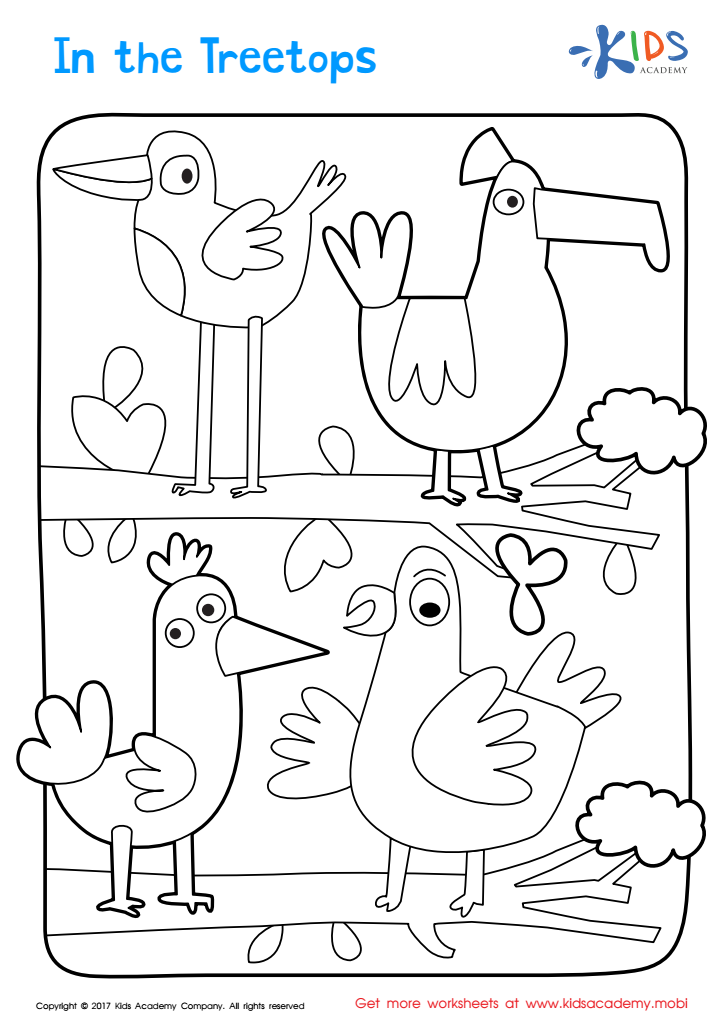
In the Treetops Coloring Page
Assign to My Students
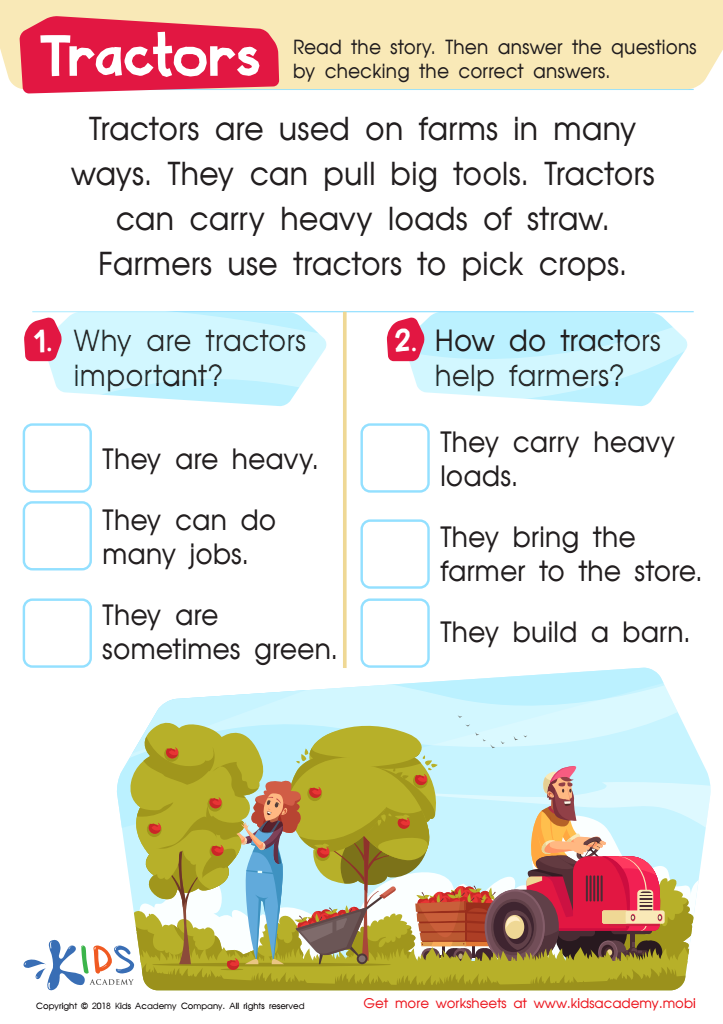
Tractors Worksheet
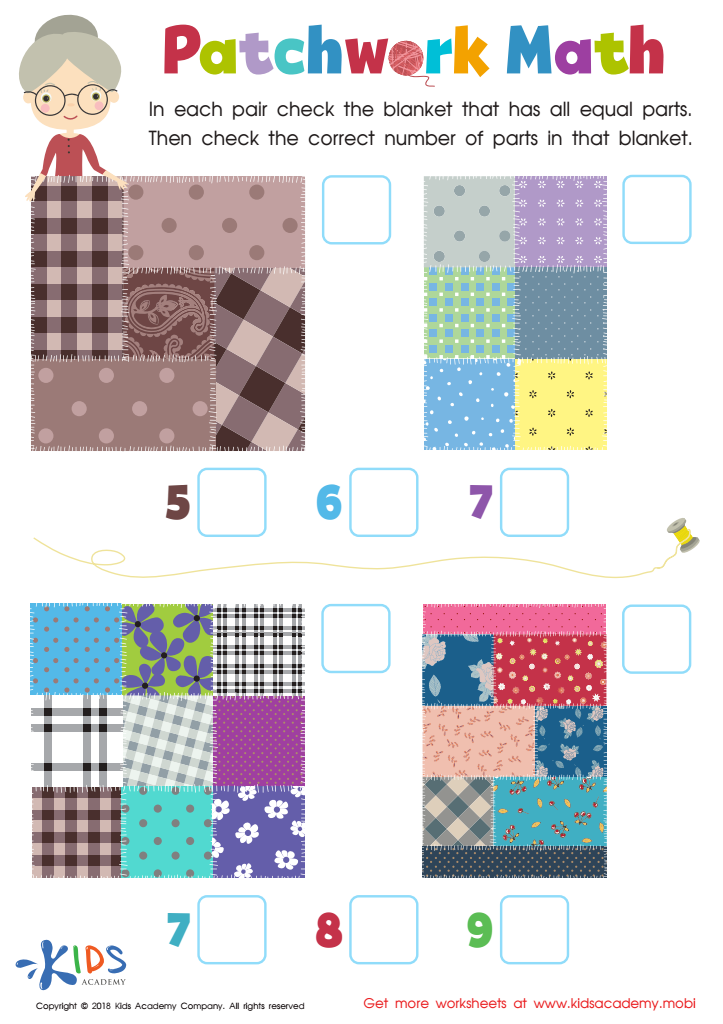
Patchwork Math Worksheet
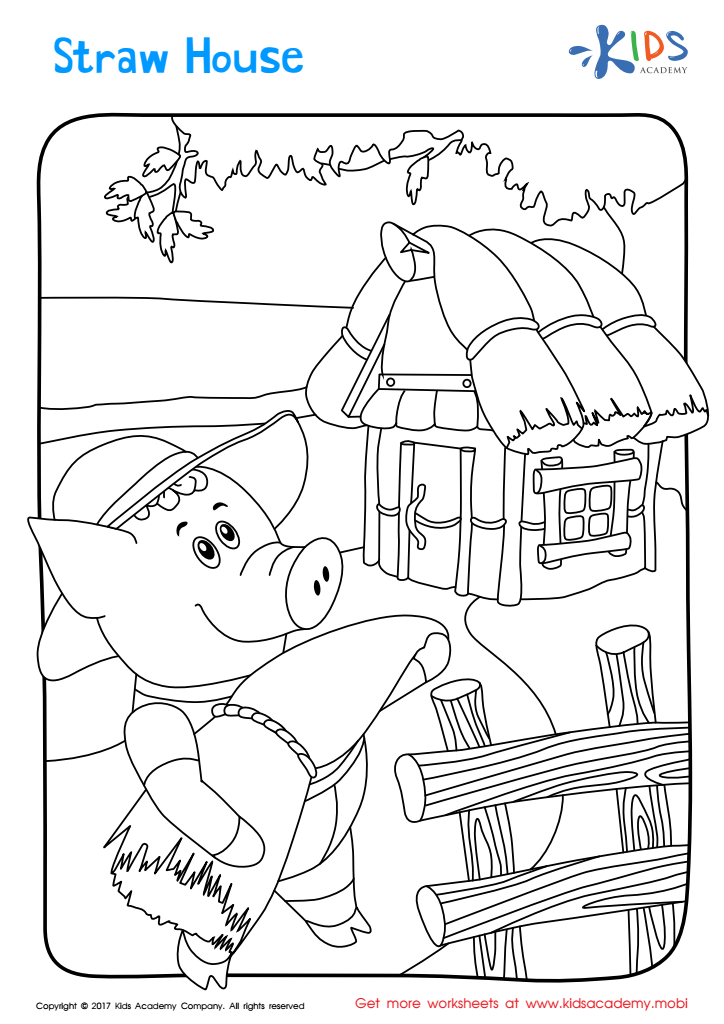
Straw House Printable Coloring Page
Assign to My Students
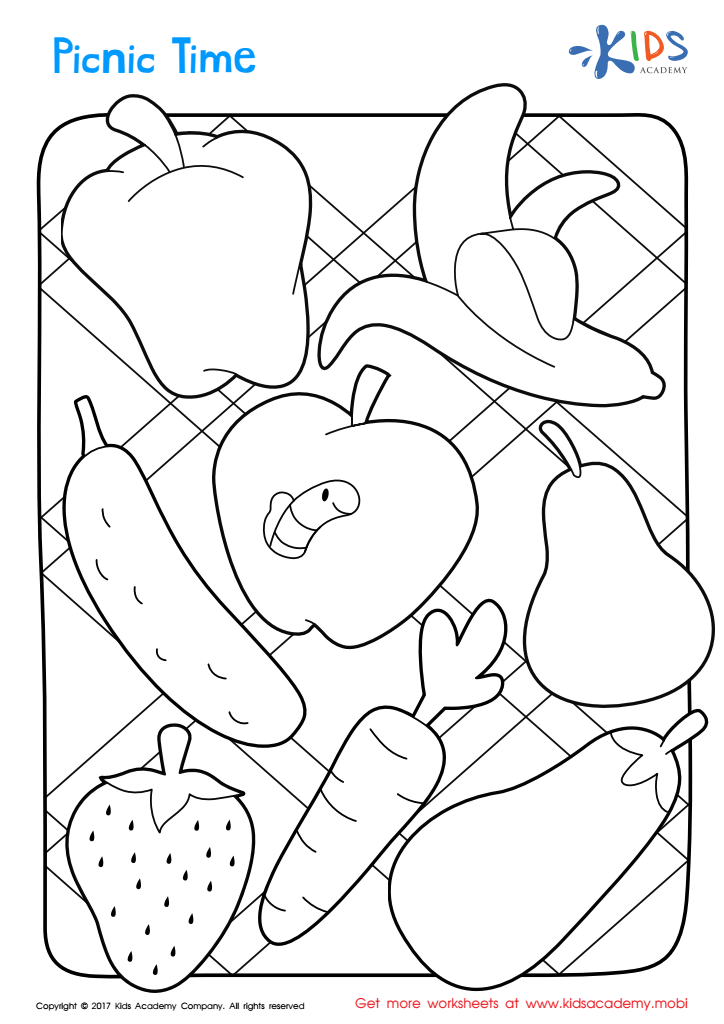
Picnic Time Coloring Page
Assign to My Students








Color recognition is a fundamental skill for children aged 3-9 and plays a crucial role in their development. First, understanding colors enhances cognitive development; it fosters critical thinking and problem-solving skills as children learn to categorize and differentiate between objects. Recognizing colors also boosts language skills since children begin to associate color names with items in their environment, enhancing their vocabulary.
Moreover, color recognition is essential for activities in art, math, and science. It helps children express creativity in art, aids in understanding patterns in math, and allows for observation in scientific exploration. Additionally, color can significantly impact emotional well-being; certain colors are linked with different feelings, helping children explore and communicate their emotions.
For parents and teachers, promoting color awareness allows for engaging and interactive learning opportunities; simple games, storybooks, and art projects can all reinforce this concept effectively. Early mastery of colors can build a foundation for more complex learning later on and makes everyday experiences richer as children make connections between colors, objects, and emotions around them. By nurturing color recognition, adults are laying the groundwork for diverse learning and supporting overall development in children's early years.








