Critical thinking skills Easy Worksheets for Ages 3-9
8 filtered results
-
From - To
Looking to nurture your child’s critical thinking skills? Kids Academy offers an extensive collection of easy worksheets tailored for ages 3-9, designed to stimulate young minds. These engaging activities focus on problem-solving, logical reasoning, and decision-making. Each worksheet ensures that learning is enjoyable and developmentally appropriate. With vibrant visuals and age-appropriate challenges, children are motivated to analyze, infer, and think independently. Parents and educators can effortlessly download and print these resources, providing valuable support in cultivating essential cognitive skills from the comfort of home. Ignite your child's potential and prepare them for future academic success with our user-friendly worksheets.

Find the Setting Worksheet
 Assign to My Students
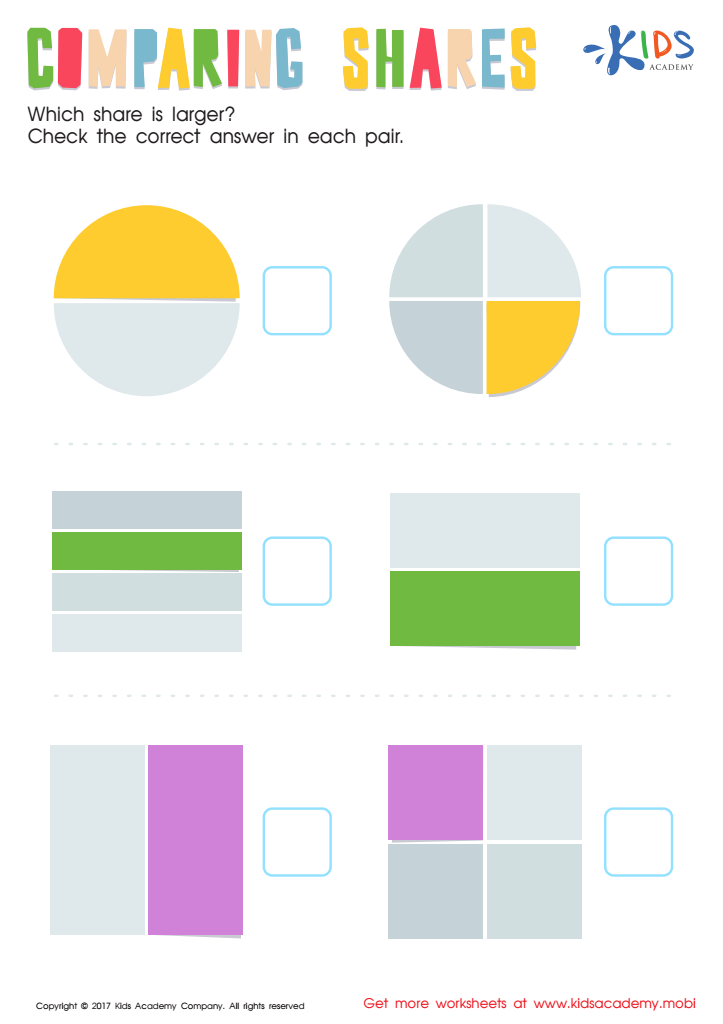
Comparing Shares Worksheet
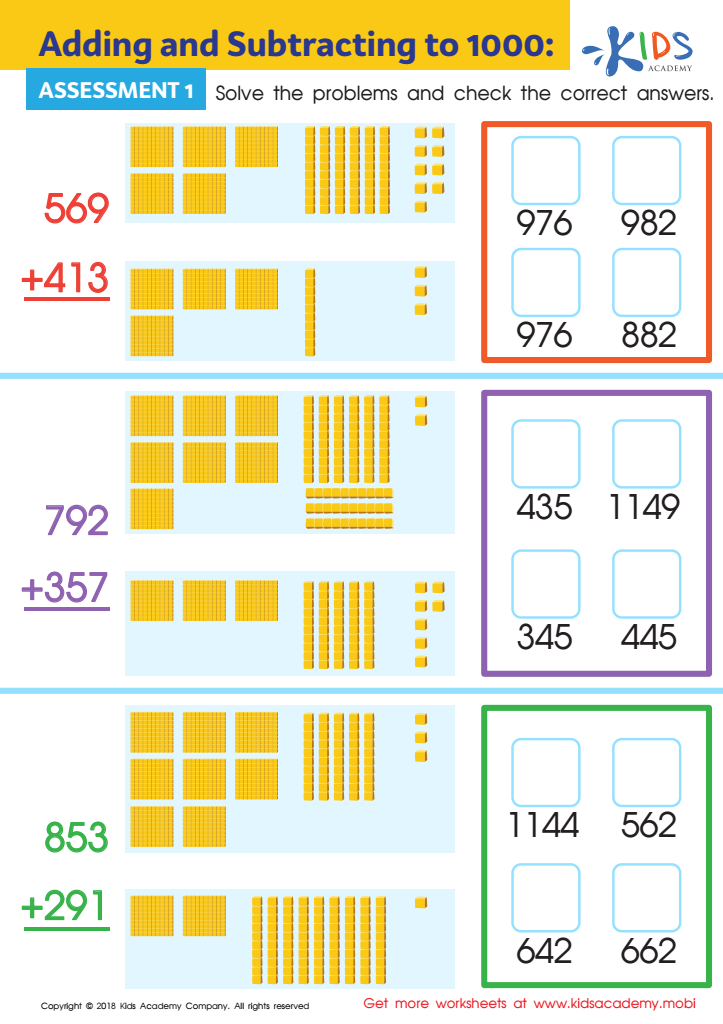
Adding and Subtracting to 1 Worksheet: Assessment 1

Chinese Zodiac Printable

Traditions We Have Worksheet

3 Little Pigs Step Up Worksheet
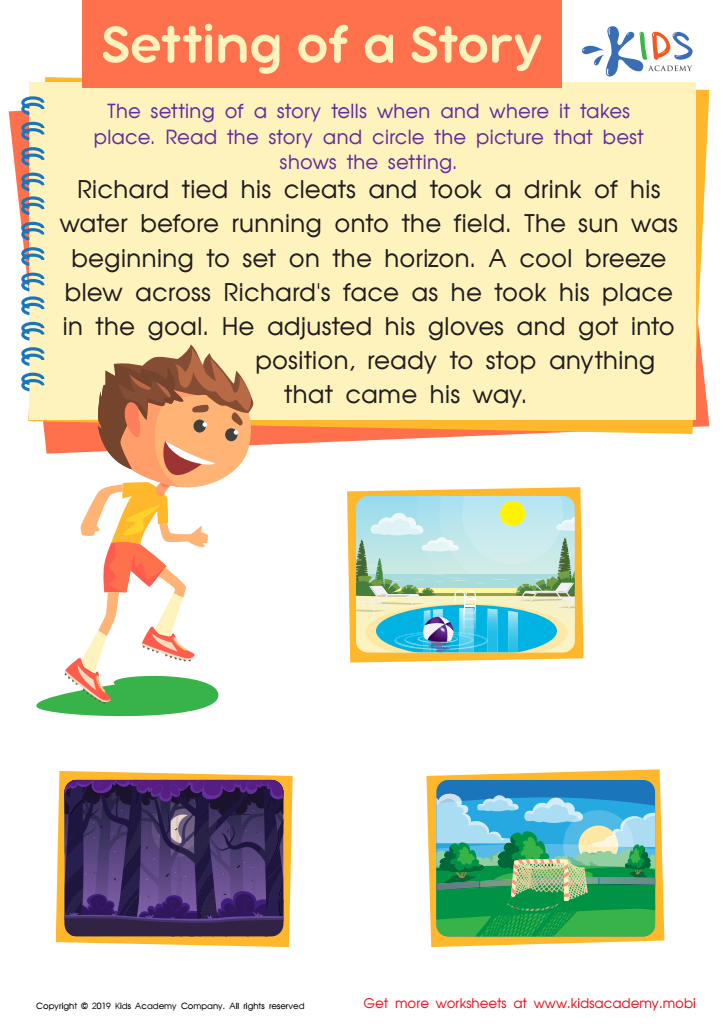
Setting of a Story Worksheet
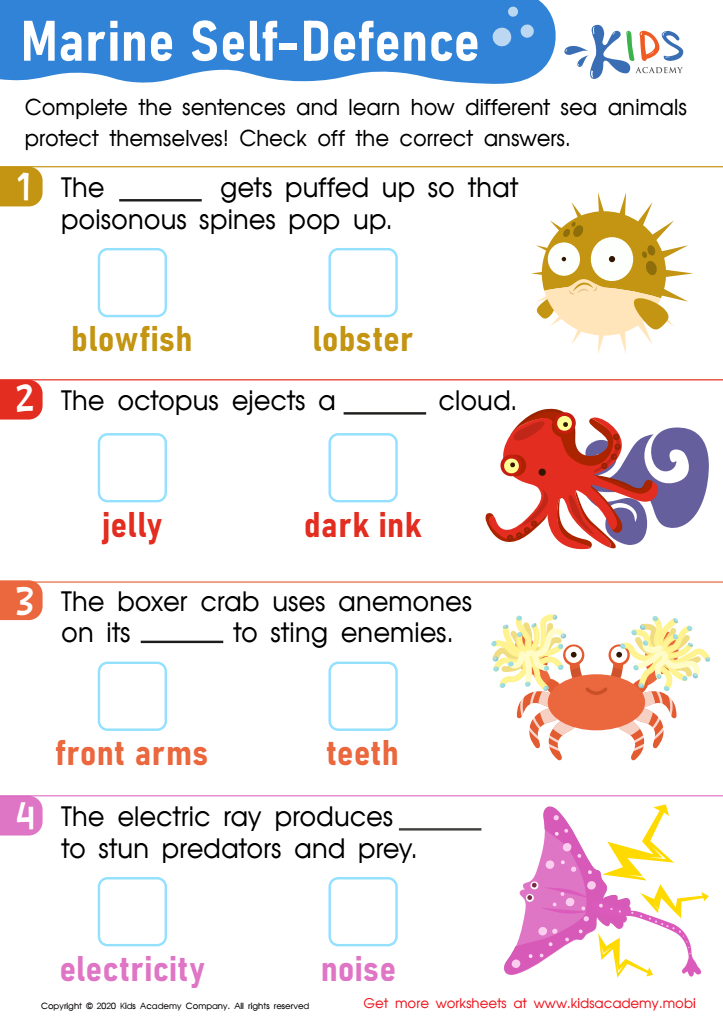
Marine Self-Defence Worksheet








Critical thinking skills are essential for young children aged 3-9 because they lay the groundwork for lifelong learning and problem-solving abilities. During these formative years, children's brains are highly receptive to new information and ways of thinking. By encouraging critical thinking, parents and teachers help kids develop the ability to analyze, question, and understand the world around them.
For instance, when children are taught to think critically, they learn to make connections between ideas, understand cause and effect, and evaluate information critically. These skills are not only crucial for academic success but also for daily life. They enable children to make informed decisions, solve problems effectively, and navigate social interactions with greater empathy and understanding.
Additionally, fostering critical thinking from a young age builds confidence in children. When they are encouraged to ask questions and explore solutions, they feel more in control of their learning process. This autonomy fuels curiosity, boosting their motivation to learn and explore further.
Furthermore, in today’s information-rich world, being able to sift through vast amounts of data is invaluable. Early critical thinking helps children discern credible sources, recognize biases, and form well-rounded views. Thus, investing in the development of these skills from an early age equips children with the tools needed for future success in a complex, rapidly changing world.








