Number Recognition Easy Addition Worksheets for Ages 3-9
17 filtered results
-
From - To
Discover our engaging Number Recognition Easy Addition Worksheets designed for children aged 3-9! These fun and interactive worksheets help young learners master number recognition while building essential addition skills. Tailored to enhance early math understanding, our resources combine colorful visuals and creative activities that promote active learning. Each worksheet offers a variety of exercises, perfect for home or classroom use, encouraging children to practice recognizing numbers and performing simple addition problems. Foster a love for math and watch your child thrive with our expertly crafted worksheets. Begin their mathematical journey today and set the foundation for future academic success!
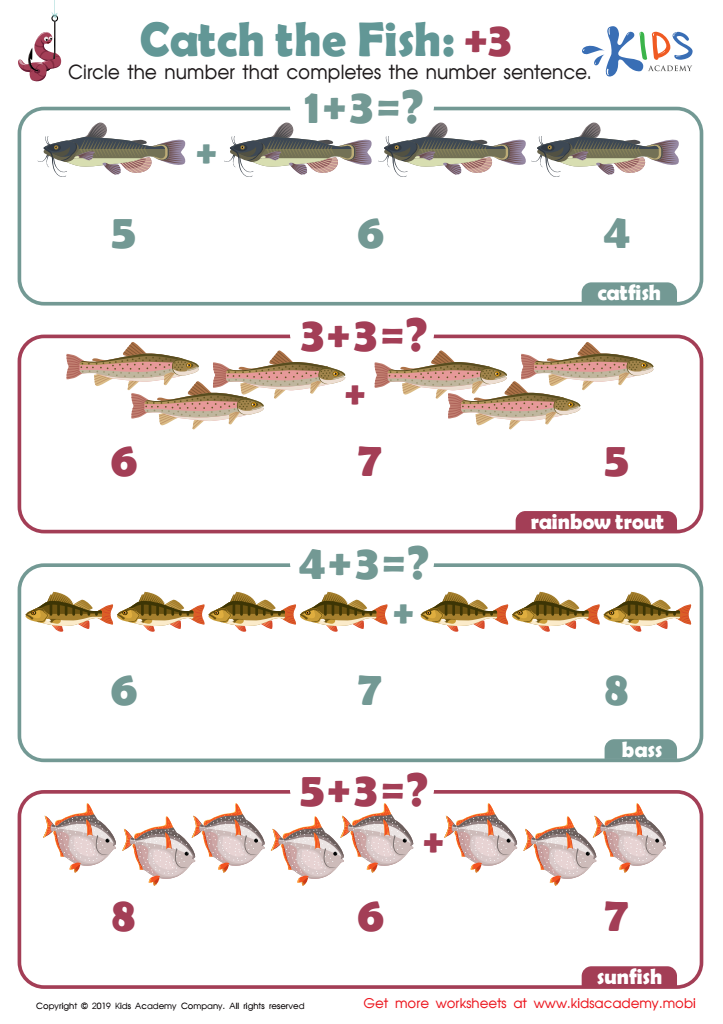
Catch the Fish: +3 Worksheet
 Assign to My Students
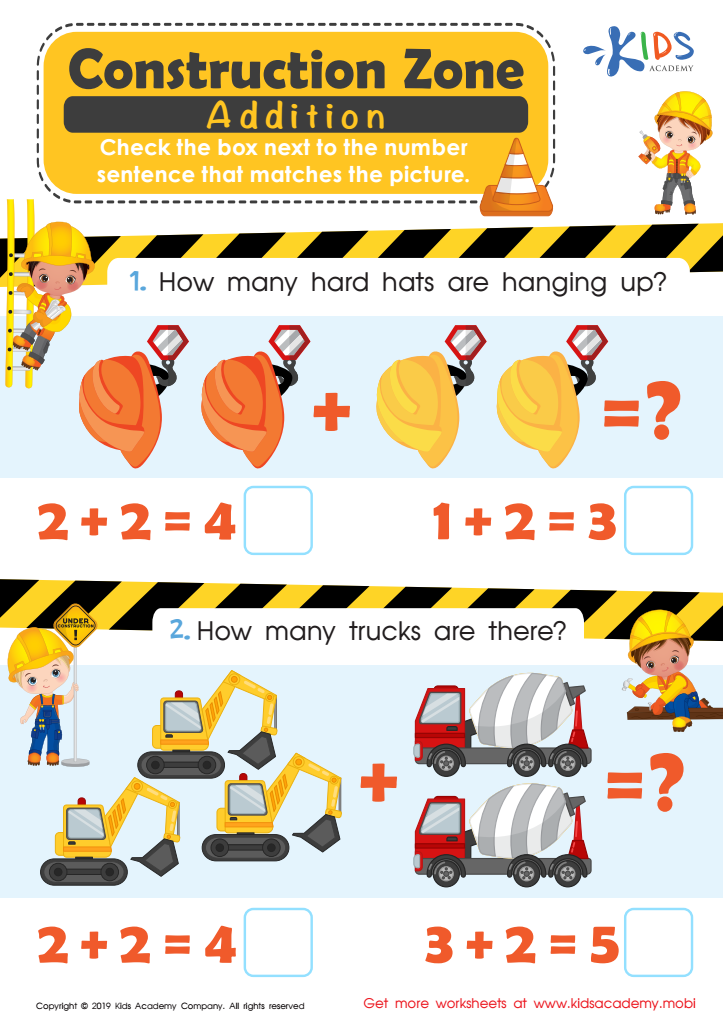
Construction Zone Addition Worksheet
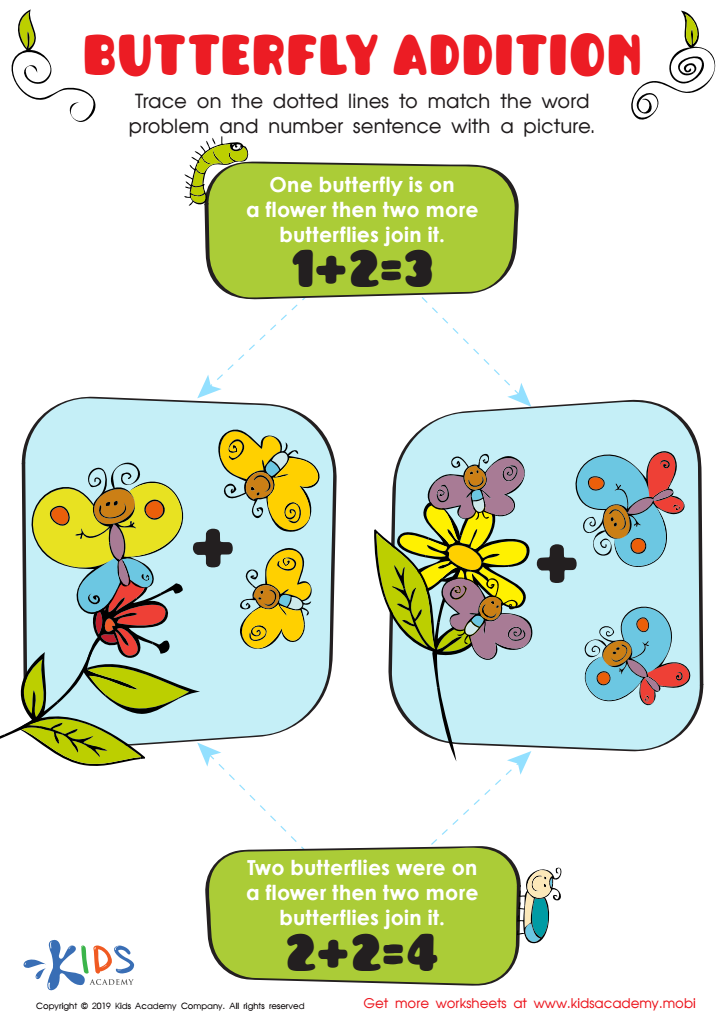
Butterfly Addition Worksheet
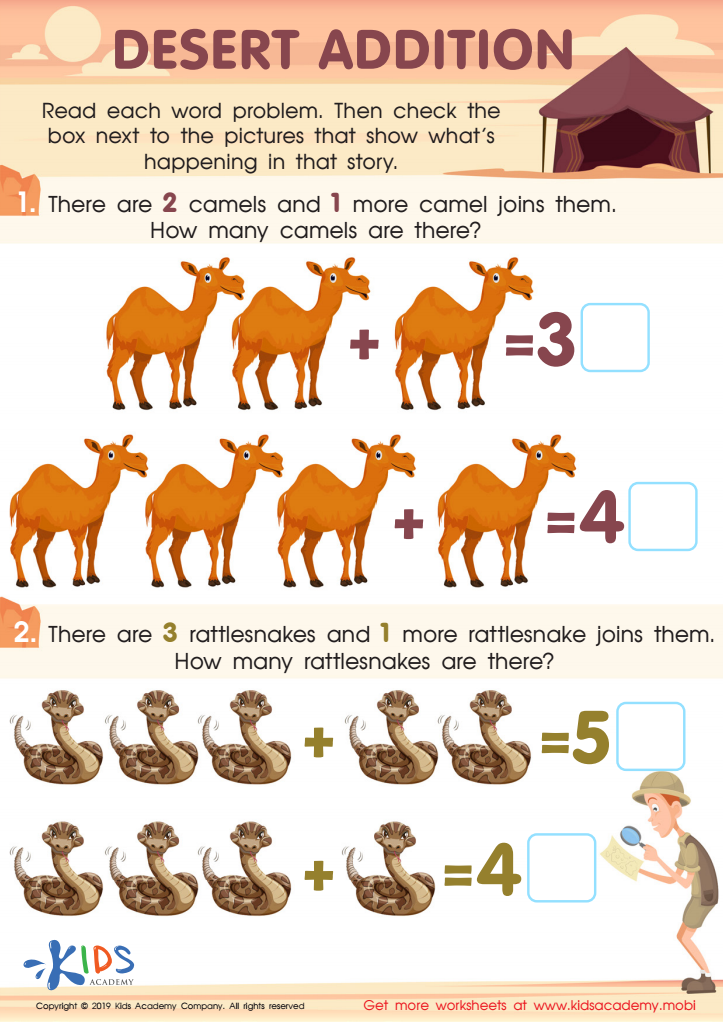
Desert Addition Worksheet
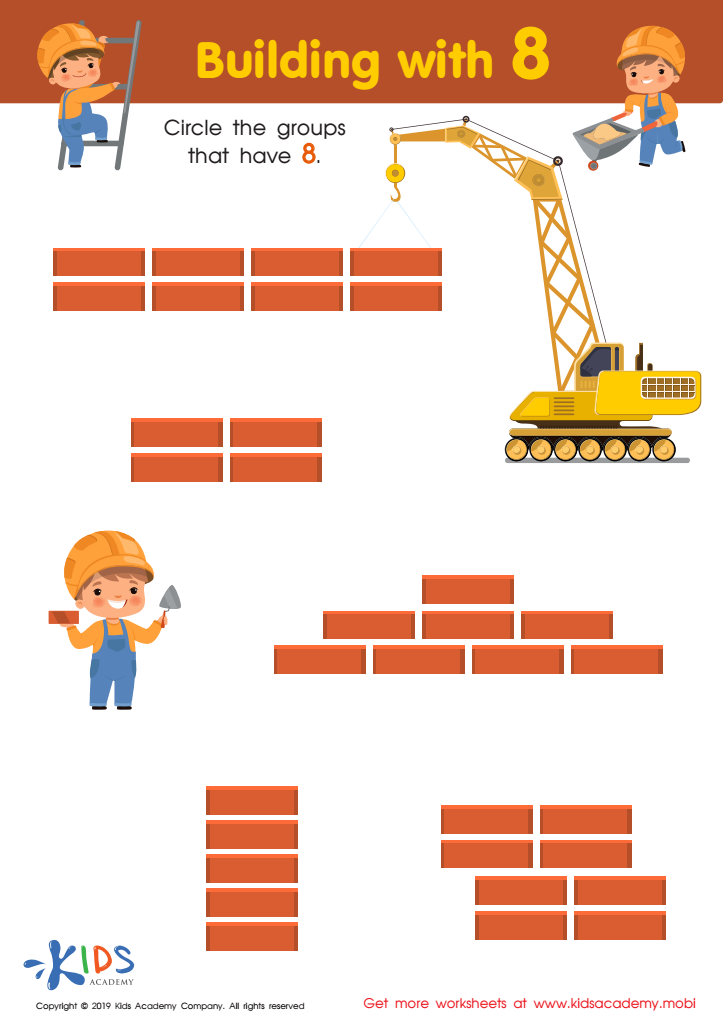
Building with 8 Worksheet
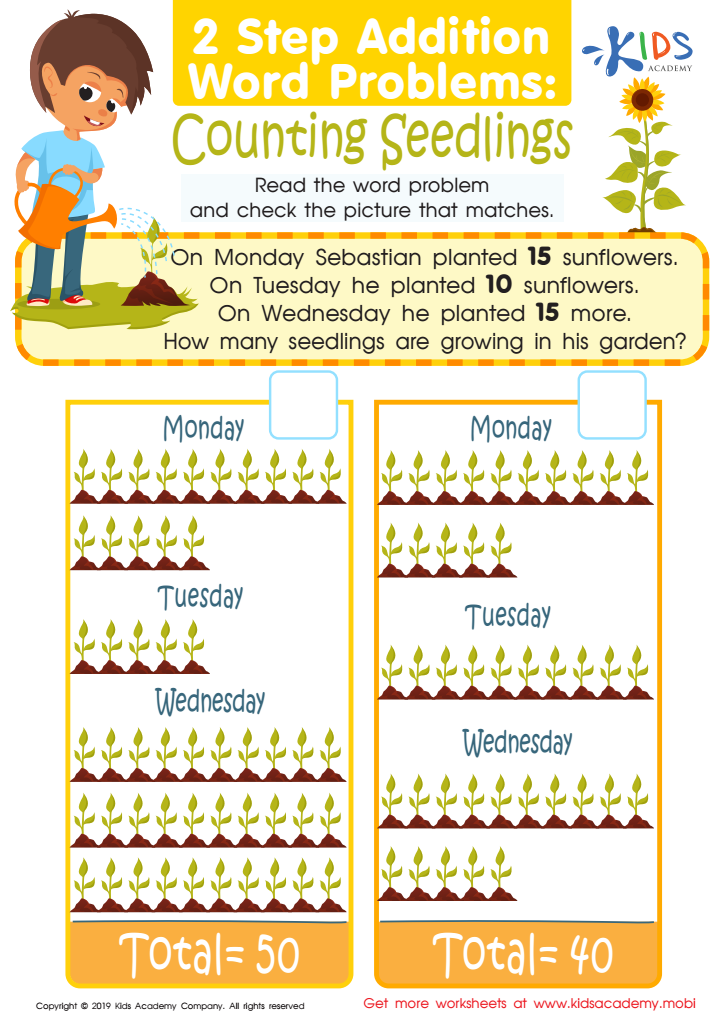
Counting Seedlings Worksheet
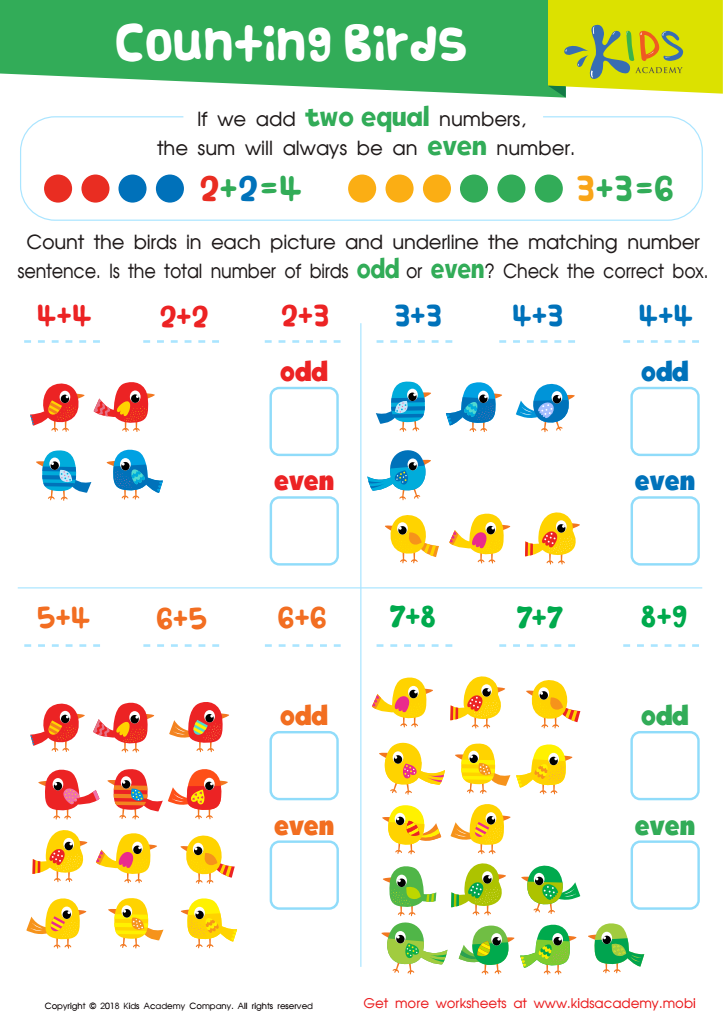
Counting Birds Worksheet
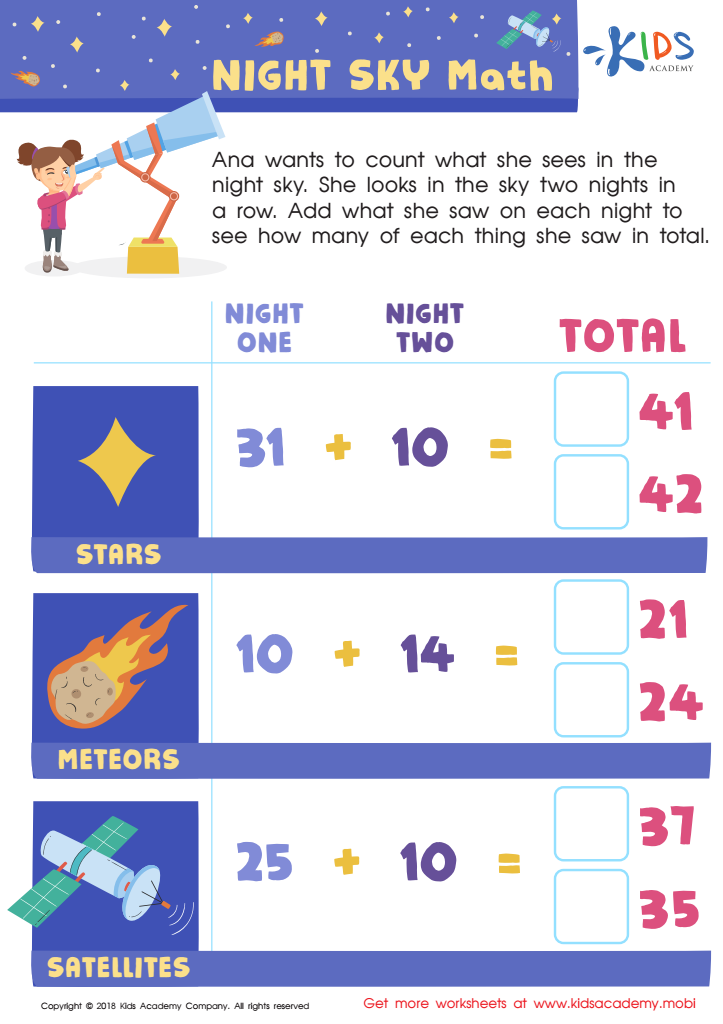
Night Sky Math Worksheet
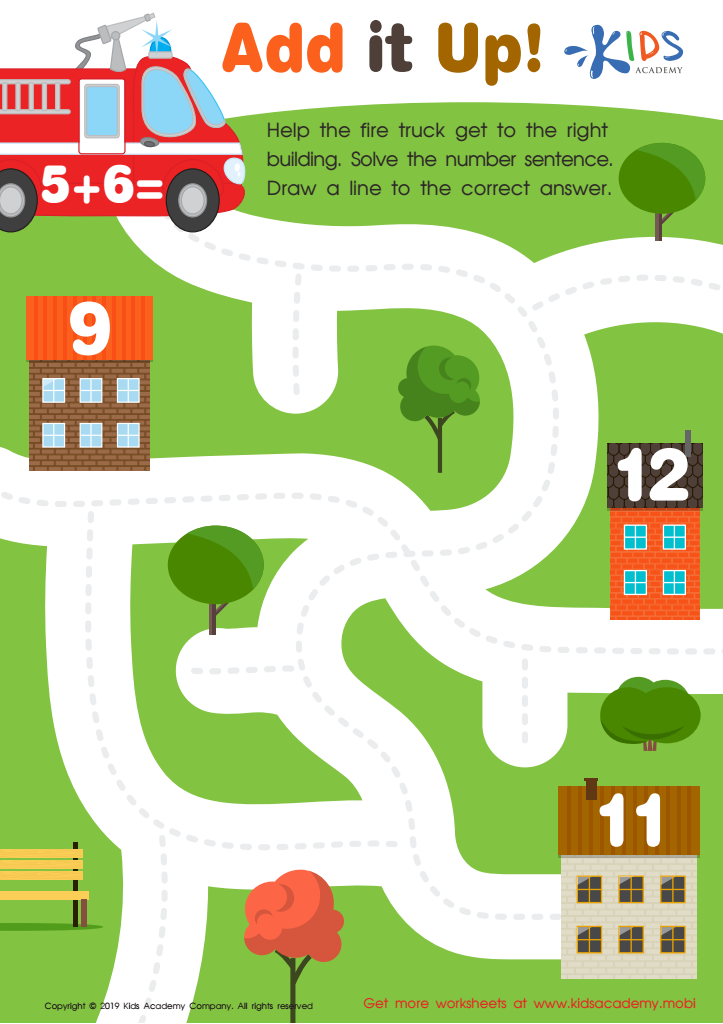
Add it Up Worksheet
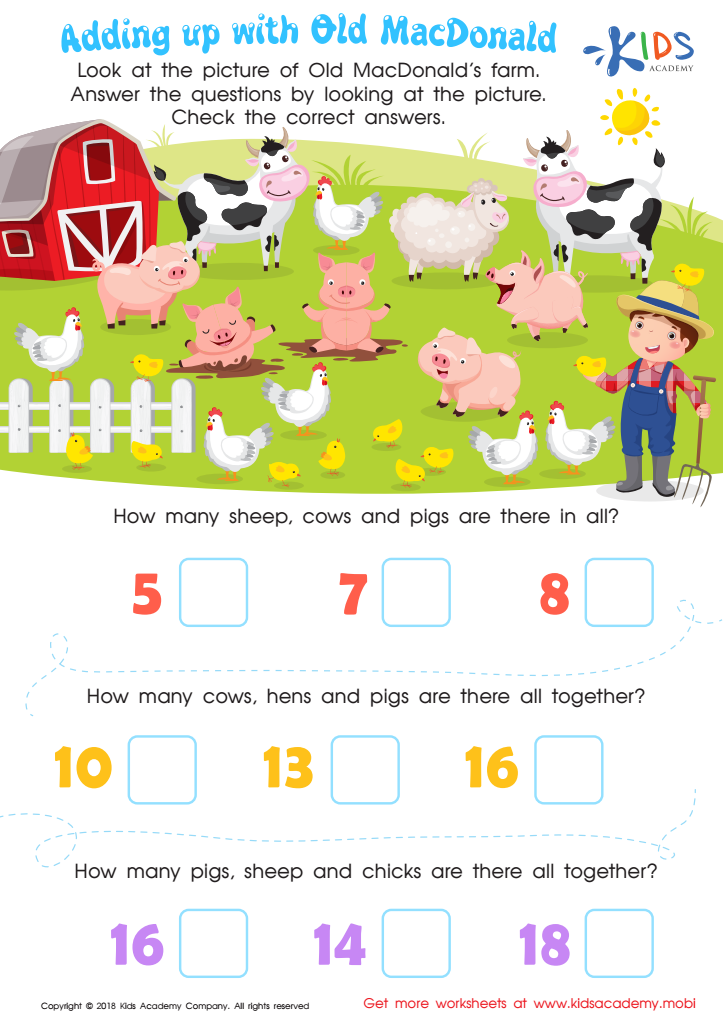
Adding Up with Old MacDonald Worksheet
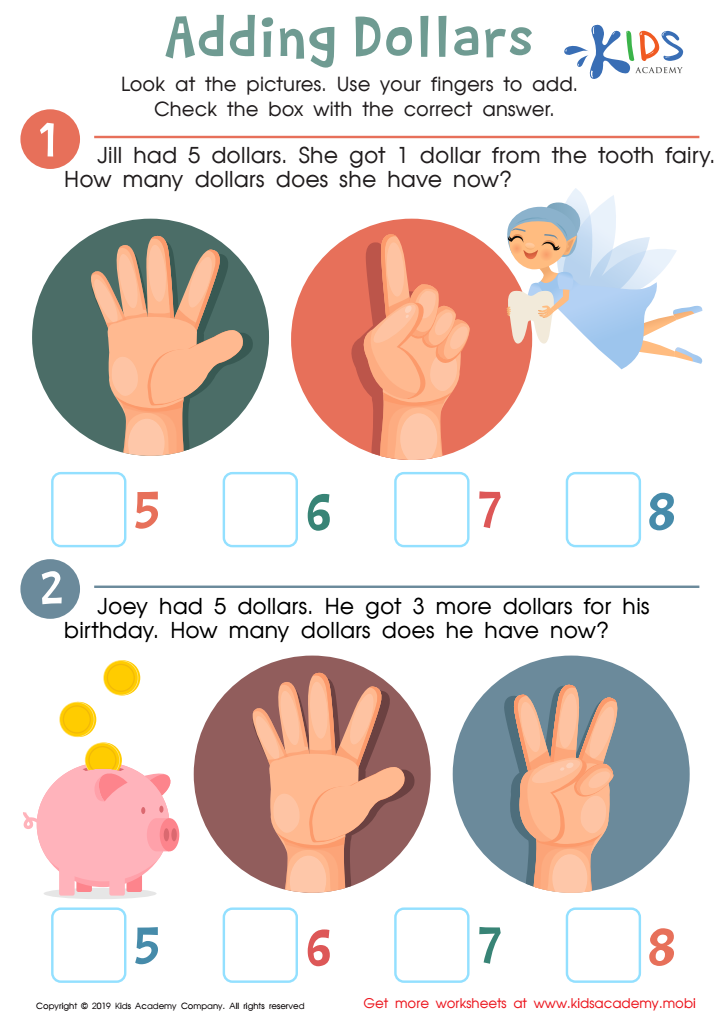
Tooth Fairy Addition Worksheet
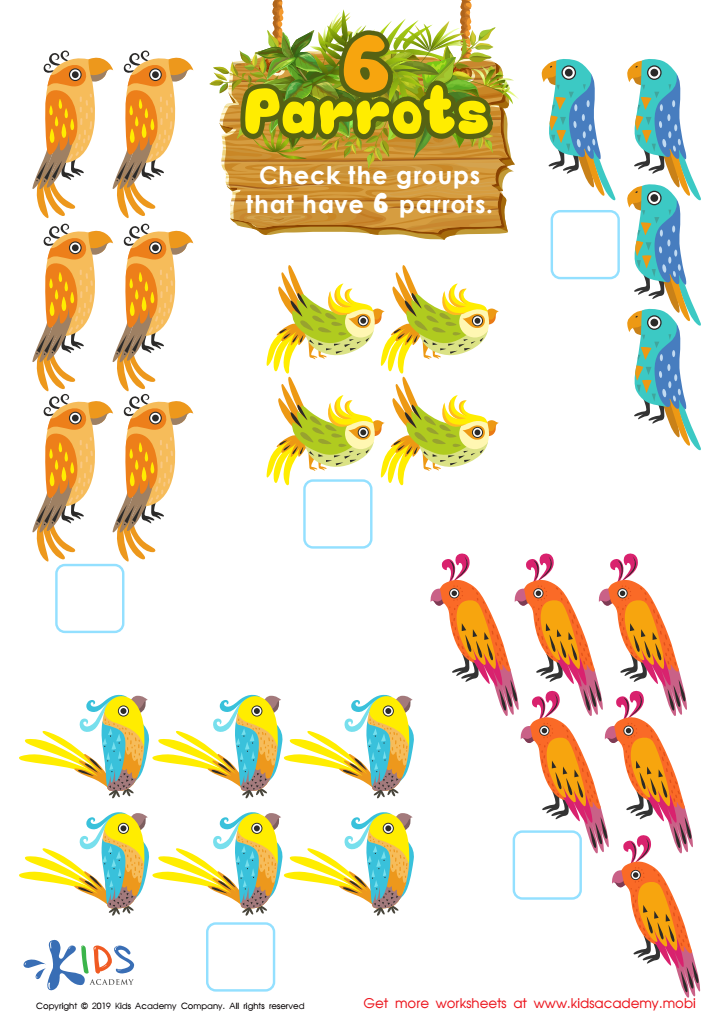
6 Parrots Worksheet
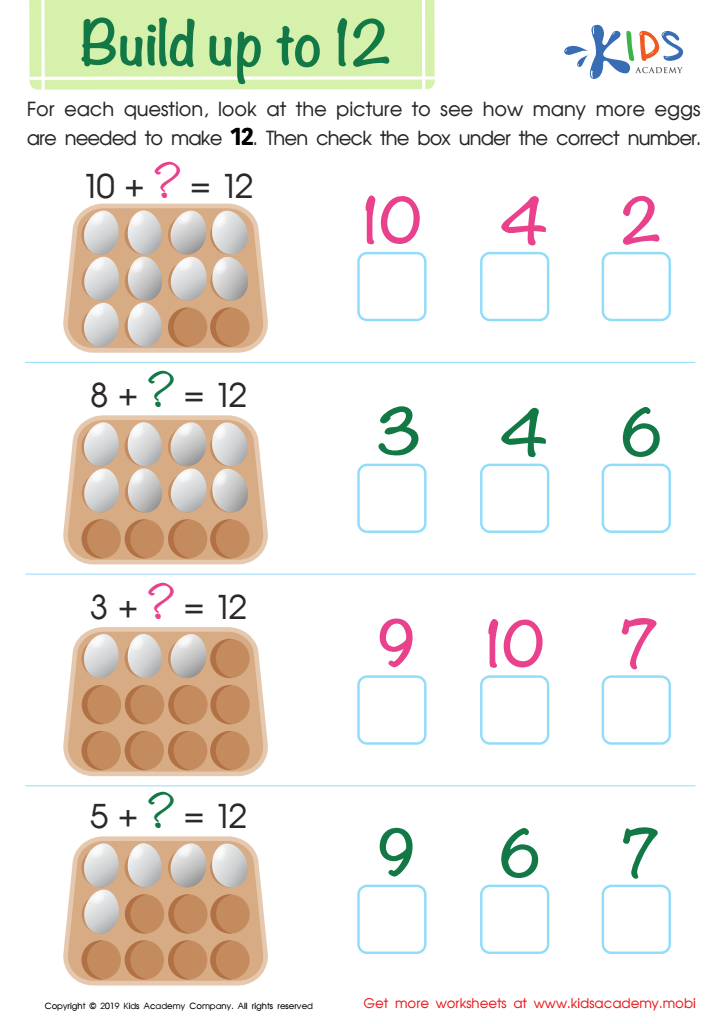
Build up to 12 Worksheet
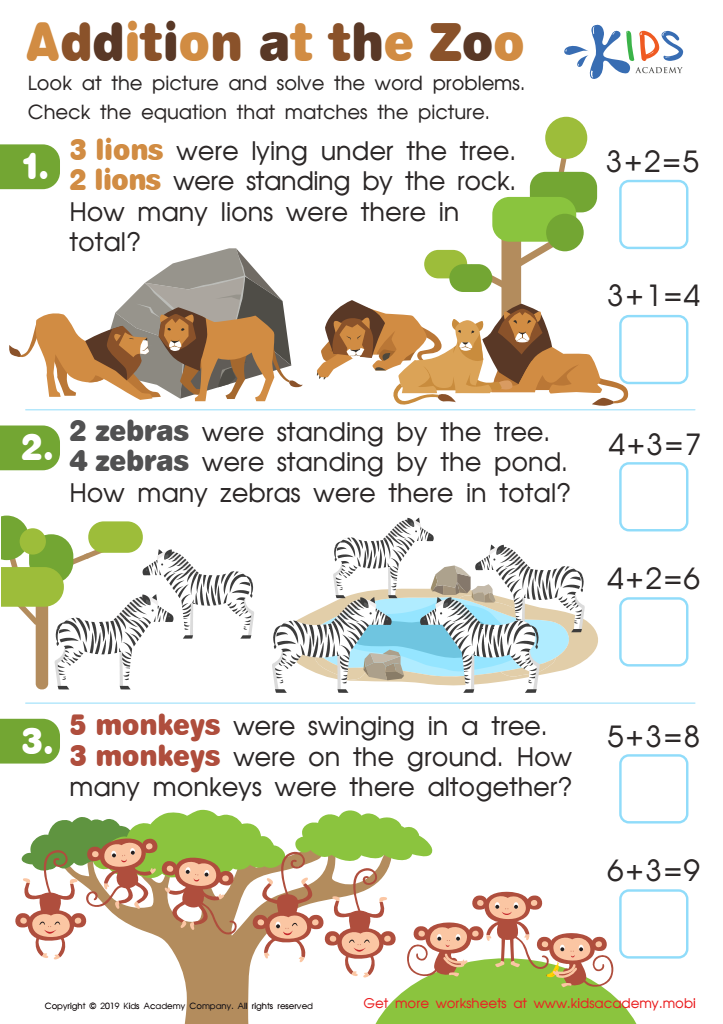
Addition at the Zoo Worksheet
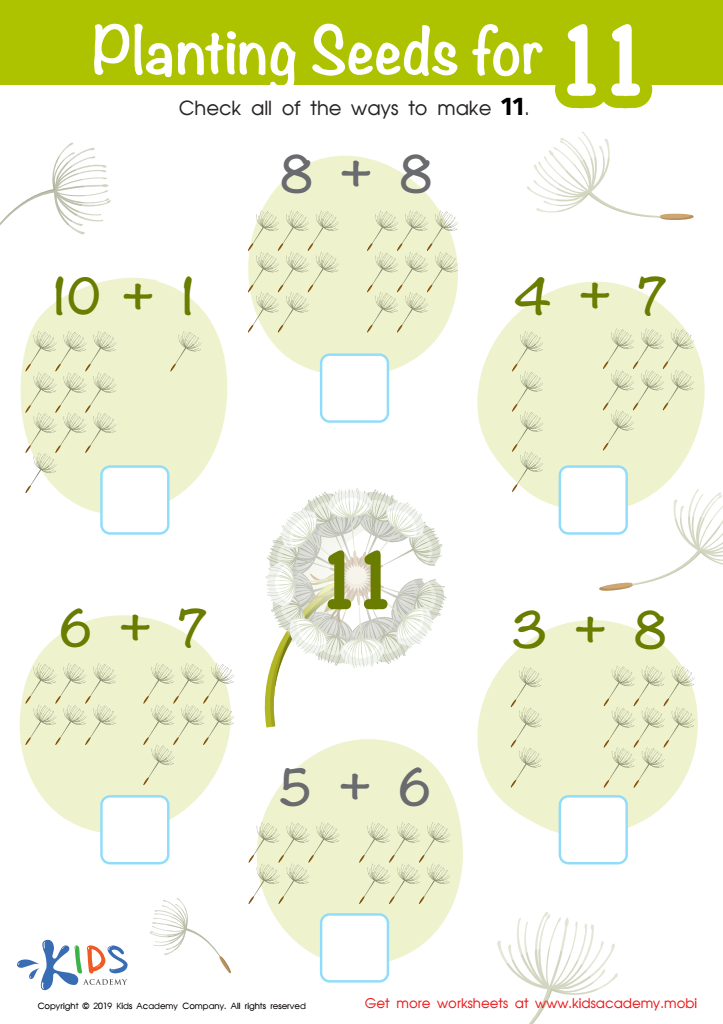
Planting Seeds for 11 Worksheet
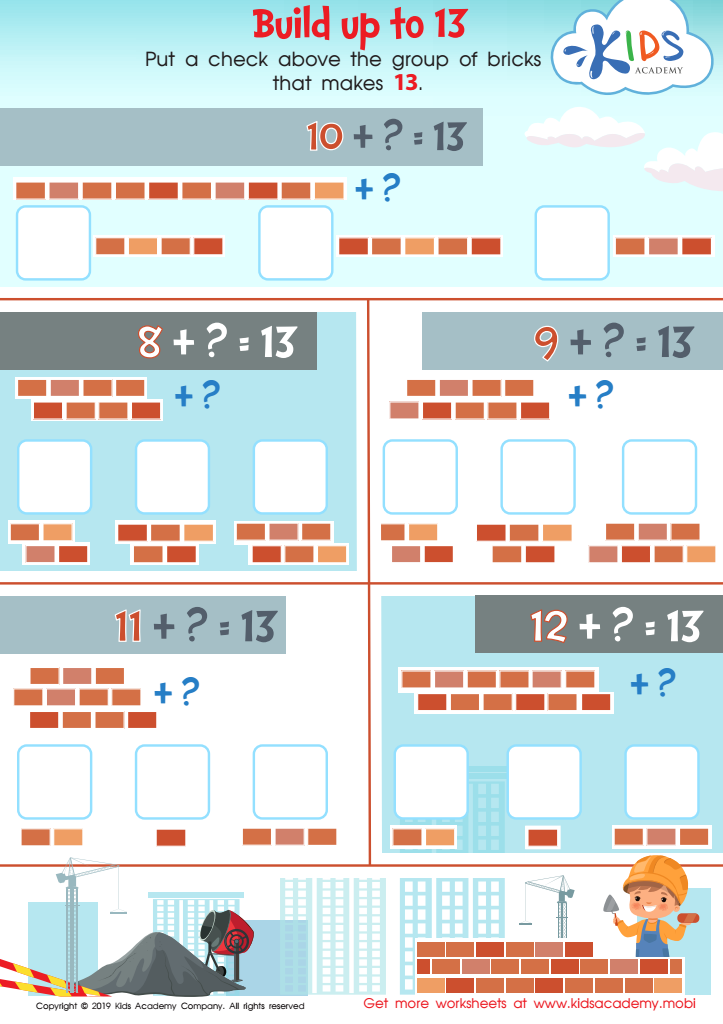
Build up to 13 Worksheet
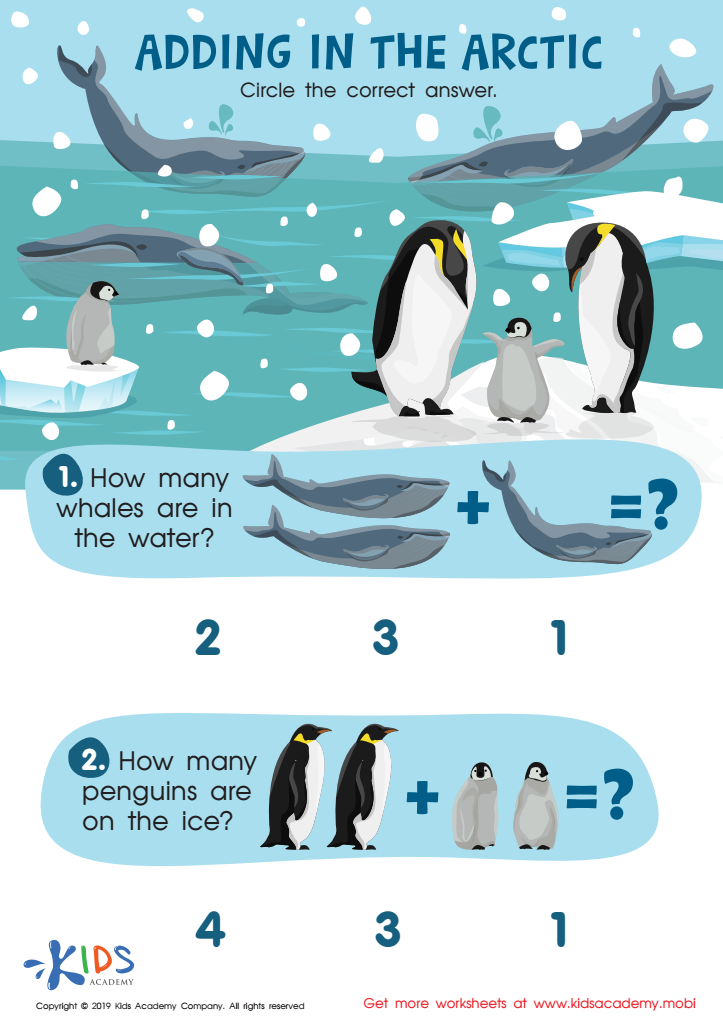
Adding in the Arctic Worksheet








Number recognition and easy addition are foundational skills in early childhood education that significantly impact a child's mathematical development. From ages 3 to 9, children are at a critical stage for learning and forming cognitive pathways. Parents and teachers should prioritize these skills for several reasons.
Firstly, number recognition helps children identify and understand numerical symbols, laying the groundwork for more complex mathematical concepts later on. When children can recognize numbers, they build confidence and a sense of accomplishment, paving the way for a positive attitude towards math.
Secondly, easy addition introduces the concept of combining quantities. Mastering basic addition equips children with practical skills for everyday situations, such as counting objects during play or adding scores in games. This experiential learning fosters critical thinking and problem-solving abilities.
Moreover, early math skills are correlated with future academic success. Research shows that a strong foundation in mathematics during these formative years is linked to better performance in school and greater opportunities later in life.
In summary, focusing on number recognition and easy addition is essential for children aged 3 to 9, as it nurtures their mathematical understanding, boosts their confidence, and lays the groundwork for lifelong learning. Parents and teachers play a crucial role in this developmental journey.








